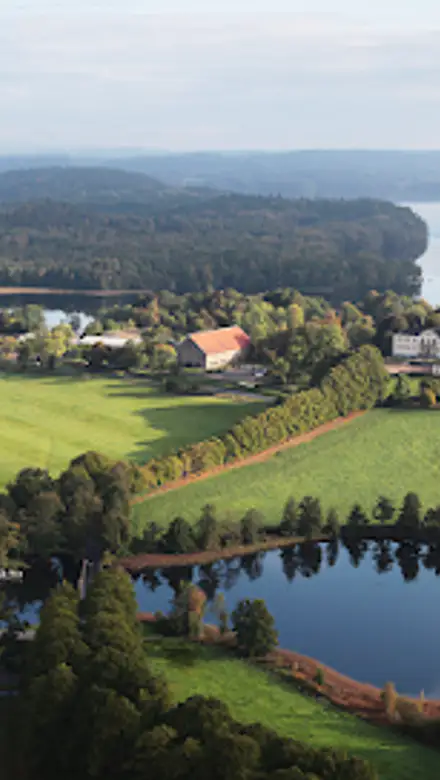
Nääs Slott Travel Guide
Free Guide: A lakeside manor and craft‑school estate where late‑19th‑century interiors, workshops and oak‑fringed trails preserve Sweden’s slöjd heritage.


A brief summary of Nääs Slott
A lakeside manor and craft‑school estate where late‑19th‑century interiors, workshops and oak‑fringed trails preserve Sweden’s slöjd heritage.
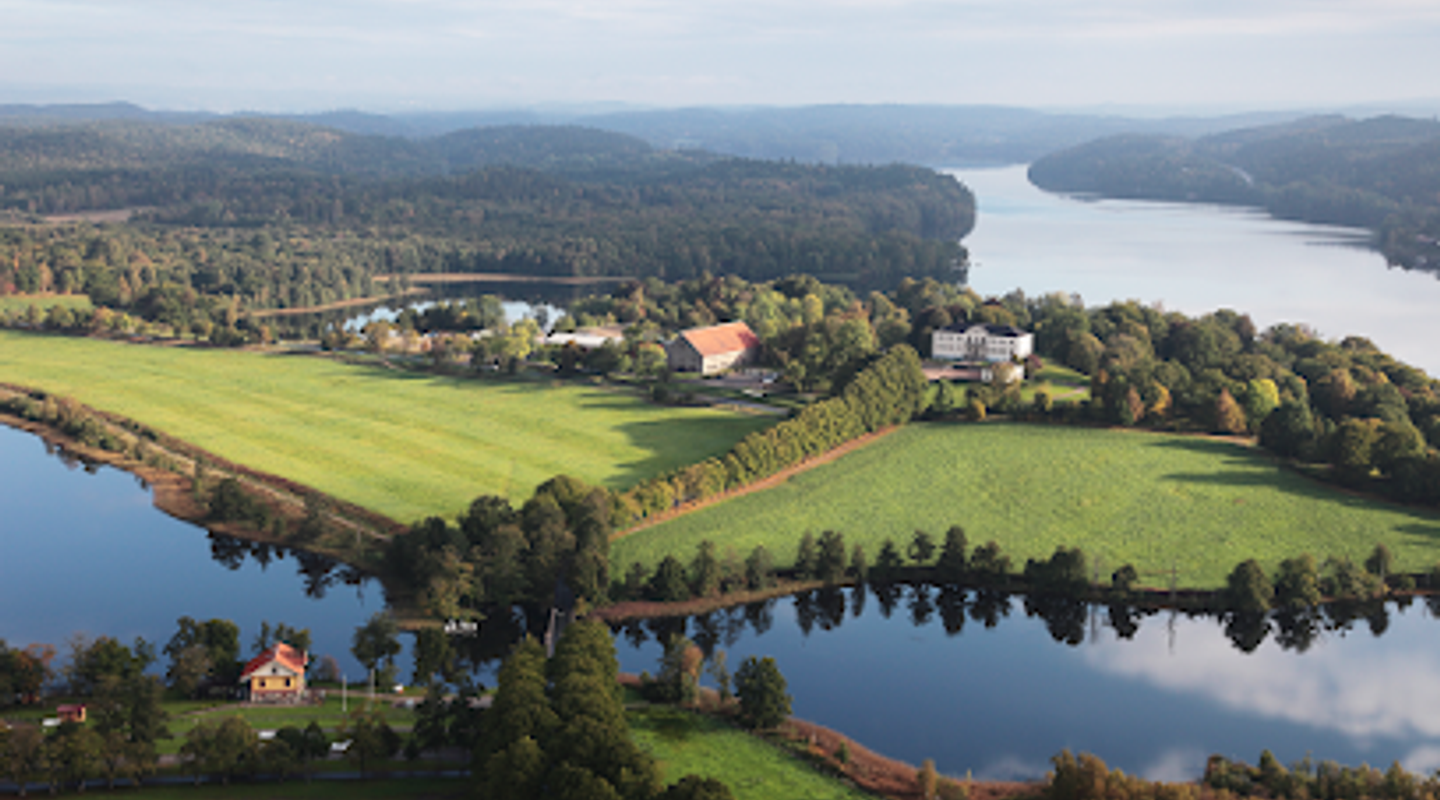
Nääs Slott is a late-19th-century estate and museum set on a wooded promontory by Lake Sävelången near Floda, east of Gothenburg. Famous for the historical Slöjdseminariet (craft school) founded in the 1870s, the site preserves richly furnished rooms from the 1800s, parks, walking trails and craft workshops, and hosts courses, exhibitions and seasonal events in a landscape of oak woods and lakeshore paths.
On-site amenities
 Restrooms
 Drink options
 Food options
 Seating areas
 Information boards
 Visitor centre
- Address
- Nääs allé 8, 448 92 Floda
- Phone
- Website
Getting there
Regional train + shuttle bus
Car
Taxi or regional rideshare
Discover more about Nääs Slott
The castle on the lake promontory
Nääs Slott sits like a crown on its narrow headland by Lake Sävelången, its masonry and brick wings stepping down toward the water. The current main house contains building fabric that reaches back to the 1600s, but its present late-19th-century character – a carefully renovated exterior, a monumental stone stair and interior fittings – mainly dates from the ownership of August Abrahamson in the 1868–1898 period. The estate’s placement on the lakeshore, ringed by oak and mixed woodland, shapes both the view and the approach: water reflections, reed edges and the avenue of lime and oak trees create the first impression long before you reach the building.
A living museum of craft education
From 1872 Nääs became internationally known as a centre for slöjd (applied craft) education; the seminary trained teachers and practitioners in woodworking, textile craft and other hand skills and established pedagogical methods that spread across Sweden and beyond. The campus of small brick and timber buildings around the castle preserves workshops, former dormitories and teacher housing; some rooms retain tools, benches and cabinetry that speak to the daily practice of 19th- and early-20th-century craft teaching. That educational legacy continues today in shorter courses, demonstrations and the presence of active studios and a craft gallery on the grounds.
Interior atmospheres and decorative detail
Step inside and the castle’s rooms present a rare continuity of late-1800s high‑status interiors: salons, a winter garden in the orangerie tradition, richly appointed reception rooms and a preserved smoking room with historically significant wallpapers and textile furnishings. The décor is a patchwork of contemporary tastes from the period of Abrahamson’s renovations: patterned wallpapers, carved woodwork and preserved household fittings that make the house an instructive example of upper‑class domestic life around 1898. Many surfaces and small objects remain in situ, offering tangible lines to domestic craft, material culture and the crafts taught at the seminar.
Parks, trails and natural setting
The estate extends beyond the castle to encompass designed parkland, mature oaks and mapped walking paths that edge the lake. Trails vary from short lakeside promenades to longer forested routes that link pastures, experimental plantings and viewpoints. The interplay between cultivated garden spaces close to the buildings and wilder oak wood on the peninsula means the site functions as both cultural landscape and nature escape; seasons alter the experience markedly, from the quiet foggy mornings in spring to bright summers where lakeside light and bird song are dominant.
Workshops, craft shops and programmatic life
Around the castle a cluster of brick and timber service buildings now house a craft gallery, a building-conservation centre and small cafés that distribute locally made goods and course information. The seminar buildings are used for short residential craft courses, exhibitions and occasional concerts or events; the site’s calendar retains seasonal highlights—traditional midsummer gatherings among them—that continue inherited rhythms of communal activity. The estate’s adaptive reuse balances hospitality, pedagogy and conservation within a dense complex of historic structures.
Heritage stewardship and cultural resonance
Nääs is protected as a national built-heritage environment and is administered through a foundation that preserves both the fabric and the seminary’s educational ethos. The estate’s tangible and intangible layers—ancient traces on the headland, successive noble ownership, the 19th-century transformation under Abrahamson and the long-running craft school—combine to make the place an instructive case study in how landscape, teaching and material culture reinforce one another. The result is a site where the castle, its outbuildings and the surrounding oaks together communicate a sustained chapter of Swedish cultural history.
Evendo Review Centre
 Google
Guest reviews
Best time to go
Quietest: Jan, Feb & Mar · before 6am or at 9pm
Busy times are Evendo estimates for a typical year, to help you plan. Actual crowds vary with events, school holidays and the weather.
Explore Nääs Slott on the map
A handpicked selection of must-see spots near Nääs Slott, mapped for you.
Get your free copy of our complete guide to Nääs Slott, delivered straight to you.
Everything on this page, from opening hours and how to get there to Eve’s tips and the best time to go, in one PDF you can read offline, print or share.
Already have an account? Sign in
Your Nääs Slott guide is ready.
We'll send it to · Not you? Sign out

Getting your guide ready…
We are putting together a fresh copy of the Nääs Slott guide. This can take up to a minute.
This can take a few moments. If your browser asks, choose Allow so the download can start. You'll find the guide in your Downloads folder.
Nothing happened? Download it again
Sorry, the guide is taking longer than usual. Please try again in a minute, or get it by email instead.
Other nearby places you may find interesting
The closest places of the same kind, if this one is not quite what you had in mind.
-
-
-
-
-


Swipe for more places
More to explore near Nääs Slott

 Best experiences near Nääs Slott
 Best hotels near Nääs Slott
 Best landmarks near Nääs Slott
 Best attractions near Nääs Slott
 Best shops near Nääs Slott
 Best restaurants near Nääs Slott
 Best bars near Nääs Slott
Do you manage this location?
Take control to get all the benefits, like improved information, better appearance, and stronger visibility across AI-powered discovery.
Explore more
Explore more of Bohuslän
Explore Bohuslän, Sweden's stunning coastal region known for its picturesque islands, rich history, and delectable seafood. A paradise for nature lovers and history enthusiasts.
Explore Bohuslän
Explore more of Sweden
Discover Sweden's breathtaking landscapes, vibrant cities, and rich cultural heritage. From the Northern Lights to historic castles, experience the essence of Scandinavia.
Explore Sweden