

Bro skvaltkvarn Travel Guide
Free Guide: Discover the whispering wheels of 1734 in Brobäcken's ravine—a living relic of Orust's milling mastery amid stone echoes of seven forgotten mills.


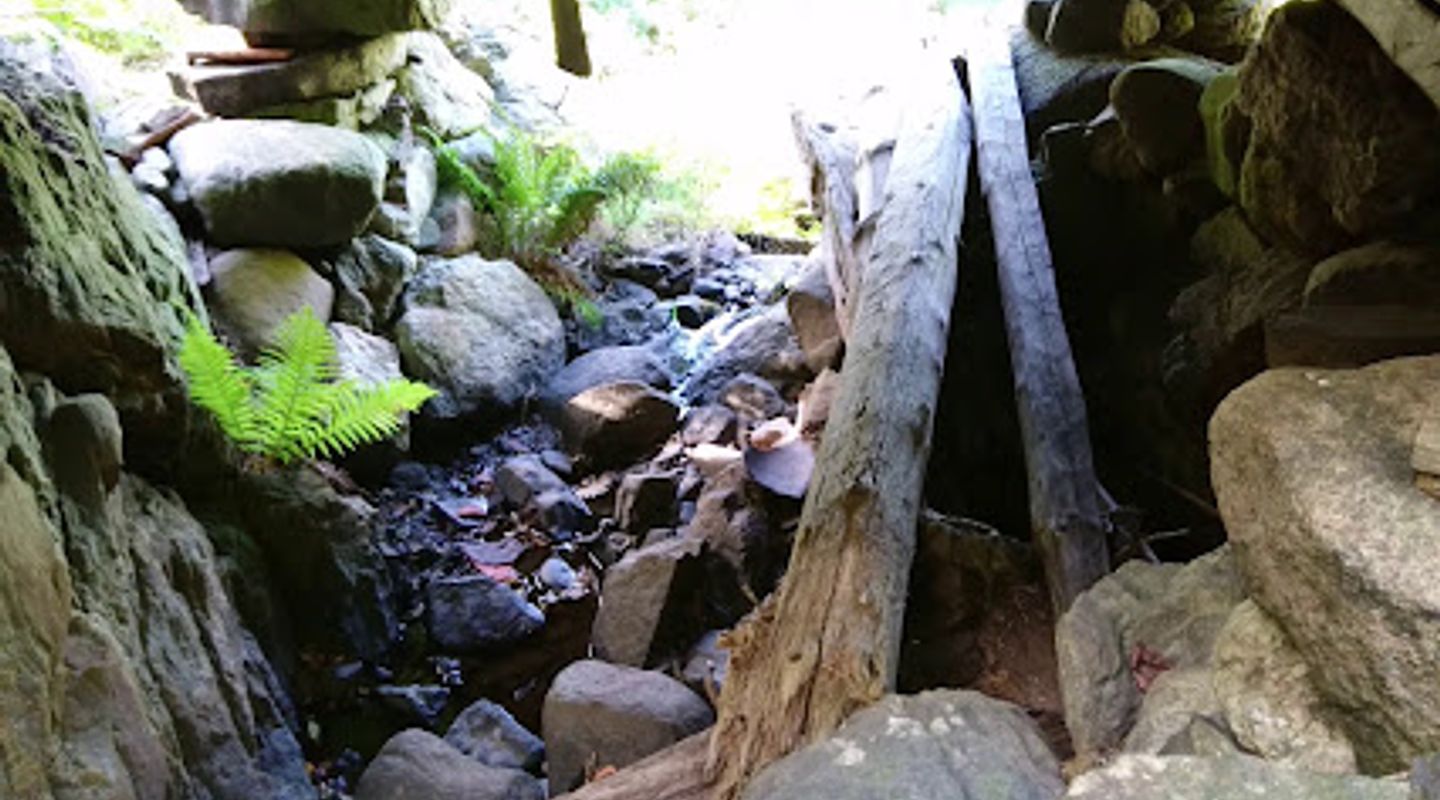
A brief summary of Bro skvaltkvarn
Discover the whispering wheels of 1734 in Brobäcken's ravine—a living relic of Orust's milling mastery amid stone echoes of seven forgotten mills.
Bro Skvaltkvarn is a preserved 18th-century watermill nestled in a steep ravine on southwestern Orust island. Built in 1734, this historic skvaltkvarn operated until 1930, harnessing Brobäcken's flow to grind grain with its dual paddle wheels and millstones. Surrounded by stone foundations and remnants of six other mills that once dotted the site, it stands as a testament to local industrial heritage managed by Morlanda Hembygdsförening. The site offers insight into traditional milling practices amid scenic woodland.
On-site amenities
 Information boards
 Trash bins
 Seating areas
- Address
- BRO 411, 474 92 Ellös
- Phone
- Website
Getting there
Bus
Car
Bicycle
Walking
Discover more about Bro skvaltkvarn
Origins in the Ravine
Bro Skvaltkvarn emerges from the dramatic Brobäcken ravine on Orust's southwest coast, a site powered by the steady rush of water since the 1700s. Constructed in 1734 by Olle Olsson of Bro Nedergård farm, this timber-framed mill exemplifies the skvaltkvarn design—simple yet ingenious, with horizontally mounted paddle wheels capturing the stream's 'skvalp' to drive two pairs of millstones. For nearly two centuries, it transformed local grain into flour, sustaining farmers from Bro and beyond.The ravine's steep walls and gurgling brook created an ideal microcosm for water-powered industry, where the mill's rhythmic creak blended with splashing waters and the scent of damp wood and stone.
Legacy of Seven Mills
This location hosted seven mills over time, with up to five operating simultaneously at peak. Visible today are stone foundations, scattered millstones, and traces of dams that channeled Brobäcken's flow. Each mill served communal needs, where households rotated shifts to grind their harvest—a process taking a full day for 2-3 barrels of grain. The preserved Bro Skvaltkvarn anchors these remnants, evoking an era when water was the lifeblood of rural economy.Archaeological echoes like partial wheels and weathered stones whisper of relentless labor and ingenuity amid the lush, mossy terrain.
Decline and Preservation
By 1930, mechanized mills upstream spelled the end for Bro Skvaltkvarn, its wheels falling silent after 200 years. Renovations through the decades, including efforts by Morlanda Hembygdsförening since 1949, restored its sturdy frame. Today, it stands proud amid ferns and wildflowers, a static monument to pre-industrial Sweden. The association maintains the site, hosting periodic open viewings that reveal its inner mechanisms.Nearby, a quartz mine from 1927 adds another layer, its flooded pits a stark contrast to the organic hum of milling history.
Engineering Marvels
Inside, the mill's dual skovelhjul— one preserved—channeled water through undershot wheels, a low-tech marvel efficient for small streams. Timber beams bear the patina of ages, while slots for millstones hint at the dusty labor of mjölnars grinding night and day. The structure's placement in the ravine maximized fall height, optimizing power from minimal flow.Surrounding features like fornlämningar illustrate adaptive engineering, from dams regulating floods to paths worn by grain-laden carts.
Natural and Cultural Tapestry
Enveloped by Orust's rolling woodlands, the site merges human craft with nature's canvas. Spring brings blooming anemones along the brook, while autumn paints the ravine in fiery hues. Birds flit among ruins, and the air carries earthy petrichor after rain. As part of Morlandadalen's cultural trail, it connects to broader heritage walks, inviting reflection on sustainable energy long before modern renewables.This quiet corner preserves not just machinery, but the pulse of agrarian life on Sweden's west coast archipelago.
Evendo Review Centre
 Google
Guest reviews
Best time to go
Quietest: Jan, Feb & Nov · before 8am or at 6pm
Busy times are Evendo estimates for a typical year, to help you plan. Actual crowds vary with events, school holidays and the weather.
Explore Bro skvaltkvarn on the map
A handpicked selection of must-see spots near Bro skvaltkvarn, mapped for you.
Get your free copy of our complete guide to Bro skvaltkvarn, delivered straight to you.
Everything on this page, from opening hours and how to get there to Eve’s tips and the best time to go, in one PDF you can read offline, print or share.
Already have an account? Sign in
Your Bro skvaltkvarn guide is ready.
We'll send it to · Not you? Sign out

Getting your guide ready…
We are putting together a fresh copy of the Bro skvaltkvarn guide. This can take up to a minute.
This can take a few moments. If your browser asks, choose Allow so the download can start. You'll find the guide in your Downloads folder.
Nothing happened? Download it again
Sorry, the guide is taking longer than usual. Please try again in a minute, or get it by email instead.
Other nearby places you may find interesting
The closest places of the same kind, if this one is not quite what you had in mind.
-
-
-
-
-


Swipe for more places
More to explore near Bro skvaltkvarn

 Best experiences near Bro skvaltkvarn
 Best hotels near Bro skvaltkvarn
 Best landmarks near Bro skvaltkvarn
 Best attractions near Bro skvaltkvarn
 Best shops near Bro skvaltkvarn
 Best restaurants near Bro skvaltkvarn
 Best bars near Bro skvaltkvarn
Do you manage this location?
Take control to get all the benefits, like improved information, better appearance, and stronger visibility across AI-powered discovery.
Explore more
Explore more of Bohuslän
Explore Bohuslän, Sweden's stunning coastal region known for its picturesque islands, rich history, and delectable seafood. A paradise for nature lovers and history enthusiasts.
Explore Bohuslän
Explore more of Sweden
Discover Sweden's breathtaking landscapes, vibrant cities, and rich cultural heritage. From the Northern Lights to historic castles, experience the essence of Scandinavia.
Explore Sweden
