

Hoga Domarringar Travel Guide
Free Guide: A compact cluster of prehistoric stone circles near Varekil — small in scale but rich in coastal, archaeological atmosphere.


A brief summary of Hoga Domarringar
A compact cluster of prehistoric stone circles near Varekil — small in scale but rich in coastal, archaeological atmosphere.
Höga Domarringar is a small cluster of prehistoric stone circles and burial monuments set on a gentle rise near Varekil on Orust island in Bohuslän, Sweden. Quiet and exposed to coastal light, the stones form concise rings and mounds that speak to Bronze Age and Iron Age funerary practices; the site is open access, free to visit and best appreciated in low light when textures and lichen stand out.
On-site amenities
 Seating areas
 Information boards
Opening hours
- Every dayOpen 24 hours
Opening hours as listed on the venue’s Google Business Profile. Hours can change for services and special events, so check with the venue before you go.
- Address
- 472 96 Varekill
- Website
Getting there
By car (regional)
Local bus and short walk
Bicycle
Discover more about Hoga Domarringar
An ancient arrangement in a coastal landscape
Höga Domarringar occupies a raised patch of ground overlooking the glancing waters and cultivated fields typical of Orust. The feature here is not a single dramatic cairn but several carefully placed stones that mark circular settings and low burial mounds, their surfaces softened by moss and lichen. Seen up close the stone edges, chips and weathered faces reveal centuries of exposure to wind and salt; from a short distance the formations read as geometric punctuations in an otherwise pastoral scene.
What the stones once meant
The stone rings at Höga are part of a wider regional tradition of Bronze Age and Iron Age funerary monuments found across Bohuslän and the Swedish west coast. These arrangements often marked burial places or ritual sites and were constructed with deliberate orientation and stone selection. The surviving rings and mounds at Höga preserve that sense of intentional layout: concentric lines, raised rims and occasional solitary standing stones that hint at long-vanished ceremonies and the community effort involved in moving and setting stone.
Material character and micro-features
The stones themselves are typically local gneiss and granite, smoothed and flaked by ancient glacial action and later hand-shaped where necessary. Lichens form a living patchwork across faces and seams, adding colour and age; small hollows at the bases gather soil and seasonal wildflowers in spring and summer. On brisk days you can hear the stones creak subtly as heat and cold shift their surfaces, a quiet reminder that the site remains a living part of the landscape rather than a sealed relic.
Seasonal moods and atmospheric notes
Höga changes with the seasons. In late spring the grass around the circles is bright and dotted with buttercups; on calm autumn afternoons the low sun throws long, dramatic shadows through the rings. Winter strips the scene to bone—straw-brown grass, the skeletal silhouettes of the stones and a harsher coastal light. At all times the setting rewards slow observation: the scent of salt and cut grass on breezy days, the tactile roughness of granite under your fingertips, and the quiet that comes with distance from roads and settlements.
Context within local archaeology
Within Orust and neighbouring parishes, sites like Höga sit among other ancient remains—dolmens, burial mounds and scattered stone settings that together chart millennia of coastal habitation. Archaeological surveys in the region record communal graves, traces of burnt bone and pottery fragments at comparable sites, indicating complex ritual and subsistence practices across eras. Höga’s modest scale is typical of many rural funerary sites: not monumental in height but strong in cultural continuity, linking present fields and farms with distant ancestors.
How to appreciate the place respectfully
Höga is best experienced at a contemplative pace: follow the natural contours between stones, avoid climbing or moving flagged stones, and keep noise and large groups to a minimum so the site’s quiet character endures. The compact layout makes close inspection easy—take a hand lens if you enjoy small-scale detail, or simply sit and listen. Because the site is exposed, dress for the coastal weather and expect sudden breezes; bring water and leave no trace of your visit.
Evendo Review Centre
 Google
Guest reviews
Best time to go
Quietest: Jan, Feb & Dec · before 6am or at 9pm
Busy times are Evendo estimates for a typical year, to help you plan. Actual crowds vary with events, school holidays and the weather.
Explore Hoga Domarringar on the map
A handpicked selection of must-see spots near Hoga Domarringar, mapped for you.
Get your free copy of our complete guide to Hoga Domarringar, delivered straight to you.
Everything on this page, from opening hours and how to get there to Eve’s tips and the best time to go, in one PDF you can read offline, print or share.
Already have an account? Sign in
Your Hoga Domarringar guide is ready.
We'll send it to · Not you? Sign out

Getting your guide ready…
We are putting together a fresh copy of the Hoga Domarringar guide. This can take up to a minute.
This can take a few moments. If your browser asks, choose Allow so the download can start. You'll find the guide in your Downloads folder.
Nothing happened? Download it again
Sorry, the guide is taking longer than usual. Please try again in a minute, or get it by email instead.
Other nearby places you may find interesting
The closest places of the same kind, if this one is not quite what you had in mind.
-
-
-
-
-


Swipe for more places
More to explore near Hoga Domarringar

 Best experiences near Hoga Domarringar
 Best hotels near Hoga Domarringar
 Best landmarks near Hoga Domarringar
 Best attractions near Hoga Domarringar
 Best shops near Hoga Domarringar
 Best restaurants near Hoga Domarringar
 Best bars near Hoga Domarringar
Do you manage this location?
Take control to get all the benefits, like improved information, better appearance, and stronger visibility across AI-powered discovery.
Explore more
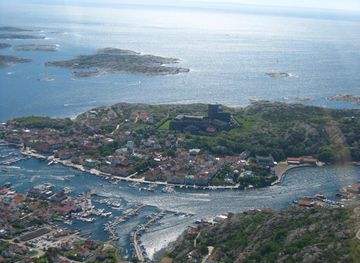
Explore more of Bohuslän
Explore Bohuslän, Sweden's stunning coastal region known for its picturesque islands, rich history, and delectable seafood. A paradise for nature lovers and history enthusiasts.
Explore Bohuslän
Explore more of Sweden
Discover Sweden's breathtaking landscapes, vibrant cities, and rich cultural heritage. From the Northern Lights to historic castles, experience the essence of Scandinavia.
Explore Sweden
