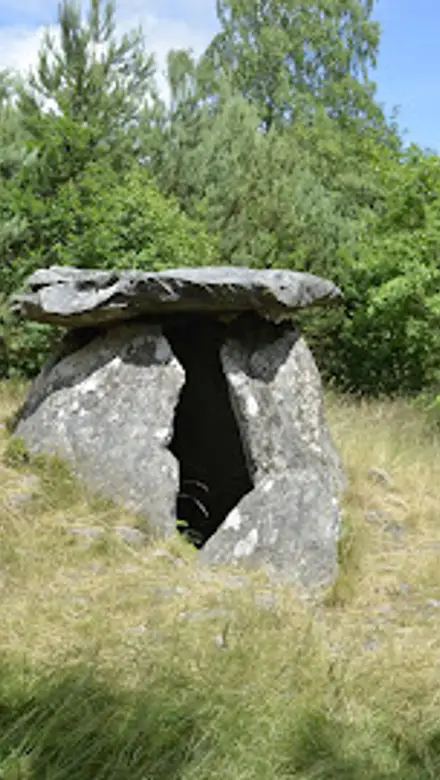
Haga dolmen Travel Guide
Free Guide: Step back 5,000 years at Haga dolmen, where Neolithic giants balanced colossal stones into an eternal chamber amid Orust's whispering woods and rocky shores.


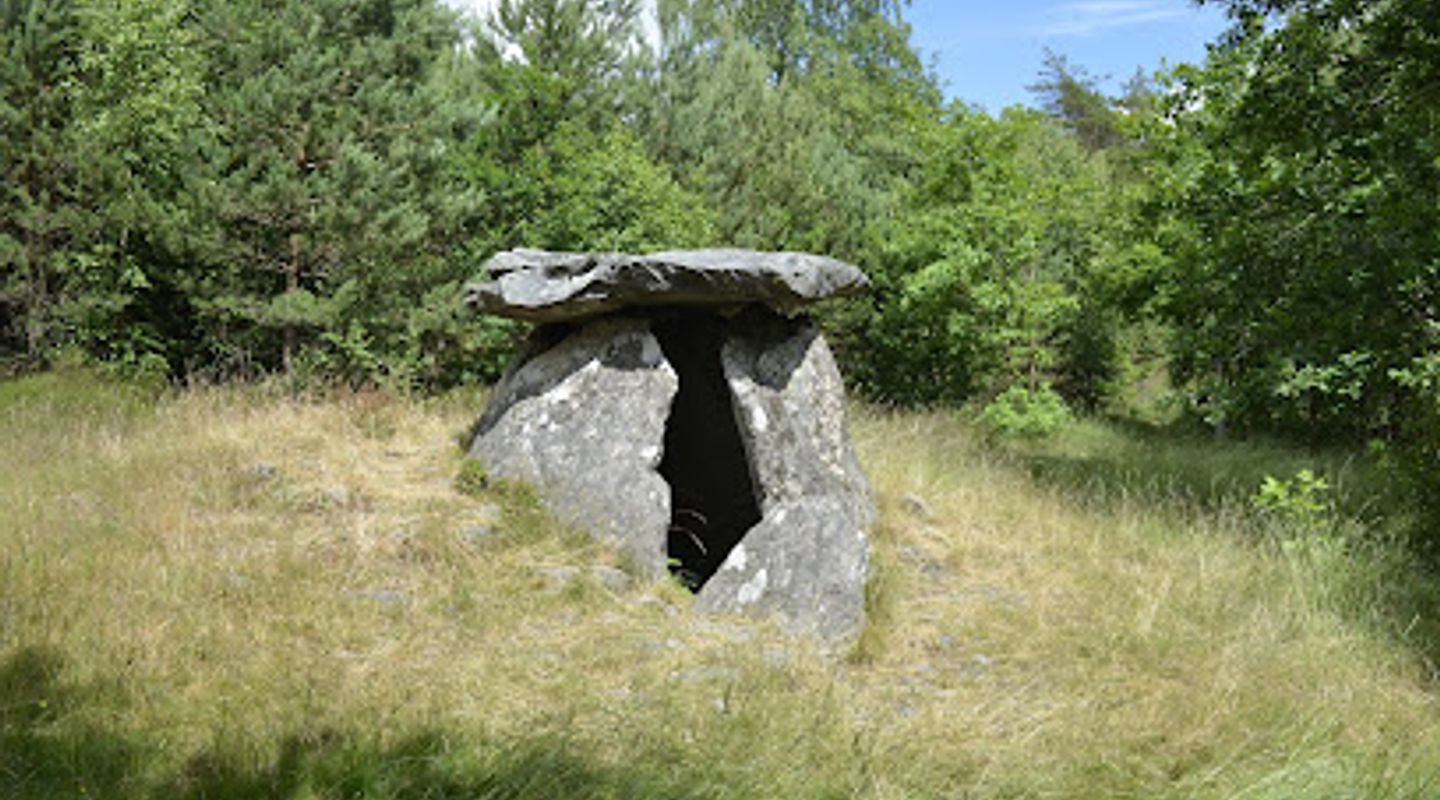
A brief summary of Haga dolmen
Step back 5,000 years at Haga dolmen, where Neolithic giants balanced colossal stones into an eternal chamber amid Orust's whispering woods and rocky shores.
The Haga dolmen stands as a striking Neolithic megalith on Sweden's Orust island, a testament to ancient ingenuity with its massive stone slabs forming a burial chamber from around 3500 BC. Nestled in Bohuslän's serene landscape, this well-preserved site offers a quiet portal to prehistoric rituals and communal memory, surrounded by coastal woodlands and rocky terrain.
On-site amenities
 Trash bins
 Information boards
 Seating areas
Opening hours
- Every dayOpen 24 hours
Opening hours as listed on the venue’s Google Business Profile. Hours can change for services and special events, so check with the venue before you go.
- Address
- Orust V
- Website
Getting there
Car
Bus
Bicycle
Walking
Discover more about Haga dolmen
Neolithic Engineering Marvel
The Haga dolmen, known locally as Hagadösen, exemplifies early Neolithic construction techniques dating to approximately 3500 BC. This megalithic structure consists of several large upright stones, or orthostats, supporting a massive horizontal capstone that forms a covered chamber. Erected by Stone Age communities in Bohuslän, it reflects sophisticated knowledge of quarrying, transporting, and balancing enormous boulders without metal tools or wheels.These prehistoric builders likely rolled and levered stones into place using wooden sledges and ramps, a feat mirroring techniques seen across European megalithic sites. The dolmen's sturdy design has endured millennia of weathering, standing resilient amid Orust's rugged granite landscapes.
Ancient Burial Traditions
Primarily a communal tomb, the Haga dolmen served as a sepulcher for multiple generations. Neolithic people interred their dead within the chamber, accompanying remains with offerings that hint at beliefs in an afterlife or ancestral veneration. Over time, bones accumulated, layered with earth and artifacts, creating a sacred repository.Excavations reveal traces of human activity, underscoring its role in funerary rites. Such dolmens marked territory and reinforced social bonds among early farmers and hunter-gatherers transitioning to settled life in Scandinavia.
Orust Island Setting
Perched on Orust in Västra Götaland, the dolmen integrates seamlessly with Bohuslän's dramatic archipelago scenery. Flanked by dense forests, mossy boulders, and glimpses of the sea, it evokes a profound sense of timeless isolation. The site's natural enclosure enhances its mystical aura, with wind whispering through pines and lichens cloaking ancient stones.Seasonal changes transform the surroundings: summer brings lush greenery and wild berries, while winter dusts the megalith in frost, amplifying its primordial presence.
Cultural and Mythic Echoes
In Swedish folklore, dolmens like Haga fuel tales of giants or trolls hefting stones in nocturnal labors. These legends parallel myths across Europe, where megaliths symbolize superhuman feats or gateways to other realms. Locally, the site stirs imagination about rituals under starlit skies.Archaeologically, it connects to broader megalithic networks stretching from Sweden to Iberia, evidencing shared cultural practices across vast distances during the Neolithic.
Preservation and Significance
Protected as a historical landmark, the Haga dolmen remains accessible year-round, its form largely unchanged since discovery. Minimal intervention preserves authenticity, allowing visitors to ponder the hands that shaped it. It stands as a key example of Scandinavian prehistory, illuminating early societal organization.Today, it invites reflection on human endurance, bridging 5,000 years of history in a single, silent monument.
Evendo Review Centre
 Google
Guest reviews
Best time to go
Quietest: Jan, Feb & Dec · before 7am or from 8pm
Busy times are Evendo estimates for a typical year, to help you plan. Actual crowds vary with events, school holidays and the weather.
Explore Haga dolmen on the map
A handpicked selection of must-see spots near Haga dolmen, mapped for you.
Get your free copy of our complete guide to Haga dolmen, delivered straight to you.
Everything on this page, from opening hours and how to get there to Eve’s tips and the best time to go, in one PDF you can read offline, print or share.
Already have an account? Sign in
Your Haga dolmen guide is ready.
We'll send it to · Not you? Sign out

Getting your guide ready…
We are putting together a fresh copy of the Haga dolmen guide. This can take up to a minute.
This can take a few moments. If your browser asks, choose Allow so the download can start. You'll find the guide in your Downloads folder.
Nothing happened? Download it again
Sorry, the guide is taking longer than usual. Please try again in a minute, or get it by email instead.
Other nearby places you may find interesting
The closest places of the same kind, if this one is not quite what you had in mind.
-
-
-
-
-


Swipe for more places
More to explore near Haga dolmen

 Best experiences near Haga dolmen
 Best hotels near Haga dolmen
 Best landmarks near Haga dolmen
 Best attractions near Haga dolmen
 Best shops near Haga dolmen
 Best restaurants near Haga dolmen
 Best bars near Haga dolmen
Do you manage this location?
Take control to get all the benefits, like improved information, better appearance, and stronger visibility across AI-powered discovery.
Explore more
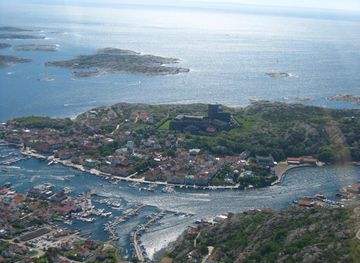
Explore more of Bohuslän
Explore Bohuslän, Sweden's stunning coastal region known for its picturesque islands, rich history, and delectable seafood. A paradise for nature lovers and history enthusiasts.
Explore Bohuslän
Explore more of Sweden
Discover Sweden's breathtaking landscapes, vibrant cities, and rich cultural heritage. From the Northern Lights to historic castles, experience the essence of Scandinavia.
Explore Sweden