

Hoga runsten Travel Guide
Free Guide: Orust's lone Viking runestone: a 3m sentinel from 800 AD amid Iron Age mounds, whispering tales of loss and legacy in Bohuslän's windswept heart.


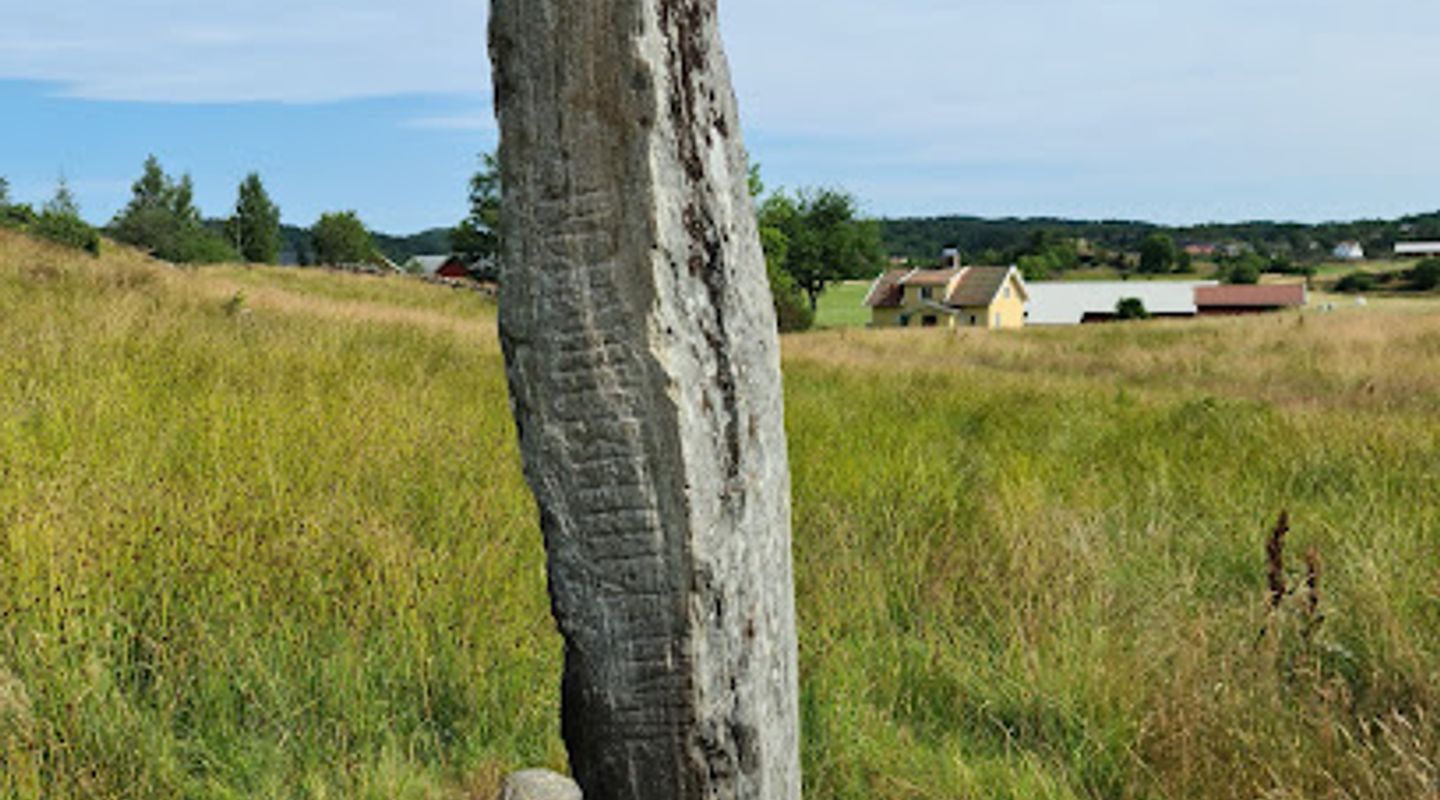
A brief summary of Hoga runsten
Orust's lone Viking runestone: a 3m sentinel from 800 AD amid Iron Age mounds, whispering tales of loss and legacy in Bohuslän's windswept heart.
Hoga Runsten stands as Orust's sole runestone, a towering Viking Age monument from around 800 AD amid ancient burial mounds on Vrälandsslätten. Nearly three meters tall, its 22 runes in older futhark script commemorate a personal loss, marking it as one of just five known prehistoric runestones in Bohuslän. The site blends rugged coastal landscape with deep historical resonance, offering a quiet glimpse into early medieval life.
On-site amenities
 Information boards
 Trash bins
 Seating areas
Opening hours
- Every dayOpen 24 hours
Opening hours as listed on the venue’s Google Business Profile. Hours can change for services and special events, so check with the venue before you go.
- Address
- 472 96 Varekil
- Website
Getting there
Driving
Bus
Biking
Discover more about Hoga runsten
Viking Echoes in Stone
Nearly three meters high, Hoga Runsten rises starkly from the edge of Vrälandsslätten on the Nedre Hoga property in Varekil. Carved around 800 AD at the dawn of the Viking Age, it bears 22 runes in the older futhark alphabet, a simplified 16-rune system that replaced earlier variants. This makes it one of only five known prehistoric runestones in Bohuslän, Orust's unique contribution to Scandinavia's runic heritage.The inscription, read vertically on one short side, tells a poignant tale interpreted by scholars as: "Jo i Å utförde denna sten här på mulen." Jo likely names a person, Å a place, and "mula" refers to a hill or ridge—fitting for this elevated spot. Alternative readings suggest themes of inheritance, with a husband memorializing his wife and child lost in childbirth, claiming rights over their shared "munden," possibly a homestead.
Ancient Layers of Hoga
The name Hoga, meaning "mounds," traces to 1388 but roots in prehistory, perfectly suiting the topography of grave mounds from the Iron Age dotting the area. Archaeological finds span the Stone Age onward, including judge's rings from the older Iron Age. The site's long habitation reflects Orust's enduring human story, from post-Ice Age settlers 11,000 years ago to Viking commemorations.Folklore adds color: locals once called it "Kung Ramunders häll," with 19th-century interpreter Brusewitz reading it as a land claim by Ramunder—"två öresbol vid denna sten äger Ramunder." Though modern linguistics favor memorial interpretations, such tales underscore the stone's mythic pull in Bohuslän tradition.
Runic Craft and Context
Viking runestones typically honor the deceased, name carvers, or boast travels. Hoga's concise text aligns with early forms, predating ornate later examples. Riksantikvarieämbetet dated it to the 9th century by comparing runes to others, confirming its place in the transition from older to younger futhark.Positioned amid Iron Age barrows, it evokes rituals of memory and land. The surrounding plain, once shore during Stone Age, now sits elevated, a testament to land uplift in this Bohuslän coastal realm shaped by glaciers and seas.
Enduring Coastal Monument
Today, Hoga Runsten invites quiet reflection on Viking personal dramas etched in granite. Free to all, it stands accessible year-round, weathering Bohuslän's winds and rains. Amid Orust's archipelago beauty, it contrasts natural drama with human brevity, a rune-etched whisper from 1,200 years past.
Evendo Review Centre
 Google
Guest reviews
Best time to go
Quietest: Jan, Feb & Nov · before 7am or from 8pm
Busy times are Evendo estimates for a typical year, to help you plan. Actual crowds vary with events, school holidays and the weather.
Explore Hoga runsten on the map
A handpicked selection of must-see spots near Hoga runsten, mapped for you.
Get your free copy of our complete guide to Hoga runsten, delivered straight to you.
Everything on this page, from opening hours and how to get there to Eve’s tips and the best time to go, in one PDF you can read offline, print or share.
Already have an account? Sign in
Your Hoga runsten guide is ready.
We'll send it to · Not you? Sign out

Getting your guide ready…
We are putting together a fresh copy of the Hoga runsten guide. This can take up to a minute.
This can take a few moments. If your browser asks, choose Allow so the download can start. You'll find the guide in your Downloads folder.
Nothing happened? Download it again
Sorry, the guide is taking longer than usual. Please try again in a minute, or get it by email instead.
Other nearby places you may find interesting
The closest places of the same kind, if this one is not quite what you had in mind.
-
-
-
-
-


Swipe for more places
More to explore near Hoga runsten

 Best experiences near Hoga runsten
 Best hotels near Hoga runsten
 Best landmarks near Hoga runsten
 Best attractions near Hoga runsten
 Best shops near Hoga runsten
 Best restaurants near Hoga runsten
 Best bars near Hoga runsten
Do you manage this location?
Take control to get all the benefits, like improved information, better appearance, and stronger visibility across AI-powered discovery.
Explore more
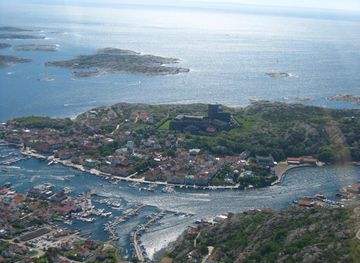
Explore more of Bohuslän
Explore Bohuslän, Sweden's stunning coastal region known for its picturesque islands, rich history, and delectable seafood. A paradise for nature lovers and history enthusiasts.
Explore Bohuslän
Explore more of Sweden
Discover Sweden's breathtaking landscapes, vibrant cities, and rich cultural heritage. From the Northern Lights to historic castles, experience the essence of Scandinavia.
Explore Sweden
