
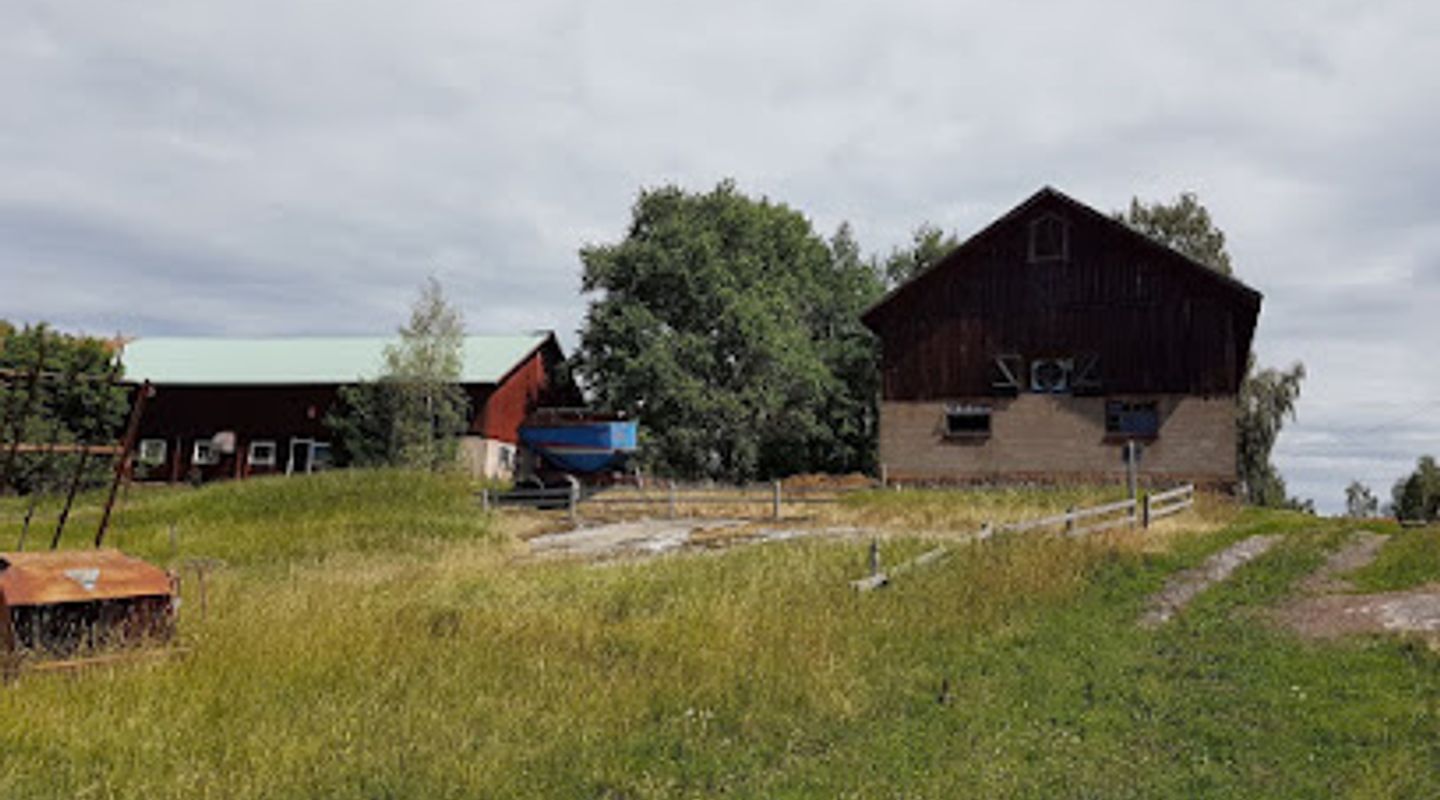
Häljesta Petroglyphs, Dalarna Travel Guide
A compact, tactile Bronze Age rock‑carving site near Köping where ships, animals and cup marks are etched into exposed bedrock.
A broad Bronze Age rock-carving site near Köping, the Häljesta Petroglyphs are a windswept patch of flat rock etched with ships, animals and concentric motifs. Set in mixed woodland and cultivated fields, the panels are spread across a gentle slope and reveal Scandinavian prehistoric symbolism in an intimate, low-key setting that rewards slow study and quiet reflection.
A brief summary to Häljesta Petroglyphs
- Köping, 731 92, SE
- Duration: 0.5 to 2 hours
- Free
-
 Outdoor
- Mobile reception: 4 out of 5

Know before you go
Hi, I'm Eve. Here are a few practical things to know before exploring Häljesta Petroglyphs.
- Wear sturdy shoes for uneven, sometimes slippery rock surfaces and bring a small brush to gently clear lichen from grooves if careful close viewing is needed.
- Respect the panels: avoid walking directly on carved surfaces and do not apply any substances or chalk to enhance visibility.
- Best light for reading shallow carvings is low, oblique daylight—early morning or late afternoon—when shadows accentuate grooves.
Do you manage this location?
Take control to get all the benefits, like improved information, better appearance, and stronger visibility across AI-powered discovery. Learn more about listing your business on Evendo
Activate your presenceOther nearby places you may find interesting
The closest places of the same kind, if this one is not quite what you had in mind.


Explore Häljesta Petroglyphs on the Map
A handpicked selection of must-see spots near Häljesta Petroglyphs, mapped for you.
Getting There
-
By car
Private vehicle is the most practical option from the surrounding region; typical travel time from central Köping is about 10–20 minutes depending on road speed and traffic, with short country lanes near the site; parking is informal and limited adjacent to the field edge, so expect a short walk over uneven ground and no staffed parking facilities.
-
Regional bus plus walk
Local bus services run between Köping and nearby villages; combined travel time including a final walk is typically 25–45 minutes depending on schedule frequencies and season; check local timetables for service days and allow extra time for the last leg on minor roads and a 5–15 minute walk over grass or track.
-
Cycling
Bicycle is a pleasant option from nearby communities: expect a 20–40 minute ride from Köping over quiet country roads and tracks; terrain is gently rolling and suitable for standard touring bikes, but some short stretches may be gravel or soft soil after rain.
For the on-the-go comforts that matter to you
-
 Seating Areas
-
 Information Boards
-
 Trash Bins
Discover more about Häljesta Petroglyphs
Ancestral stone canvas
The Häljesta Petroglyphs occupy an expanse of exposed bedrock where generations of carvers pecked and incised images across centuries, most commonly dated to the Nordic Bronze Age. The motifs—stylised ships, grazing animals, human figures and cup-like hollows surrounded by rings—are examples of the visual vocabulary used by prehistoric communities in this part of Sweden. Weathered yet legible, the shallow hollows and grooves show where tool met stone and where narrative and ritual were once laid out in durable form.Landscape and setting
The carvings sit within a quietly mixed setting of small trees, pasture and cultivated fields that give the panels a semi-rural, intimate feel. Rather than towering cliffs, the petroglyphs are found on horizontal and gently sloping rock surfaces that invite close inspection. From the stone you can sense how the original carvers selected prominent bedrock close to the land they inhabited—visible but sheltered—so the images could be seen against the sky and landscape that contextualised their meaning.What the motifs mean
Interpreting the signs on the rock is an exercise in archaeology and imagination. Ship images often link to seafaring, trade or cosmology; ringed cups and grooves may mark ritual spots, territorial claims, or celestial events; stylised animals and weapons connect to economy and social identity. No single explanation fits every mark, but together the motifs point to a community that used rock as a lasting medium for identity, ritual practice and memory.Material traces and preservation
The carved surfaces are shallow and vulnerable to natural erosion, lichen growth and trampling, which makes their survival precarious despite being robust enough to last millennia. In many panels the grooves have been enhanced with pigments in modern times so shapes read more clearly, a common practice in displays and conservation that aims to balance visibility with respect for the original surface. The site’s rock faces show patina and weathering patterns that reveal a long history of exposure to frost, rain and slow biological colonisation.Visitor experience and atmosphere
Visiting Häljesta is a contemplative experience: there are no dramatic visitor centres or large crowds to interrupt study. You’ll move slowly from panel to panel, reading shallow lines, noting repeated motifs and imagining the rhythm of tool strikes. Birdsong, distant farm sounds and an open sky form the acoustic background; the cool, rough texture of the stone under your fingertips and the fine dust in carved hollows create an immediate, tactile connection with deep time.Context in Swedish rock art tradition
Häljesta sits within a wider Scandinavian tradition of rock engraving that includes major coastal and inland concentrations. While stylistic parallels connect it with other Bronze Age ensembles, the site has its own local layout and emphasis—more low-lying panels and field-edge placements than some coastal rock art zones. As part of Västmanland’s archaeological landscape, Häljesta contributes a regional chapter to northern Europe’s long story of carved stone as durable cultural expression.












Your all‑in‑one travel companion app
Explore expert travel guides, compare and book tours, experiences, hotels, and more—all from the palm of your hand. Download now for seamless trip planning wherever your wanderlust takes you.


Explore More of Dalarna
Looking beyond Häljesta Petroglyphs? Discover Dalarna for broader travel guides, local hot-spots, and regional highlights.
Explore Dalarna
A quietly atmospheric 19th‑century merchant townhouse museum where period rooms, local silver and a photographic archive bring Arboga’s mercantile past to life.
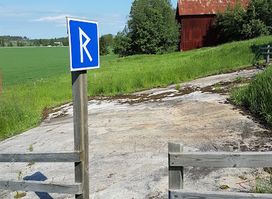
A quietly atmospheric Bronze Age rock-art complex in pink granite—cup marks, boats and human forms set in a changing Mälaren landscape.
