Häljesta Petroglyphs Travel Guide
Free Guide: A quietly atmospheric Bronze Age rock-art complex in pink granite—cup marks, boats and human forms set in a changing Mälaren landscape.


A brief summary of Häljesta Petroglyphs
A quietly atmospheric Bronze Age rock-art complex in pink granite—cup marks, boats and human forms set in a changing Mälaren landscape.
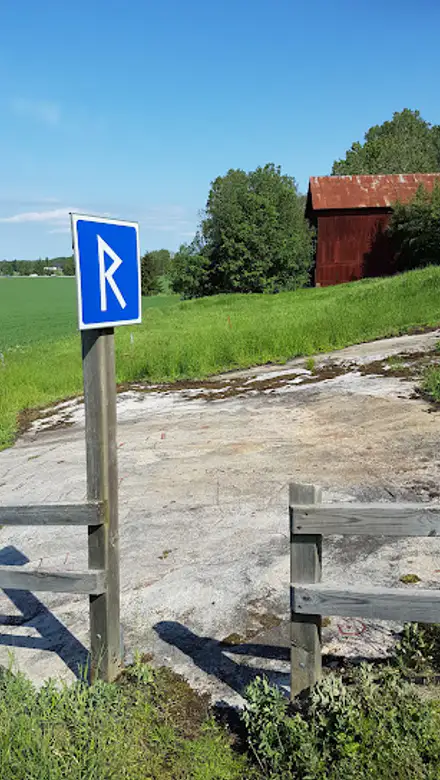
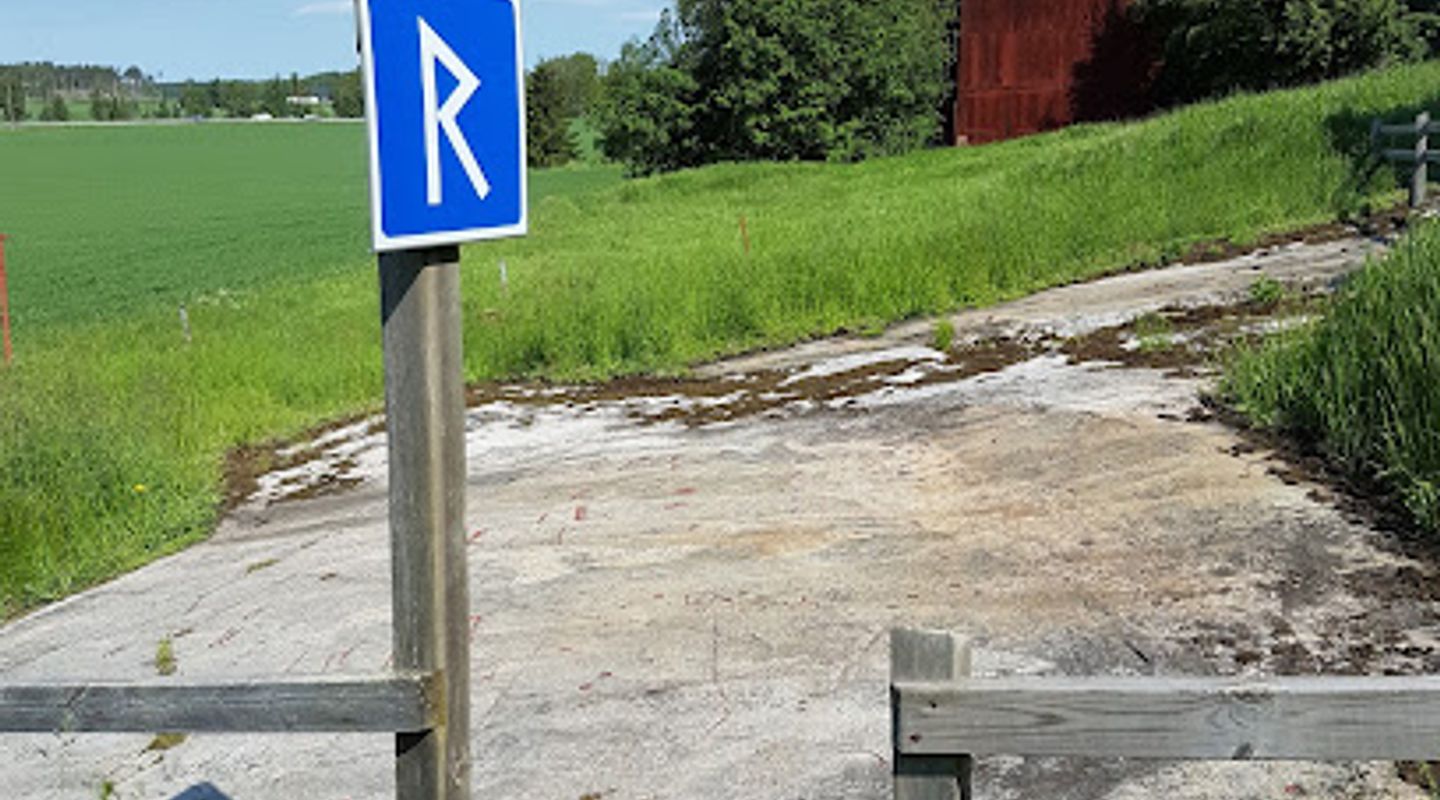
Häljesta Petroglyphs are a spread of Bronze Age rock engravings near Köping, Sweden, carved into pinkish granite outcrops and cup-marked panels. The site contains a dense cluster of motifs — cup marks, boats, animals and human figures — set in a mixed woodland and pasture landscape that reveals changing shorelines and ancient ritual landscapes. Quiet and atmospheric, this archaeological site rewards slow looking and an awareness of texture, scale and seasonality.
On-site amenities
 Seating areas
 Information boards
 Trash bins
- Address
- 731 92 Köping
Getting there
Car (regional drive)
Regional bus + walk
Guided local tour
Discover more about Häljesta Petroglyphs
Earthen stone and Bronze Age marks
Häljesta sits where weathered granite plates rise from a gently rolling terrain, their pale faces scored with shallow hollows and incised figures that date to the Nordic Bronze Age and later prehistory. The petroglyphs are not a single panel but a sequence of carved surfaces: cup marks—small rounded depressions—paired with linear grooves, schematic boats, and occasional anthropomorphic and animal motifs. These marks were created by pounding and pecking the stone, leaving a tactile record of long-vanished hands and ritual attention.
Setting and seasonal character
The carvings are found in a semi-open landscape where scattered trees, scrub and pasture meet the exposed rock. In spring and early summer the low sun plunges into the shallow cups and grooves, throwing the shallow relief into stark relief; in high summer the lichen softens the lines, while frost and winter light can make the motifs read like a map of white against pink granite. The immediate area feels quietly remote; sounds are those of wind through birch and the occasional bird, sharpening the sense of encountering something ancient.
Design language and probable meanings
The imagery follows the broad grammar of Scandinavian rock art: cup marks, concentric rings, ship outlines and schematic humans or animals. These signs are conventionally interpreted by archaeologists as related to ritual, territorial markers or symbolic cosmologies rather than literal illustrations of daily life. On Häljesta the repeated boat forms and cup clusters suggest connections to water, travel and social identity across generations, though the exact meanings remain a matter of scholarly interpretation rather than fixed narrative.
Materiality and conservation notes
The granite here is durable but vulnerable to lichen growth and erosion; the carved lines are shallow and can be masked by vegetation and seasonal growth. The panels are best read close up and in low-angle light. Although many panels are visible without equipment, a hand lens and a calm approach help reveal peck marks and tool traces. The site has a quiet, uncurated feel—there may be modest visitor infrastructure nearby, but the stones themselves require respectful distance to avoid trampling and accidental damage.
How the landscape informs the carvings
Häljesta’s location within the Mälaren basin means the landscape has shifted since the carvings were made: shorelines rose and fell and human use of the land transformed from coastal approaches to inland pasture. This geological and ecological change is legible in the siting of panels on higher, visible rock surfaces that would formerly have been prominent in a marine or lakeside setting. As a result, the petroglyphs read as both images and markers of a landscape in motion.
Visitor experience and reflective moments
Visiting Häljesta is primarily an exercise in attentive looking: moving your eye across faint grooves, counting cup marks, and noting the relationship between motif and stone. The site invites quiet contemplation—pausing to run a gloved finger near (never on) the carvings, listening to the wind and imagining the multiple hands that chipped the rock across centuries. It is the kind of place where small discoveries—an unexpected boat form, a barely visible human figure—reward patience and close inspection.
Evendo Review Centre
 Google
Guest reviews
Best time to go
Quietest: Jan, Feb & Dec · before 7am or from 8pm
Busy times are Evendo estimates for a typical year, to help you plan. Actual crowds vary with events, school holidays and the weather.
Explore Häljesta Petroglyphs on the map
A handpicked selection of must-see spots near Häljesta Petroglyphs, mapped for you.
Get your free copy of our complete guide to Häljesta Petroglyphs, delivered straight to you.
Everything on this page, from opening hours and how to get there to Eve’s tips and the best time to go, in one PDF you can read offline, print or share.
Already have an account? Sign in
Your Häljesta Petroglyphs guide is ready.
We'll send it to · Not you? Sign out

Getting your guide ready…
We are putting together a fresh copy of the Häljesta Petroglyphs guide. This can take up to a minute.
This can take a few moments. If your browser asks, choose Allow so the download can start. You'll find the guide in your Downloads folder.
Nothing happened? Download it again
Sorry, the guide is taking longer than usual. Please try again in a minute, or get it by email instead.
Other nearby places you may find interesting
The closest places of the same kind, if this one is not quite what you had in mind.
-
-
-
-
-


Swipe for more places
More to explore near Häljesta Petroglyphs

 Best experiences near Häljesta Petroglyphs
 Best hotels near Häljesta Petroglyphs
 Best landmarks near Häljesta Petroglyphs
 Best attractions near Häljesta Petroglyphs
 Best shops near Häljesta Petroglyphs
 Best restaurants near Häljesta Petroglyphs
 Best bars near Häljesta Petroglyphs
Do you manage this location?
Take control to get all the benefits, like improved information, better appearance, and stronger visibility across AI-powered discovery.
Explore more

Explore more of Småland
Experience the natural beauty, rich history, and cultural charm of Småland, a picturesque region in southern Sweden perfect for outdoor adventures and family-friendly activities.
Explore Småland
Explore more of Sweden
Discover Sweden's breathtaking landscapes, vibrant cities, and rich cultural heritage. From the Northern Lights to historic castles, experience the essence of Scandinavia.
Explore Sweden