
Hamra National Park, Dalarna Travel Guide
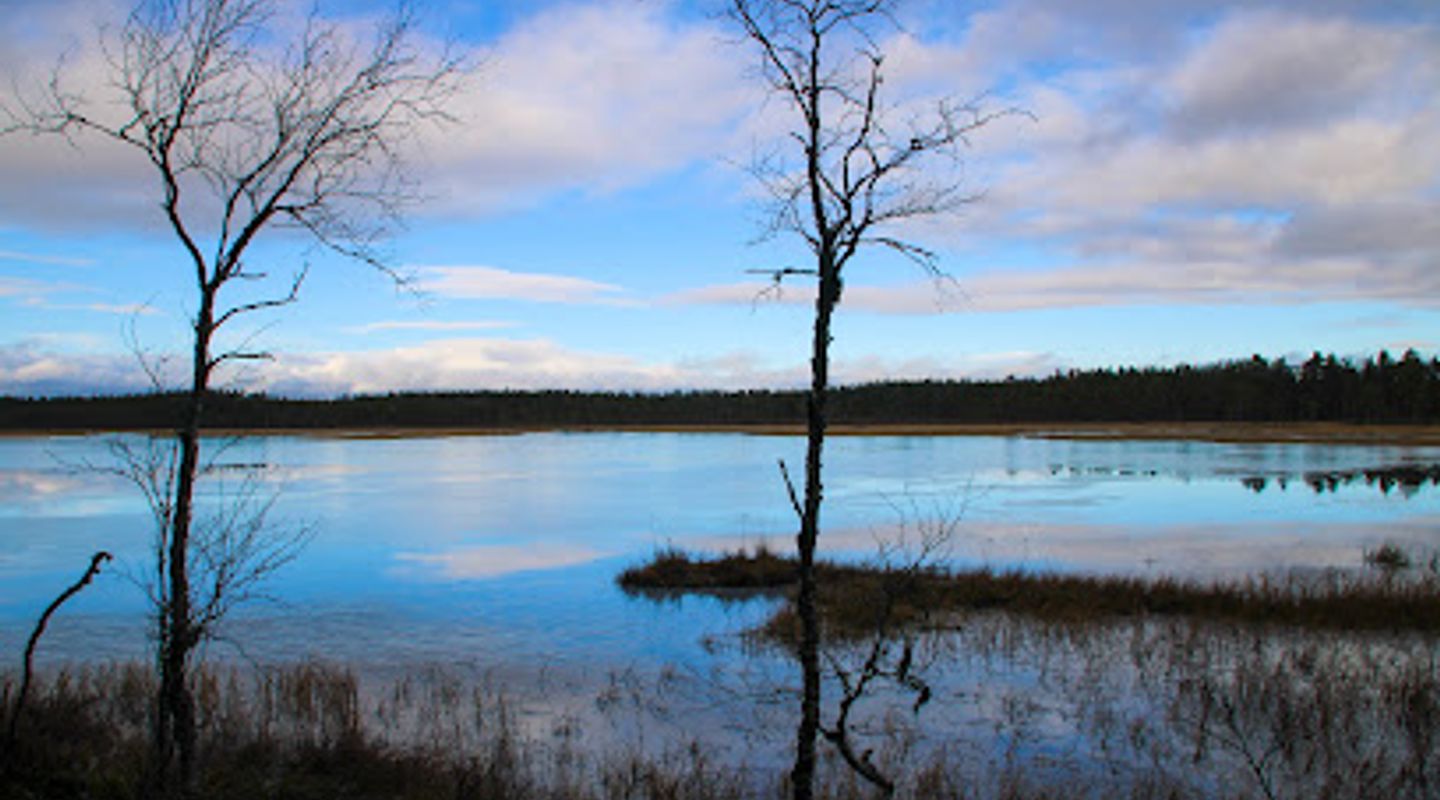
A preserved pocket of ancient conifer forest and peat bogs — compact, wild and rich in deadwood habitats and wetland panoramas.
Hamra National Park is a compact, timeless patch of mid‑boreal wilderness in central Sweden where ancient conifer forests meet extensive bogs and small lakes. Established in 1909 and significantly expanded in 2011, the park preserves virgin woodland, abundant deadwood habitats and a mosaic of marsh, spruce- and pine‑dominated forest. Trails and boardwalks lead to lookouts and a handful of shelters; wildlife traces — from beetles to moose and bear signs — punctuate the quiet landscape.
A brief summary to Hamra National Park
- Los, 820 50, SE
- Click to display
- Click to display
- Duration: 0.5 to 6 hours
- Free
-
 Outdoor
- Mobile reception: 3 out of 5

Know before you go
Hi, I'm Eve. Here are a few practical things to know before exploring Hamra National Park.
- Bring waterproof footwear: many trails cross boggy ground and boardwalks can be wet and slippery.
- Carry insect repellent in summer; mosquitoes and biting flies can be abundant near wetlands.
- Respect wildlife by keeping noise low and observing tracks and signs rather than attempting to approach animals.
- Pack out all waste and stick to marked trails and boardwalks to protect delicate peat and ground vegetation.
Do you manage this location?
Take control to get all the benefits, like improved information, better appearance, and stronger visibility across AI-powered discovery. Learn more about listing your business on Evendo
Activate your presenceOther nearby places you may find interesting
The closest places of the same kind, if this one is not quite what you had in mind.


Explore Hamra National Park on the Map
A handpicked selection of must-see spots near Hamra National Park, mapped for you.
Getting There
-
Car
Drive from the nearest regional centre by car: typical travel times from nearby towns are 40–90 minutes depending on the starting point; gravel approach roads may have potholes and parking is limited to small lots near trailheads, with no staffed parking facility and free access. Seasonal winter conditions can make gravel roads slippery; high‑clearance vehicles are useful in heavy snow.
-
Regional bus + walk
Use scheduled regional bus services to the Ljusdal/Los area (journey times vary by origin, typically 60–180 minutes from larger towns); from the nearest bus stop allow a walk of 1–3 km over gravel tracks and forest paths to reach the main trailheads — service frequency is limited on weekends and in low season, and walking routes include uneven or wet terrain so plan additional time.
-
Guided shuttle or local taxi
Arrange a local taxi or seasonal shuttle from nearby villages for flexible drop‑off at the park entrance: typical transfer times from local villages 15–45 minutes; fares depend on operator and distance but expect modest regional taxi rates; availability can be limited outside peak season so book ahead.
For the on-the-go comforts that matter to you
-
 Restrooms
-
 Seating Areas
-
 Sheltered Areas
-
 Trash Bins
-
 Information Boards
Discover more about Hamra National Park
A pocket of primeval forest and peatland
Hamra preserves one of central Sweden’s rare areas of forest that has escaped sustained commercial logging: the older sections retain standing deadwood, fallen trunks and a dense understory of mosses and lichens that together create a classic ‘bearded’ forest character. Interspersed with these woodlands are wide peat bogs, shallow lakes and wet rivulets; the result is a mosaic of habitat types in a surprisingly small area that supports species associated with undisturbed northern forests.A short history of protection and enlargement
Originally set aside in 1909 as one of Sweden’s earliest national parks, Hamra was a modest reserve that later grew to include adjacent wetlands and forest patches. This enlargement broadened the park’s ecological range and reinforced its role as a refuge for deadwood‑dependent insects and bog specialists. The long continuity of forest processes here is evident in the abundance of veteran trees, a natural fire history recorded in old trunks, and the slow accumulation of peat in the mires.Trails, lookouts and the walking experience
Footpaths are the park’s primary infrastructure: short loop trails and longer waymarked routes lead visitors across boardwalks and through hummocky ground to small viewing platforms or lakeside vantage points. Surfaces range from sturdy planks over wet sections to uneven forest floor and rocky stretches, so waterproof footwear and steady footing are useful. Several established routes let you tailor a visit from a quick 40–90 minute loop to a full‑day traverse that showcases forest, marsh and open water.Wildlife, fungi and the small wonders
Hamra’s mix of old trees and wetland supports a rich assemblage of species that thrive on decay and solitude: wood‑loving beetles and fungi flourish in the abundant deadwood, while birds such as woodpeckers, grouse and wetland waders use the different habitats. Large mammals — moose and small populations of carnivores — move through the park’s cover; traces such as excavated anthills, tracks and droppings are often more evident than the animals themselves. In summer you’ll also notice dense insect life, from dragonflies over ponds to the smaller beetle specialists in mossy trunks.Sensory character and seasonal moods
The park’s character changes through the year: a slow palette of mossy greens and the hush of needles in summer; a berry‑studded understory and golden light in autumn; crisp, stark silhouettes and quivering birch catkins in winter; and, in spring, a soggy thaw that transforms boardwalks into necessary passageways. Sound is important here — wind through conifers, the drip of peat water, the distant call of a black‑throated diver or the clack of a woodpecker are the park’s quiet soundtrack.What to expect from a visit
Expect a contained but varied wilderness experience: compact in extent yet rich in old‑growth features and wetland panoramas. Facilities are minimal and focus on enabling low‑impact access — short boardwalks, lookout platforms and a few shelters or simple rest points rather than developed visitor centres. The landscape rewards slow observation: close inspection of deadwood, careful listening for birds and an eye for the many small, easily missed indicators of an ancient forest ecosystem.












Your all‑in‑one travel companion app
Explore expert travel guides, compare and book tours, experiences, hotels, and more—all from the palm of your hand. Download now for seamless trip planning wherever your wanderlust takes you.


Explore More of Dalarna
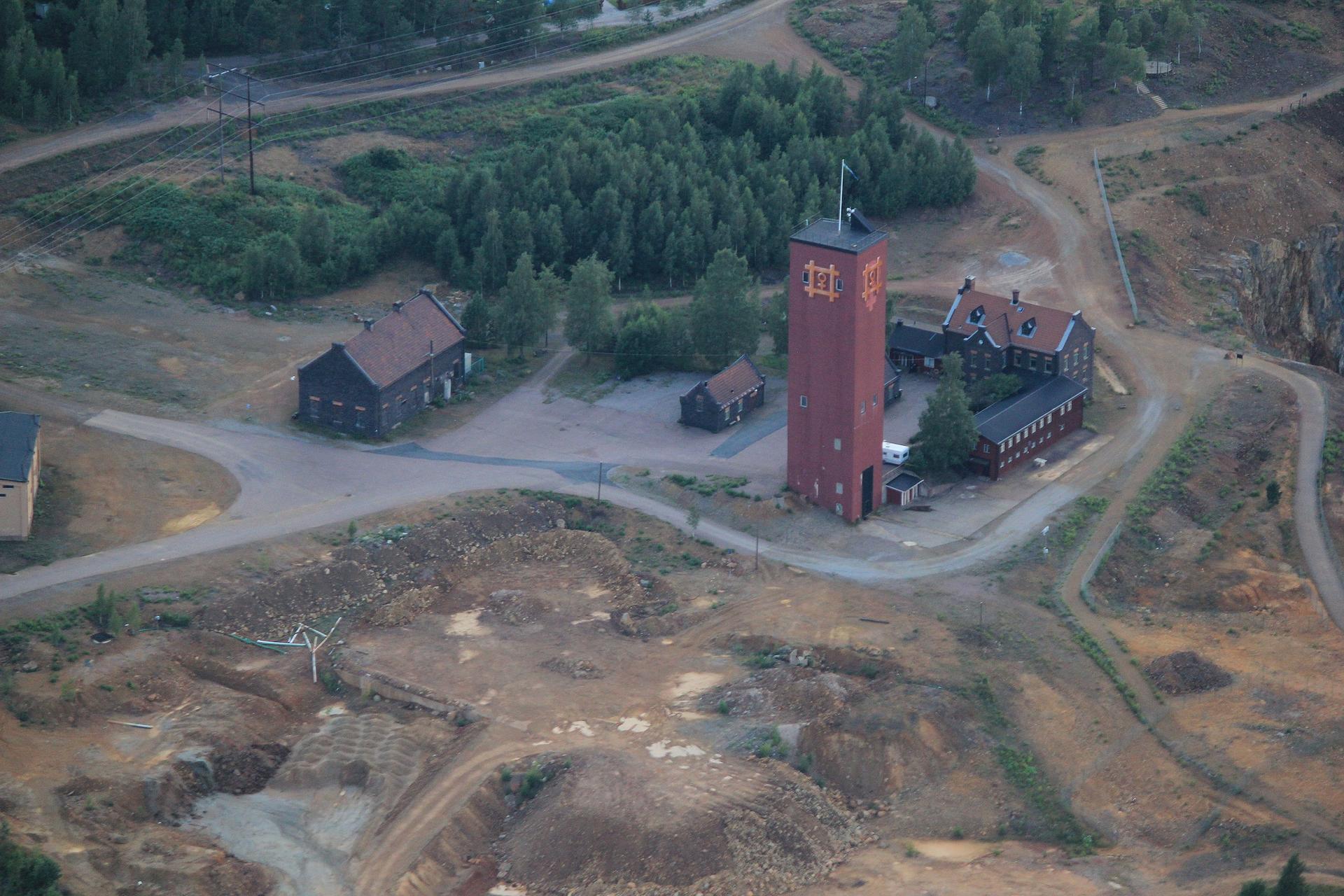
Looking beyond Hamra National Park? Discover Dalarna for broader travel guides, local hot-spots, and regional highlights.
Explore Dalarna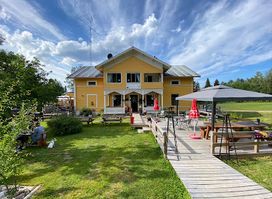
Immerse in Hälsingland's wild heart: spot bears and moose from riverside hides at this serene camp, blending adventure, fishing, and cozy stays amid pristine forests.
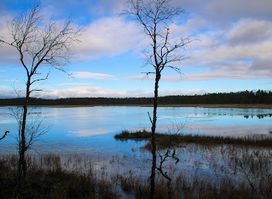
Ancient spruce, extensive bogs and raised boardwalks — Hamra is a compact, atmospheric slice of Sweden’s old-growth boreal landscape.
