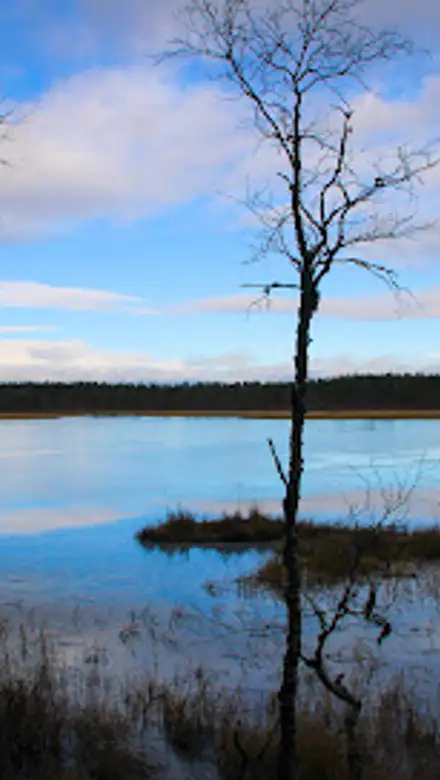
Hamra National Park Travel Guide
Free Guide: Ancient spruce, extensive bogs and raised boardwalks — Hamra is a compact, atmospheric slice of Sweden’s old-growth boreal landscape.


A brief summary of Hamra National Park
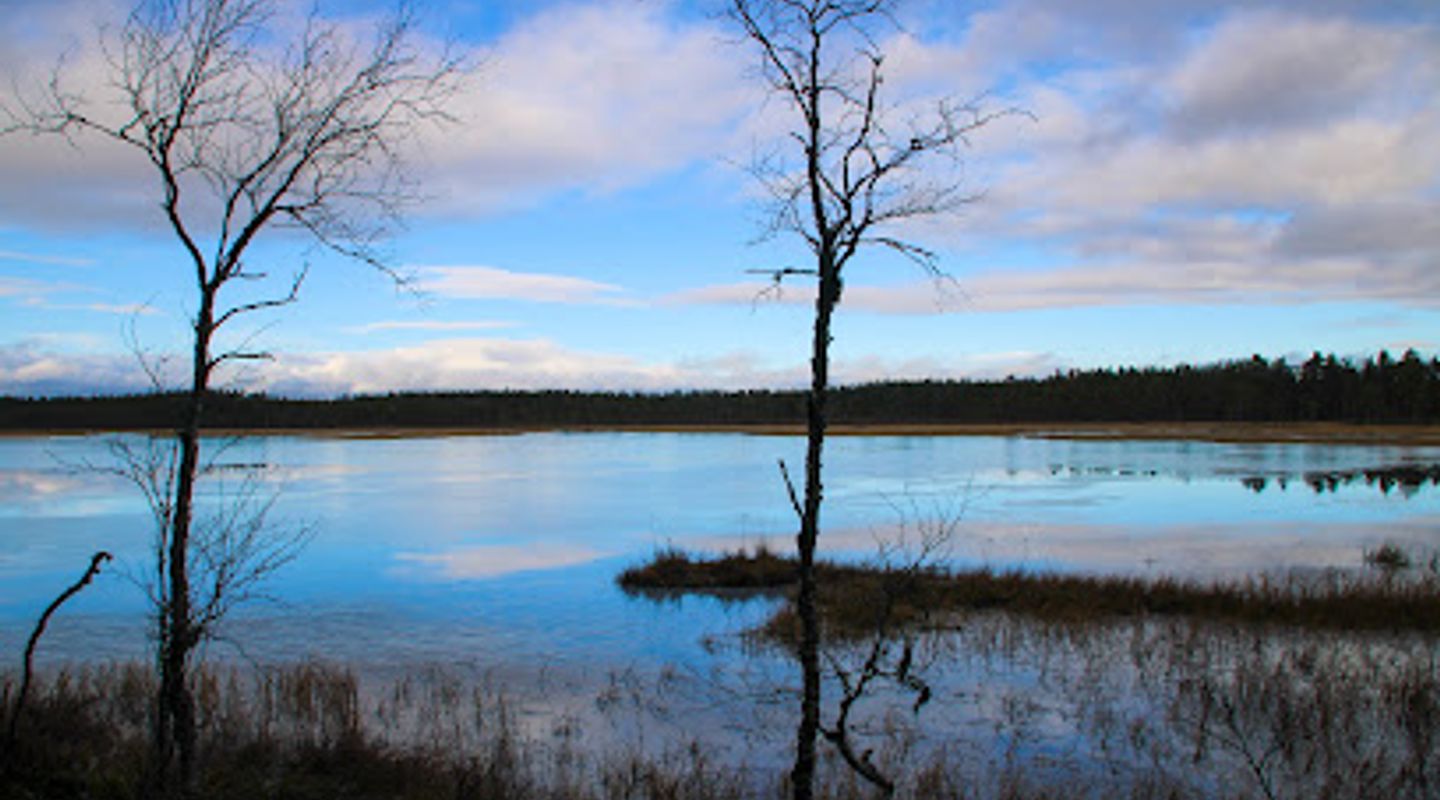
Ancient spruce, extensive bogs and raised boardwalks — Hamra is a compact, atmospheric slice of Sweden’s old-growth boreal landscape.
Hamra National Park is a compact, atmospheric swathe of ancient boreal forest, wetlands and winding streams in central Sweden, protected since 1909 and extended in 2011 to include expansive mires and old-growth spruce where lichens, polypores and veteran trees host a rich web of life. Wooden boardwalks, observation towers and quiet viewpoints let you explore varied loops from short accessible bog walks to longer trails that push into primeval forest and panoramic marshland.
On-site amenities
 Restrooms
 Seating areas
 Sheltered areas
 Trash bins
 Information boards
Opening hours
- Every dayOpen 24 hours
Opening hours as listed on the venue’s Google Business Profile. Hours can change for services and special events, so check with the venue before you go.
- Address
- 820 50 Los
- Phone
- Website
Getting there
By car from regional centres
Local bus and short walk
Guided nature excursions
Discover more about Hamra National Park
A pocket of primeval forest and peatland
Hamra is a concentrated example of mid-boreal wilderness: dense spruce and pine stands, scattered veteran trees and interlocking bogs that together create a mosaic of habitats. The park preserves fragments of a forest landscape once common in central Sweden; many trunks are covered in hanging lichens and mosses, and fallen timber supports a profusion of bracket fungi and specialist beetles. Wet hollows and mires spread like dark mirrors between hummocks of heather and crowberry, producing a hush that changes only with birdsong and the whisper of wind through needles.
Trails, boardwalks and vantage points
A network of marked loops threads through the park so you can sample different ecosystems without straying: shorter accessible paths skirt the bogs on raised planks, while longer routes lead deeper into old-growth forest and past streams and rapids. Where the wetland widens, lookout platforms and an observation tower give broad views over peatland and marsh — excellent places to pause, scan for waders and waterfowl, and feel the open scale of the landscape. In spring and early summer the boardwalks keep your feet dry; at peak insect season a good head net and repellent are useful companions.
Seasons and sensory changes
Hamra’s character shifts dramatically through the year. In high summer the bogs glow with sedges and orchids and the air hums with insects; autumn brings crisp air and russet hues on the undergrowth; winter strips the woodlands to a monochrome of trunks and snow-clad branches, while the silence becomes crystalline. Migratory birds use the wet meadows during spring and autumn passage, and early mornings often reward visitors with mist hanging over still water and a heightened sense of solitude.
Wildlife, fungi and living deadwood
The park’s long continuity of forest and its retained deadwood make it a stronghold for species that depend on old-growth conditions: woodpeckers, owls and a rich invertebrate fauna, plus an impressive variety of fungi and lichens. Dead and decaying trees are treated as part of the living system here, providing food and shelter for saproxylic organisms. Tracks and signs of larger mammals are visible at times, and the surrounding landscape supports typical Scandinavian fauna including moose and smaller forest mammals.
Cultural touches and conservation story
Hamra was one of Sweden’s earliest national parks, created to protect a remnant of untouched forest; later enlargements expanded protection to include surrounding bogs and streams. Scattered human traces — old charcoal sites, remnant forestry tracks and occasional signs describing nature processes — emphasise that the park preserves both natural and cultural layers. Management focuses on maintaining the mosaic of wetland and woodland while allowing natural processes such as decomposition and natural fire dynamics to benefit biodiversity.
Visitor experience and practical character
Visits here feel quietly immersive rather than theatrical: well-made entrances and interpretation points frame routes but much of the park invites slow observation. Trails range from short, stroller- and wheelchair-friendly boardwalks around the bog edge to more demanding hikes across uneven forest ground and raised footbridges. Facilities are deliberate and low-key, aimed at allowing the landscape to be experienced with minimal footprint while still offering resting spots and viewpoints for contemplation.
Evendo Review Centre
 Google
Guest reviews
Best time to go
Quietest: Jan, Feb & Nov · before 6am or at 9pm
Busy times are Evendo estimates for a typical year, to help you plan. Actual crowds vary with events, school holidays and the weather.
Explore Hamra National Park on the map
A handpicked selection of must-see spots near Hamra National Park, mapped for you.
Get your free copy of our complete guide to Hamra National Park, delivered straight to you.
Everything on this page, from opening hours and how to get there to Eve’s tips and the best time to go, in one PDF you can read offline, print or share.
Already have an account? Sign in
Your Hamra National Park guide is ready.
We'll send it to · Not you? Sign out

Getting your guide ready…
We are putting together a fresh copy of the Hamra National Park guide. This can take up to a minute.
This can take a few moments. If your browser asks, choose Allow so the download can start. You'll find the guide in your Downloads folder.
Nothing happened? Download it again
Sorry, the guide is taking longer than usual. Please try again in a minute, or get it by email instead.
Other nearby places you may find interesting
The closest places of the same kind, if this one is not quite what you had in mind.
-
-
-
-
-


Swipe for more places
More to explore near Hamra National Park

 Best experiences near Hamra National Park
 Best hotels near Hamra National Park
 Best landmarks near Hamra National Park
 Best attractions near Hamra National Park
 Best shops near Hamra National Park
 Best restaurants near Hamra National Park
 Best bars near Hamra National Park
Do you manage this location?
Take control to get all the benefits, like improved information, better appearance, and stronger visibility across AI-powered discovery.
Explore more

Explore more of Jämtland
Explore Jämtland: A Swedish gem where natural beauty, outdoor adventure, and rich cultural heritage blend seamlessly.
Explore Jämtland
Explore more of Sweden
Discover Sweden's breathtaking landscapes, vibrant cities, and rich cultural heritage. From the Northern Lights to historic castles, experience the essence of Scandinavia.
Explore Sweden