
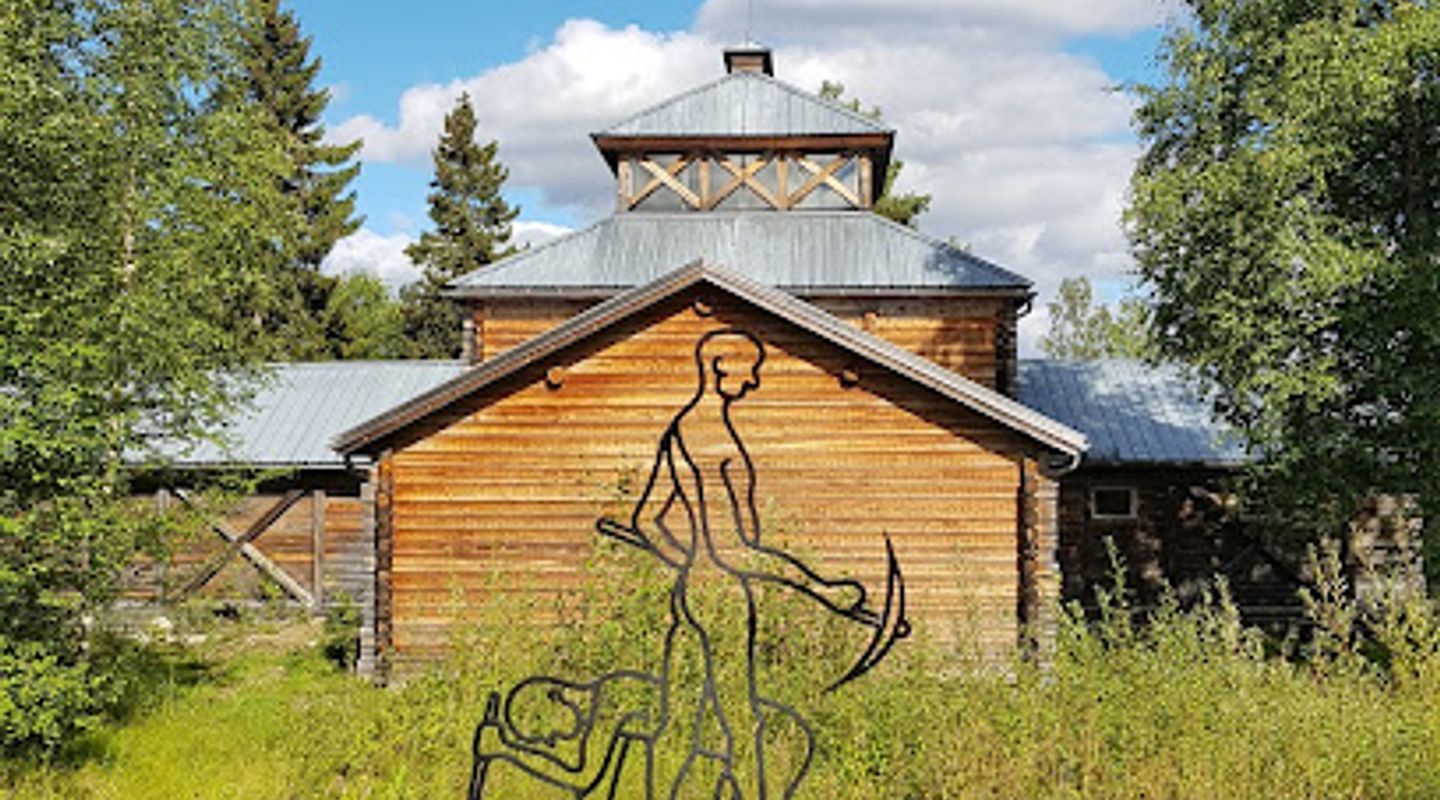
Loos Cobalt Mine, Dalarna Travel Guide
Descend into 18th-century tunnels where cobalt fueled Europe's blue revolution and nickel was born—Sweden's underground alchemy unveiled.
Step into Sweden's historic Loos Cobalt Mine, where 18th-century industrial pioneers extracted vibrant blue pigment and chemist Axel Fredrik Cronstedt discovered nickel in 1751. Explore timber-lined tunnels on guided tours, view mineral displays, and uncover the story of cobalt's role in European ceramics and glassmaking. This underground adventure reveals a pivotal chapter in mining history amid idyllic Swedish wilderness.
A brief summary to Loos Cobalt Mine
- Pokerbacken 17, Los, 827 70, SE
- Click to display
- Click to display
- Duration: 0.75 to 1.5 hours
- Budget
-
 Mixed
Mixed
- Mobile reception: 4 out of 5
- Monday 10 am-5 pm
- Tuesday 10 am-5 pm
- Wednesday 10 am-5 pm
- Thursday 10 am-5 pm
- Friday 10 am-5 pm
- Saturday 10 am-5 pm
- Sunday 10 am-5 pm

Know before you go
Hi, I'm Eve. Here are a few practical things to know before exploring Loos Cobalt Mine.
- Dress in warm layers and sturdy shoes; underground temperatures hover around 8°C (46°F) year-round with damp stone steps.
- Book guided tours in advance outside peak hours, as groups are limited for safety in the narrow passages.
- Children over 7 enjoy the adventure most; under 7s pay a small fee but must stay close on the tour.
- Pick up a Loos whetstone in the gift shop—handcrafted locally for sharpening tools with fine Swedish grit.
Do you manage this location?
Take control to get all the benefits, like improved information, better appearance, and stronger visibility across AI-powered discovery. Learn more about listing your business on Evendo
Activate your presenceOther nearby places you may find interesting
The closest places of the same kind, if this one is not quite what you had in mind.

Explore Loos Cobalt Mine on the Map
A handpicked selection of must-see spots near Loos Cobalt Mine, mapped for you.
Getting There
-
Driving
Drive from Ljusdal, 45km south, via Route 83 north then local roads to Pokerbacken; 45-55 minutes. Free parking on-site, ample spaces but gravel surface may be uneven in wet weather.
-
Bus
Take Länstrafiken bus 424/425 from Ljusdal station to Los centrum stop, then 25-minute walk uphill on paved and gravel paths; buses run hourly weekdays, 80-120 SEK round-trip, less frequent weekends.
-
Taxi
Taxi from Ljusdal or Sveg, 40-50 minutes depending on origin; 800-1200 SEK one-way, book via local apps or phone, reliable but pricier for groups.
For the on-the-go comforts that matter to you
-
 Restrooms
-
 Drink Options
-
 Food Options
-
 Seating Areas
-
 Information Boards
-
 Trash Bins
Discover more about Loos Cobalt Mine
Birth of a Cobalt Empire
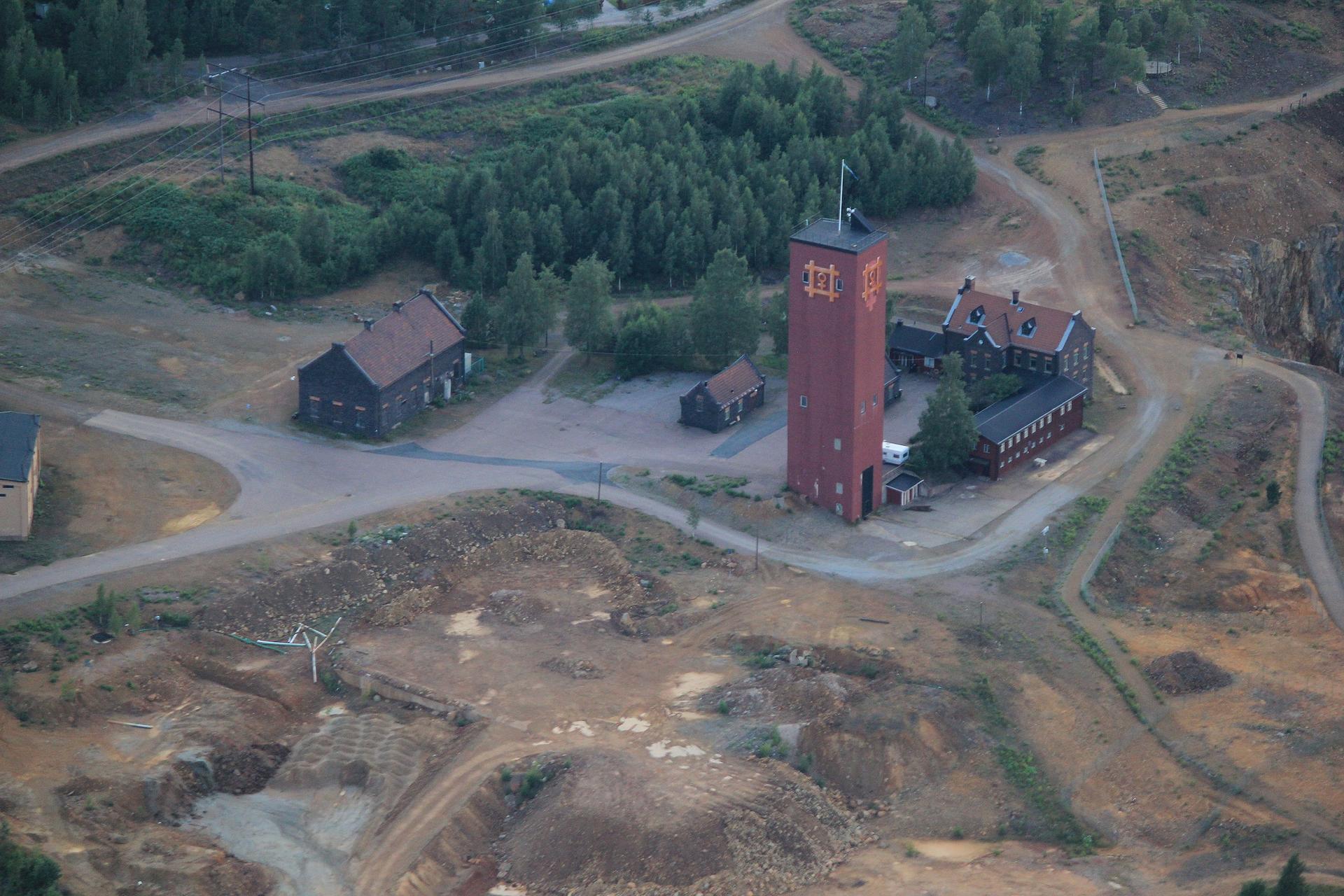
In the 1730s, assessor Henric Kalmeter acquired mining rights in the quiet village of Los, initially hunting for copper and bismuth. What he unearthed instead was a rich vein of cobalt ore, prized across Europe for its intense blue pigment used in ceramics, enamels, and glass. By 1745, Kalmeter had built a mill to grind the ore locally, employing up to 160 workers and exporting the coveted cobalt blue far and wide.The operation transformed this remote spot in Gävleborg County into a bustling hub of 18th-century industry, bridging Sweden's natural resources with artistic demands abroad.Nickel's Dramatic Discovery
The mine's legacy peaked in 1751 when Baron Axel Fredrik Cronstedt analyzed ore samples from Loos and isolated nickel, a previously unknown element. This breakthrough, born from the mine's depths, marked a milestone in chemistry and metallurgy.Cronstedt's work highlighted the site's scientific significance, drawing attention from scholars while the mine continued producing pigment until depleting reserves forced closure in 1773 after four decades of activity.Revival from the Depths
Abandoned for over two centuries, the mine lay silent until 1989, when local volunteers formed Loosgrufvan. They pumped out millions of liters of water, cleared debris, and restored tunnels through 7,000 hours of unpaid labor.Opened to the public in 1992, it now offers immersive tours descending timber staircases into rock-cut passages, following ancient ore veins. The site's main shaft, Lovisa, plunges over 40 meters, though tours explore about half that depth.Underground Marvels and Exhibits
Visitors begin with an introductory film, then venture underground to caverns showcasing mineral specimens, historical tools, and glassware colored by Loos cobalt. Displays chronicle Kalmeter's enterprise, worker hardships, and the failed glassworks attempt post-closure.Peer into flooded lower levels, feeling the chill damp air and hearing echoes of picks on stone, evoking the miners' perilous labor in dim lantern light.Legacy in Stone and Craft
Beyond cobalt, Los boasts a tradition of whetstone production from local shale, still crafted today by artisans Dick and Conny Persson. These 'Loosflaskan' stones, sold in the mine's gift shop, connect past quarrying to present-day heritage.Surrounded by varied bedrock and wilderness, the site blends industrial history with natural beauty, standing as a testament to human ingenuity in harnessing the earth's hidden treasures.Enduring Industrial Spirit
Today, Loos Cobalt Mine preserves an authentic slice of Sweden's mining past, where innovation met raw geology. Its tunnels whisper stories of pigment that tinted royal wares and elements that reshaped science, inviting exploration of a bygone era's grit and glory.












Your all‑in‑one travel companion app
Explore expert travel guides, compare and book tours, experiences, hotels, and more—all from the palm of your hand. Download now for seamless trip planning wherever your wanderlust takes you.


Explore More of Dalarna
Looking beyond Loos Cobalt Mine? Discover Dalarna for broader travel guides, local hot-spots, and regional highlights.
Explore Dalarna
A compact, easily reached viewpoint above Järvsö with open panoramas over the Ljusnan valley — accessible, year-round and ideal for short photo stops or a quiet picnic.
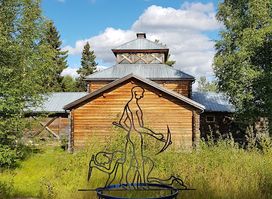
A compact, atmospheric 18th‑century cobalt mine where nickel was first recognised and miners’ tunnels become a living industrial museum.
