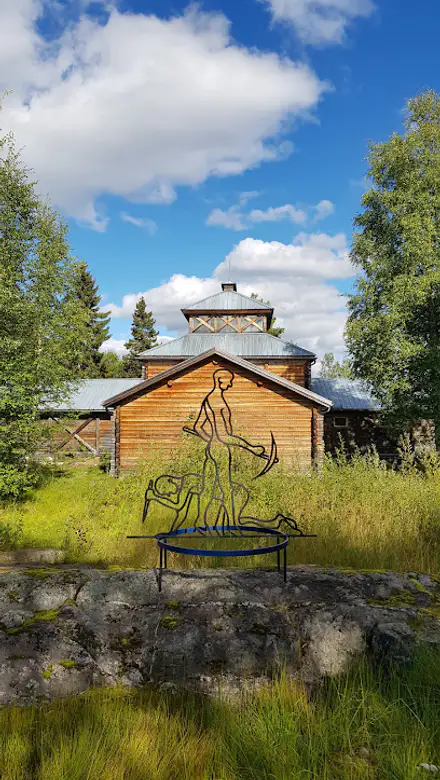
Loos Cobalt Mine Travel Guide
Free Guide: A compact, atmospheric 18th‑century cobalt mine where nickel was first recognised and miners’ tunnels become a living industrial museum.


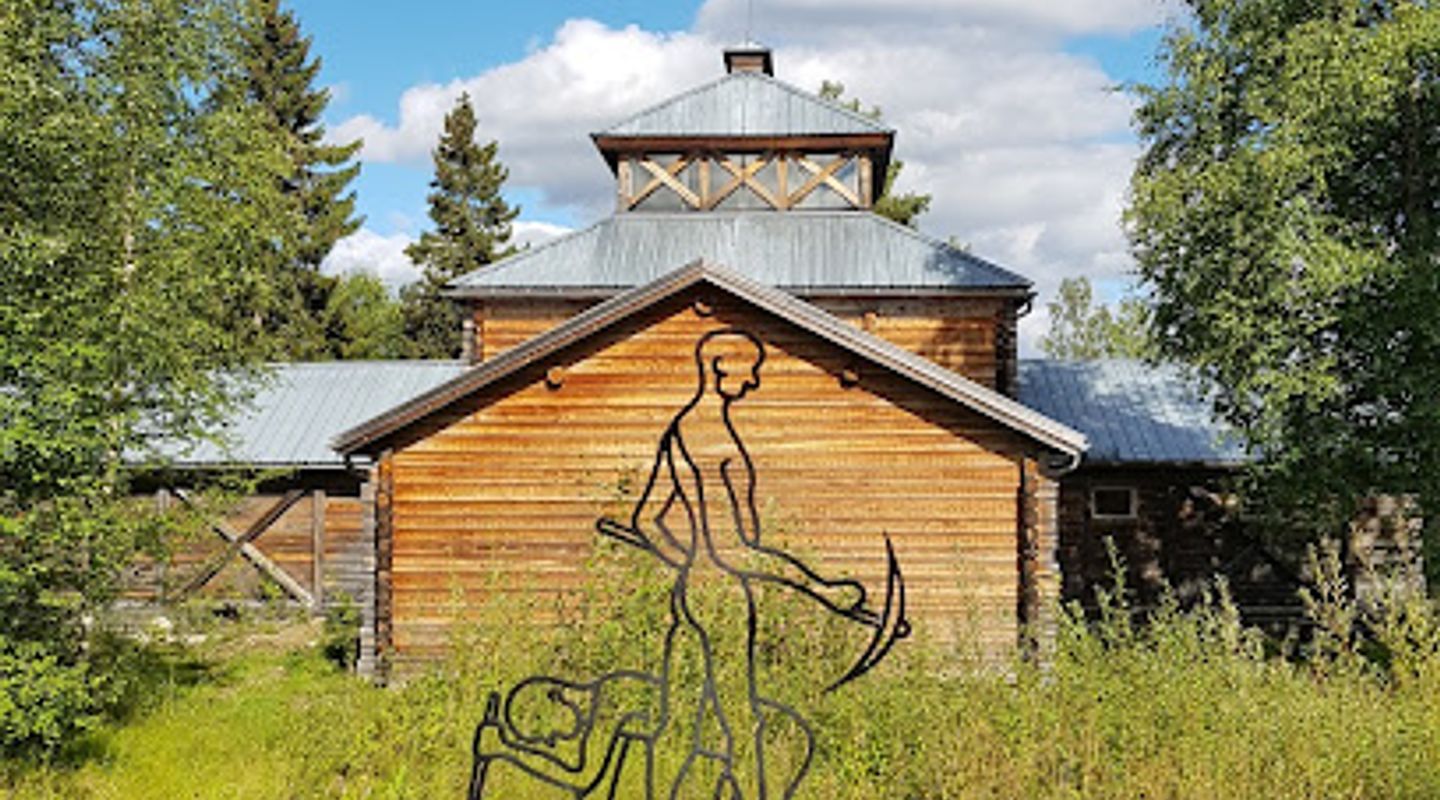
A brief summary of Loos Cobalt Mine
A compact, atmospheric 18th‑century cobalt mine where nickel was first recognised and miners’ tunnels become a living industrial museum.
An 18th‑century cobalt mine turned living industrial museum in the village of Los, where miners and chemists once extracted cobalt blue pigment and where Axel Fredrik Cronstedt identified nickel in 1751. The site combines a compact visitor centre, a short introductory film and an accessible guided descent into timbered rock tunnels and caverns that hint at the original workings. Exhibits, minerals and a small shop make this a focused, atmospheric stop for history and geology fans.
On-site amenities
 Restrooms
 Drink options
 Food options
 Seating areas
 Information boards
 Visitor centre
Opening hours
- Every day10 am–5 pm
Opening hours as listed on the venue’s Google Business Profile. Hours can change for services and special events, so check with the venue before you go.
- Address
- Pokerbacken 17, 827 70 Los
- Phone
- Website
Getting there
By car
Regional bus + short walk
Guided tour shuttle or organised group
Discover more about Loos Cobalt Mine
Early industry and a scientific footnote
Loos Cobalt Mine began as an 18th‑century industrial venture centred on the search for copper and other useful ores; its operators discovered economically valuable cobalt that was ground into the vivid blue pigment prized for ceramics and glass. During assays of ore from Loos in 1751, the chemist Axel Fredrik Cronstedt isolated a previously unknown element that we now call nickel, giving the site a small but enduring place in the history of chemistry.
What remains underground
The visitor experience is compact yet immersive: after a short film in the surface building, guided groups descend timber stairways and follow rock‑cut passages that expose ore veins, old stopes and cavernous chambers. Wooden supports, carved rock walls and dimly lit alcoves map the mine’s working methods; at several points you can look down into deeper, water‑filled shafts that hint at the full vertical scale of the original operation.
Tools, glass and the pigment trade
Above ground a small exhibition displays mining tools, samples of cobalt‑bearing ore and examples of the cobalt blue glass and enamelware once produced or coloured with pigment from Loos. Interpretive panels trace the site’s short industrial heyday, the attempts to establish complementary crafts such as glassworks nearby, and the later decline when richer veins were absent. The physical objects—iron implements darkened by use, grinding stones and sample bottles of pigment—give the site a tactile immediacy.
Community revival and volunteer stewardship
After decades of abandonment the mine was cleared, pumped and stabilised by volunteers late in the 20th century and reopened for public tours. That volunteer energy shaped the present visitor site: many of the timber walkways and interpretive installations reflect community labour and local commitment to preserving industrial heritage. The result is a place that feels handcrafted rather than polished—authentic, personable and direct.
Sensory character of the visit
Underground the air cools and the light softens; footsteps echo on timber and stone and the smell of damp rock and old timber is constant. The surface centre adds contrast: the warm hum of film narration, cases of crystalline minerals catching daylight and the quieter domestic rhythm of a village gift shop stocking locally made whetstones and pamphlets that continue the story.
Who will enjoy Loos
Loos Cobalt Mine suits visitors curious about industrial archaeology, early chemistry or small‑scale regional history, as well as families looking for a short, tangible museum experience. The guided tour is concise and focused: it frames technical detail in clear language while leaving space for impression—how pigment shaped crafts, how miners read veins, and how a tiny village retained a scientific connection through a single mineral discovery.
Evendo Review Centre
 Google
Guest reviews
Best time to go
Quietest: Jan, Feb & Dec · before 8am or from 7pm
Busy times are Evendo estimates for a typical year, to help you plan. Actual crowds vary with events, school holidays and the weather.
Explore Loos Cobalt Mine on the map
A handpicked selection of must-see spots near Loos Cobalt Mine, mapped for you.
Get your free copy of our complete guide to Loos Cobalt Mine, delivered straight to you.
Everything on this page, from opening hours and how to get there to Eve’s tips and the best time to go, in one PDF you can read offline, print or share.
Already have an account? Sign in
Your Loos Cobalt Mine guide is ready.
We'll send it to · Not you? Sign out

Getting your guide ready…
We are putting together a fresh copy of the Loos Cobalt Mine guide. This can take up to a minute.
This can take a few moments. If your browser asks, choose Allow so the download can start. You'll find the guide in your Downloads folder.
Nothing happened? Download it again
Sorry, the guide is taking longer than usual. Please try again in a minute, or get it by email instead.
Other nearby places you may find interesting
The closest places of the same kind, if this one is not quite what you had in mind.
-
-
-
-
-


Swipe for more places
More to explore near Loos Cobalt Mine

 Best experiences near Loos Cobalt Mine
 Best hotels near Loos Cobalt Mine
 Best landmarks near Loos Cobalt Mine
 Best attractions near Loos Cobalt Mine
 Best shops near Loos Cobalt Mine
 Best restaurants near Loos Cobalt Mine
 Best bars near Loos Cobalt Mine
Do you manage this location?
Take control to get all the benefits, like improved information, better appearance, and stronger visibility across AI-powered discovery.
Explore more

Explore more of Jämtland
Explore Jämtland: A Swedish gem where natural beauty, outdoor adventure, and rich cultural heritage blend seamlessly.
Explore Jämtland
Explore more of Sweden
Discover Sweden's breathtaking landscapes, vibrant cities, and rich cultural heritage. From the Northern Lights to historic castles, experience the essence of Scandinavia.
Explore Sweden