Torsångs Motormuseum, Dalarna Travel Guide
A homely, volunteer‑run motor museum in Torsång with early motorcycles, veteran cars, enamel signs and a recreated 19th‑century country shop.
A compact, lovingly curated motor museum in rural Torsång near Borlänge, Torsångs Motormuseum houses a nostalgic collection of veteran cars, motorcycles (1902–1972), enamel signs, toys and a preserved 19th‑century country shop. Housed in a homely setting, guided tours (in multiple languages) bring mechanical stories to life; opening is seasonal with weekend hours during the summer months.
A brief summary to Torsångs Motormuseum
- Trutenbo 27, Borlänge, 781 94, SE
- Click to display
- Click to display
- Duration: 0.5 to 2 hours
- Budget
-
 Indoor
- Mobile reception: 4 out of 5
- Saturday 12 pm-4 pm
- Sunday 12 pm-4 pm

Know before you go
Hi, I'm Eve. Here are a few practical things to know before exploring Torsångs Motormuseum.
- Check seasonal weekend opening before you travel; the museum typically opens Saturdays and Sundays in the summer with limited hours.
- Bring a camera and a macro or standard lens—close viewing and patina on signs, toys and instruments make for great photographs.
- Join a guided tour if available—small‑scale guided commentary provides provenance and repair stories not found on labels.
- Combine the visit with a stroll around Torsång to appreciate the rural setting and local heritage architecture.
Do you manage this location?
Take control to get all the benefits, like improved information, better appearance, and stronger visibility across AI-powered discovery. Learn more about listing your business on Evendo
Activate your presenceOther nearby places you may find interesting
The closest places of the same kind, if this one is not quite what you had in mind.


Explore Torsångs Motormuseum on the Map
A handpicked selection of must-see spots near Torsångs Motormuseum, mapped for you.
Getting There
-
Car
Drive from central Borlänge by rental car or your vehicle; typical travel time 20–30 minutes depending on traffic. Expect rural lanes near the museum with limited formal parking; some onsite or roadside spaces are usually available but can be constrained on event days. No tolls; fuel costs vary by vehicle.
-
Regional bus + walk
Take a regional bus servicing Borlänge‑Torsång corridor; typical travel time from Borlänge station to the Torsång area 20–35 minutes including waiting. Services are less frequent outside peak daytime hours and may be reduced on weekends; check local timetables. Expect a walk of more than 1 kilometre over village pavements or country lane from the nearest stop to the museum.
-
Taxi or rideshare
A taxi from Borlänge central takes around 15–25 minutes depending on traffic and costs roughly 200–350 SEK one way depending on operator and time of day; availability can be limited outside normal hours and fares rise for late‑evening journeys.
For the on-the-go comforts that matter to you
-
 Information Boards
-
 Seating Areas
Discover more about Torsångs Motormuseum
Origins and character of the collection
Torsångs Motormuseum began as a private passion project that grew into a public display of transport history; the collection emphasises everyday vehicles and objects rather than high‑gloss showpieces. Early motorcycles from the first decades of the 20th century sit beside locally used cars and practical farm vehicles, presenting an unvarnished picture of motoring in rural Sweden through much of the last century.The museum’s tone is intimate rather than institutional: exhibits are grouped so visitors can examine engineering details and period accessories up close. Period signage, enamel advertising boards and a trove of small items — from tools to tin toys — give context to the machines and help the displays read less like technical catalogues and more like fragments of community life.A distinct pocket of nostalgia: the country store
A standout feature is the preserved lanthandel (country shop) reconstructed to evoke a late‑19th/early‑20th‑century rural shop. Shelves are stocked with reproduction packaging, paper bags, jars and other day‑to‑day artefacts that anchor the motor exhibits in a wider social history: these were the places that motorists and villagers used for supplies and repairs, and the shop setting creates a sensory bridge to the era of the vehicles on show.The juxtaposition of the lanthandel and the vehicles is deliberate: it shows motoring not as isolated technology but as part of local commerce, travel and domestic life, reinforcing how cars and motorcycles reshaped small communities across Sweden.Highlights and noteworthy pieces
The inventory typically features early makes and models, including pre‑World War I machines and cars preserved in original or carefully restored condition. Notable items reported over the years include an early Ford (Model N era), a pre‑1915 Wanderer motorcycle and a turn‑of‑the‑century Pope in restoration, alongside a varied display of enamel signs and children’s toys that reveal popular material culture.Because the museum focuses on representative machines rather than headline marques, the exhibits give a clearer sense of how ordinary people experienced mobility: compact motorcycles, robust utilitarian cars and everyday accessories dominate the narrative rather than prestige marques or racing ephemera.Visitor experience and interpretation
Visits are typically guided: local volunteers or owners lead small groups and combine technical details with anecdote and local history. Guided commentary is available in Swedish and often in English and German, bringing provenance, mechanical quirks and repair stories into play. The modest scale of the site makes interaction easy — you can approach machines closely and ask questions without the barriers common at larger museums.Lighting and labelling are simple and direct, prioritising the objects themselves. The atmosphere is homey, with the sense that you are being shown a private collection shared out of enthusiasm rather than as a polished, commercial display.Seasonality, practicalities and community role
The museum operates primarily in the warmer months with weekend opening hours; this seasonality reflects its small‑scale, volunteer‑run model and the rural setting. Entry fees are modest where charged, and guided admission is normally included. The venue frequently hosts themed days, local club meetups and small‑scale events that reinforce its role as a regional meeting place for enthusiasts and families.Its presence in Torsång contributes to local heritage tourism by preserving objects and stories that might otherwise be dispersed. The museum’s modest footprint and community orientation mean the emphasis is on preservation and storytelling rather than large modern visitor facilities.Who this place suits and what to expect
Torsångs Motormuseum suits anyone interested in mechanical history, social history or regional nostalgia: families, classic‑vehicle enthusiasts, history students and photographers looking for evocative, small‑scale displays. Expect close‑up viewing, conversational guided tours, and strong photographic opportunities of patina, signage and compact exhibit groupings. The modest facilities and seasonal hours reward planning but deliver an authentic, personable museum encounter when open.












Your all‑in‑one travel companion app
Explore expert travel guides, compare and book tours, experiences, hotels, and more—all from the palm of your hand. Download now for seamless trip planning wherever your wanderlust takes you.


Explore More of Dalarna
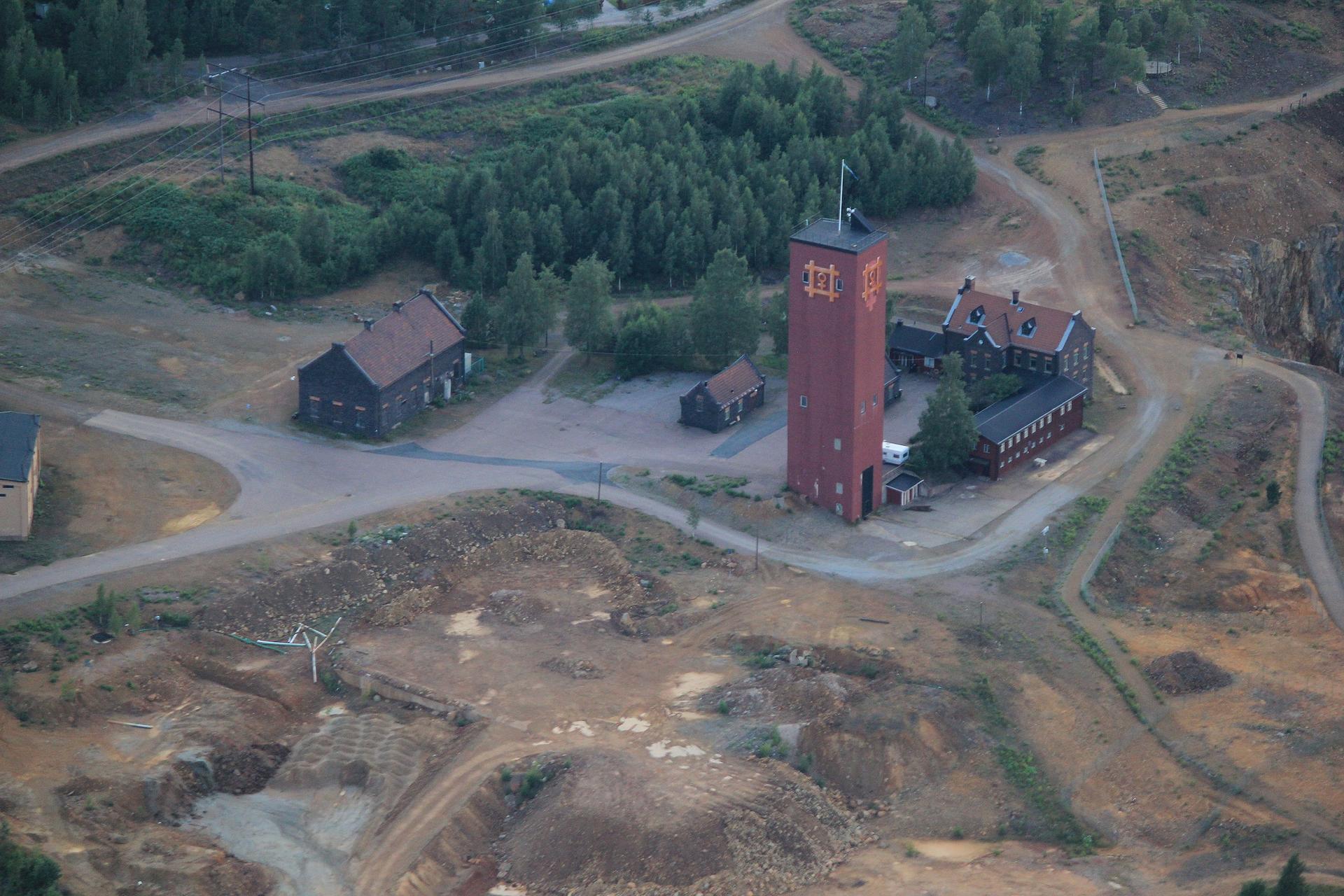
Looking beyond Torsångs Motormuseum? Discover Dalarna for broader travel guides, local hot-spots, and regional highlights.
Explore Dalarna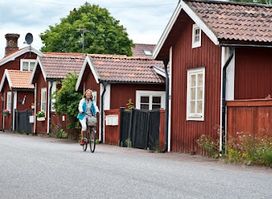
Discover the administrative heart of Falun's UNESCO World Heritage, where copper mining history comes alive through exhibits, tours, and preservation insights at Världsarvskansliet.
Discover Sweden's ostrich haven: feed giant birds, race pedal tractors, and taste egg ice cream at this family farm adventure in Dalarna.