Vindförbergs udde, Dalarna Travel Guide
A windswept stony headland on Oresjön where pine, rock and a 2,000-year-old grave field meet in quiet, contemplative landscape.
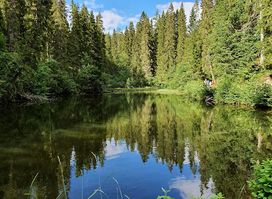
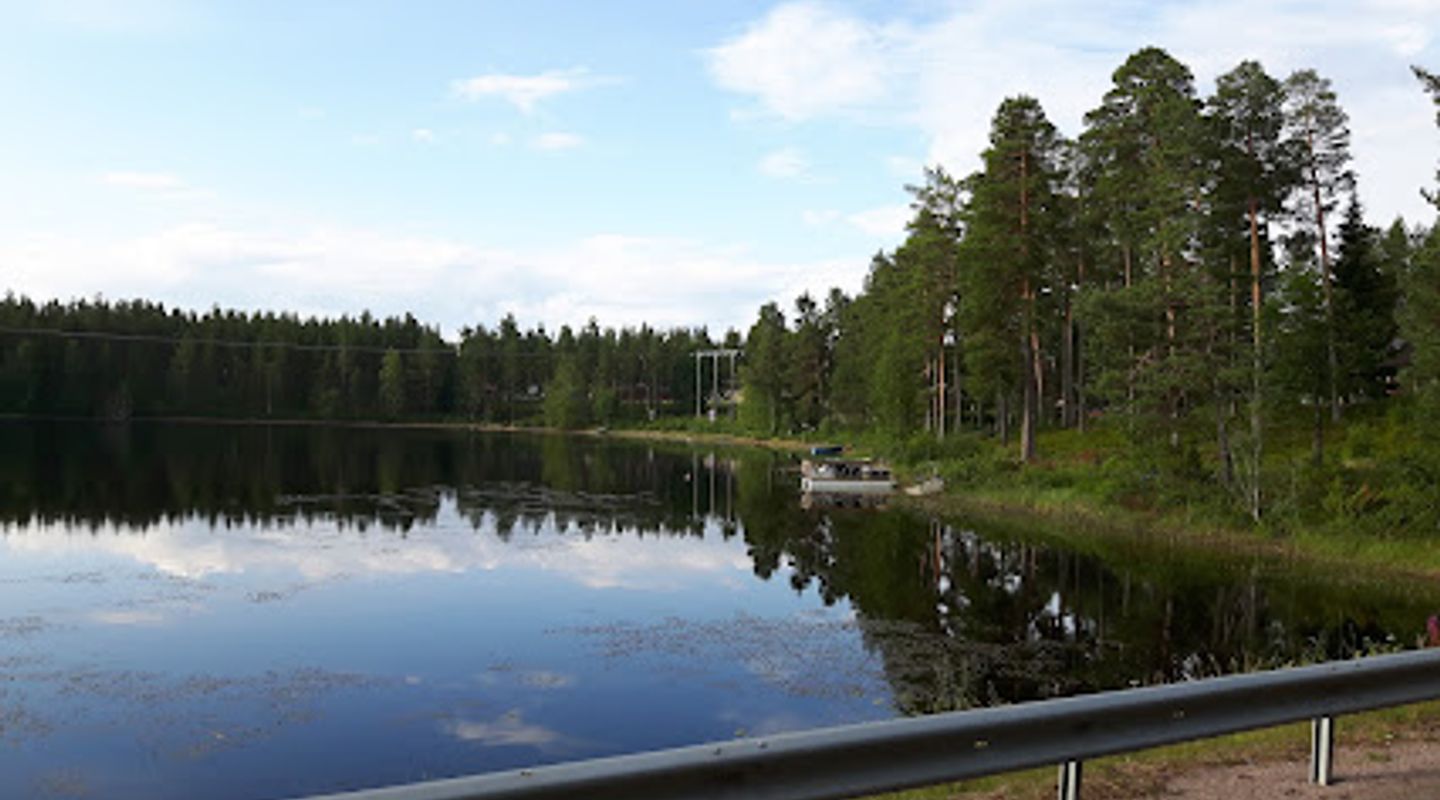
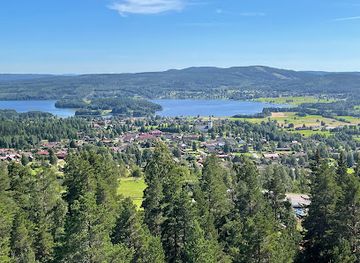
Vindförbergs udde is a windswept headland and protected nature reserve on a rullstensås (stony ridge) that extends into Lake Oresjön near Furudal, Dalarna. The 13-hectare reserve combines sparse pine woodland, exposed boulder fields and shoreline vistas with one of Dalarna’s largest Iron Age burial grounds — about 40 stone cairns and grave settings dating roughly to the early first millennium AD. It’s quiet, historically resonant and well suited to short walks and contemplative nature stops.
A brief summary to Vindförbergs udde
- Furudal, 795 71, SE
- Duration: 0.5 to 2 hours
- Free
-
 Outdoor
- Mobile reception: 3 out of 5

Know before you go
Hi, I'm Eve. Here are a few practical things to know before exploring Vindförbergs udde.
- Wear sturdy footwear — trails are informal and the ridge is stony and uneven.
- Treat the grave field with respect: do not climb on or disturb the stone settings.
- Bring water and weather-appropriate layers; the headland is exposed to wind and sudden changes.
- Visit in morning or late afternoon for the most dramatic light across the lake and stones.
Do you manage this location?
Take control to get all the benefits, like improved information, better appearance, and stronger visibility across AI-powered discovery. Learn more about listing your business on Evendo
Activate your presenceOther nearby places you may find interesting
The closest places of the same kind, if this one is not quite what you had in mind.


Explore Vindförbergs udde on the Map
A handpicked selection of must-see spots near Vindförbergs udde, mapped for you.
Getting There
-
By car
Drive from central Furudal to the reserve in about 10–15 minutes depending on local roads; modest unpaved parking or lay-by may be available near the access point but spaces are limited and roadside parking can be uneven — check local signage on arrival. No paid parking; seasonal conditions (snow or heavy rain) can make last 500–800 metres rough and require higher-clearance vehicles.
-
Local bus and walk
Take a regional bus serving Furudal (service frequency depends on season) and then walk approximately 1.5–2.5 km along forest paths and minor tracks to the headland; walking time from the village is typically 30–50 minutes depending on pace and route. Paths are informal in places and can be muddy after rain; public-transport fares vary by operator and ticket type but expect a modest regional fare in SEK.
-
Hike from nearby trails
Incorporate the udde into a longer hike on local trails (trail sections are of mixed footing) — approach times are typically 45–90 minutes from nearby trailheads depending on start point and pace. Terrain includes uneven surfaces and short inclines; wear sturdy footwear and allow extra time in poor weather.
For the on-the-go comforts that matter to you
-
 Seating Areas
-
 Information Boards
-
 Trash Bins
Discover more about Vindförbergs udde
Landscape and geology unique to the headland
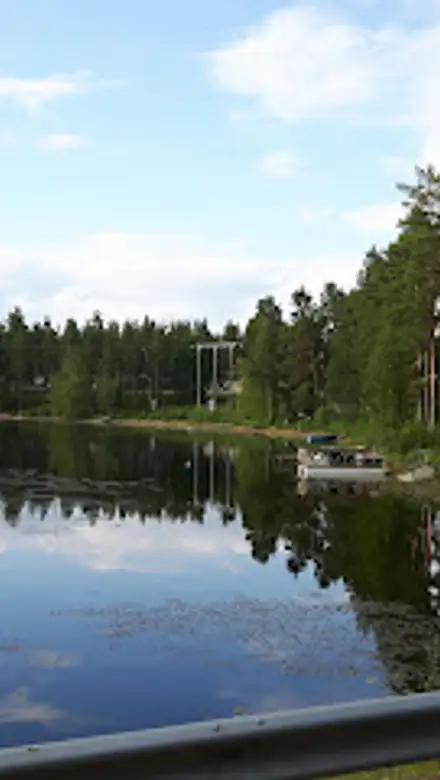
Vindförbergs udde rises from the shore of Oresjön as a pronounced rullstensås — a glacially formed ridge of rounded stones and gravel that pushes out into the lake. The ridge’s firm, well-drained substrate supports scattered pine and open, lichen-flecked boulder fields; on clear days the headland gives expansive views across calm water and the opposite treeline. Sea-smoothed stones, exposed root systems and thin soils reveal the geological story: a ridge shaped by ice and subsequent shoreline changes that have left parts of the tip exposed and weathered.Archaeology and the ancient grave field
Across the tip of the udde lies Vindförbergs gravfält, Dalarna’s largest burial cluster of its kind, with roughly forty round stone settings and cairns. Excavations and finds have linked the graves to the later Roman Iron Age and early centuries AD; burnt bone and occasional grave goods found within the cairns testify to long-established funerary practices. Beneath and around the grave field there are traces of earlier habitation layers, indicating human use of this dry, resource-rich headland for millennia.Ecology and seasonal moods
Vegetation on the udde is characteristically dry and open: slow-growing pines, heather, moss and drought-tolerant ground flora that favour the sparse soils. Birdsong and the occasional woodpecker puncture the stillness in spring and summer, while migrating waterfowl use the sheltered bay areas in shoulder seasons. Lichen and moss carpets on exposed stones pick out subtler colours in low light, and the reserve’s modest size concentrates seasonal changes: sharp, golden light in autumn, silvered frost in winter, and a vivid green flush in early summer.How the place feels to visit
Approach the tip on foot and the place narrows into an intimate promontory: wind, sky and water frame the stone graves so they read like deliberate markers in the landscape. Footsteps on gravel, the rasp of pine needles and the occasional clack of distant boat wakes are the dominant sounds. The topography encourages slow movement and observation; there are informal paths rather than formalised routes, and many visitors come simply to stand among stones and horizon and imagine the long human presence here.Conservation, protection and historical continuity
The reserve has been protected for nearly a century and its management balances natural values with preservation of archaeological features. Erosion and changing lake levels have altered the udde’s shoreline over time, so conservation work focuses on preventing further loss of the most sensitive grave settings while keeping the area accessible for respectful visitation. The site’s layered history — prehistoric habitation, Iron Age burials and modern nature protection — creates a continuous thread linking ancient livelihoods to contemporary stewardship.Practical character and visitor considerations
Facilities on-site are minimal: the reserve is best experienced as a short, contemplative stop rather than a full-service attraction. Paths are firm but uneven in places; stone surfaces can be slippery when wet or icy. The compact scale means visits typically last from a brief half-hour to a couple of hours for those who linger with sketchbooks or cameras. Photographers and walkers alike will find the headland rewarding for light, textures and a sense of quiet history.












Your all‑in‑one travel companion app
Explore expert travel guides, compare and book tours, experiences, hotels, and more—all from the palm of your hand. Download now for seamless trip planning wherever your wanderlust takes you.


Explore More of Dalarna
Looking beyond Vindförbergs udde? Discover Dalarna for broader travel guides, local hot-spots, and regional highlights.
Explore Dalarna