Aqueduct in Håverud, Dalsland Travel Guide
A compact, riveted steel aqueduct from 1868 where canal, road and rail converge above a rocky Swedish gorge—an industrial gem in the Dalsland landscape.
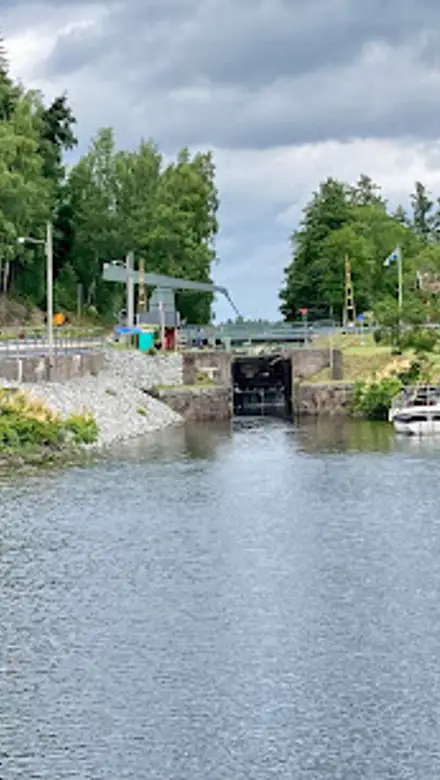
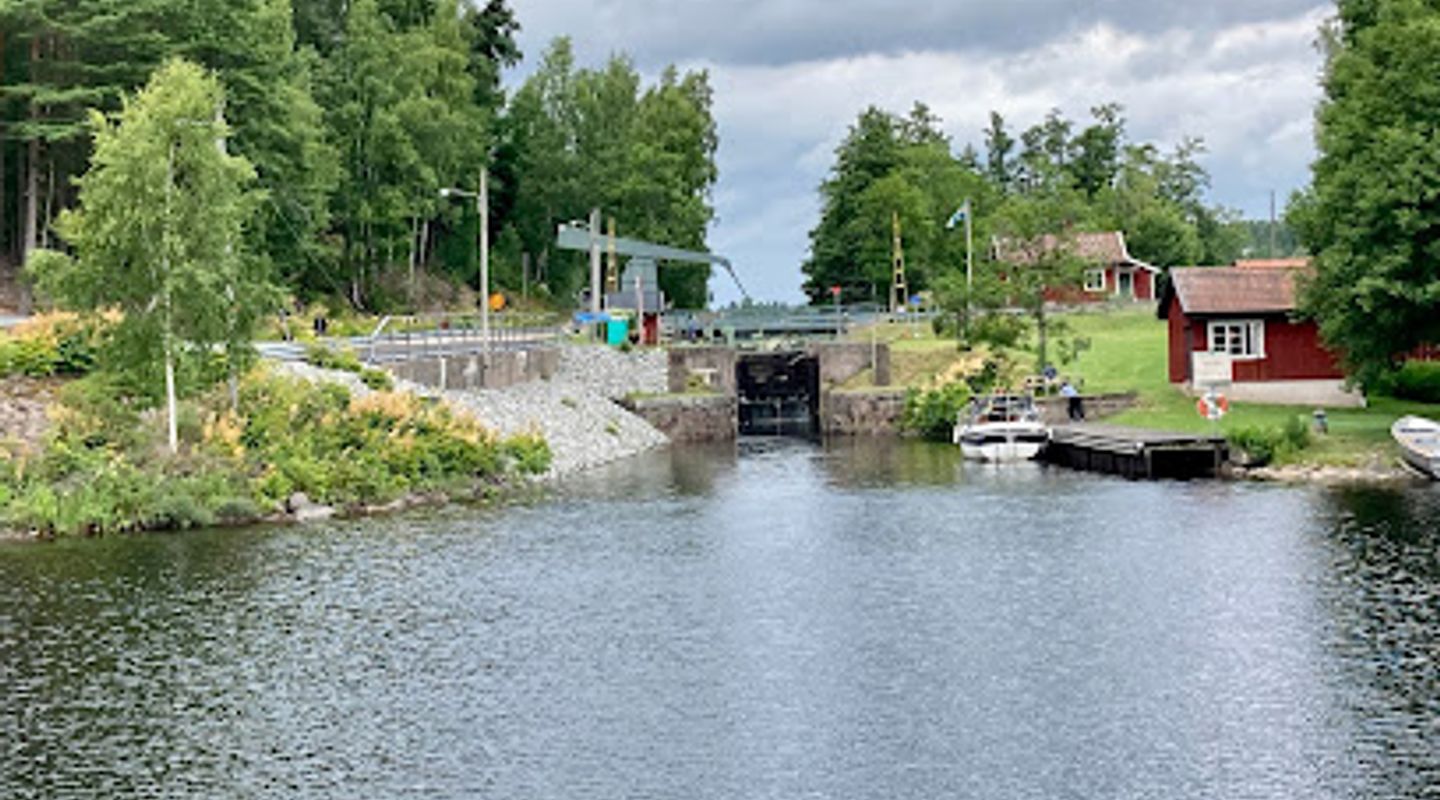
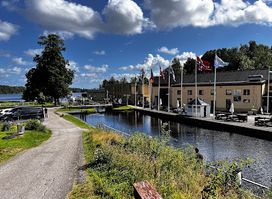
A striking 19th‑century steel trough that carries the Dalsland Canal over a rocky river gorge, the Håverud Aqueduct combines water, railway and road in a single, compact scene; built by engineer Nils Ericsson in 1868, it remains an engineering curiosity and focal point of the Dalsland canal system surrounded by locks, museum exhibits and forested Swedish countryside.
A brief summary to Aqueduct in Håverud
- Unnamed Road, Håverud, 464 72, SE
- Duration: 0.5 to 2 hours
- Free
-
 Outdoor
- Mobile reception: 4 out of 5

Know before you go
Hi, I'm Eve. Here are a few practical things to know before exploring Aqueduct in Håverud.
- Visit in summer to see canal boats pass through the aqueduct and locks; mornings often offer calmer light for photography.
- Allow time to explore the small Canal Museum nearby to learn about Nils Ericsson’s design and the Dalsland Canal’s history.
- Wear sturdy footwear on uneven stone paths near the river; surfaces can be wet and slippery after rain.
- Bring a telephoto or zoom lens for detail shots of rivets and bridge structure, and a wide lens to capture the stacked transport layers.
Do you manage this location?
Take control to get all the benefits, like improved information, better appearance, and stronger visibility across AI-powered discovery. Learn more about listing your business on Evendo
Activate your presenceOther nearby places you may find interesting
The closest places of the same kind, if this one is not quite what you had in mind.
Explore Aqueduct in Håverud on the Map
A handpicked selection of must-see spots near Aqueduct in Håverud, mapped for you.
Getting There
-
Car
Private car from central Mellerud or nearby towns: typical travel time 20–45 minutes depending on start point and local roads; parking is available near the canal centre but spaces may be limited during peak summer weeks; minor parking fee commonly applies (SEK 20–60).
-
Regional bus plus short walk
Regional bus service from Mellerud or Åmål to Håverud area: travel time 25–60 minutes depending on connection and schedule; services are less frequent outside summer and timetables change seasonally; expect a 5–15 minute level walk from the nearest stop along a minor road on uneven paths; single fares typically cost in the range of SEK 40–120.
-
Canal boat (seasonal)
Scheduled canal cruises and local passenger boats operate during the canal’s open season: voyage segments that include Håverud vary from short sightseeing trips of 30–90 minutes to longer day cruises; bookings and times are seasonal with fares normally priced per trip or per segment (estimate SEK 150–600 depending on length and operator).
For the on-the-go comforts that matter to you
-
 Information Boards
-
 Visitor Center
-
 Food Options
-
 Seating Areas
-
 Restrooms
Discover more about Aqueduct in Håverud
A nineteenth‑century engineering solution carved into a ravine
The Håverud Aqueduct is a riveted steel trough boldly spanning a steep, rocky gorge where a river’s rapids once blocked boat traffic; completed in 1868, the structure was designed to let canal boats pass safely above dangerous waters and solved a logistical problem that had threatened to force transhipment and a horse railway instead. The bright, industrial lines of the trough—assembled from thousands of rivets—sit against a compact cluster of canal locks and the surrounding, heavily wooded valley, making the site an immediate contrast of mechanical ingenuity and wild landscape.How the structure reads in material and scale
Unlike masonry aqueducts with sweeping arches, Håverud’s trough is built from riveted steel plates joined in a single span of just over thirty metres; the metal gives the aqueduct a slender, machine‑made silhouette that reads differently at close range and from across the water. From the visitor vantage you can study the rivet pattern, the steel joints and the weathered paint while the canal‑side parapets and walkway reveal the interplay between the aqueduct, the neighbouring road bridge and the later railway bridge—three transport layers stacked in a narrow valley.The canal complex: locks, museum and human stories
The aqueduct sits within a compact canal complex where four locks step boats across changes in level and where a small canal museum explains local construction and the wider Dalsland Canal project. The museum, visitor centre and adjacent hostel form the human presence around the structure: interpretive displays, historic images and models place the aqueduct inside a narrative of nineteenth‑century canal building, innovation and regional commerce. Nearby facilities concentrate visitor services without sprawling into the surrounding forest.Seasonal rhythms and the waterborne perspective
The location’s character changes with the seasons and with water traffic: in summer sightseeing boats and private craft navigate the canal and pass through the locks, offering the aqueduct a cinematic moment as vessels slide through the steel trough; in shoulder seasons the canal is quieter and the soundscape shifts toward wind in pines and the steady, distant rush of the river below. Frost and light in colder months highlight the aqueduct’s lines differently, emphasising texture and shadow on the riveted plates.What to look for and the sensory details
Take in the layered sounds — creaks of timber from small boats, the echo of voices off stone, the metallic geometry of the aqueduct itself — and the tactile contrast between smooth water in the canal and churning rapids beneath. Notice the way the steel catches low sun, and the juxtaposed forms of wooden boats, painted museum signs and the compact lock chambers. The site’s scale is human; much of the detail is best appreciated by walking the parapet, peering into the trough and watching a boat’s passage through the locks.Significance beyond a single span
Though modest in length, the aqueduct embodies a wider story of regional connectivity: it is a pivotal link in the Dalsland Canal, a project that knit together lakes, trade routes and rural communities. The combination of aqueduct, locks and later railway infrastructure at Håverud captures a moment when mechanical invention was applied to challenging terrain, producing an object of practical craft that has endured as a local landmark and a compact lesson in civil engineering history.












Your all‑in‑one travel companion app
Explore expert travel guides, compare and book tours, experiences, hotels, and more—all from the palm of your hand. Download now for seamless trip planning wherever your wanderlust takes you.


Explore More of Dalsland

Looking beyond Aqueduct in Håverud? Discover Dalsland for broader travel guides, local hot-spots, and regional highlights.
Explore Dalsland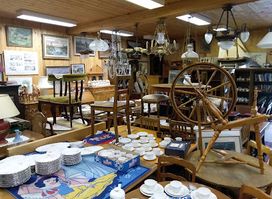
A rambling Dalsland loppis on the old railway site—barn bays, vintage furniture and everyday treasures for the patient treasure hunter.
A compact, riverside tourist hub in Håverud — historic mill building, local food market, exhibitions and direct views of the Håverud aqueduct.