Free Dalsland Travel Guide & Mobile App
Explore Dalsland with free travel guides. Discover regional history, expert tips, proposed trips, and audio guides on web or mobile app.


Explore Dalsland’s forested lakes, canal heritage, canoe routes, rock carvings and small towns in western Sweden.
Read more about Dalsland
When is the best time to visit Dalsland?
Best: June–August · 20–22°C| Month | High (°C) | Rainfall (mm) |
|---|---|---|
| January | 0 | 50 |
| February | 1 | 40 |
| March | 4 | 40 |
| April | 9 | 40 |
| May | 16 | 50 |
| June (best) | 20 | 60 |
| July (best) | 22 | 70 |
| August (best) | 21 | 70 |
| September | 16 | 60 |
| October | 11 | 60 |
| November | 5 | 60 |
| December | 2 | 50 |
Getting to and around Dalsland
How to get there
Transportation
Destinations in Dalsland
Resorts, valleys and scenic spots worth a trip of their own.

Swipe for more destinations
Best attractions in Dalsland
Dalsland’s attractions are shaped by water, woodland and a relatively light development footprint. The Dalsland Canal is the central experience, combining boating, canoeing, lakeside walking and engineering heritage at Håverud, where the canal aqueduct crosses the rapids. Bengtsfors and surrounding lake systems are well suited to paddling, fishing and camping, while Åmål offers a historic town environment on Lake Vänern. Högsbyn’s Bronze Age rock carvings near Tisselskog provide an important archaeological counterpoint to the region’s outdoor activities. Families can visit the Dalsland Moose Ranch near Dals-Ed, and nature reserves and forest roads create opportunities for birdwatching, swimming, cycling and hiking. Museums, local heritage centres, churches and former industrial sites add cultural depth, particularly on days when weather limits time on the water. The southern districts around Mellerud and Färgelanda bring a more agricultural landscape, with farm shops and countryside routes contrasting with the forest-fringed lakes farther north. Dalsland rewards visitors who combine a few named sights with unstructured time outdoors rather than attempting to treat every lake or canal stop as a separate attraction.
-
National park
Kosterhavet National Park
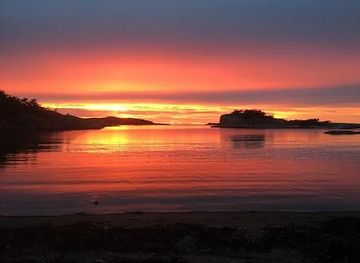
Sweden’s first marine national park — a clear, cold Atlantic‑fed sea of kelp, reefs and thousands of marine species around the car‑free Koster Islands.
-
Tourist attraction
Dalslands Moose Ranch
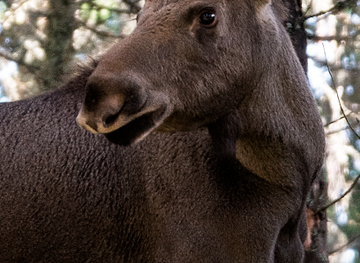
Come face-to-face with Sweden's moose giants in a serene 10-hectare forest park—feed them, learn their secrets, and unwind in Dalsland's wild embrace.
-
Hotel
Ronnums Herrgård | Collection by Ligula
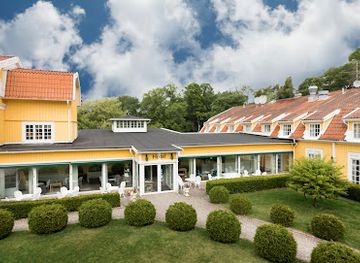
A centuries‑old manor turned hotel — oak‑fringed parkland, locally sourced dining and timeless country‑house charm.
-
Hotel
Baldersnäs Herrgård
A lakeside manor and park on a forested Dalsland peninsula—historic rooms, local dining and nature reserve trails.
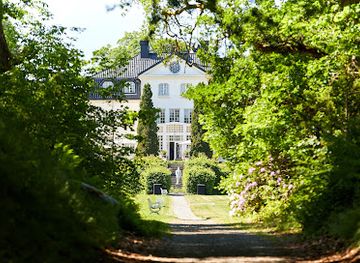
Best landmarks in Dalsland
The Håverud aqueduct is Dalsland’s most recognisable engineered landmark. Built as part of the Dalsland Canal, its metal waterway carries canal traffic above the rapids and railway, illustrating the ambitious Victorian attempt to connect inland lakes with Lake Vänern. In Åmål, the historic town centre retains wooden buildings and a street pattern that reflect the importance of this lakeside trading settlement, while its position on Lake Vänern gives the town a distinctive open-water setting. Högsbyn’s rock surfaces near Tisselskog are landmarks of a much older landscape, marked with Bronze Age images of boats, people and animals. The canal locks, bridges and towpaths around Bengtsfors and neighbouring lakes form a linear heritage landscape rather than a single monument. Across southern Dalsland, traditional churches, farm buildings and open agricultural horizons provide quieter evidence of the province’s long rural history. The lakes themselves—especially the interconnected waterways threaded by the canal—are also geographical landmarks, defining the region’s visual identity and its historic patterns of settlement and transport.
-
Historical landmark
Parsetjärns Skans
A small, atmospheric WWII fortification by a woodland tarn—intimate concrete bunkers, trenches and quiet landscape that tell a local borderland defence story.
-
Historical landmark
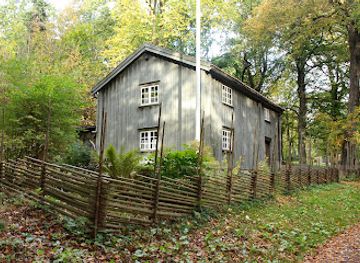
The Dalsland Cottage
Discover rustic Dalsland charm in Gothenburg's verdant Slottsskogen Park, where a historic timber cottage whispers tales of Sweden's forested province amid serene greenery.
-
Historical landmark
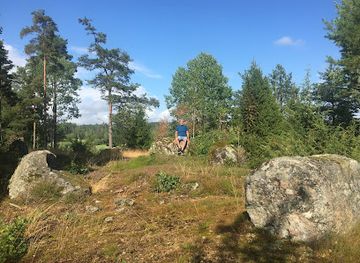
Steinsetzung Schiffsgrab
A modest boat-shaped stone setting near Vammen that quietly marks an ancient funerary outline amid Dalsland’s wooded lowlands.
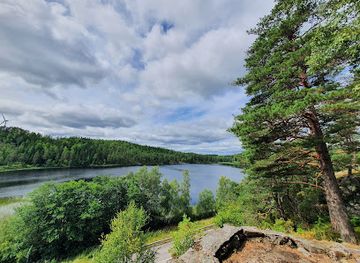
Explore Dalsland on the map
Plan your trip on one map. See where the top cities, national parks and sights are, and book hotels and experiences in a few clicks.
Best hotels in Dalsland
Best restaurants in Dalsland
Dining in Dalsland reflects western Sweden’s rural and lake-based economy. Restaurants, cafés, country inns and seasonal outlets commonly work with ingredients such as freshwater fish, game, berries, mushrooms, potatoes, dairy produce and locally baked bread, though menus vary considerably by town and season. Around the Dalsland Canal and Lake Vänern, fish dishes and simple meals suited to boating and outdoor excursions are natural choices; inland cafés often provide coffee, pastries and open sandwiches in the Swedish fika tradition. Åmål and Bengtsfors offer the widest choice of everyday restaurants, while smaller communities and rural accommodation may rely on advance arrangements or limited seasonal hours. Farm shops and local food producers are useful for picnic supplies, especially when travelling between lakes. Visitors should not expect a single dish to define Dalsland: its culinary identity lies more in seasonal produce, practical countryside cooking and the close relationship between food, forests, farms and waterways.
-
Restaurant
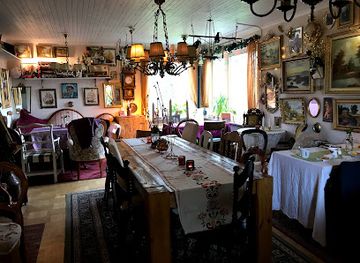
Ronnums Herrgård | Collection by Ligula
A centuries-old manor on oak-studded grounds offering regional dining, manor-house salons, spa facilities and peaceful rural charm.
-
Swedish
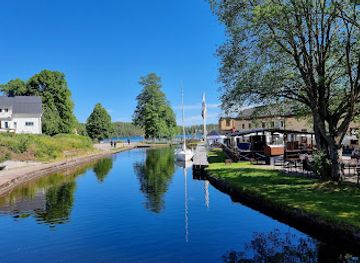
Håfveruds Rökeri & Brasseri
Savor smoked salmon masterpieces and brasserie classics beside Dalsland Canal's locks in charming Håverud—a perfect waterside pause for families and canal explorers.
-
Restaurant
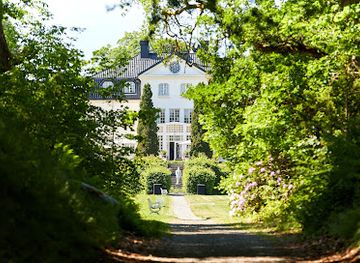
Baldersnäs Herrgård
A lakeside manor on a wooded peninsula where period charm meets modern comfort amid parkland and quiet Dalsland scenery.
-
Restaurant
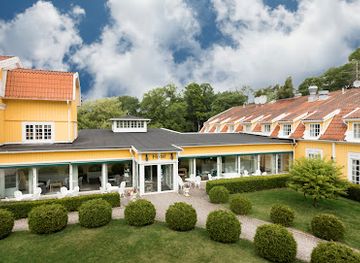
Café Gula Huset
A sunny, homey country café in Sörbyn — hearty lunches, classic fika and a garden that comes alive with seasonal events.
Best bars in Dalsland
Dalsland’s evening life is modest and dispersed rather than centred on a large nightclub scene. In Åmål, Bengtsfors, Mellerud and other principal towns, visitors will find pubs, hotel bars, cafés and restaurants that provide the main social settings after dark. Some venues host live music or community events, particularly during the summer, while canal towns and lakeside accommodation may offer relaxed seasonal evenings connected with boating and outdoor tourism. Rural inns and guesthouses tend to be quieter and may close earlier than urban establishments, so check arrangements rather than assuming late-night service. Local breweries and drinks may appear on regional menus, but alcohol is not necessary to experience Dalsland’s evening culture. For many visitors, the defining night-time activity is a lakeside meal, a sauna or an evening walk beneath a dark rural sky rather than clubbing.
-
Cocktail bar
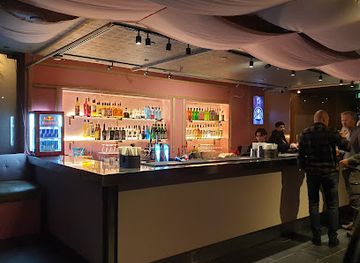
ICEBAR Stockholm by ICEHOTEL
Sip cocktails from ice glasses in the world's first permanent icebar, rebuilt yearly with Arctic ice artistry at -5°C in central Stockholm.
-
Function room facility
Trädgår'n
Discover the energetic ambiance of Trädgår'n, a top gastropub and live music venue in Gothenburg, perfect for food lovers and nightlife enthusiasts.
-
Bar
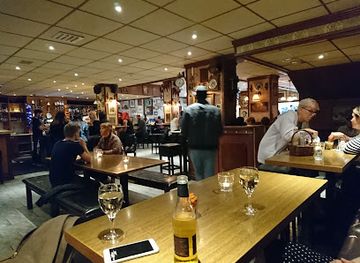
King's Head
Gothenburg's go-to pub for cheap pints, rock vibes, and Friday's free feast on lively Andra Långgatan—pure local energy awaits.
-
Cocktail bar
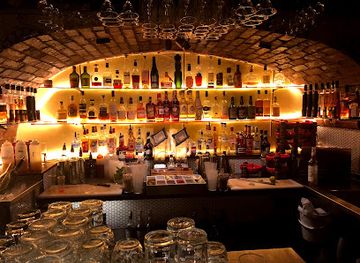
Tiki Room
Stockholm's ultimate Tiki escape: exotic cocktails, Polynesian vibes, and flaming volcanoes in a cozy basement oasis.
Best nightclubs in Dalsland
Dalsland’s evening life is modest and dispersed rather than centred on a large nightclub scene. In Åmål, Bengtsfors, Mellerud and other principal towns, visitors will find pubs, hotel bars, cafés and restaurants that provide the main social settings after dark. Some venues host live music or community events, particularly during the summer, while canal towns and lakeside accommodation may offer relaxed seasonal evenings connected with boating and outdoor tourism. Rural inns and guesthouses tend to be quieter and may close earlier than urban establishments, so check arrangements rather than assuming late-night service. Local breweries and drinks may appear on regional menus, but alcohol is not necessary to experience Dalsland’s evening culture. For many visitors, the defining night-time activity is a lakeside meal, a sauna or an evening walk beneath a dark rural sky rather than clubbing.
-
Night club
Valand
A multi-level Avenyn nightlife house with dining, live stages and late-night clubbing under classic décor.
-
Night club
Rose Club
Glamorous Stockholm nightlife haven with velvet elegance, rose motifs, and DJ-driven beats drawing stylish crowds to dance until dawn in Norrmalm.
-
Night club
Hyde Stockholm
Central Stockholm nightclub igniting weekends with DJ beats, cocktails, and rooftop vibes from 10 PM to 3 AM on Fridays and Saturdays.
-
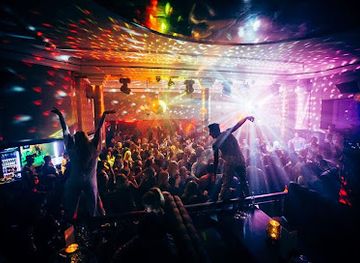
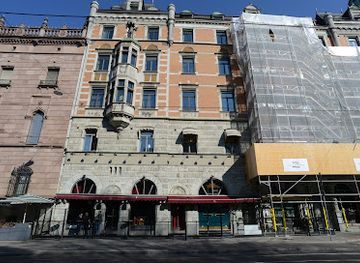
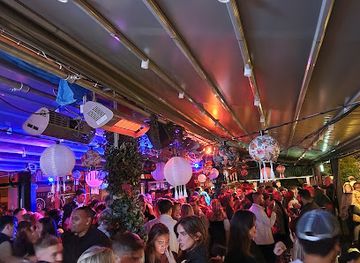
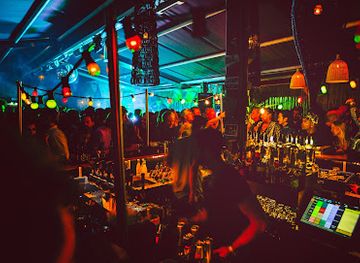
Night club
Lounge(s)
Three floors of bars, DJs and a rooftop terrace on Gothenburg’s Avenyn — a social club for late nights and themed party evenings.
Best shops in Dalsland
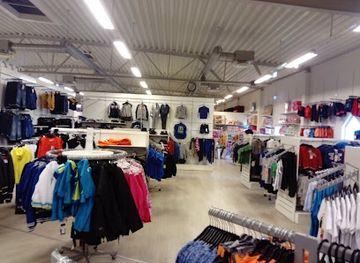
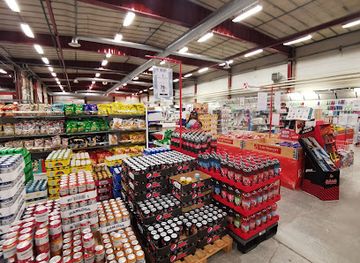
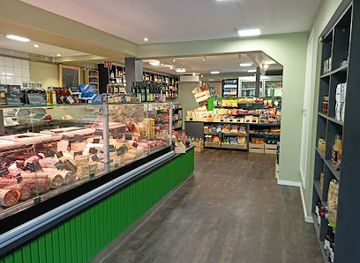
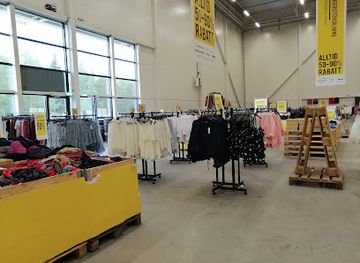
Shopping in Dalsland is concentrated in the market towns rather than in large retail centres. Åmål provides the broadest town-centre choice, while Bengtsfors, Mellerud, Ed and Färgelanda offer everyday shops, cafés, practical outdoor equipment and independent businesses suited to local communities. Seasonal farm shops and food producers are useful for berries, preserves, honey, bread, dairy products and other supplies for a lakeside picnic, although opening arrangements vary. Around the canal and larger visitor attractions, look for locally made crafts, outdoor goods, books, art and small souvenirs connected with Dalsland’s waterways and wildlife. Antiques, second-hand items and traditional handicrafts may appear in rural shops and summer markets, but they are not available everywhere year-round. Visitors seeking regional products should plan stops in advance and carry enough provisions for rural areas, where commercial services can be widely separated.
-
Department store
Bloms Varuhus
3500 sqm of family bargains in Mellerud: fashion, home goods, toys and café delights await in this outlet paradise.
-
Department store
Karlssons
A practical, budget-minded department store in Ed — wide selection, seasonal finds and everyday essentials under one roof.
-
Store
Tiveds lanthandel
Rustic Swedish lanthandel and krog dishing local flavors amid Tiveden’s forests—a true taste of countryside charm in Sannerud.
-
Outlet store
Lagerutförsäljning Vänersborg
A no-frills clearance warehouse on Borrgatan — fast-moving bargains on clothing and footwear in a compact industrial space.
Get your free copy of our complete guide to Dalsland, delivered straight to you.
Everything on this page, from attractions and restaurants to essentials and local phrases, in one PDF you can read offline, print or share.
Already have an account? Sign in
Your Dalsland guide is ready.
We'll send it to · Not you? Sign out

Getting your guide ready…
We are putting together a fresh copy of the Dalsland guide. This can take up to a minute.
This can take a few moments. If your browser asks, choose Allow so the download can start. You'll find the guide in your Downloads folder.
Nothing happened? Download it again
Sorry, the guide is taking longer than usual. Please try again in a minute, or get it by email instead.
Dalsland essentials
Currency and Payment
Safety
Emergency Situations
Do's and Don'ts
Local Tips
From Eve
Local phrases worth knowing
You don't need to get them perfect. A few words go a long way, and locals appreciate the effort.
Basics
| English | Local | Say it |
|---|---|---|
| Hello | Hej | [hay] |
| Goodbye | Adjö | [ah-yuh] |
| Yes | Ja | [yah] |
| No | Nej | [nay] |
| Please/You're welcome | Snälla/Tack | [snel-lah/tahk] |
| Thank you | Tack | [tahk] |
| Excuse me/Sorry | Ursäkta/Mi ledsen | [oor-shek-tah/mee led-sen] |
| How are you? | Hur mår du? | [hoor mohr doo] |
| Fine. And you? | Bra. Och du? | [bra. okh doo] |
| Do you speak English? | Talar du engelska? | [tah-lar doo eng-el-skah] |
| I don't understand | Jag förstår inte | [yahg fur-stor in-teh] |
Eating & Drinking
| English | Local | Say it |
|---|---|---|
| I'd like to see the menu, please | Jag skulle vilja se menyn, snälla | [yahg skoo-leh vil-yah seh meh-nun, snel-lah] |
| I don't eat meat | Jag äter inte kött | [yahg eh-ter in-teh shutt] |
| Cheers! | Skål! | [skawl] |
| I would like to pay, please | Jag skulle vilja betala, snälla | [yahg skoo-leh vil-yah beh-tah-lah, snel-lah] |
Emergencies
| English | Local | Say it |
|---|---|---|
| Help! | Hjälp! | [yelp] |
| Go away! | Gå bort! | [gaw bort] |
| Call the Police! | Ring polisen! | [ring poh-lee-sen] |
| Call a doctor! | Ring en läkare! | [ring en leh-kah-reh] |
| I'm lost | Jag är vilse | [yahg air vil-seh] |
| I'm ill | Jag är sjuk | [yahg air shook] |
Shopping
| English | Local | Say it |
|---|---|---|
| I'd like to buy... | Jag skulle vilja köpa... | [yahg skoo-leh vil-yah shur-pah] |
| I'm just looking | Jag tittar bara | [yahg tit-tar bar-ah] |
| How much is it? | Hur mycket kostar det? | [hoor myoo-ket kos-tar deh] |
| That's too expensive | Det är för dyrt | [deht air fur deer-t] |
| Can you lower the price? | Kan du sänka priset? | [kan doo sen-kah pree-set] |
Time & Numbers
| English | Local | Say it |
|---|---|---|
| What time is it? | Vad är klockan? | [vahd air klok-kahn] |
| It's one o'clock | Klockan är ett | [klok-kahn air et] |
| Half past (10) | Halv (10) | [halv (10)] |
| Morning | Morgon | [mor-gon] |
| Afternoon | Eftermiddag | [ef-ter-meed-ag] |
| Evening | Kväll | [kvehll] |
| Yesterday | Igår | [ee-gor] |
| Today | Idag | [ee-dahg] |
| Tomorrow | Imorgon | [ee-mor-gon] |
| 1 | 1 | [ett] |
| 2 | 2 | [två] |
| 3 | 3 | [tre] |
| 4 | 4 | [fyra] |
| 5 | 5 | [fem] |
| 6 | 6 | [sex] |
| 7 | 7 | [sju] |
| 8 | 8 | [åtta] |
| 9 | 9 | [nio] |
| 10 | 10 | [tio] |
Transport & Directions
| English | Local | Say it |
|---|---|---|
| Where's a/the...? | Var är en/den...? | [var air en/den...?] |
| What's the address? | Vad är adressen? | [vahd air ah-dress-en] |
| Can you show me (on the map)? | Kan du visa mig (på kartan)? | [kan doo vee-sah may (po kar-tan)?] |
| When's the next (bus)? | När går nästa (buss)? | [nair gor nes-ta (boos)?] |
| A ticket (to ....) | En biljett (till ....) | [en bil-yet (til ....)] |
History of Dalsland
Bronze Age Rock Art at Högsbyn
The rock carvings at Högsbyn near Tisselskog, beside Lake Råvarpen, provide some of Dalsland’s clearest evidence of prehistoric ritual and visual culture. Created during the Bronze Age, they include boats, people, animals and weapons carved into smooth rock surfaces. Their exact meanings remain interpretations rather than fully documented explanations, but the images show that communities in the region participated in wider Scandinavian traditions of symbolic art and exchange. The site also demonstrates how lakes and prominent natural settings could hold social or religious importance long before the emergence of modern settlements.
Medieval Farming and Parish Communities
During the medieval period, Dalsland developed as a predominantly rural society of farms, small settlements and parish communities. Its forests, lakes and valleys supported mixed agriculture, livestock keeping, fishing and the use of woodland resources. Churches and church villages became important centres of administration and religious life, while routes across the province connected it with neighbouring Värmland, Bohuslän and Västergötland. The scattered settlement pattern that remains characteristic of much of Dalsland has roots in this long agricultural history, although later forestry and transport development altered many local economies.
Ironworking and Early Industry
From the early modern period, ironworking and related enterprises became important in parts of Dalsland, taking advantage of woodland fuel, waterpower and access to regional transport routes. Small ironworks, mills and sawmills operated at sites where streams could drive machinery, while farming continued alongside industry. Production varied over time and was influenced by national markets, technology and competition from larger industrial districts. Remains of industrial settlements and water-powered works help explain how Dalsland’s rivers and lakes were used not only for transport but also as sources of energy.
The Dalsland Canal, Opened in 1868
The Dalsland Canal was completed in 1868 to improve movement between Lake Vänern and the inland lakes of central and northern Dalsland. Its system of channels, locks and engineered waterways made it easier to transport timber, agricultural goods and industrial products through a landscape previously constrained by rapids and land routes. The aqueduct at Håverud, where the canal crosses above a channel carrying the rapids beneath, is its most recognisable engineering feature. Commercial transport later declined, but the canal’s infrastructure became the foundation of Dalsland’s modern boating and paddling economy.
Railways and Wider Connections
Railway construction in the late nineteenth and early twentieth centuries connected Dalsland’s towns and industries with larger markets in Sweden and Norway. The railway through Åmål and Mellerud, and lines serving Ed and other communities, strengthened the movement of timber, manufactured goods, agricultural produce and passengers. Rail travel reduced the region’s dependence on waterways and seasonal roads, while stations encouraged the growth of some settlements. Although services and local lines have changed over time, the railway remains an important part of Dalsland’s connection with Gothenburg, Karlstad and Oslo.
Forestry, Mechanisation and Rural Change
During the twentieth century, forestry became increasingly central to Dalsland’s economy as mechanisation, sawmilling and national timber markets expanded. At the same time, agricultural consolidation and migration to larger towns reduced the population of many small rural communities. Traditional mixed economies gave way to more specialised forms of farming and woodland management, while former industrial and canal sites acquired heritage value. These changes help explain the modern contrast between working forests, productive farmland, historic settlements and landscapes now used mainly for recreation.
From Working Waterways to Outdoor Tourism
In the later twentieth century, Dalsland’s lakes and canal infrastructure increasingly supported tourism rather than commercial freight. Canoeing, camping, angling, boating and nature-based travel developed alongside museums, heritage attractions and local cultural initiatives. The region’s relatively low density and extensive waterways became important assets as visitors sought outdoor experiences within reach of western Sweden’s cities. Contemporary Dalsland still depends on forestry, farming and local services, but its public identity is strongly shaped by the relationship between landscape conservation, historic transport systems and responsible outdoor recreation.
Dalsland in Photos
Browse through our photo collection highlighting the charm and character of the destination.
Neighbouring regions of Dalsland
The closest regions to Dalsland, if you have time for more than one.
-
-

-

-

-


Swipe for more regions