Dalaborg, Dalsland Travel Guide
A windswept medieval ruin on a rocky Vänern headland — Dalaborg traces ducal power, siege and fire amid timeless lakeside views.
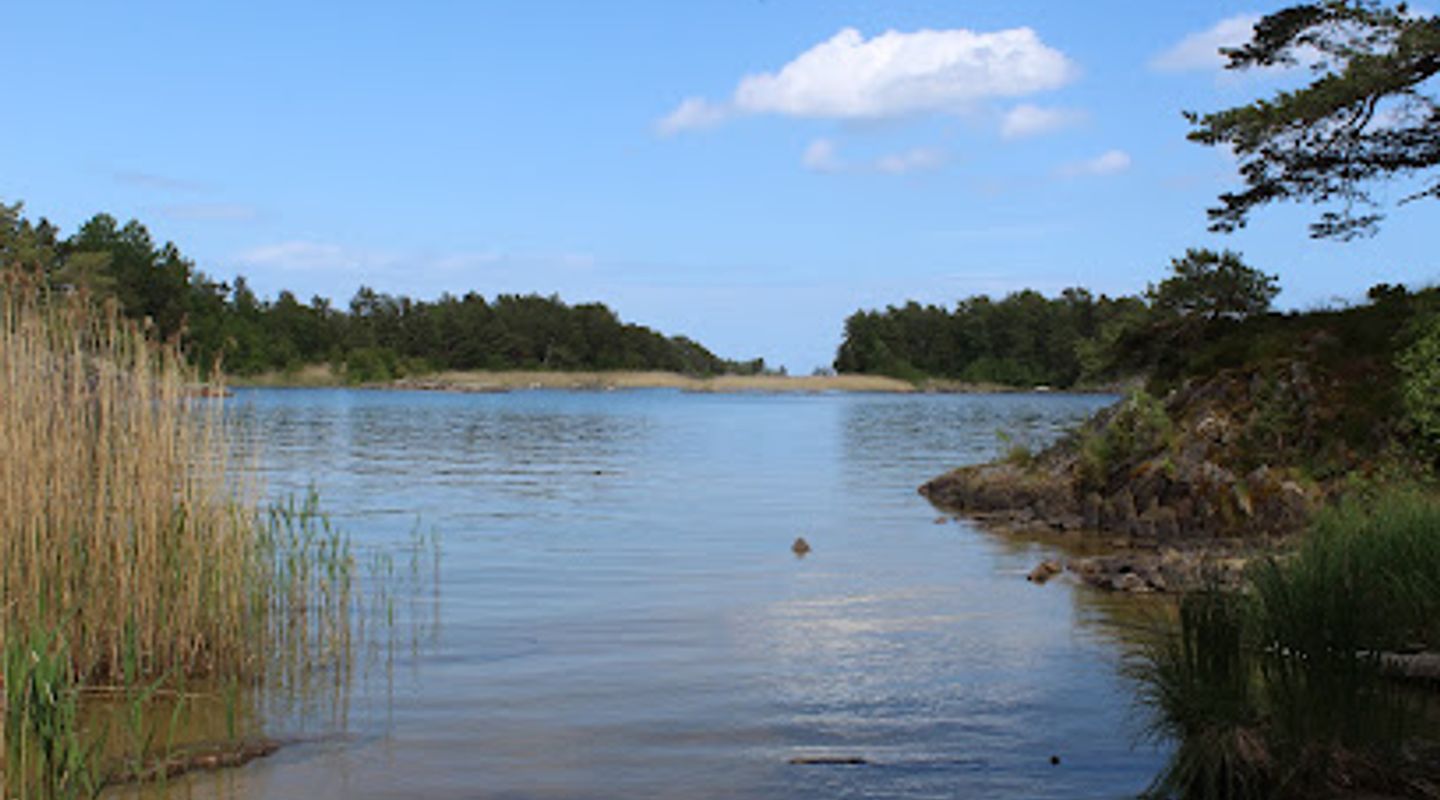
Dalaborg is a medieval castle ruin on a rocky promontory at the mouth of the Dalbergsån where it meets Lake Vänern, in Bolstad near Mellerud. Erected in 1304 by the ducal brothers Erik and Valdemar, the stronghold served as a regional military and political centre until it was besieged and destroyed in 1434 during the Engelbrekt uprisings. Today the exposed stone foundations, grassy mounds and interpretive signs trace the site’s long history and its strategic lakeside setting.
A brief summary to Dalaborg
- Mellerud, 464 93, SE
- Click to display
- Duration: 0.5 to 2 hours
- Free
-
 Outdoor
- Mobile reception: 3 out of 5

Know before you go
Hi, I'm Eve. Here are a few practical things to know before exploring Dalaborg.
- Wear sturdy shoes: the site is on exposed bedrock and uneven ground with short walking paths and grassy mounds.
- Bring a windproof layer and sun protection — the promontory is exposed to lake breezes and open sunlight.
- Allow at least 45–90 minutes to read interpretation panels, explore foundations and take in views across Vänern.
- Respect the archaeology: stay on marked paths and avoid climbing on fragile stonework or cleared areas.
Do you manage this location?
Take control to get all the benefits, like improved information, better appearance, and stronger visibility across AI-powered discovery. Learn more about listing your business on Evendo
Activate your presenceOther nearby places you may find interesting
The closest places of the same kind, if this one is not quite what you had in mind.
Explore Dalaborg on the Map
A handpicked selection of must-see spots near Dalaborg, mapped for you.
Getting There
-
By car
Car travel from central Mellerud typically takes 25–35 minutes. Parking at the small layby near the site is limited and informal; expect unpaved surfaces and seasonal muddiness. There is no paid parking facility and spaces may be restricted during events, so allow extra time and be prepared to park on roadside shoulders if necessary.
-
Public transport and walk
Regional buses run between Mellerud and nearby villages with travel times of roughly 35–55 minutes depending on service; from the nearest bus stop plan a 20–30 minute walk over country lanes and uneven paths to the headland. Services are less frequent on weekends and evenings, and the walking approach includes modest gradients and unpaved sections.
-
Cycling
Cycling from nearby towns is a practical option: expect a 40–70 minute ride over quiet secondary roads; terrain is mixed with short climbs and narrow shoulders. Bring a puncture kit — surfaced lanes can give way to gravel approaches close to the ruin.
For the on-the-go comforts that matter to you
-
 Information Boards
-
 Seating Areas
-
 Trash Bins
Discover more about Dalaborg
Origins on the Vänern Shore
Dalaborg was founded in 1304 by the ducal brothers Erik and Valdemar, scions of King Magnus Ladulås, as a fortified seat on a narrow rocky headland guarding the inlet where the Dalbergsån flows into Lake Vänern. The site’s placement on the promontory exploited natural defences: steep rock faces and water on multiple sides made it a strong defensive point and a useful control over riverine and lake traffic. Archaeological traces show the castle as a blockhouse built on a stone base with timber superstructures, reflecting medieval techniques that combined masonry footings with wooden buildings above.Power, Politics and a Moment in History
Dalaborg’s history is woven into wider regional politics. It functioned as both a garrison and an administrative hub for the surrounding district through the 14th century. Notable events tied to the site include high-level meetings between regional magnates and the emergence of broader Scandinavian power struggles; later sources link Dalaborg with the recognition of a royal claimant in the turbulent politics of the late 1300s. The castle’s fortunes rose and fell with shifting loyalties, and it appears frequently in chronicles and later local histories as a locus of ducal authority and conflict.Siege, Destruction and Archaeological Echoes
Dalaborg’s active medieval life ended violently in 1434 during the large-scale uprisings and conflicts known collectively as the Engelbrektfejde. Contemporary and later accounts describe a siege and intense fighting, after which the fortress was burned and dismantled so it would no longer serve as a power base. Excavations and 20th-century investigations revealed burned layers, foundation patterns and traces of defensive earthworks such as ditches and ramparts, supporting the narrative of a violent end and the presence of multiple occupation phases on the headland before the 1304 structure.Landscape and Surviving Remains
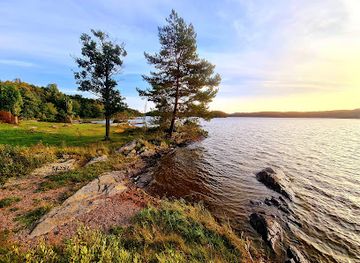
What remains today are low stone foundations, raised turf mounds and the silhouette of walls and baileys set against the broad sweep of Vänern. The ruin sits on exposed bedrock with patches of native grass and scrub; a stony shoreline and trees frame views across the lake. Interpretation panels on-site help locate visible features—old foundations, a stonemade barricade and the footprint of domestic areas—so visitors can envisage timber buildings that once rose above the stone plinths and the narrow approach that defended the castle.Cultural Value and Local Memory
Dalaborg is Dalsland’s principal medieval castle ruin and retains strong cultural resonance in local storytelling, place names and heritage work. The site has been the subject of periodic archaeological attention and conservation efforts intended to stabilise the exposed remains and make the site legible without over-restoring. It sits within a landscape of small farms, former brickworks and lanes that testify to changing land use over centuries, and it continues to figure in regional narratives of medieval conflict, maritime traffic on Vänern and the contested power of ducal families.Visitor Experience — What You See and Feel
Approaching the headland you notice wind and water first: Vänern shapes the soundscape and light, and the ruin feels like a deliberate interruption on a long sweep of shoreline. Underfoot the bedrock and turf keep the remains low and tactile; moss and lichen soften the stones while interpretive signs point out key structural hints. In clear weather the horizon across Vänern widens the sense of why this promontory mattered strategically. The experience is quiet and contemplative, best for those interested in medieval archaeology, landscape history and the slow dialogue between ruin and lake.












Your all‑in‑one travel companion app
Explore expert travel guides, compare and book tours, experiences, hotels, and more—all from the palm of your hand. Download now for seamless trip planning wherever your wanderlust takes you.


Explore More of Dalsland

Looking beyond Dalaborg? Discover Dalsland for broader travel guides, local hot-spots, and regional highlights.
Explore Dalsland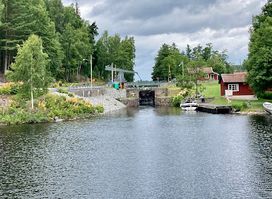
A compact, riveted steel aqueduct from 1868 where canal, road and rail converge above a rocky Swedish gorge—an industrial gem in the Dalsland landscape.

Dalslands dolda pärla: 61 hektar vild natur med brukshistoria, rikt djurliv och sjöglittrande leder i lugn reservatmiljö.