

Mariedal Castle Travel Guide
Free Guide: A refined 17th‑century manor in tranquil Västergötland, best appreciated from its cultivated grounds and occasional public events.


A brief summary of Mariedal Castle
A refined 17th‑century manor in tranquil Västergötland, best appreciated from its cultivated grounds and occasional public events.
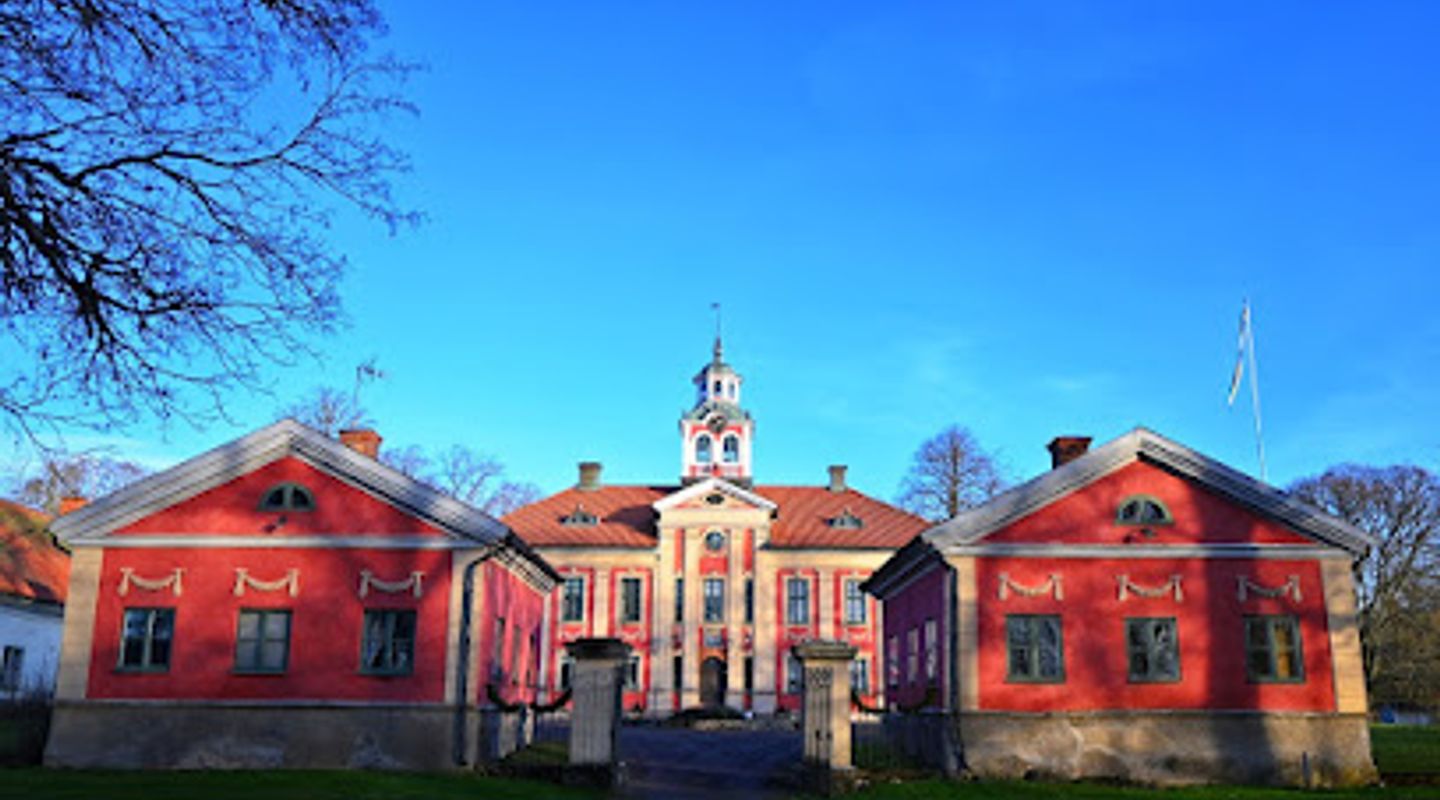
Mariedal Castle is a 17th‑century manor house set in parkland near Lundsbrunn in Västergötland, Sweden. The privately owned estate combines classical architecture, ornate interiors and surrounding gardens; the exterior and grounds are the main public attractions, with occasional special events or concerts held on site. The castle’s white façades, formal plantings and nearby trees make it a serene stop for a morning excursion or a photowalk.
On-site amenities
 Seating areas
 Information boards
 Trash bins
- Address
- 533 72 Lundsbrunn
Getting there
Car
Regional bus + walk
Taxi / Rideshare
Discover more about Mariedal Castle
Origins and architecture of the estate
Mariedal Castle began life as a manor on a site in Västergötland with parts dating to the 1600s, later shaped by 19th‑century renovation that refined the house into the symmetrical, classical form you see today. The building’s pale exterior and measured window rhythm reflect an era when country seats were remade to convey calm order and genteel hospitality. Period details — stucco work, refined paneling and a composed roofline — remain visible from the outside and hint at a richly finished interior.
Interior character and preserved fittings
Although the house is private and usually closed, accounts of the interior describe ornate ceiling stucco, elegantly proportioned rooms and a historical portrait collection that belonged to the estate’s owners. These features speak to the castle’s role as a regional seat of taste: richly textured walls, plaster mouldings and wood panelling would have framed family life and formal gatherings for centuries, even if access is limited to special openings.
Parkland, garden structures and immediate setting
The castle sits within historic grounds whose lawns, mature trees and planted walks create a framed foreground for the façade. Garden features such as a greenhouse structure, clipped beds and sheltered benches are often visible from public approaches and give the site a cultivated, intimate atmosphere. The surrounding agricultural landscape and belts of woodland reinforce the sense of a country retreat rather than an urban monument.
Seasonal atmosphere and sensory impression
In spring and summer the grounds appear verdant and quiet: birdsong, the scent of cut grass and the distant hum of insects are predominant; autumn draws warm ochres across tree canopies and a more contemplative light. Winters bring a spare stillness where the castle’s silhouette stands out against low skies. Across seasons the visual contrast between pale stone and green planting remains the defining image.
Uses, events and visitor expectations
Mariedal functions primarily as a private residence and estate; public access is therefore limited to views of the exterior and to occasional events such as concerts or open‑days when parts of the property are made available. Because the site is not operated as a full‑time museum, visitors should plan to enjoy the architecture, the façade details and the landscaped approach rather than a scheduled internal tour.
What to notice while you linger
Take time to study the compositional balance of the main façade, the relationship between the house and its garden rooms, and small architectural details: window surrounds, entrance proportions and any visible stone or plaster ornament. Notice how the planting beds and lines of trees direct attention to the central block; these landscape choices shape how the building is read at a distance as much as up close.
Evendo Review Centre
 Google
Guest reviews
Best time to go
Quietest: Jan, Feb & Dec · before 6am or from 7pm
Busy times are Evendo estimates for a typical year, to help you plan. Actual crowds vary with events, school holidays and the weather.
Explore Mariedal Castle on the map
A handpicked selection of must-see spots near Mariedal Castle, mapped for you.
Get your free copy of our complete guide to Mariedal Castle, delivered straight to you.
Everything on this page, from opening hours and how to get there to Eve’s tips and the best time to go, in one PDF you can read offline, print or share.
Already have an account? Sign in
Your Mariedal Castle guide is ready.
We'll send it to · Not you? Sign out

Getting your guide ready…
We are putting together a fresh copy of the Mariedal Castle guide. This can take up to a minute.
This can take a few moments. If your browser asks, choose Allow so the download can start. You'll find the guide in your Downloads folder.
Nothing happened? Download it again
Sorry, the guide is taking longer than usual. Please try again in a minute, or get it by email instead.
Other nearby places you may find interesting
The closest places of the same kind, if this one is not quite what you had in mind.
-
-
-
-
-


Swipe for more places
More to explore near Mariedal Castle

 Best experiences near Mariedal Castle
 Best hotels near Mariedal Castle
 Best landmarks near Mariedal Castle
 Best attractions near Mariedal Castle
 Best shops near Mariedal Castle
 Best restaurants near Mariedal Castle
 Best bars near Mariedal Castle
Do you manage this location?
Take control to get all the benefits, like improved information, better appearance, and stronger visibility across AI-powered discovery.
Explore more

Explore more of Västergötland
Discover Västergötland: A blend of historical treasures, natural beauty, and cultural richness in the heart of Sweden.
Explore Västergötland
Explore more of Sweden
Discover Sweden's breathtaking landscapes, vibrant cities, and rich cultural heritage. From the Northern Lights to historic castles, experience the essence of Scandinavia.
Explore Sweden
