Länsmuseet Gävleborg, Gastrikland Travel Guide
A red‑brick cultural anchor on the Gavleån, where art, textiles and regional heritage meet across four floors of exhibitions and collections.
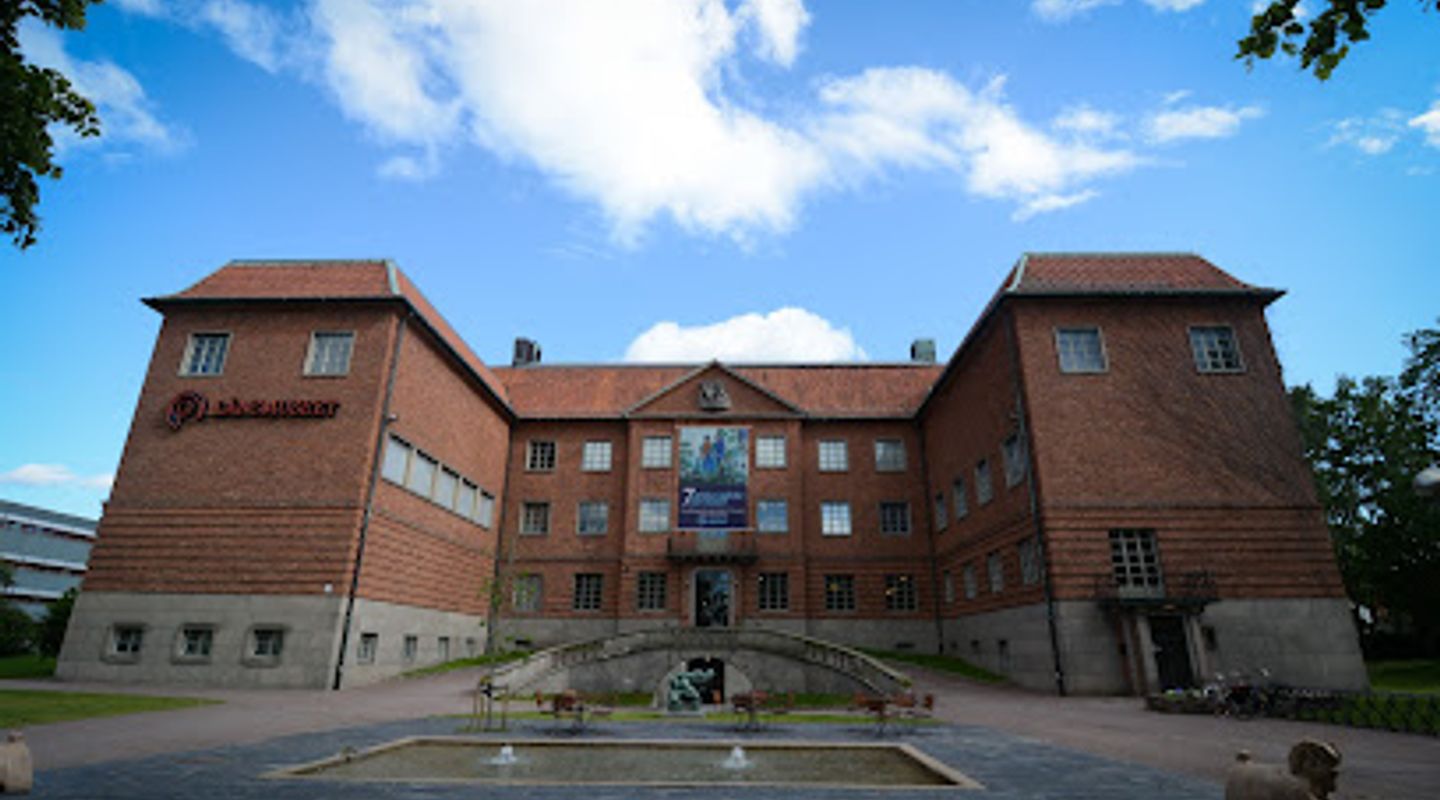
Housed in a distinctive red-brick building by the Gavleån, Länsmuseet Gävleborg presents Gävleborg County’s history, art and craft across four floors — from archaeological finds and regional heritage to an acclaimed collection of Swedish paintings and textiles spanning the 17th century to contemporary work. The museum combines permanent displays, rotating exhibitions, workshops and a visitor-friendly InfoPoint for local cultural programming.
A brief summary to Länsmuseet Gävleborg
- Södra Strandgatan 20, Gävle, 802 50, SE
- Click to display
- Duration: 1 to 3 hours
- Mid ranged
-
 Indoor
- Mobile reception: 4 out of 5
- Tuesday 11 am-5 pm
- Wednesday 11 am-5 pm
- Thursday 11 am-5 pm
- Friday 11 am-5 pm
- Saturday 12 pm-4 pm
- Sunday 12 pm-4 pm

Know before you go
Hi, I'm Eve. Here are a few practical things to know before exploring Länsmuseet Gävleborg.
- Check the museum’s opening hours before you go—weekday and weekend times differ, and Wednesday evenings often offer extended hours.
- Admission discounts are available for students and seniors; under‑20s may enter free—bring ID to verify concessions.
- Allow at least 1.5–2 hours to see core galleries; add more time if temporary exhibitions or workshops interest you.
- Use the museum’s InfoPoint for local brochures and seasonal programme details—staff can point you to county‑wide exhibitions and events.
Do you manage this location?
Take control to get all the benefits, like improved information, better appearance, and stronger visibility across AI-powered discovery. Learn more about listing your business on Evendo
Activate your presenceOther nearby places you may find interesting
The closest places of the same kind, if this one is not quite what you had in mind.

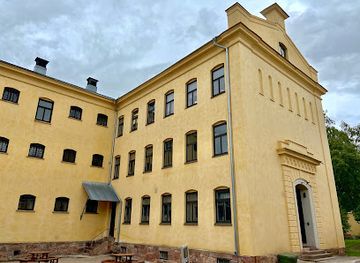
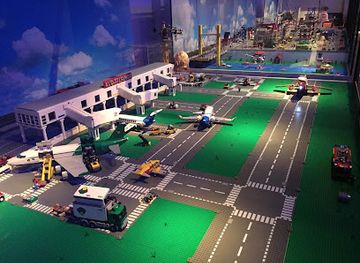
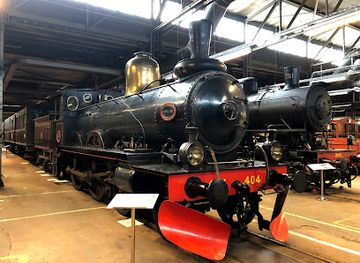
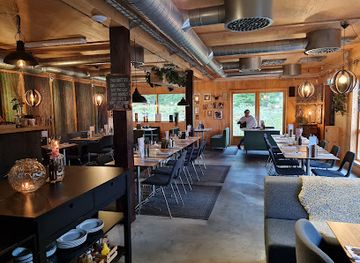
Explore Länsmuseet Gävleborg on the Map
A handpicked selection of must-see spots near Länsmuseet Gävleborg, mapped for you.
Getting There
-
Train + Walk
From Gävle Central Station by regional train: walking approach of approximately 3–7 minutes across mostly flat urban streets; terrain is paved and accessible with a stroller or wheelchair. Service frequency depends on the regional timetable; expect typical regional trains from nearby cities every 30–90 minutes. No fare is required for the short walk itself; train fares vary by operator—typical single fares from Stockholm are priced in Swedish krona and depend on booking class.
-
Local Bus
Local bus services connect central Gävle with stops near the museum; typical journey times from central bus stops are around 10–20 minutes depending on route and traffic. Buses run regularly during daytime hours but frequency reduces in early morning and late evening; tickets are bought via the regional transport app or at machines and cost in Swedish krona per trip.
-
Car / Taxi
Arriving by car or taxi: allow 10–20 minutes from outer districts depending on traffic. Street parking and paid parking facilities exist nearby but may have time limits or charges during daytime; some areas restrict parking during events. Taxi fares vary by company and distance and are payable in Swedish krona.
For the on-the-go comforts that matter to you
-
 Restrooms
-
 Drink Options
-
 Food Options
-
 Seating Areas
-
 Information Boards
-
 Visitor Center
Discover more about Länsmuseet Gävleborg
Building and historic origins
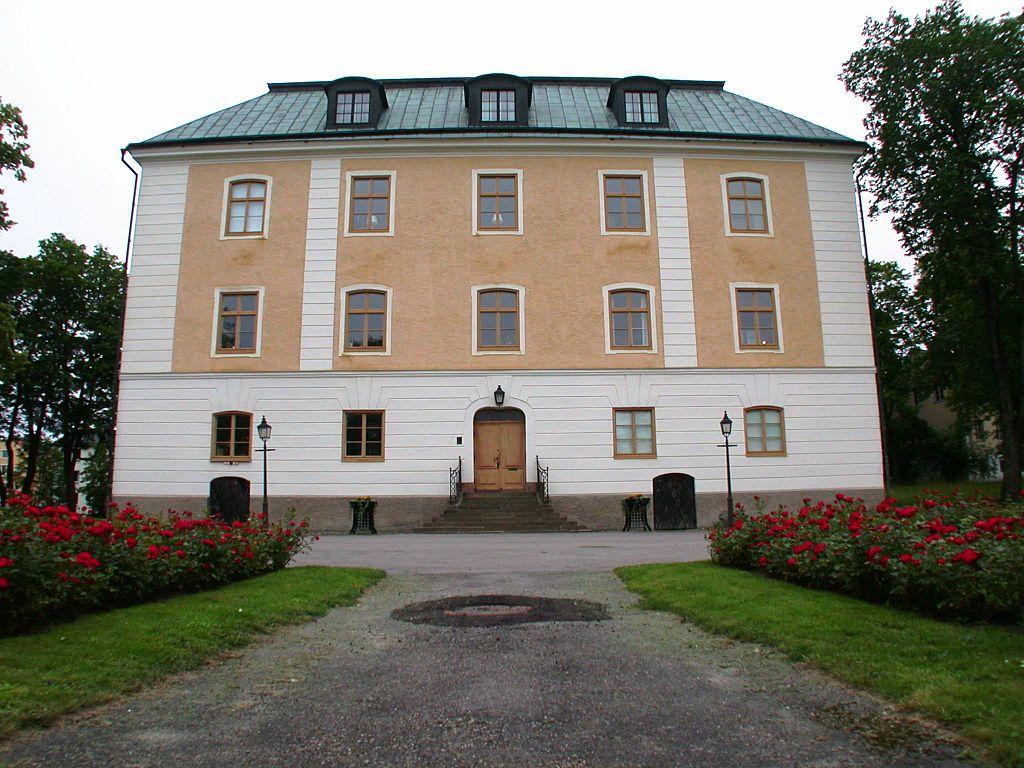
The museum sits in a large red-brick structure on Södra Strandgatan whose origins trace to early 20th‑century philanthropy and civic ambition; the building was conceived as a purpose-built museum and retains a solid, museumly presence with a clear central entrance and two wings. The physical form — robust brickwork, tall windows and measured volumes — frames galleries that rise across several levels and gives a sense of institutional care: archives, conservation spaces and exhibition halls are all accommodated under one roof.Collections that map a county
Länsmuseet Gävleborg brings together material from Gästrikland and Hälsingland: archaeological finds, domestic and folk objects, ceramics and industrial craft, and a particularly strong art collection. The art holdings range from 17th‑century portraits to 20th‑ and 21st‑century Swedish painting and sculpture, and the museum is also known for extensive textile collections that reveal design, craft and social history. Objects are arranged to show threads between local industry, everyday life and artistic practice, so a visit reads as both a visual tour and a regional archive.Permanent displays and temporary exhibitions
Around the permanent displays you’ll find rotating temporary exhibitions that open and refresh the museum’s public programme; the ground floor often hosts large thematic shows while upper galleries present curated selections from the permanent stores. Exhibition spaces vary from compact, intimate rooms for detailed objects to broader halls suitable for larger installations, which makes the museum adaptable to contemporary art, historical surveys and multidisciplinary projects.Research, conservation and outreach
Beyond public displays, the museum operates as a regional cultural institution: archaeologists, conservators and curators undertake fieldwork, documentation and preservation across the county, and parts of the collections are digitised and made available for study. The museum runs workshops, educational activities and outreach programmes, acting as both a repository and a living cultural resource for local communities and researchers.Visitor atmosphere and sensory character
Inside, the atmosphere shifts between quiet galleries for close looking and brighter, busier programme spaces where events and workshops take place. Light through tall windows softens the brick interior and the scent of old paper and waxed floors mixes with the cleaner, drier smell of modern galleries. The layout encourages slow movement: you can linger over a textile case, pause at a painted portrait, then step into a contemporary installation—each floor offers a different pace and tonal shift.Notable highlights and local stories
Highlights include an impressive roster of Swedish paintings and sculptures, important textile holdings that trace craft and design histories, and local ceramics and industry objects that tell the story of Gävle’s manufacturing past. The museum also hosts exhibitions and projects that travel around the county, ensuring that objects and expertise circulate beyond the city. For visitors interested in material culture, the mix of art, archaeology and design offers multiple entry points into the region’s identity and historical development.












Your all‑in‑one travel companion app
Explore expert travel guides, compare and book tours, experiences, hotels, and more—all from the palm of your hand. Download now for seamless trip planning wherever your wanderlust takes you.


Explore More of Gastrikland
Looking beyond Länsmuseet Gävleborg? Discover Gastrikland for broader travel guides, local hot-spots, and regional highlights.
Explore Gastrikland