Signalberget, Gastrikland Travel Guide
A compact wooded hill in Bomhus where Bronze Age burial mounds, rocky ledges and wildflowers meet suburban panoramas.
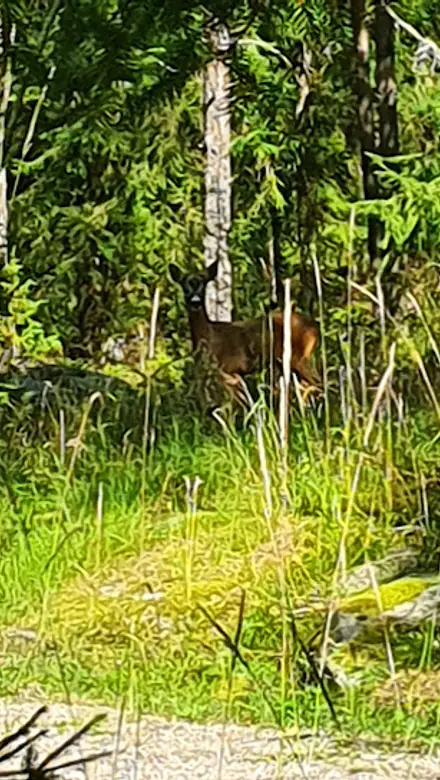
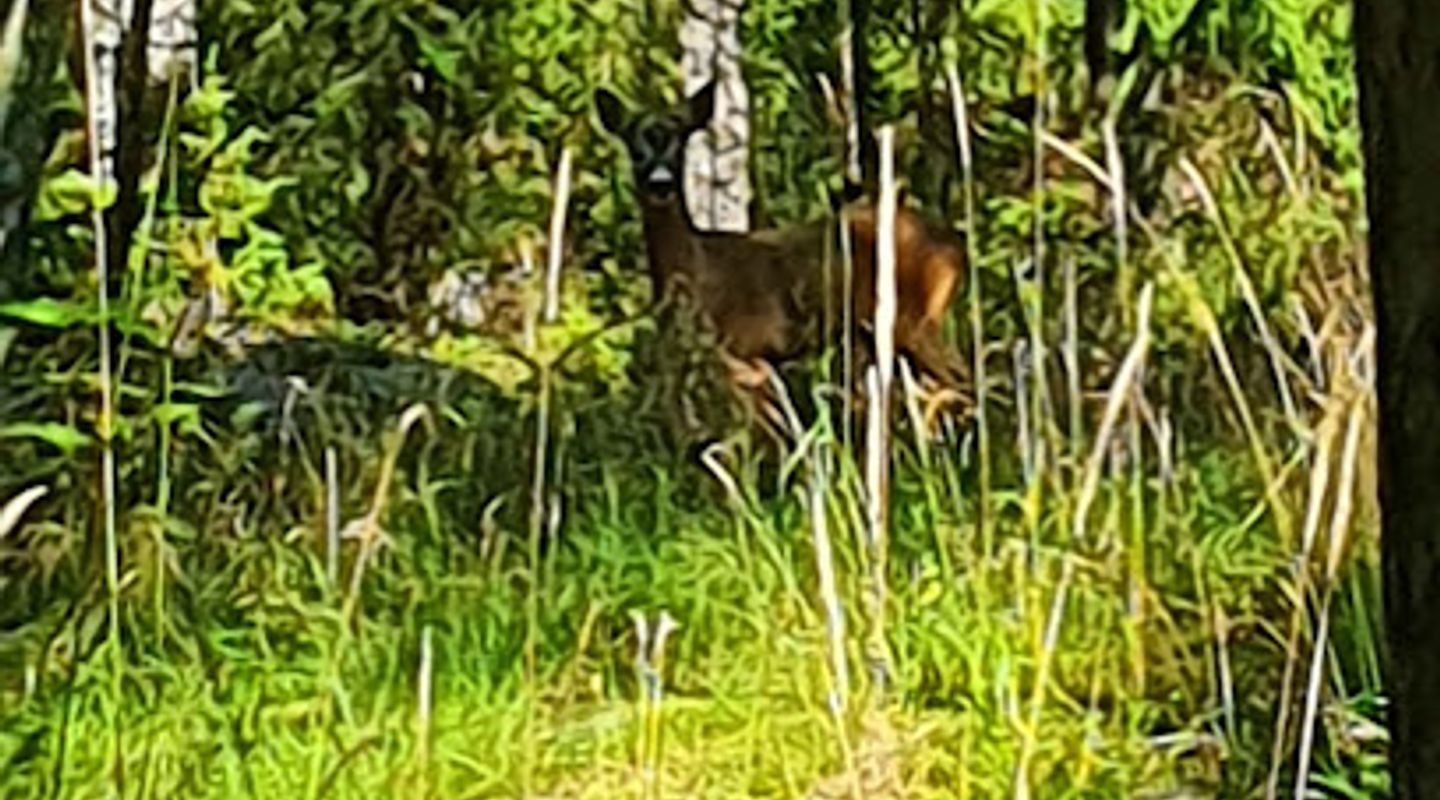
Signalberget is a wooded hill and small natural reserve in Bomhus, Gävle, notable for Bronze Age burial cairns, open rocky outcrops and views over the surrounding suburb and forested landscape. The site combines easy woodland paths, scattered wildflowers and historic earthworks that date back millennia, making it a compact spot for short walks, nature observation and a touch of local prehistory.
A brief summary to Signalberget
- Högstavägen, Gävle, 804 25, SE
- Duration: 0.5 to 2 hours
- Free
-
 Outdoor
- Mobile reception: 4 out of 5

Know before you go
Hi, I'm Eve. Here are a few practical things to know before exploring Signalberget.
- Wear sturdy shoes—paths are short but uneven and some rock slabs become slippery when wet.
- Respect the archaeological features: do not climb, move stones or disturb the burial mounds.
- Visit in late spring or early summer for wildflowers and possible orchid sightings in sheltered spots.
Do you manage this location?
Take control to get all the benefits, like improved information, better appearance, and stronger visibility across AI-powered discovery. Learn more about listing your business on Evendo
Activate your presenceOther nearby places you may find interesting
The closest places of the same kind, if this one is not quite what you had in mind.
Explore Signalberget on the Map
A handpicked selection of must-see spots near Signalberget, mapped for you.
Getting There
-
Bus and short walk
Local city buses that serve the Bomhus area provide a sensible option; typical on-bus travel from Gävle central stations takes around 15–25 minutes, followed by a 5–15 minute walk on uneven footpaths to the hilltop; buses run frequently during daytime but service frequency reduces in evenings and on Sundays; a single bus fare in the region is typically priced in local currency within a modest range appropriate for short urban journeys.
-
Taxi or rideshare
A taxi or rideshare from central Gävle takes approximately 10–20 minutes depending on traffic; this is the most direct door-to-door option and useful if you prefer to limit walking; expect variable pricing based on provider and time of day, with short urban trips usually charged at a modest fixed-plus-per-kilometre rate.
-
Cycle
Cycling from nearby neighbourhoods is convenient: plan for a 10–25 minute pedal depending on starting point; route includes minor roads and short stretches of mixed pedestrian paths; secure bicycle parking is limited so bring a lock and be prepared to wheel your bike on steeper or rocky sections.
For the on-the-go comforts that matter to you
-
 Seating Areas
-
 Information Boards
-
 Trash Bins
Discover more about Signalberget
Ancient earthworks on a modest hill
Signalberget preserves several Bronze Age burial mounds and related archaeological features that mark the hill as a place of ritual and memory for prehistoric communities. The largest cairn is substantial in diameter and rises noticeably from the ground, its rounded silhouette still readable among the pine and birch. Stone and turf combine with shallow depressions to reveal a landscape shaped by burial practices rather than modern landscaping.Character of the terrain and vegetation
The hill is compact: a mosaic of exposed granite outcrops, thin soils and mixed woodland that supports a surprising variety of plants for its size. In spring and early summer the understorey produces wildflowers and, in sheltered spots, uncommon orchids which favour the mycorrhizal connections of older woodland. The mixture of sunlit rock and shaded litter creates small microhabitats where mosses and lichens thrive and where bird song carries clearly on calmer days.Views, atmosphere and sensory details
From the higher rock ledges the site opens to modest panoramas over the surrounding Bomhus district and tree-lined suburbs; the panorama is best appreciated from the larger cairn or the adjacent slabs of bedrock. The air can smell of resin and warm stone on sunny days, while in wet weather the granite takes on a deep, muted tone and the sound of rain on needle-laden branches becomes prominent. Footsteps on the paths alternate between soft duff and the crisp clack of small stones.What to look for and why it matters
Signalberget’s main points of interest are the visible Bronze Age mounds, the pattern of old footpaths, and small exposures of bedrock with scattered glacial erratics. These features are tangible traces of centuries—both the prehistoric human mark on the hill and the slow geologic processes beneath it. Observing the form of the cairns, their relationship to the hilltop and the tree cover helps place the site in local cultural history without requiring specialist interpretation.Practical on-site experience
The site is compact and lends itself to short visits: a slow circuit that pauses at the cairns, inspects the lichen-covered stones and takes in the outlook will occupy less than an hour for most visitors. Paths are informal rather than engineered; the ground can be uneven and rooted in places, and sections of exposed rock can be slippery after rain. There are no large buildings or visitor facilities on the hill itself, so expect a simple, low-intervention experience focused on landscape and quiet observation.Local context and seasonal notes
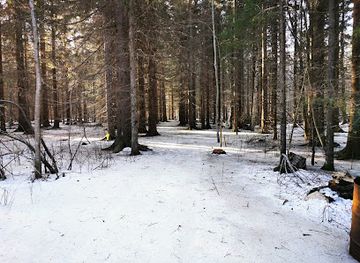
Signalberget sits within the Bomhus area of Gävle and reads as a small natural island amid suburban green space. In late spring and summer the hill is at its most botanically interesting; autumn brings a rich palette on the birch and rowan, and winter strips the canopy back to reveal the cairns’ profiles against the sky. The compact scale of the site makes seasonal changes immediately visible and rewarding for repeat visits.












Your all‑in‑one travel companion app
Explore expert travel guides, compare and book tours, experiences, hotels, and more—all from the palm of your hand. Download now for seamless trip planning wherever your wanderlust takes you.


Explore More of Gastrikland
Looking beyond Signalberget? Discover Gastrikland for broader travel guides, local hot-spots, and regional highlights.
Explore Gastrikland
A granite Viking-Age memorial tucked beside Skytteanum and Uppsala Cathedral — a quiet fragment of Uppland’s runic landscape.
A late‑19th‑century iron lightship built in Gävle, Almagrundet brings the sounds and tools of coastal navigation back to the Alderholmskajen waterfront.