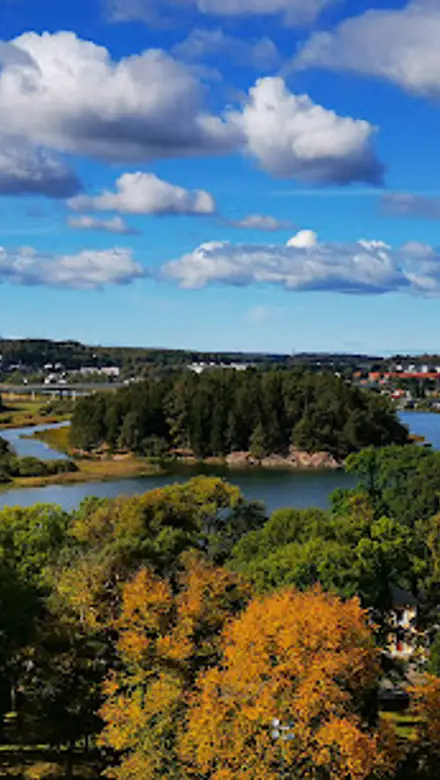
Bohus Fortress Travel Guide
Free Guide: A 1308 fortress of stone and sea views — layered with seven centuries of Nordic sieges, prisons and coastal history.


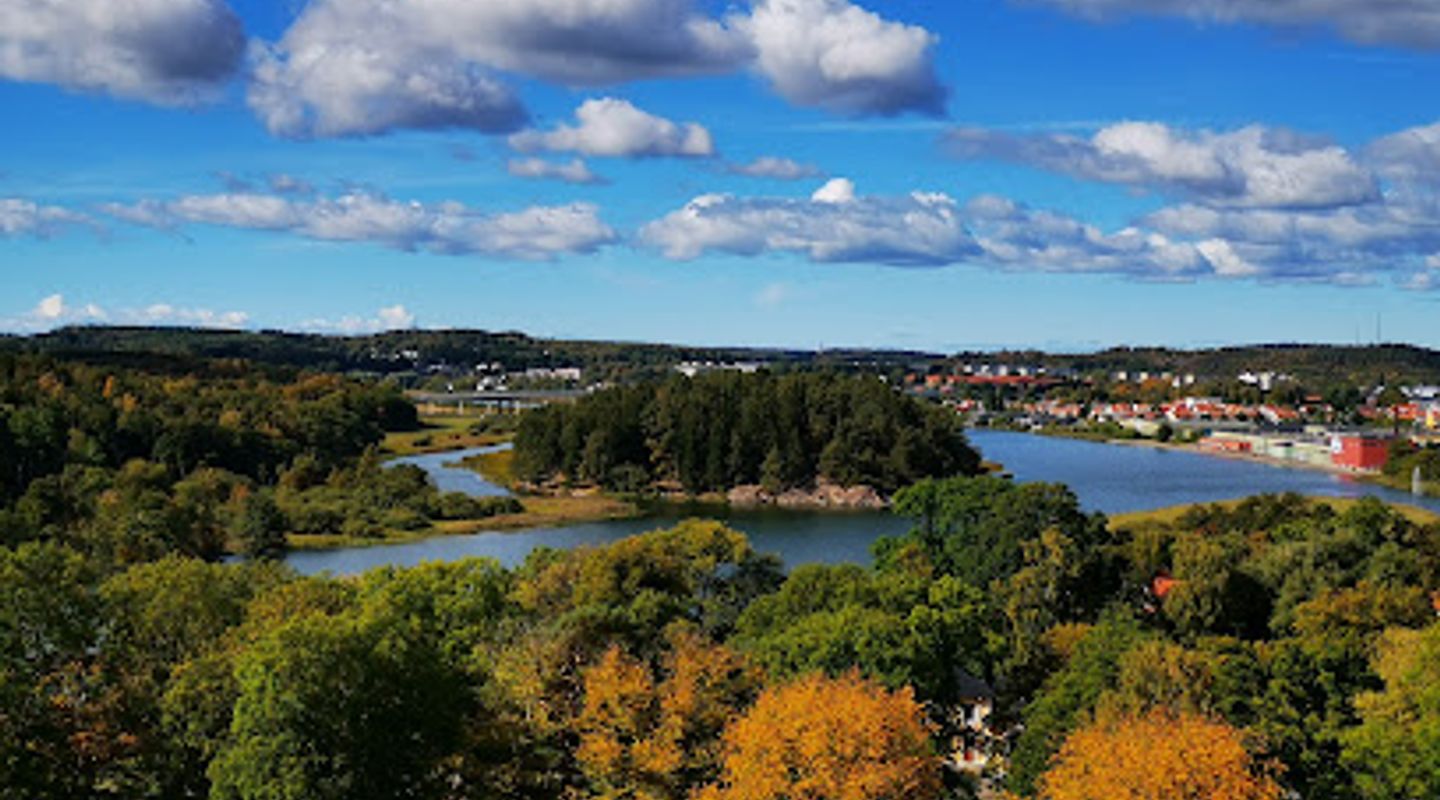
A brief summary of Bohus Fortress
A 1308 fortress of stone and sea views — layered with seven centuries of Nordic sieges, prisons and coastal history.
Perched on a rocky promontory above the Göta River at the edge of Kungälv, Bohus Fortress is a 14th‑century stronghold that has watched over the Nordic coast since 1308. The partly ruined complex combines thick medieval walls, surviving towers and atmospheric courtyards with museum displays about sieges, prisons and regional power. Expect rocky, uneven surfaces, interpretive panels, occasional living‑history programs and views across the river to Bohuslän.
On-site amenities
 Restrooms
 Drink options
 Food options
 Seating areas
 Information boards
Opening hours
- Every day10 am–6 pm
Opening hours as listed on the venue’s Google Business Profile. Hours can change for services and special events, so check with the venue before you go.
- Address
- Fästningsparken 3, 442 31 Kungälv
- Phone
- Website
Getting there
Regional bus from Gothenburg
Car
Organised tour or coach
Discover more about Bohus Fortress
Ancient ramparts with a coastal vantage
Bohus Fortress occupies a steep rocky spur that commands the Göta River’s southern approach and the surrounding coastal plain; its stone massing and surviving towers are legible reminders of medieval defensive design. Built from the early 1300s onward, the fortress was repeatedly reinforced and rebuilt over centuries, so the structures you see are a layered palimpsest of stonework — from thick curtain walls to rebuilt bastions — set against open sky and a panorama that links river, sea and archipelago.
Lives lived inside the walls
Beyond battles, Bohus functioned as a seat of power, administration and incarceration. Exhibitions inside the site present military equipment, artifacts and the social history of those who served and were held here; the dungeon and prison narratives provide a darker counterpoint to the ceremonial halls. The site’s story stretches from medieval Norwegian rule through the age of Nordic conflict and into later Swedish administration, giving the fortress a long, turbulent human chronology.
Architecture and material character
Stone, mortar and slate define Bohus’s tactile character: weathered blocks, moss in crevices, vaulted passages and worn stair treads that bear centuries of footfall. Portions stand in dramatic ruin while other areas retain reconstructed or repaired elements that illustrate defensive innovation. The juxtaposition of intact masonry and open-air ruins creates varied spatial experiences — close, claustrophobic corridors one moment and broad, wind-swept ramparts the next.
Visitor experience and seasonal rhythms
The fortress is primarily an outdoor ruin; paths are often rocky and uneven, and several areas are intentionally restricted for safety. Seasonal rhythms shape the site: longer opening hours and event programming appear in summer while shoulder seasons offer quieter exploration. Interpretive signage and a digital multilingual guide help contextualise what you see; occasional medieval reenactments, family activities and evening events add color to the historic fabric.
Sensory details and atmosphere
On approach you’ll notice the fortress’s silhouette against the sky, gulls and river sounds below, and the tactile contrast between sun‑warmed stone and cooler shadowed vaults. Inside, the air can feel cooler and stiller, with echoes from arched chambers and the granular smell of old stone after rain. From the higher points, the view opens across water and cultivated land — a reminder of why the site was chosen and fiercely held for centuries.
Practical character and conservation
Bohus is managed as a historic ruin and cultural site: interventions are conservative, focused on stabilisation, interpretation and visitor safety. Accessibility is limited in parts because of the natural rock and uneven surfaces; facilities and seasonal services (café, ticketing, events) vary through the year. The fortress is both a museum and a landscape — its care balances enabling public access with protecting vulnerable structures and archaeological remains.
Evendo Review Centre
 Google
Guest reviews
Best time to go
Quietest: Jan, Feb & Mar · before 8am or from 8pm
Busy times are Evendo estimates for a typical year, to help you plan. Actual crowds vary with events, school holidays and the weather.
Explore Bohus Fortress on the map
A handpicked selection of must-see spots near Bohus Fortress, mapped for you.
Get your free copy of our complete guide to Bohus Fortress, delivered straight to you.
Everything on this page, from opening hours and how to get there to Eve’s tips and the best time to go, in one PDF you can read offline, print or share.
Already have an account? Sign in
Your Bohus Fortress guide is ready.
We'll send it to · Not you? Sign out

Getting your guide ready…
We are putting together a fresh copy of the Bohus Fortress guide. This can take up to a minute.
This can take a few moments. If your browser asks, choose Allow so the download can start. You'll find the guide in your Downloads folder.
Nothing happened? Download it again
Sorry, the guide is taking longer than usual. Please try again in a minute, or get it by email instead.
Other nearby places you may find interesting
The closest places of the same kind, if this one is not quite what you had in mind.
-
-
-
-
-


Swipe for more places
More to explore near Bohus Fortress

 Best experiences near Bohus Fortress
 Best hotels near Bohus Fortress
 Best landmarks near Bohus Fortress
 Best attractions near Bohus Fortress
 Best shops near Bohus Fortress
 Best restaurants near Bohus Fortress
 Best bars near Bohus Fortress
Do you manage this location?
Take control to get all the benefits, like improved information, better appearance, and stronger visibility across AI-powered discovery.
Explore more
Explore more of Götaland
Discover Götaland: Explore Southern Sweden's Rich History, Breathtaking Landscapes, and Vibrant Culture
Explore Götaland
Explore more of Sweden
Discover Sweden's breathtaking landscapes, vibrant cities, and rich cultural heritage. From the Northern Lights to historic castles, experience the essence of Scandinavia.
Explore Sweden