

Rauk: The Dog, Gotaland Travel Guide
A windswept limestone pillar on Fårö coast, naturally carved into a striking dog‑shaped silhouette — a small, tactile monument to sea, time and weather.
A solitary limestone stack sculpted by sea and wind into an unmistakable dog‑like silhouette, Rauk: The Dog stands on Fårö’s ragged coastline near Lauters. This rauk is part of Gotland’s distinctive post‑glacial limestone landscape: pale, pitted, and textured by salt and time. The site rewards close study for its layered bedding, tiny marine fossils and a windswept sense of isolation that changes light by minute and season.
A brief summary to Rauk: The Dog
- W3VQ+J8, Lauters, SE
- Duration: 0.5 to 1.5 hours
- Free
-
 Outdoor
- Mobile reception: 3 out of 5

Know before you go
Hi, I'm Eve. Here are a few practical things to know before exploring Rauk: The Dog.
- Wear sturdy, non‑slip shoes — the coastal rock platform can be uneven and slippery when wet.
- Bring a windproof layer; the site is exposed and conditions change rapidly, even on mild days.
- Visit at low sun (early morning or late afternoon) for the most dramatic shadows and texture on the stone.
- Respect signage and avoid climbing on the rauk; the formation and surrounding flora are fragile.
Do you manage this location?
Take control to get all the benefits, like improved information, better appearance, and stronger visibility across AI-powered discovery. Learn more about listing your business on Evendo
Activate your presenceOther nearby places you may find interesting
The closest places of the same kind, if this one is not quite what you had in mind.
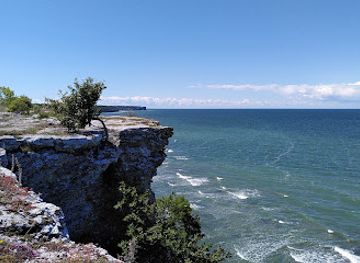
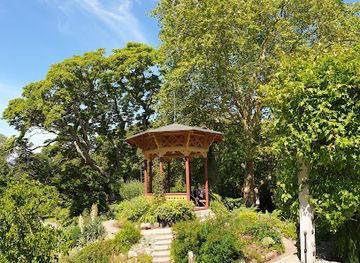
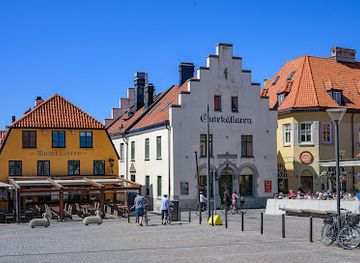
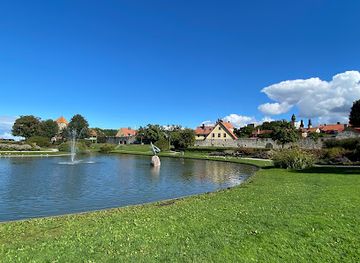
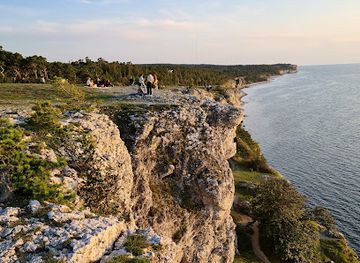
Explore Rauk: The Dog on the Map
A handpicked selection of must-see spots near Rauk: The Dog, mapped for you.
Getting There
-
By car
Drive from the nearest larger settlement on Fårö; typical travel time from central Fårö villages is 10–25 minutes depending on start point and rural road speeds. Parking is informal and limited to small laybys; during busy periods spaces may be scarce and terrain can be uneven. No guaranteed paid parking facilities — free roadside parking is normal but expect loose gravel and uneven ground.
-
Public bus + walk
Local seasonal bus services connect Fårö’s main stops to nearby villages; allow 20–40 minutes for bus travel plus a 10–30 minute walk over mixed coastal paths to reach the viewpoint. Bus frequency is limited outside summer months and services may run at reduced times; check current timetables in advance. A bus ticket typically costs a modest fare in Swedish krona for short island hops (variable by operator).
-
Bicycle
Cycling is a popular way to explore Fårö; expect 15–40 minutes of pedalling from nearby villages depending on route and fitness. Terrain is mostly flat but may include loose track sections; bicycles should be suitable for light off‑road use. There are no formal bike hire stations at the rauk itself; seasonal hire is available in island towns with hourly or daily rates.
For the on-the-go comforts that matter to you
-
 Information Boards
-
 Seating Areas
Discover more about Rauk: The Dog
What the formation is and how it was made
Rauk: The Dog is a rauk — a freestanding pillar of limestone left behind where surrounding rock has been worn away by waves and weather over millennia. The local bedrock is calcareous sandstone and limestone deposited in shallow Ordovician seas; freeze–thaw cycles, salt crystallisation and relentless coastal erosion have sculpted the column into a recognisable animal outline. The result is a tactile object: under your fingers the rock is pitted, sometimes honeycombed, and cross‑sections reveal thin bedding planes and fossil fragments embedded in pale stone.The site’s character and sensory details
The rauk sits against an exposed shoreline where wind and spray are constant companions; on a blustery day you’ll hear surf breaking and gulls calling while salt mists ghost across the surface of the stone. Sun and cloud transform the colours quickly — washed chalky white in bright light, mottled grey under high clouds, and rimmed with bronze where lichens cling. Rock‑pools nearby sometimes mirror the sky and hold wriggling crustaceans; the air smells of brine and warmed seaweed on calm afternoons.Nearby landscape and geological context
Rauk: The Dog anchors a coastal sequence of cliffs, skerries and scattered rauks that together tell the story of the island’s coastal evolution. The immediate platform is uneven, with little hummocks of grass and patches of hardy coastal flora that resist salt and wind. From the rauk you can scan a shoreline of broken slabs and smaller pinnacles — evidence of continuous erosion and the same processes that forged the Dog itself — and traces of ancient shorelines revealed by stranded boulders and terraces.Cultural notes and local associations
Islands like Fårö have long folded rauks into local stories and place names; singular rock figures are easy to anthropomorphise and have served as waypoints in fisher lore and as inspiration for artists and photographers. The dog shape has been a frequent subject for images and postcards precisely because it reads immediately at human scale — the formation seems to listen out to sea and, in changing weather, to adopt different moods.Visitor experience and what to look for closely
When you approach the column, slow down and look from several angles: the profile that resembles a snout only resolves from a narrow sector, while other vantage points emphasise the vertical strata and fossil flecks. Pay attention to biological details — barnacle scars, crusty lichens and tiny flowering plants — and to the stone’s textural layers that record tiny shifts in ancient sea levels. Early or late light sharpens the silhouette; overcast conditions reveal subtler surface patterns.Preservation and respectful behaviour
This rauk is a natural monument formed by slow geological processes and fragile coastal ecosystems; avoid climbing on the column or removing loose fragments. Stick to stable ground, keep pets under control and leave the immediate rock and plant life undisturbed so that the sculpted forms and the tiny organisms that live on them remain for others and for future seasons.












Your all‑in‑one travel companion app
Explore expert travel guides, compare and book tours, experiences, hotels, and more—all from the palm of your hand. Download now for seamless trip planning wherever your wanderlust takes you.


Explore More of Gotaland
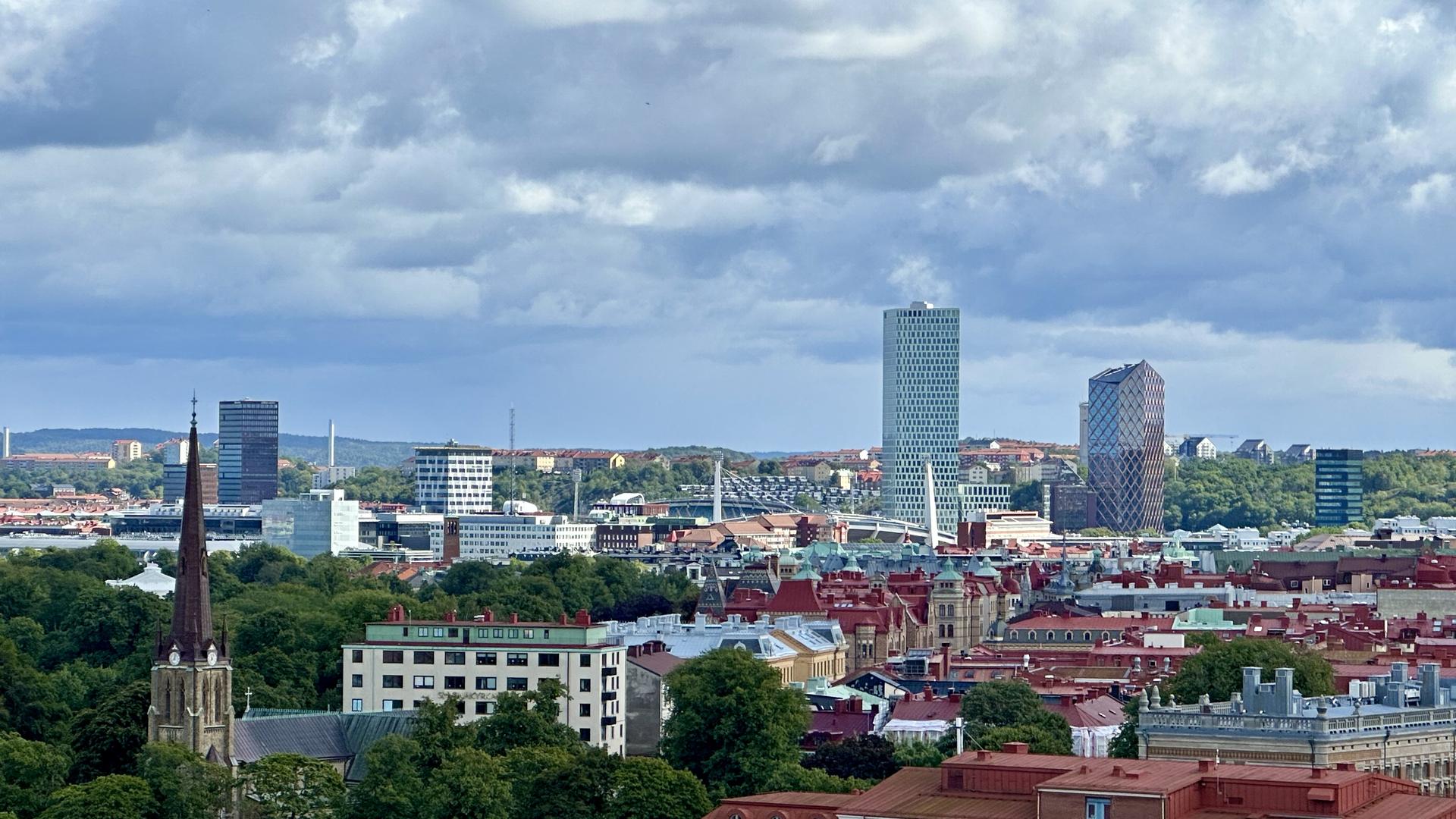
Looking beyond Rauk: The Dog? Discover Gotaland for broader travel guides, local hot-spots, and regional highlights.
Explore Gotaland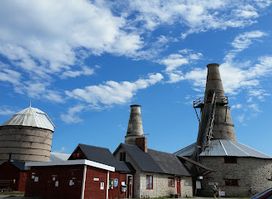
Step into Gotland's lime heritage at preserved kilns and workshops revealing the grit and ingenuity of Sweden's industrial past.

Tiny but dramatic rauk field on northwest Fårö where sculpted limestone stacks, a medieval harbor basin and ancient graves compress millennia of coastal history.
