Drottens ruin, Gotaland Travel Guide
Whispers of Old Norse gods echo through 13th-century arches in Visby's German parish ruin, a timeless portal to Hanseatic glory amid sister stones.
Nestled in Visby's medieval heart, Drottens Ruin stands as a poignant remnant of a 13th-century church built for the German merchant community. Known from Old Norse as 'ruler' or 'God,' this open-air site evokes the Hansa trading era's prosperity and decline, with weathered stone arches framing the sky amid the island's historic core. Free access reveals layers of Gutnish history, perfect for quiet reflection amid urban ruins.
A brief summary to Drottens ruin
- Syskongatan 4, Visby, 621 56, SE
- Click to display
- Duration: 0.5 to 1.5 hours
- Free
-
 Outdoor
- Mobile reception: 5 out of 5
- Monday 10 am-6 pm
- Tuesday 10 am-6 pm
- Wednesday 10 am-6 pm
- Thursday 10 am-6 pm
- Friday 10 am-6 pm
- Saturday 10 am-6 pm
- Sunday 10 am-6 pm

Know before you go
Hi, I'm Eve. Here are a few practical things to know before exploring Drottens ruin.
- Visit in late afternoon for golden light illuminating the arches, enhancing the ruin's photogenic decay.
- Pair with S:t Lars across the street for the full 'Sister Churches' experience and shared historical context.
- Note the Christopher Polhem sculpture nearby, tying medieval faith to Enlightenment ingenuity.
- Come May-October when gates open daily; off-season, view from outside the fence.
Do you manage this location?
Take control to get all the benefits, like improved information, better appearance, and stronger visibility across AI-powered discovery. Learn more about listing your business on Evendo
Activate your presenceOther nearby places you may find interesting
The closest places of the same kind, if this one is not quite what you had in mind.
Explore Drottens ruin on the Map
A handpicked selection of must-see spots near Drottens ruin, mapped for you.
Unlock the Best of Drottens ruin
Buy tickets
-
No tickets available
Book tours with entry

Book tours without entry

Getting There
-
Walking
From Visby Ringmur's Norderport, stroll 10-15 minutes south along pedestrian lanes; flat cobblestone terrain suits all ages, no fees or restrictions.
-
Bus
Take Gotland local bus from Visby harbor to Stora Torget stop, 5-8 minutes ride, departs every 20-30 minutes daily, fares 25-40 SEK depending on zones.
-
Bicycle
Rent bikes from city stations near ferry terminal, 8-12 minute pedal through medieval streets; secure racks nearby, helmets recommended, daily rental 100-150 SEK.
-
Taxi
Hail from Visby Airport or center, 5-7 minute trip covering 2km, metered rates start at 50 SEK plus 12 SEK/km, available 24/7 but pricier off-peak.
For the on-the-go comforts that matter to you
-
 Information Boards
-
 Trash Bins
-
 Seating Areas
Discover more about Drottens ruin
Medieval Origins Amid Hansa Trade
Drottens Ruin emerged around 1240 as the parish church for Visby's German traders, part of the central congregation beneath the cliffs. Originally named S:t Trinitatis, or the Church of the Trinity, it soon earned its moniker from 'Drotten,' an Old Norse term denoting a ruler, slave owner, or the Lord God Himself. This linguistic shift mirrors the cultural fusion in Visby, Scandinavia's richest Hanseatic hub during the Middle Ages.The church's construction coincided with Gotland's commercial zenith, when ships laden with furs, amber, and grain crowded the Baltic harbors. Stone walls rose swiftly, blending local limestone with influences from distant masons, creating a modest yet sturdy nave that served a thriving expatriate flock.Sister Churches and Local Lore
Directly across Syskongatan lies S:t Lars Ruin, forming the famed 'Sister Churches' with Drotten. Legend whispers of two quarreling sisters, each commissioning a sanctuary to avoid sharing pews—a tale that captures Visby's sibling rivalries among parishes. Though apocryphal, it underscores the proliferation of over a dozen churches in this compact city by the 13th century.These paired ruins exemplify Visby's ecclesiastical density, where faith and fortune intertwined. Drotten catered specifically to German speakers, highlighting ethnic divisions even in prayer, while nearby sites like S:t Olof honored Nordic saints such as King Olaf Haraldsson, slain at Stiklestad in 1030.Decline After Reformation
Prosperity waned post-1361, when Danish King Valdemar Atterdag sacked Visby, stripping its autonomy. The Reformation in the 1530s sealed the churches' fate; Protestant shifts abandoned Catholic structures, leaving Drotten to decay into a roofless shell. By the 1500s, it doubled as livestock pens, refuse heaps, and quarries, its stones repurposed for utilitarian builds.Centuries of neglect buried artifacts under debris, yet the site's bones endured, arches defying erosion while ivy claimed the mortar. This transformation from sacred space to mundane utility reflects Gotland's turbulent transition from medieval powerhouse to quiet periphery.Rediscovery and Preservation
National protection arrived in 1805, but serious restoration waited until the late 19th century. Cleanup efforts revealed intricate brickwork and early gravestones inscribed in Gutnish, the island's archaic dialect. Today, Gotlands Museum oversees Drotten alongside siblings like S:t Hans and S:ta Gertrud, maintaining open access from May to October.A sculpture of Christopher Polhem, the 18th-century inventor, stands sentinel nearby, linking industrial innovation to medieval legacy. These efforts preserve not just stone, but echoes of masses, markets, and migrations that shaped Visby.Atmospheric Essence Today
Wander the ruin's confines to sense its quiet magic: sunlight filters through jagged vaults, casting shadows on fragmented floors worn by forgotten footsteps. In Visby's walled core, Drotten offers serene respite amid cobblestone lanes, inviting contemplation of time's passage. Seasonal blooms soften the austerity, while summer hosts occasional concerts amplifying the acoustic intimacy.












Your all‑in‑one travel companion app
Explore expert travel guides, compare and book tours, experiences, hotels, and more—all from the palm of your hand. Download now for seamless trip planning wherever your wanderlust takes you.


Explore More of Gotaland
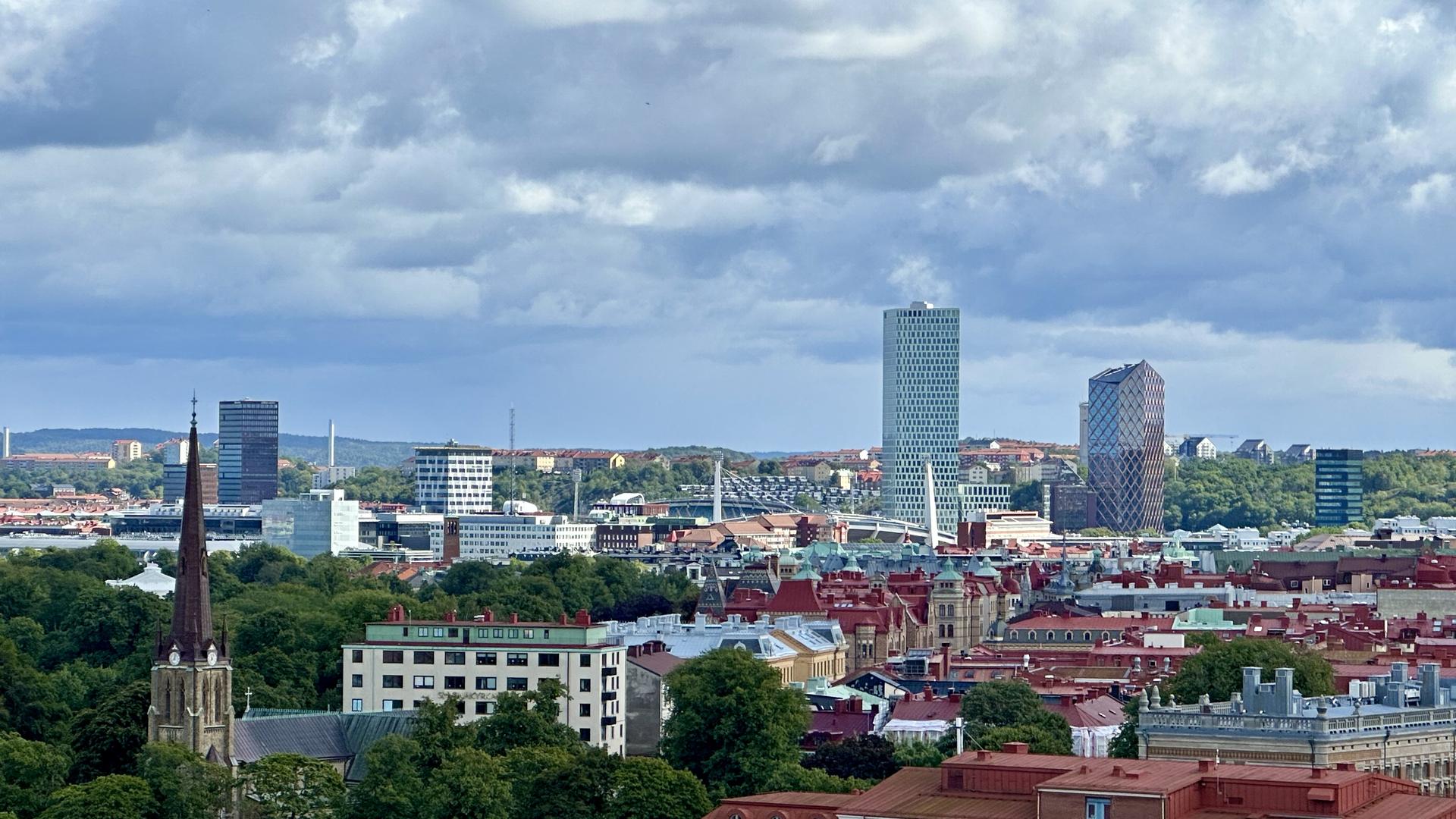
Looking beyond Drottens ruin? Discover Gotaland for broader travel guides, local hot-spots, and regional highlights.
Explore Gotaland