
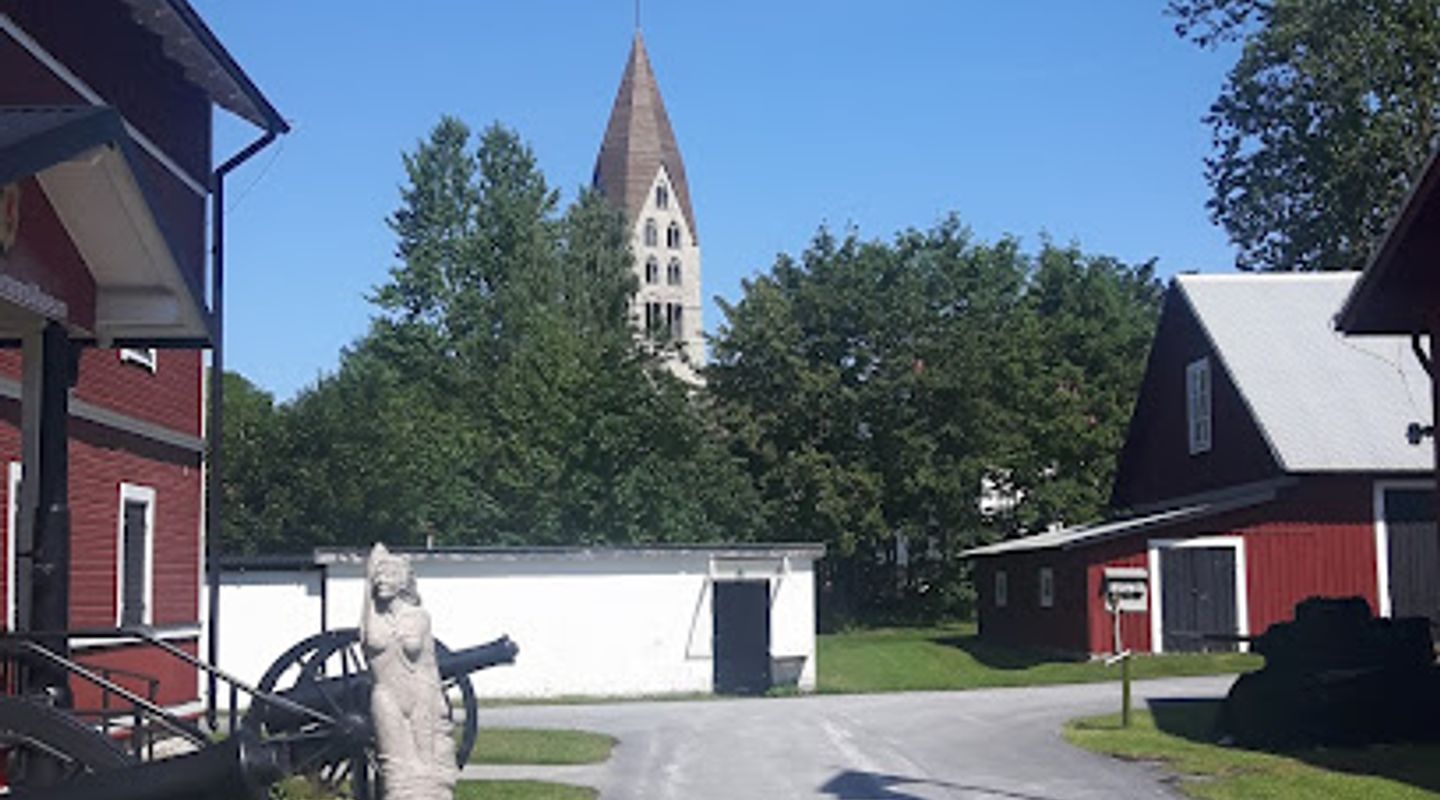
Gotland Defense Museum, Gotaland Travel Guide
Two linked sites in Tingstäde that bring Gotland’s army, navy and air-force history to life through vehicles, aircraft and focused collections.
A two-part military museum near Tingstäde that traces Gotland’s defence from historic artillery to Cold War aircraft and naval kit, with outdoor armour displays and an interior of uniforms, instruments and interpretation spread across an Army site and a separate Air Force & Navy division about 1.8 km away.
A brief summary to Gotland Defense Museum
- Förrådsvägen 4, Tingstäde, 624 44, SE
- Click to display
- Click to display
- Duration: 1 to 3 hours
- Mid ranged
-
 Mixed
Mixed
- Mobile reception: 4 out of 5
- Thursday 10 am-4 pm
- Friday 10 am-4 pm

Know before you go
Hi, I'm Eve. Here are a few practical things to know before exploring Gotland Defense Museum.
- Allow at least 1.5–3 hours to visit both divisions; they are on separate sites about 1.8 km apart so plan time to move between them.
- Check seasonal opening days before you go: the Army and Air & Navy sections operate on different timetables and have reduced hours outside summer.
- Warm outerwear is useful for outdoor vehicle displays; many exhibits are best appreciated up close and in brisk air.
Do you manage this location?
Take control to get all the benefits, like improved information, better appearance, and stronger visibility across AI-powered discovery. Learn more about listing your business on Evendo
Activate your presenceOther nearby places you may find interesting
The closest places of the same kind, if this one is not quite what you had in mind.
Explore Gotland Defense Museum on the Map
A handpicked selection of must-see spots near Gotland Defense Museum, mapped for you.
Getting There
-
By car
Drive from central Visby by regional roads to Tingstäde in about 25–35 minutes depending on season traffic; limited on-site parking is typically available but may fill on busy summer days, and rural roads can be narrow; there is no guaranteed paid parking fee for the site.
-
Local bus + walk
Take the regional bus service that connects Visby with northern villages to Tingstäde (journey time roughly 30–50 minutes depending on timetable); services run less frequently outside summer so check the current schedule; from the village bus stop a level walk of 10–20 minutes on village streets brings you to the Army division.
-
Taxi or rideshare
A taxi from Visby takes about 20–30 minutes; fares typically vary with season and operator—expect a moderate regional fare in Swedish krona; taxis are useful if visiting both divisions in a short time as they reduce transfer time between the two sites.
For the on-the-go comforts that matter to you
-
 Restrooms
-
 Seating Areas
-
 Information Boards
Discover more about Gotland Defense Museum
A compact military narrative spread across two sites
The Gotland Defence Museum is organised as two linked divisions: an Army section set in Tingstäde with exhibition halls, vehicles and outdoor armour displays, and an Air Force & Navy section roughly two kilometres south that houses aircraft, naval equipment and technical displays. The split layout creates a sense of progression from land-based formations to the island’s sea-and-air defences, with each site presenting different types of objects and atmospheres.Collections and standout exhibits
Interior rooms are dense with uniforms, small arms, instruments and interpretive panels that chart Gotland’s strategic role in Swedish defence, while the grounds display full-size vehicles — from armoured personnel carriers to tanks — that invite close inspection. The Air Force & Navy section features at least one fighter jet and naval ordnance items that illustrate coastal surveillance and maritime protection, giving tangible scale to Cold War-era and contemporary defence systems.Setting and visitor experience
The Army site sits within a modest compound in Tingstäde, where the hush of the countryside and the geometry of parade-ground layouts make the outdoor exhibits feel purposeful rather than theatrical. Pathways and yards link hangars and halls; indoors, exhibits are arranged to allow focused study of objects, while outdoors the metallic sheen of vehicles contrasts with Gotland’s grassy, windswept landscape.Practical rhythms and seasonal pattern
Opening days and times differ between the two divisions and vary through the year, with the museum operating more frequently during the summer months and more limited visiting opportunities outside the high season. That seasonal rhythm shapes how the site is experienced: in summer it feels like a full museum complex to explore at leisure, while in shoulder months it functions more as a curated appointment-based site.Interpretation and atmosphere
Interpretive material emphasises technical detail and local history, from historic artillery and parade traditions to surveillance technologies and island defence planning. The atmosphere ranges from intimate indoor displays, where labels and photographs invite close reading, to the open, slightly raw character of vehicle parks where wind and weather are part of the story.Why the site matters to Gotland
Gotland’s geographical position in the Baltic has shaped its strategic significance; this museum collects the island’s military artefacts and institutional memory into a single interpretive project. Together, the two divisions map a continuity of defence concerns — manpower, terrain, maritime access and airspace — giving visitors a compact overview of how an island community organised to protect itself across different eras.












Your all‑in‑one travel companion app
Explore expert travel guides, compare and book tours, experiences, hotels, and more—all from the palm of your hand. Download now for seamless trip planning wherever your wanderlust takes you.


Explore More of Gotaland
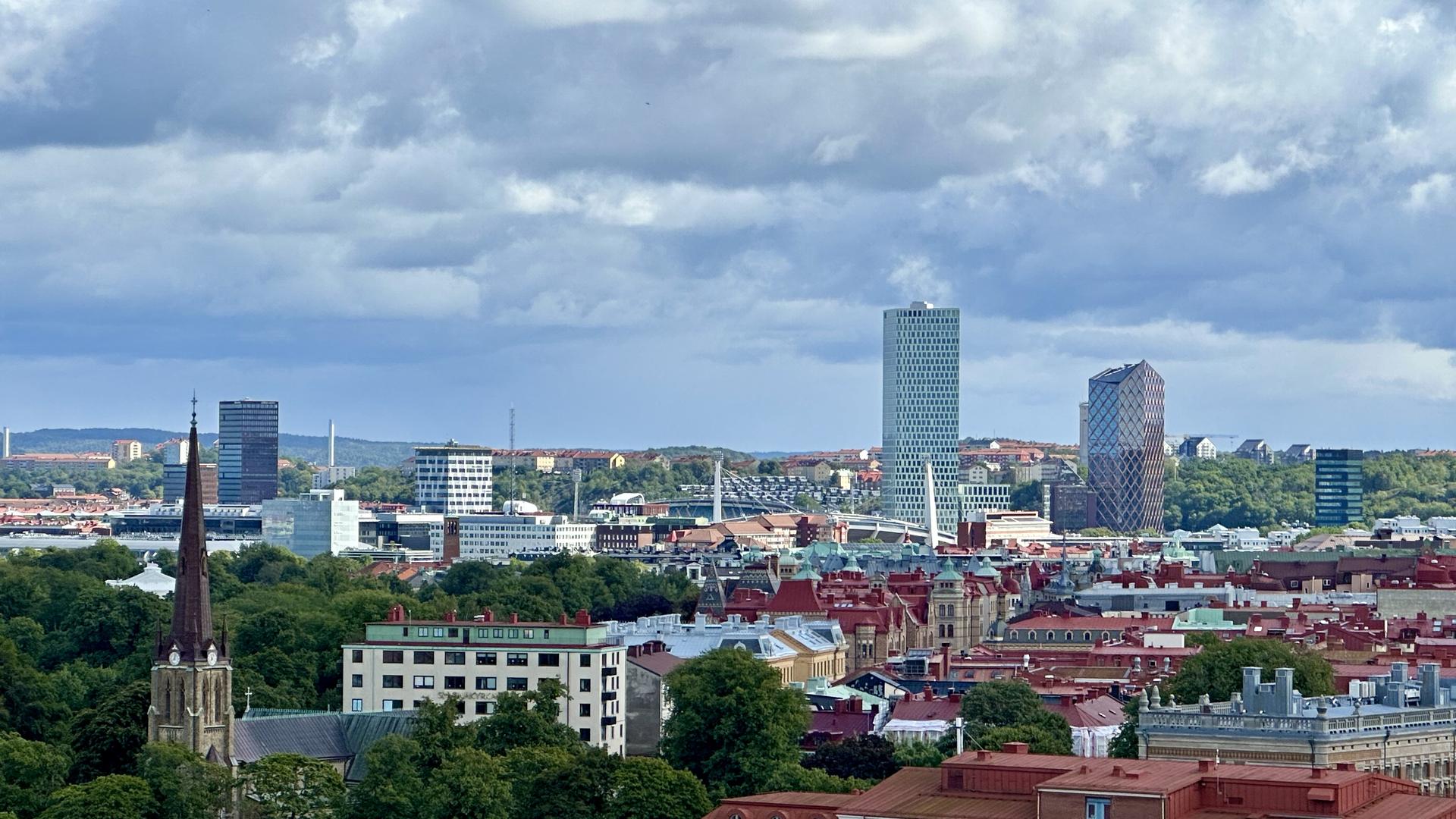
Looking beyond Gotland Defense Museum? Discover Gotaland for broader travel guides, local hot-spots, and regional highlights.
Explore Gotaland
A riverside micro-studio where bottles and broken glass are melted into one-of-a-kind functional art beside the Lummelunda canal.
A small, working Gotland sheep farm that pairs cured meats, lambskins and leather craft with a relaxed, rural visiting experience.
