Grogarnsberget, Gotaland Travel Guide
An exposed Gotland plateau of cliffed coast, sheep-grazed heath and the remains of a large ancient hillfort offering raw seaside panoramas.
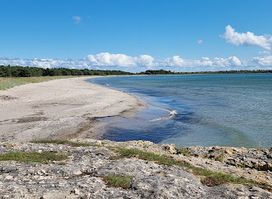
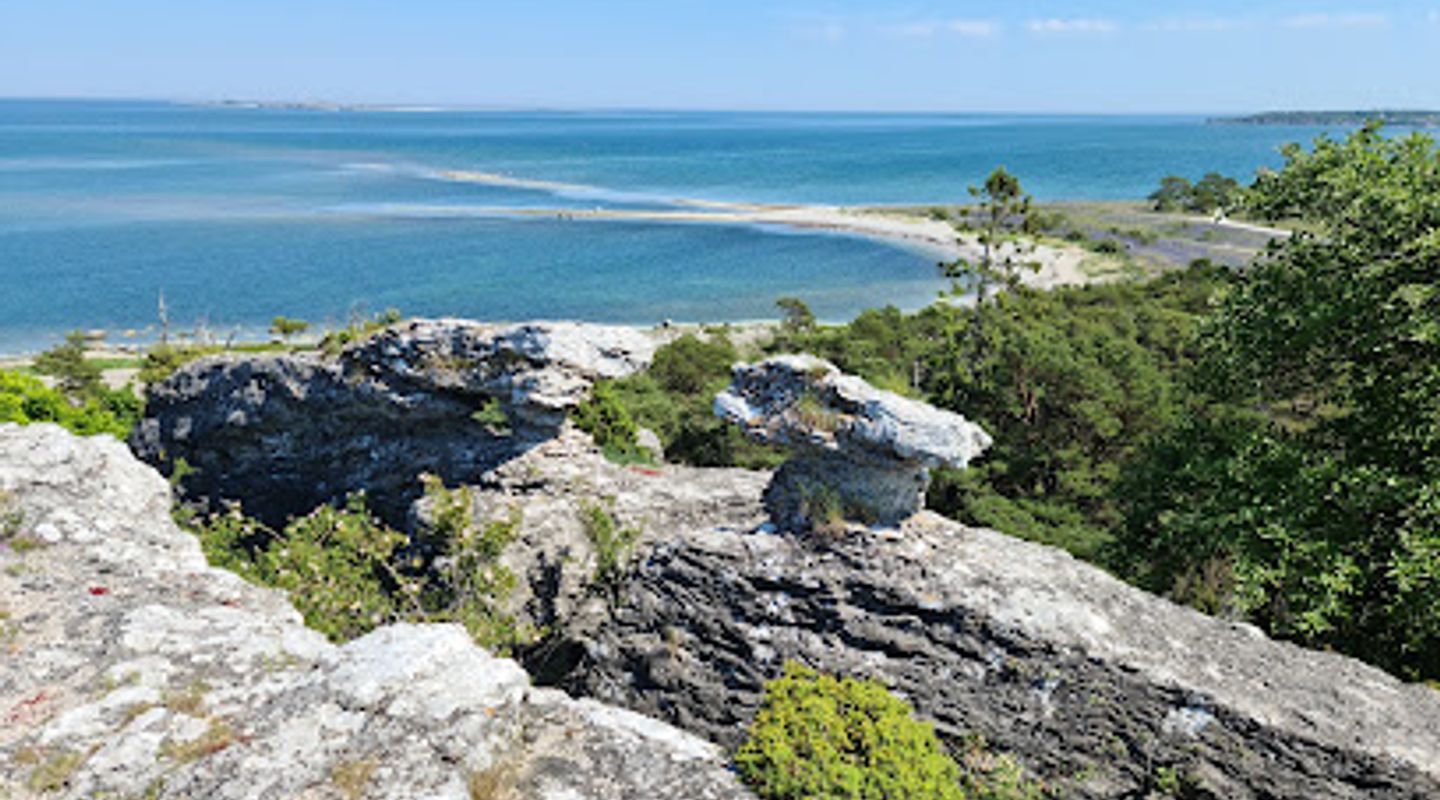
A windswept plateau on eastern Gotland, Grogarnsberget is a dramatic nature reserve crowned by the remains of a large hillfort, sheer sea-facing cliffs and open heathland; it’s prized for panoramic coastal views, birdlife and a sense of exposed, ancient landscape that changes by season and light.
A brief summary to Grogarnsberget
- Gotland, 623 68, SE
- Click to display
- Click to display
- Duration: 0.5 to 3 hours
- Free
-
 Outdoor
- Mobile reception: 3 out of 5

Know before you go
Hi, I'm Eve. Here are a few practical things to know before exploring Grogarnsberget.
- Wear windproof layers and sturdy shoes — the plateau is exposed, paths can be stony and weather changes quickly.
- Bring binoculars for birdwatching and to appreciate distant coastal features; summer wildflowers and grazing sheep add to the scenery.
- Respect archaeological remains: do not climb on or remove stones from the hillfort ramparts and follow any posted reserve rules.
- Visit at different times of day—low sun intensifies textures and colours; mornings and late afternoons often offer quieter conditions.
Do you manage this location?
Take control to get all the benefits, like improved information, better appearance, and stronger visibility across AI-powered discovery. Learn more about listing your business on Evendo
Activate your presenceOther nearby places you may find interesting
The closest places of the same kind, if this one is not quite what you had in mind.
Explore Grogarnsberget on the Map
A handpicked selection of must-see spots near Grogarnsberget, mapped for you.
Getting There
-
By car
Drive from a nearby Gotland town by paved and minor roads; typical travel time from central settlements in eastern Gotland 15–45 minutes depending on start point. Parking is limited and informal at reserve edges; vehicles should be left where designated and expect uneven terrain between car and plateau. No guaranteed paid parking facilities; winter conditions can affect minor roads.
-
Public transport plus walk
Use regional bus services to the nearest village on Östergarn coast, then walk across rural roads and tracks for 20–50 minutes over uneven ground; bus frequency is limited outside high season and schedules vary seasonally. Walking sections include stony paths and short uphill stretches, so allow extra time for slower pace.
-
Guided or organised nature visit
Join a local guided nature walk or archaeology-focused group from nearby communities; typical group excursions last 2–4 hours including travel and on-site time, and may incur a modest fee set by the organiser. Small-group activities follow reserve rules and can provide historical context and safer access in windy conditions.
For the on-the-go comforts that matter to you
-
 Seating Areas
-
 Information Boards
-
 Trash Bins
Discover more about Grogarnsberget
A plateau shaped by sea and time
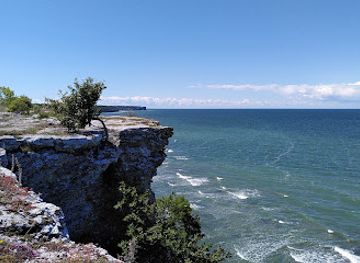
Grogarnsberget rises as a broad, low plateau above the Östergarn coast on eastern Gotland, its outer edges falling away in steep, rocky cliffs that look out across the Baltic. The reserve’s terrain alternates between short coastal grassland, heathy outcrops and stony ground, producing a windswept, elemental feel: grasses bent by prevailing breezes, lichen-mottled stones and sudden, far-reaching views where land meets horizon.Ancient fortifications and archaeological traces
On the plateau are the remains of Gotland’s second-largest hillfort, a complex of stone ramparts and earthworks that enclose an area once occupied in prehistory and the early medieval period. Low banks and sections of stone wall hint at defensive planning, while the open interior holds scattered traces of past human activity. The site reads as layered — natural promontory exploited and shaped by successive generations.Birds, grazing sheep and seasonal colour
The mosaic of short grass and heath makes Grogarnsberget attractive to coastal birds and small mammals; in spring and summer meadow flowers punctuate the slopes with colour and pollinators are busy among the blooms. Sheep graze parts of the reserve and their presence contributes to the open, pastoral character of the plateau, while autumn and winter bring bleaker, more austere tones and strong seaside light that dramatically alters the mood of the place.Visual drama from cliffs and viewpoints
The reserve’s edges form natural viewpoints: where the ground gives way to steep cliffs you can look along the coast and across the Baltic, watching light and weather shift fast in this exposed position. On clear days the horizon is sharp and the scale of the seascape immediately apparent; under low sun the stone and heather take on warm, textured hues.Relics of 20th-century activity
Among the older archaeological features you may notice later additions from the 20th century — small bunkers and observation points that reflect military activity on the island during turbulent decades. These later elements sit quietly among older remains, adding another historical layer and a different kind of silhouette against the sky.The reserve as a sensory experience
Grogarnsberget is best understood through senses: the constant presence of wind, the cry of sea birds, the crunch of stony ground underfoot and the smell of salt and dry grass. The scale is horizontal rather than vertical; horizons dominate. That combination of elemental exposure, archaeological resonance and coastal panoramas defines its character and rewards quiet, attentive exploration.












Your all‑in‑one travel companion app
Explore expert travel guides, compare and book tours, experiences, hotels, and more—all from the palm of your hand. Download now for seamless trip planning wherever your wanderlust takes you.


Explore More of Gotaland
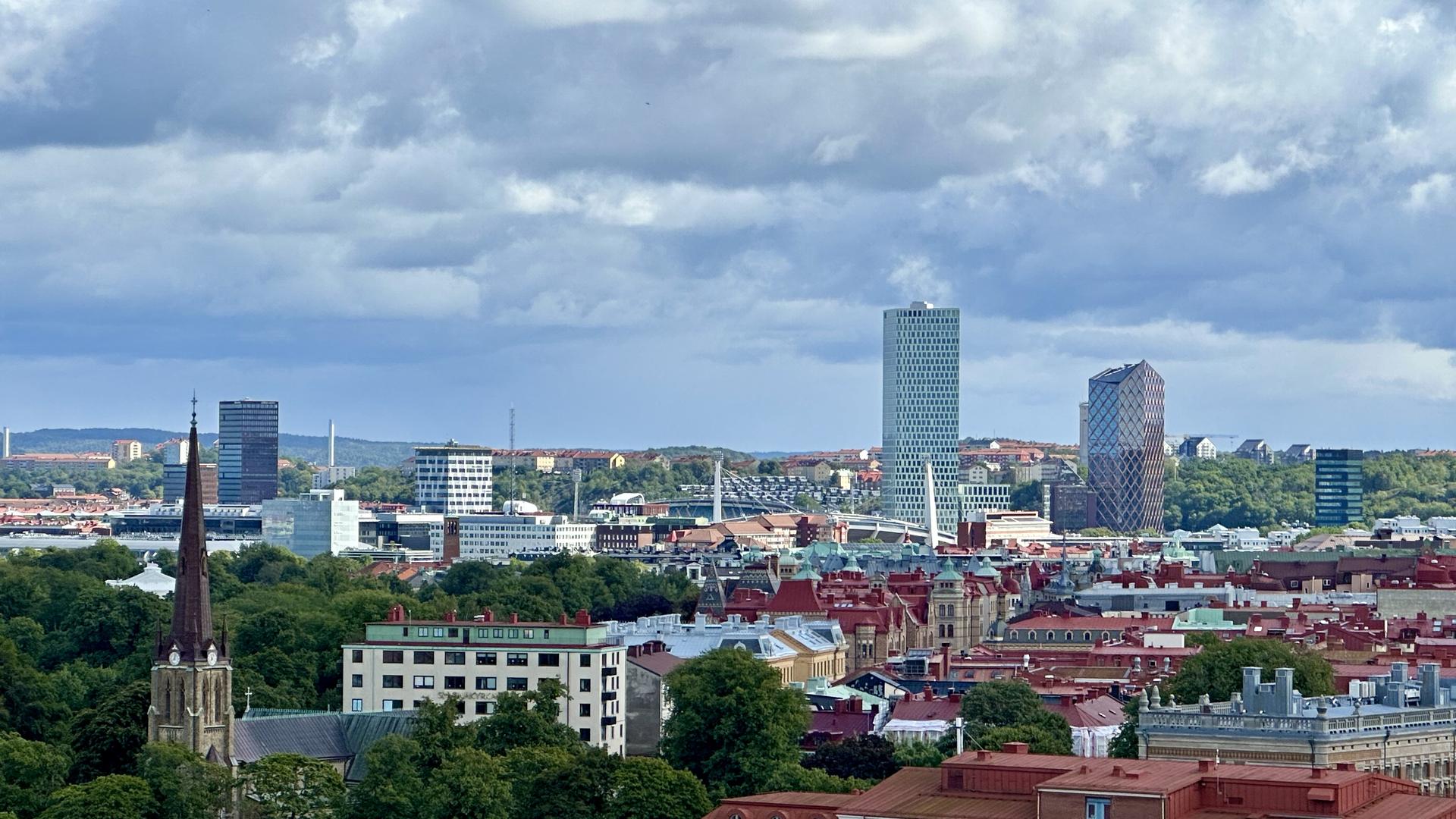
Looking beyond Grogarnsberget? Discover Gotaland for broader travel guides, local hot-spots, and regional highlights.
Explore Gotaland