Roma Abbey Travel Guide
Free Guide: Dramatic 12th‑century Cistercian ruins beside an 18th‑century manor — a cultural landscape of stone, theatre and craft on central Gotland.


A brief summary of Roma Abbey
Dramatic 12th‑century Cistercian ruins beside an 18th‑century manor — a cultural landscape of stone, theatre and craft on central Gotland.
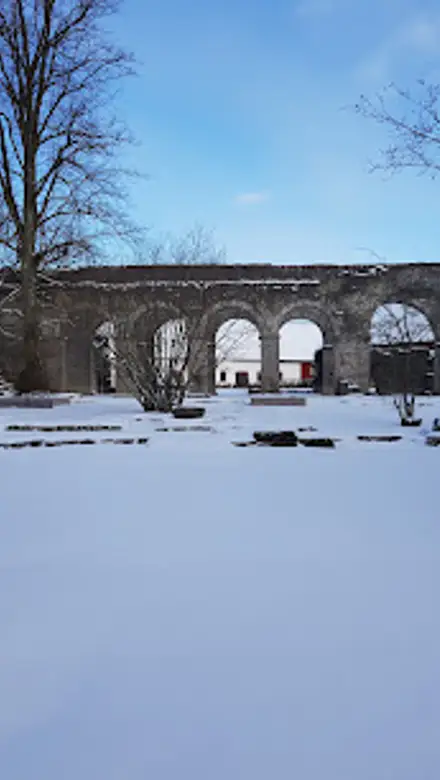
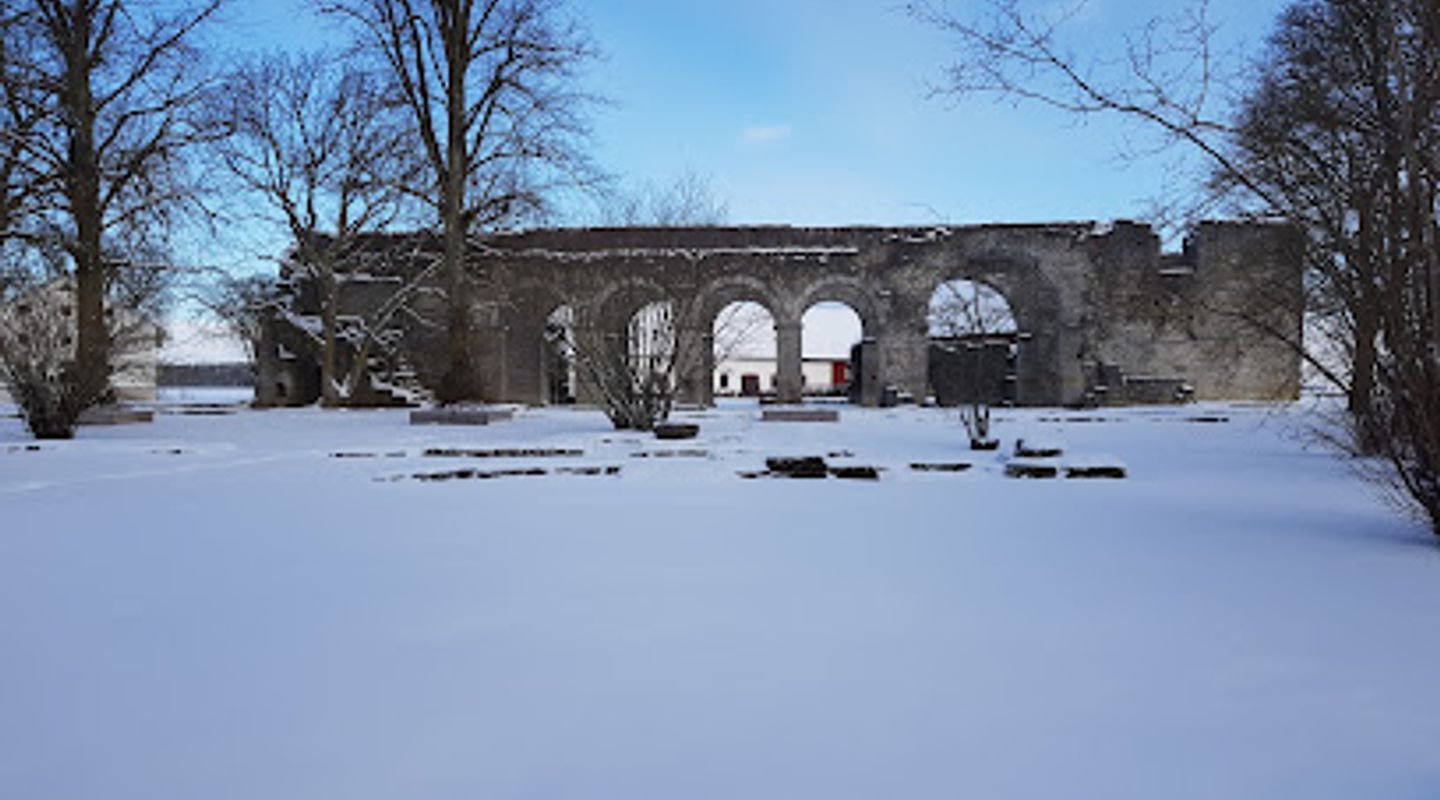
Roma Abbey is a 12th‑century Cistercian ruin set within the wide lawns and manor buildings of Roma Kungsgård on central Gotland. The fragmentary abbey church and surrounding monastic earthworks sit beside an 18th‑century manor house, park avenues and craft workshops; in summer the open ruins host outdoor theatre and cultural events, while year‑round the site offers quiet walks, heritage displays and artisan shops.
On-site amenities
 Food options
 Seating areas
 Information boards
 Visitor centre
- Address
- Roma Kungsgård, 622 54 Romakloster
- Phone
- Website
Getting there
Car (regional)
Bus (local)
Walk / Pilgrim route (from nearby village)
Discover more about Roma Abbey
A long history carved in limestone
Roma Abbey began as a Cistercian foundation in the 1160s, erected where Gotland’s old thing once met — a place of assembly that predates the monastery and gives the site a layered civic and sacred history. The abbey complex grew into a wealthy medieval institution with landholdings beyond the island; after the Reformation the community was dissolved, the property passed to the Crown and the abbey buildings were partly dismantled and repurposed over centuries, leaving the church and cloister largely in ruin.
The manor, the fields and a changed landscape
Beside the ruins stands Roma Kungsgård, a manor house built in 1733 using stone reclaimed from the former monastery; the ensemble — manor, outbuildings, avenues and open agricultural plots — reads as a single cultural landscape. The manor’s plastered facades and the whitewashed agricultural buildings contrast with the rough, honey‑coloured medieval masonry of the abbey, producing a visual story of reuse and continuity across eras.
Ruins as stage and setting
The hollow shell of the abbey church, with its exposed walls, arches and fragments of carved detail, creates an evocative outdoor chamber that has been used for staged performances since the late 20th century. In summer, theatrical productions and concerts take advantage of the natural acoustics and dramatic backdrop; when performances are not on, the same spaces invite slow exploration, drawing attention to sculpted capitals, vault traces and the way light moves through empty openings.
A working cultural farm and craft hub
Roma Kungsgård today functions as more than a monument: workshops, galleries and small shops on the estate showcase local crafts and contemporary art alongside heritage displays. Nearby glassblowing studios continue a long local tradition of handmade work, and seasonal exhibitions and markets make the manor a meeting place for artists, artisans and visitors interested in Gotlandic craft culture.
The sensory visit — quiet, wind and wide sky
On site you’ll notice the island’s characteristic stone underfoot, a high northern light that sharpens textures and the broad horizon beyond low trees and meadow. The ruins throw cool shadows even on bright days; wind across the fields carries distant bird song and the occasional creak from old timber. In late spring and summer the place feels grassy and open; off season the reduced foliage exposes more of the stonework and the park layout laid out in earlier centuries.
Why the site matters to Gotland
Roma Abbey is an example of how medieval monastic foundations reshaped the island and how later generations reused their material and land to serve changing administrative and cultural roles. The preserved manor and the ruined church together form a readable sequence of island life: assembly place, monastery, royal farm, military use and now a cultural meeting place — a compact narrative of Gotlandic history embedded in stone and landscape.
Evendo Review Centre
 Google
Guest reviews
Best time to go
Quietest: Jan, Feb & Dec · before 7am
Busy times are Evendo estimates for a typical year, to help you plan. Actual crowds vary with events, school holidays and the weather.
Explore Roma Abbey on the map
A handpicked selection of must-see spots near Roma Abbey, mapped for you.
Get your free copy of our complete guide to Roma Abbey, delivered straight to you.
Everything on this page, from opening hours and how to get there to Eve’s tips and the best time to go, in one PDF you can read offline, print or share.
Already have an account? Sign in
Your Roma Abbey guide is ready.
We'll send it to · Not you? Sign out

Getting your guide ready…
We are putting together a fresh copy of the Roma Abbey guide. This can take up to a minute.
This can take a few moments. If your browser asks, choose Allow so the download can start. You'll find the guide in your Downloads folder.
Nothing happened? Download it again
Sorry, the guide is taking longer than usual. Please try again in a minute, or get it by email instead.
Other nearby places you may find interesting
The closest places of the same kind, if this one is not quite what you had in mind.
-
-
-
-
-


Swipe for more places
More to explore near Roma Abbey

 Best experiences near Roma Abbey
 Best hotels near Roma Abbey
 Best landmarks near Roma Abbey
 Best attractions near Roma Abbey
 Best shops near Roma Abbey
 Best restaurants near Roma Abbey
 Best bars near Roma Abbey
Do you manage this location?
Take control to get all the benefits, like improved information, better appearance, and stronger visibility across AI-powered discovery.
Explore more
Explore more of Götaland
Discover Götaland: Explore Southern Sweden's Rich History, Breathtaking Landscapes, and Vibrant Culture
Explore Götaland
Explore more of Sweden
Discover Sweden's breathtaking landscapes, vibrant cities, and rich cultural heritage. From the Northern Lights to historic castles, experience the essence of Scandinavia.
Explore Sweden