Stora Karlsö, Gotaland Travel Guide
A compact, protected Gotland island of towering cliffs, huge seabird colonies and vivid spring orchid meadows set on ancient limestone.
A windswept limestone island off Gotland, Stora Karlsö is a protected nature reserve famed for towering sea cliffs, enormous colonies of guillemots and razorbills, and late‑spring orchid meadows. Vegetation is a mosaic of alvar grassland, scented thyme and rare wildflowers; archaeological traces and a small museum hint at human visits since the Stone Age. Access is seasonal and guided tours preserve the fragile landscape, making the island a concentrated wildlife and geological experience.
A brief summary to Stora Karlsö
- Klintehamn, SE
- Duration: 2 to 5 hours
- Mid ranged
-
 Outdoor
- Mobile reception: 2 out of 5

Know before you go
Hi, I'm Eve. Here are a few practical things to know before exploring Stora Karlsö.
- Visits are seasonal—spring and summer bring birds and orchids; check the operator’s calendar and book the guided crossing in advance.
- Wear windproof layers and sturdy shoes for uneven limestone and exposed cliff edges; sun and wind can be strong even on cool days.
- Respect protected areas: stay on designated paths, avoid cliff ledges and follow guide instructions to protect nesting birds.
- Bring binoculars and a telephoto lens for birdwatching; the colony spectacle is best appreciated from safe viewpoints and guided vantage spots.
Do you manage this location?
Take control to get all the benefits, like improved information, better appearance, and stronger visibility across AI-powered discovery. Learn more about listing your business on Evendo
Activate your presenceOther nearby places you may find interesting
The closest places of the same kind, if this one is not quite what you had in mind.
Explore Stora Karlsö on the Map
A handpicked selection of must-see spots near Stora Karlsö, mapped for you.
Getting There
-
Public ferry from Klintehamn
Seasonal passenger ferry runs from Klintehamn on Gotland to Stora Karlsö with a crossing time of around 30 minutes; schedules vary by season and sailings are limited to the island’s open months, so book a return seat in advance. Tickets generally include a guided island tour and cost roughly 300–400 SEK per adult; capacity and frequency are constrained during peak summer days.
-
Private charter boat
Small private boat charters from nearby harbours offer flexible departure times with crossing durations of approximately 25–40 minutes depending on vessel; charters are weather-dependent, can be cancelled in strong winds and typically cost from 2,000 SEK and up for a small group, excluding any landing fees or guided‑tour charges.
-
Combination stay-and-visit package
Some regional operators combine accommodation on Gotland with an arranged boat crossing and guided visit the following day; travel time to Klintehamn from central Gotland towns varies but allows same‑day transfers, and package prices depend on lodging level—expect combined booking options rather than standalone last‑minute tickets during high season.
For the on-the-go comforts that matter to you
-
 Information Boards
-
 Seating Areas
-
 Restrooms
-
 Food Options
Discover more about Stora Karlsö
Ancient limestone theatre carved by the sea
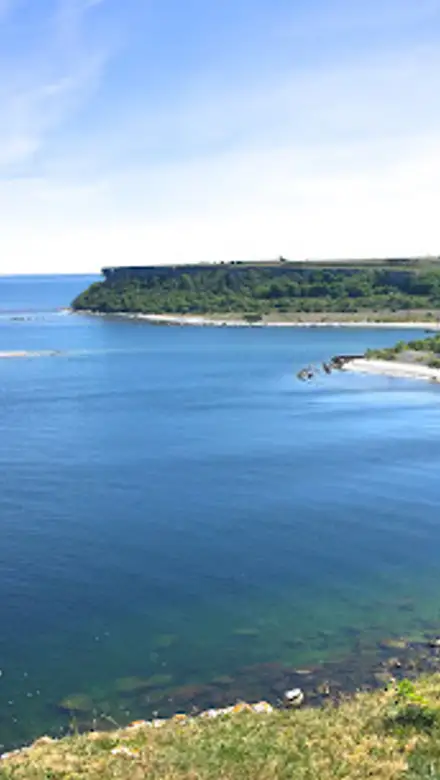
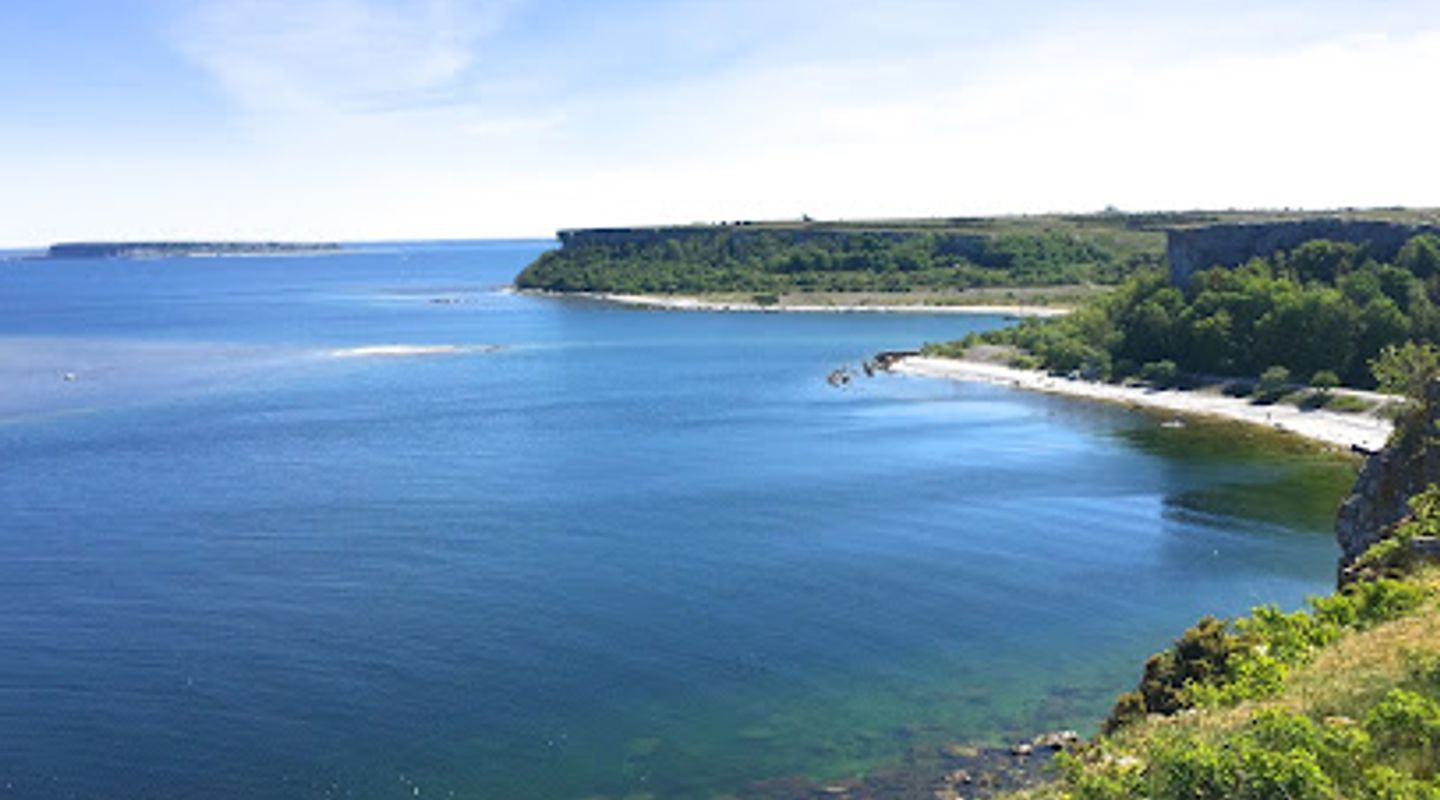
Stora Karlsö is a compact island of fossilised coral and limestone that reads like a geological portrait of the Baltic; flat plateaus give way to steep cliffs and narrow caves worn over hundreds of millions of years. The bare, porous rock and thin soils form an alvar‑style environment where specialized plants cling to cracks and hollows. Around the harbour and on the western cliff face the island drops dramatically into the sea, creating vertical nesting ledges where seabirds congregate in breathtaking numbers.A stronghold for seabirds and seasonal life
The island is best known for its dense colonies of common guillemots and razorbills that fill the cliffs during breeding season, their black-and-white forms and the sound of calls creating a visceral wildlife spectacle. Beyond the auks, Stora Karlsö attracts a mix of coastal and passerine birds—eiders, scoters and a scattering of migrant songbirds—so the island’s avian character changes through the spring and summer months. Birdlife is a central reason for the island’s long protection, and much of the landscape exists to support breeding and foraging cycles.Flower meadows and a brief, dramatic bloom
Late spring turns pockets of the plateau into vivid carpets of orchids and other limestone-loving species. Elderflower orchids, early‑purple orchids and colonies of fragrant thyme and stonecrop punctuate the grassy alvar; the bloom is intense but fleeting, tied to seasonal grazing regimes and precise climatic windows. The mixture of scent and colour against the pale limestone is one of Stora Karlsö’s most evocative contrasts: delicate plant life set against a harsh, wind-sculpted rock.Human traces, stewardship and small-scale structures
Stora Karlsö carries evidence of human use from prehistoric times through to modern conservation. Archaeological finds, a modest museum and scattered old structures tell of intermittent occupation, sheltering fishermen and caretakers rather than permanent towns. Since the late 19th century the island has been privately owned with a conservation mandate, a stewardship model that shaped early protections and ongoing management: grazing, guided visitor access and interpretation are all tools used to balance nature and people.Textures, sounds and seasonal atmosphere
On the island you move between open limestone expanses warmed by sun and wind-swept cliff edges where the sea’s rhythm is constant. Expect tactile contrasts—rough, fossil-filled rock, soft thyme underfoot, and grasses that whisper in offshore breezes. Seabird calls, the slap of waves against the cliffs and the occasional creak of wooden jetties compose the acoustic backdrop. Light shifts quickly here: low sun makes the cliff faces glow while midsummer noon flattens colours into high contrast.Visiting character and conservation mindset
Stora Karlsö is compact but layered: geological interest, concentrated bird colonies and ephemeral floral displays make it a place of intense, short encounters rather than long wanderings. Facilities are intentionally limited and interpretation is guided; this fragile setting is managed to prioritise breeding birds and rare plants. The island’s character rewards quiet observation, patience with seasonal rhythms and an appetite for natural history and stone‑scoured landscapes.












Your all‑in‑one travel companion app
Explore expert travel guides, compare and book tours, experiences, hotels, and more—all from the palm of your hand. Download now for seamless trip planning wherever your wanderlust takes you.


Explore More of Gotaland
Looking beyond Stora Karlsö? Discover Gotaland for broader travel guides, local hot-spots, and regional highlights.
Explore Gotaland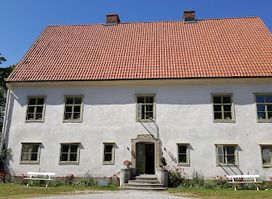
Unlock Gotland's geological secrets and vibrant wildlife at this free, interactive nature hub in a historic vicarage amid southern island serenity.

Gotland's wilder sibling: cliffs alive with seabirds, ancient fossils, rare plants, and roaming sheep on a fossilized coral reef island untouched by time.