Sundre Church, Gotaland Travel Guide
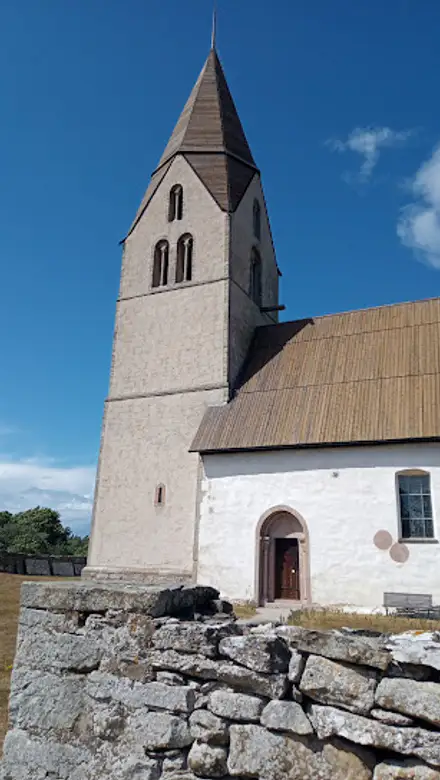
A compact Romanesque church on southern Gotland famed for dramatic 13th‑century murals and a 12th‑century defence tower.
A compact 13th‑century Romanesque church perched in the southern part of Gotland, Sundre Church preserves rich medieval murals and a sturdy 12th‑century defence tower that give it a striking, ancient character. Inside, painted vaults, a dramatic Archangel Michael scene and other figurative frescoes create an intimate, time‑worn atmosphere that rewards quiet inspection and curiosity.
A brief summary to Sundre Church
- Öja Prästgåreden 136, Burgsvik, 623 30, SE
- Click to display
- Click to display
- Duration: 0.5 to 1 hours
- Free
-
 Indoor
- Mobile reception: 4 out of 5

Know before you go
Hi, I'm Eve. Here are a few practical things to know before exploring Sundre Church.
- Respect the interior: maintain low voices and avoid flash photography — the painted murals are fragile.
- Bring a light jacket; stone interiors stay cool year‑round and can feel chilly even on warm days.
- Spend time at the northern wall to study the Archangel Michael scene and its many small, eerie details.
Do you manage this location?
Take control to get all the benefits, like improved information, better appearance, and stronger visibility across AI-powered discovery. Learn more about listing your business on Evendo
Activate your presenceOther nearby places you may find interesting
The closest places of the same kind, if this one is not quite what you had in mind.
Explore Sundre Church on the Map
A handpicked selection of must-see spots near Sundre Church, mapped for you.
Getting There
-
By regional bus
Take the local regional bus service toward Burgsvik from Visby; travel time is typically 1 hour 15 minutes to 1 hour 40 minutes depending on service and timetable. Services run several times daily in summer but are less frequent out of season; expect limited luggage space and variable schedules. A single adult fare is usually in the regional fare band of Swedish krona and may cost approximately 80–160 SEK one way depending on ticket type and concessions.
-
By car
Drive from central Visby to the Sundre area in roughly 45–60 minutes depending on traffic and route; rural lanes and narrow country roads are common and some parking near the church is limited and informal. Seasonal peaks can make roadside parking tight; carry small change if a nearby parish parking donation box is in use.
-
By bike
Cycling from nearby towns is popular in fair weather: expect 45–90 minutes from larger settlements depending on starting point and fitness, on mixed paved and minor rural roads. Terrain is mostly gentle but exposed to wind; ensure lights and reflective gear if riding in low light and bring water and puncture repair items.
For the on-the-go comforts that matter to you
-
 Information Boards
-
 Seating Areas
Discover more about Sundre Church
Stone, tower and age: the building's bones
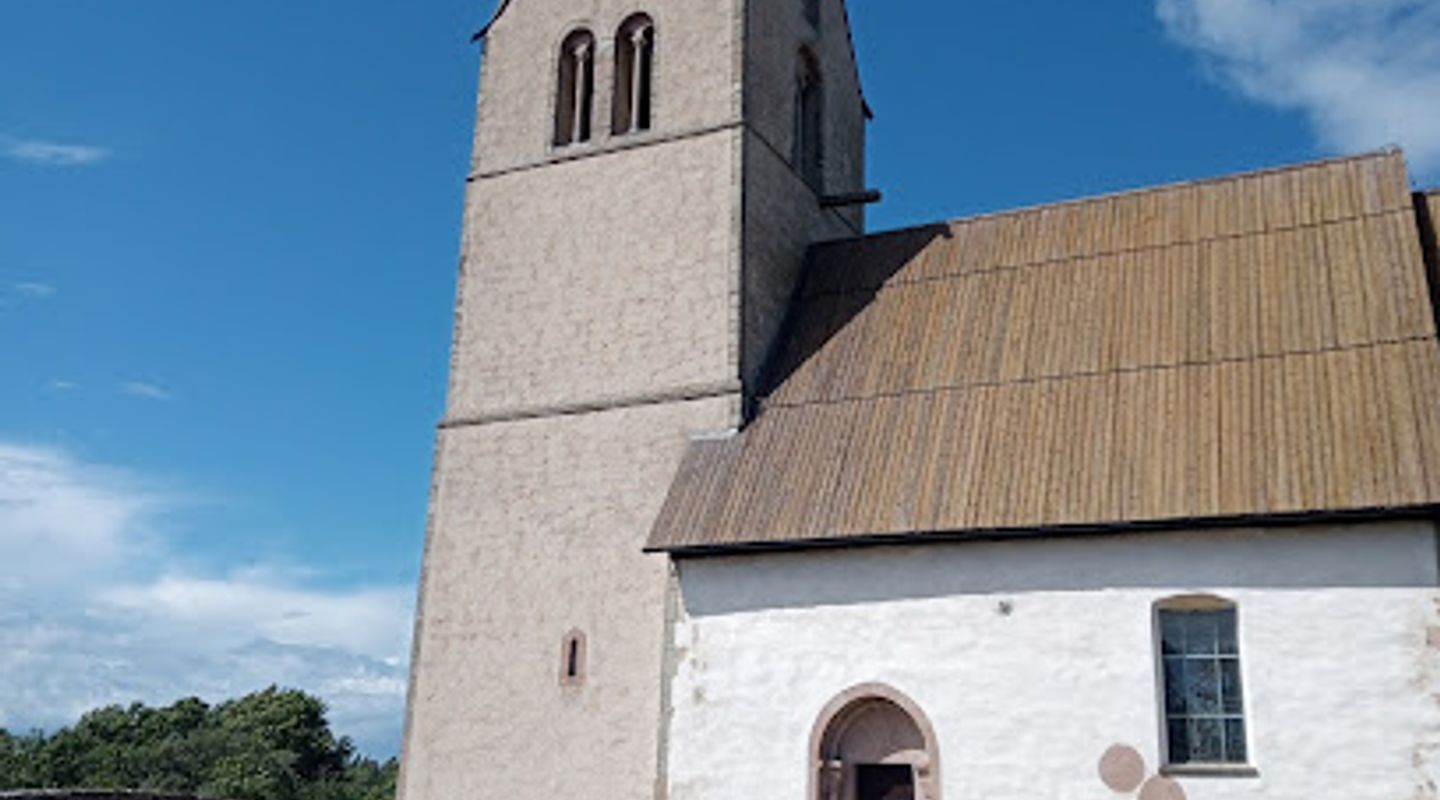
Sundre Church sits modestly in the rural landscape of southern Gotland, its stone nave and choir dating from the early 13th century and set beside an older defensive tower that reaches back to the 12th century. The church’s compact, Romanesque proportions — thick walls, narrow windows and a squat silhouette — reflect its dual role through the medieval period as a place of worship and a refuge for the local community. Exterior details are restrained; the building’s presence is read most through its mass and the weathered texture of local limestone.Painted vaults and medieval storytelling
The interior of Sundre Church is notable for its medieval murals and richly decorated vaults. Several vault panels are painted with figurative scenes, motifs and ornamental patterns; each vault bay often carries its own design language so that moving through the nave feels like turning pages in an illuminated manuscript. The northern wall preserves one of the church’s most famous images: an unusually large-scale depiction of the Archangel Michael weighing a soul, a dramatic moral tableau with devils, scales and a human figure that dates from the 13th century.Unsettling delights: saints, sea and creatures
Among the frescoes are lively and sometimes strange details — a tall Saint Christopher carrying the Christ child across a river, rendered with playful scale, and maritime elements such as waves, fish and even a mermaid tucked into the compositions. These images reflect both devotional themes and local visual culture: the sea and its creatures were vivid symbols on an island community and appear repeatedly in the church’s decorative program.Architectural continuity and small additions
Despite its medieval origins, the church shows evidence of small, later adjustments rather than wholesale rebuilding. The sacristy and other ancillary spaces were added in later centuries, but the primary medieval fabric has remained largely intact. This continuity gives the interior a cohesive, lived‑in quality: pews, fixtures and later fittings sit comfortably within the older stonework and the painted cycles, creating a layered sense of time.Sensory character and atmosphere
Light in Sundre Church is quiet and directional, filtering through narrow openings to pick out dust motes and to emphasize pigments in the murals. The stone floor and timber fittings lend coolness underfoot; the painted vaults draw the eye upward while the scale of the nave encourages hushed conversation. The building’s tactile qualities — rough limestone, worn plaster and faded pigments — are central to the experience: the church is best appreciated slowly, with attention to small carved details, paintbrush strokes and the interplay of shadow and colour.Context and cultural resonance
Sundre Church occupies a place in the island’s medieval religious landscape as a compact parish church with defensive associations. Its imagery—judgement scenes, saints and maritime motifs—speaks to medieval theology and to a community shaped by sea and farm. Today the church remains an elemental expression of Gotland’s medieval craftsmanship: modest in scale but rich in pictorial narrative, it offers a concentrated encounter with the island’s layered past.












Your all‑in‑one travel companion app
Explore expert travel guides, compare and book tours, experiences, hotels, and more—all from the palm of your hand. Download now for seamless trip planning wherever your wanderlust takes you.


Explore More of Gotaland
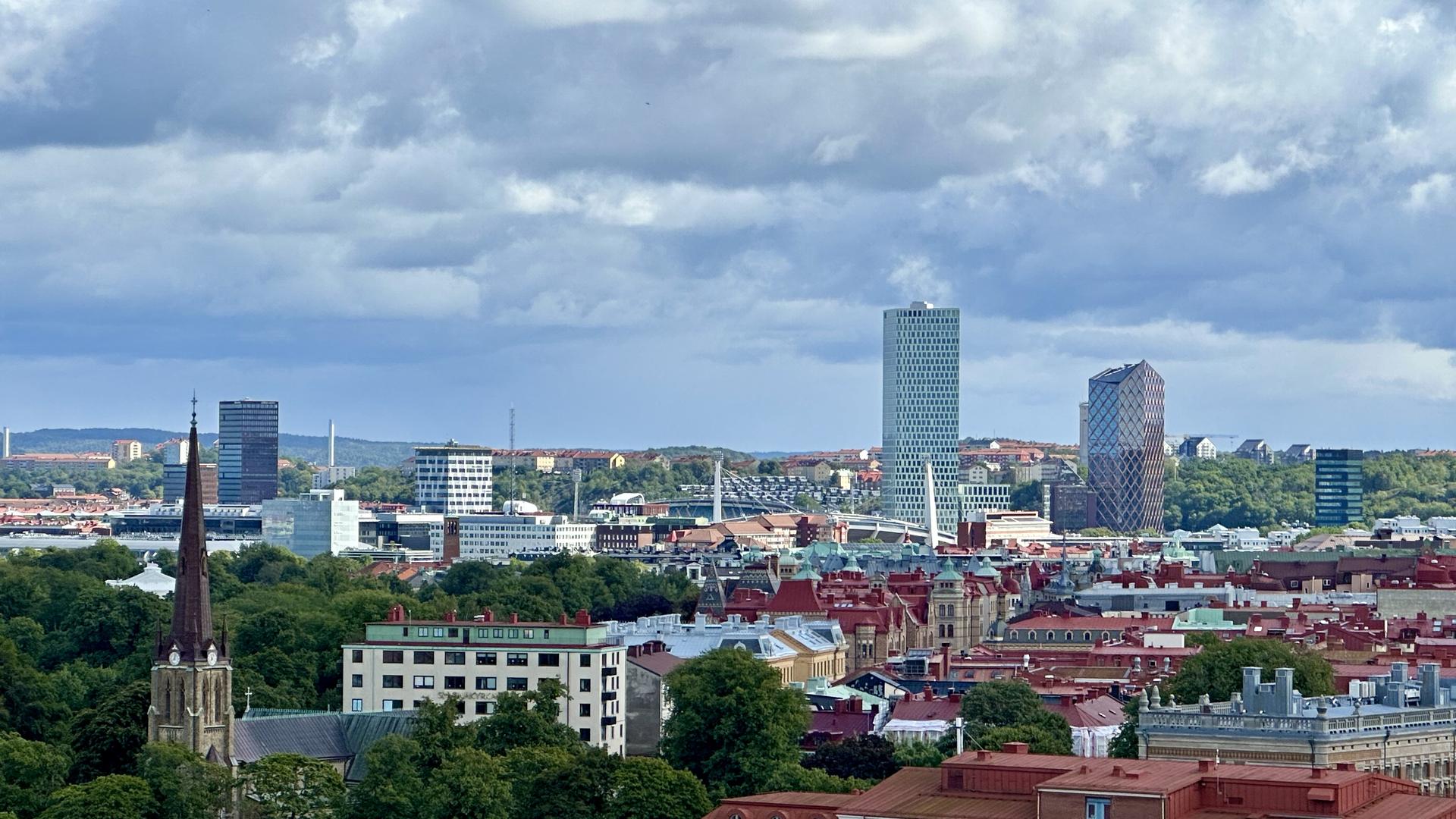
Looking beyond Sundre Church? Discover Gotaland for broader travel guides, local hot-spots, and regional highlights.
Explore Gotaland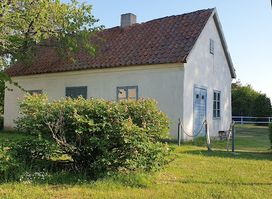
A compact, family-friendly animal park in Eskelhem offering close-up encounters with farm animals, play areas and a relaxed countryside atmosphere.
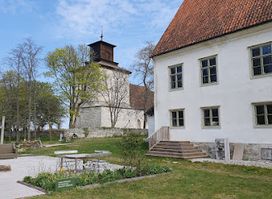
An intimate house museum in a listed vicarage where Lars Jonsson’s bird watercolours and field studies meet Gotland’s coastal landscape.