Sveriges äldsta tall, Gotaland Travel Guide
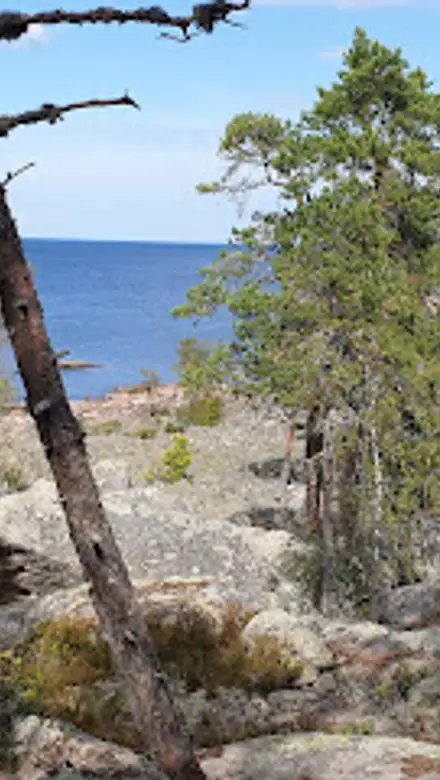
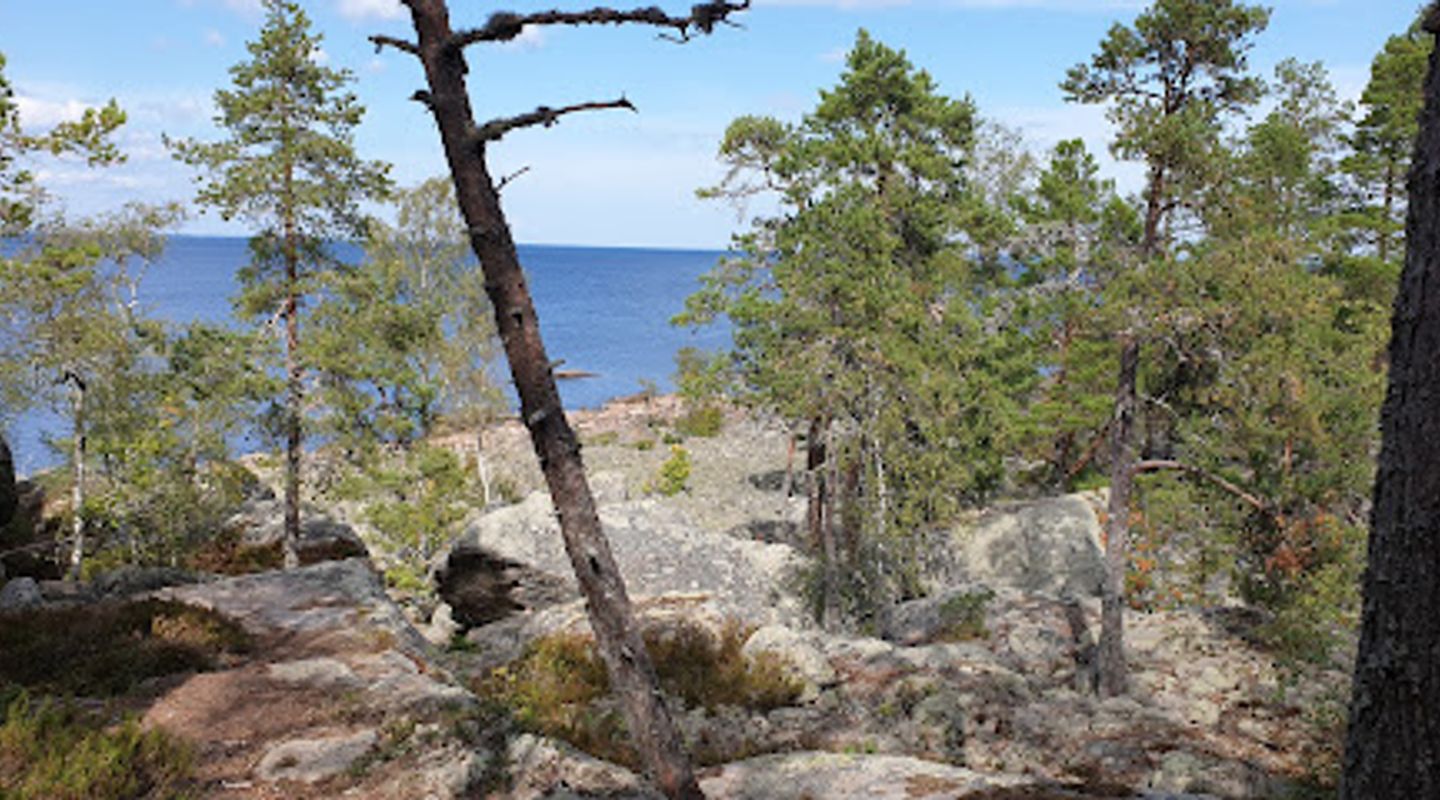
A knotted Scots pine on Hornslandet — Sweden’s oldest dated pine, leaning on bedrock after more than seven centuries of coastal storms and fire.
A knotted, centuries‑old Scots pine standing on the rocky shore of Hornslandet near Hudiksvall — Sweden’s oldest dated pine, rooted in thin soil and leaning against bedrock after surviving fires, storms and salt‑spray for more than seven centuries. The lone veteran rises among a scatter of other ancient pines in a nature reserve known for block fields, coastal views and rugged, storied forest terrain.
A brief summary to Sveriges äldsta tall
- Unnamed Road, Hudiksvall, 824 93, SE
- Duration: 0.5 to 2 hours
- Free
-
 Outdoor
- Mobile reception: 3 out of 5

Know before you go
Hi, I'm Eve. Here are a few practical things to know before exploring Sveriges äldsta tall.
- This is a protected veteran tree in a nature reserve—keep to marked trails and avoid walking directly over roots or compacting the soil around the trunk.
- Bring windproof layers and sturdy footwear; the terrain around Hornslandet is rocky and can be exposed to strong coastal winds.
- Early morning or late afternoon light is best for photography—watch for warm tones on the bark and long shadows across the block fields.
Do you manage this location?
Take control to get all the benefits, like improved information, better appearance, and stronger visibility across AI-powered discovery. Learn more about listing your business on Evendo
Activate your presenceOther nearby places you may find interesting
The closest places of the same kind, if this one is not quite what you had in mind.
Explore Sveriges äldsta tall on the Map
A handpicked selection of must-see spots near Sveriges äldsta tall, mapped for you.
Getting There
-
Car
Drive from Hudiksvall to the Hornslandet area — typical travel time 20–30 minutes depending on local roads; parking options are limited near reserve entry points and may be basic gravel lots, so allow extra time at busy weekends; no tolls but seasonal restrictions may apply on access roads.
-
Public bus + walk
Regional bus services from Hudiksvall serve nearby villages; total travel time including a walk to the reserve is typically 40–75 minutes depending on timetable connections; services are less frequent on weekends and evenings, so check local schedules; walking sections cross uneven, rocky ground and require sturdy shoes.
-
Guided nature walk
Local guided walks organised by regional nature or conservation groups last 2–3 hours and include interpretive information about Hornslandet and its veteran trees; expect a modest fee approximately 100–300 SEK per person depending on provider and season, and book in advance during high season as group sizes may be limited.
For the on-the-go comforts that matter to you
-
 Information Boards
-
 Seating Areas
Discover more about Sveriges äldsta tall
An ancient survivor on a windswept headland
The tree known locally as "Sveriges äldsta tall" grows on Hornslandet, a stony coastal promontory east of Hudiksvall, tucked into a narrow pocket of thin soil beside exposed bedrock. It is a Scots pine (Pinus sylvestris) that leans comfortably against a ledge, its trunk and crown shaped by centuries of salt, wind and storm. The surrounding landscape is a patchwork of large boulders, block fields and sparse, slow‑growing forest that together create a raw coastal character.How old and how it endured
Dendrochronology work has shown the tree to be one of Sweden’s oldest dated pines, with established dates placing its origin in the mid‑13th century; researchers report an age in the range of roughly 750–770 years. Its slow growth in a harsh, nutrient‑poor substrate produced tightly packed annual rings, and traces of several historic fires are recorded in the wood — evidence that the tree has survived repeated disturbances that killed younger, faster‑growing neighbours.What you notice up close
At arm’s reach you see deeply fissured, reddish bark on the upper stem and weathered, resin‑streaked heartwood lower down where centuries of exposure have scarred the trunk. The crown is irregular and compact, not the tall, straight mast of a sheltered pine; instead it bears the gnarled, picturesque silhouette of an old tree that has endured wind pruning. Lichens and mosses colonise the lower branches and adjacent rocks, adding soft green and grey textures against the ochre and rust of bark and stone.Landscape and ecological context
The tree sits within Norra Hornslandet nature reserve, an area of roughly a hundred hectares of varied coastal habitat. The reserve contains block grottos, stony beaches and patches of bog and woodland; many surrounding pines are themselves centuries old, creating a dispersed assembly of veteran trees that together represent a long continuity of coastal pine ecology. The site’s shallow soils and exposure to brackish sea air help preserve these old trees by limiting commercial forestry and encouraging slow, hardy growth forms.Cultural resonance and quiet stories
A tree that began life in the 1200s predates many modern institutions; its lifetime spans medieval kings, shifting coastlines and generations of coastal livelihoods. In the landscape it functions as a living landmark — a point of fascination for naturalists, a subject for photographers, and a reminder of long ecological time. Physically modest in height compared with younger, more vigorous trees elsewhere, its real scale is chronological: a living archive of climate, fire and survival written in wood.Visiting with respect to the living monument
Approach quietly and treat the surrounding ground and root zone as fragile; veteran trees in thin coastal soil are vulnerable to trampling and compaction. The tree’s character is best appreciated by pausing a moment, taking in the interplay of wind, sea and stone, and noticing the subtle colours and textures that record long exposure. Nearby block grottos and rocky outcrops offer additional vantage points from which to view the pines and the open horizon where sea and sky meet.












Your all‑in‑one travel companion app
Explore expert travel guides, compare and book tours, experiences, hotels, and more—all from the palm of your hand. Download now for seamless trip planning wherever your wanderlust takes you.


Explore More of Gotaland
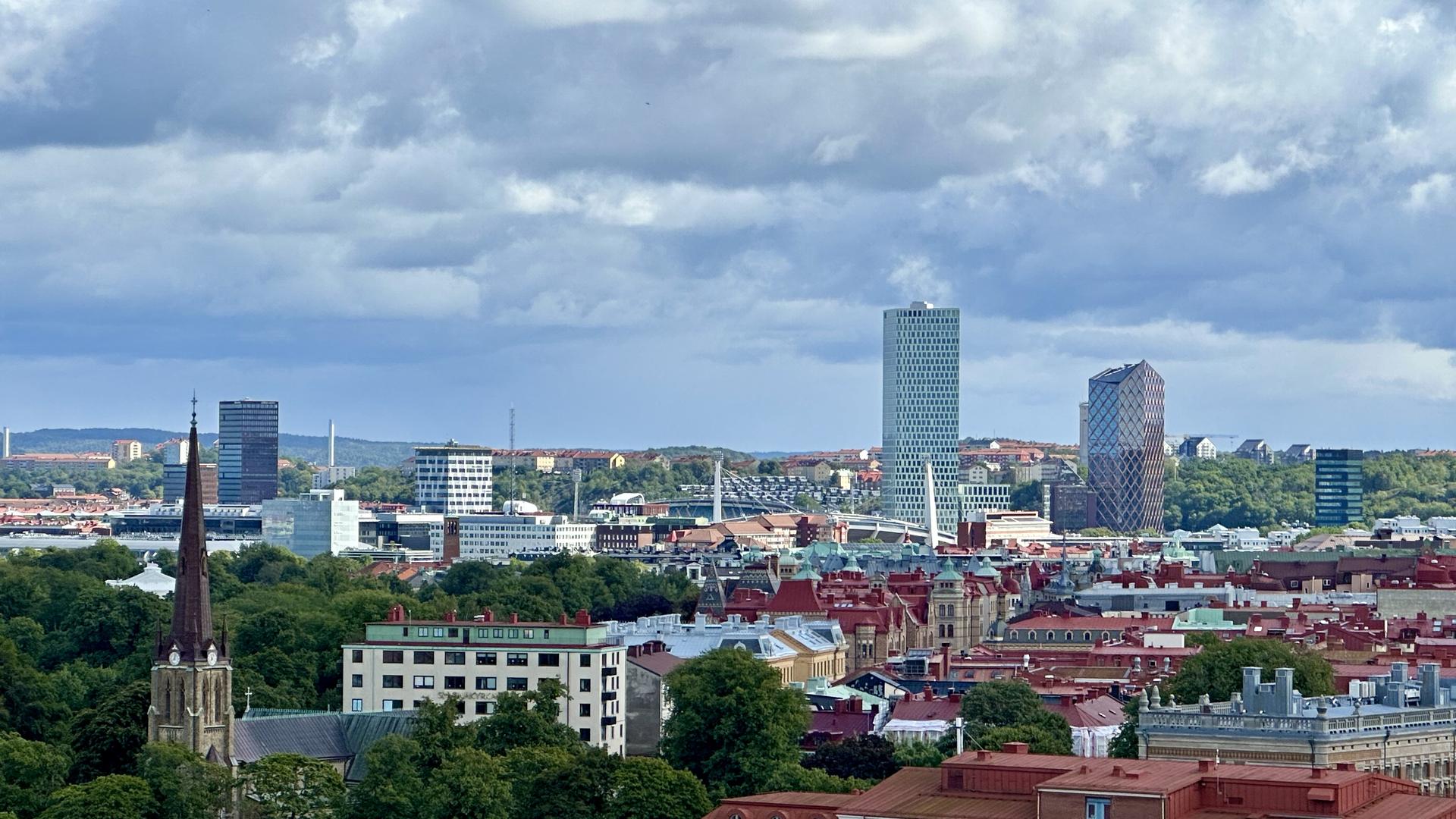
Looking beyond Sveriges äldsta tall? Discover Gotaland for broader travel guides, local hot-spots, and regional highlights.
Explore Gotaland
A family-friendly, village-centred ski area with 23 runs, a snowpark and reliable snowmaking—compact slopes that suit beginners and intermediates.
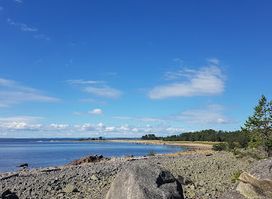
Discover Hornslandet's wild heart: pristine beaches, ancient forests, and wildlife wonders at Hölick Nature Preserve, Sweden's coastal gem.