Sveriges Första Sluss, Gotaland Travel Guide
A compact riverside site where remnants of the 1607 lock, later works and a memorial stone tell the story of Sweden’s early inland navigation.
A compact riverside site where the story of Sweden’s early inland navigation is visible in stone and water: Lilla Edet’s sluss marks the place where the first formal lockworks were built (the original completed in 1607) to let boats bypass a steep fall on the Göta älv. Today remnants of the 17th‑ and 18th‑century works sit beside later 19th– and 20th‑century locks, memorial stones and a modest waterside setting that still echoes centuries of trade, engineering and river life.
A brief summary to Sveriges Första Sluss
- Lilla Edet, 463 30, SE
- Duration: 0.5 to 1.5 hours
- Free
-
 Outdoor
- Mobile reception: 4 out of 5

Know before you go
Hi, I'm Eve. Here are a few practical things to know before exploring Sveriges Första Sluss.
- This is a small outdoor site—dress for the weather and expect uneven ground near old masonry and river edges.
- Bring a close‑focus camera or smartphone to capture details of stonework, plaques and the contrast between old and new structures.
- Respect barriers and signage: older ruins can be unstable and riverbanks may be slippery when wet.
Do you manage this location?
Take control to get all the benefits, like improved information, better appearance, and stronger visibility across AI-powered discovery. Learn more about listing your business on Evendo
Activate your presenceOther nearby places you may find interesting
The closest places of the same kind, if this one is not quite what you had in mind.
Explore Sveriges Första Sluss on the Map
A handpicked selection of must-see spots near Sveriges Första Sluss, mapped for you.
Getting There
-
Regional bus
Local regional buses serve Lilla Edet town centre; alighting at the central stop typically requires a 10–20 minute mostly level walk along paved streets to the riverside area (walk time depends on exact stop). Services run roughly every 30–120 minutes depending on weekday or weekend schedules; single‑ride fares in Sweden are usually in the range of 30–70 SEK depending on operator and ticket type, and payment is by card or mobile ticketing. Service frequency may be reduced on public holidays.
-
Car
Driving from the immediate region typically takes 10–25 minutes from nearby towns; expect limited roadside parking near the compact sluss area and simple public parking within a short walk. Some bays are unpaved and can be muddy after rain; parking charges are usually low or free but check local signs. The riverside terrain can be uneven for those with limited mobility.
-
Regional train + walk
Regional trains to Lilla Edet railway station connect larger towns; from the station the riverside site is a walk of approximately 15–25 minutes on mostly flat town streets. Trains run several times daily with journey times and fares set by regional rail operators—single tickets commonly cost from ~60–150 SEK depending on distance and ticket type. Timetables vary by day, so verify service times before travel.
For the on-the-go comforts that matter to you
-
 Seating Areas
-
 Information Boards
-
 Trash Bins
Discover more about Sveriges Första Sluss
Origins at a restless river
The narrow stretch of the Göta älv at Lilla Edet has been a chokepoint for centuries; before locks were built boats and cargoes had to be hauled past the falls. The first recorded organized lockwork on this site was completed in 1607 after proposals in the late 1500s, intended to make the river navigable and to open the inland waterways for trade and transport. What survives now is a palimpsest of interventions: fragments of the early stonework lie near later reconstructions, telling of repeated rebuilding after conflict and changing engineering practices.Layers of engineering and rebuilding
Over the 17th and 18th centuries the Lilla Edet installation was repaired, altered and in part replaced as needs and technology changed; records note major reconstruction phases and an 18th‑century rebuilding after war damage. In the 19th century broader canal and lock projects in the region—part of Sweden’s drive to improve inland navigation—meant new channels and alternative sluss solutions were created on both sides of the river. The larger Ströms sluss of 1916 is the later, still‑visible operational descendant of that continuing sequence.What you see on site
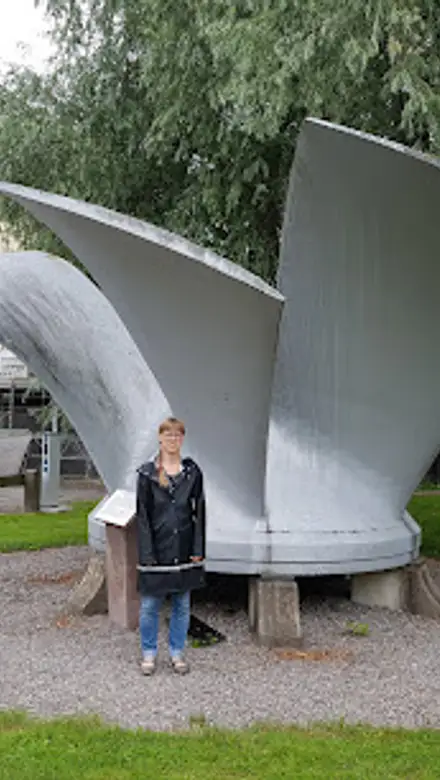
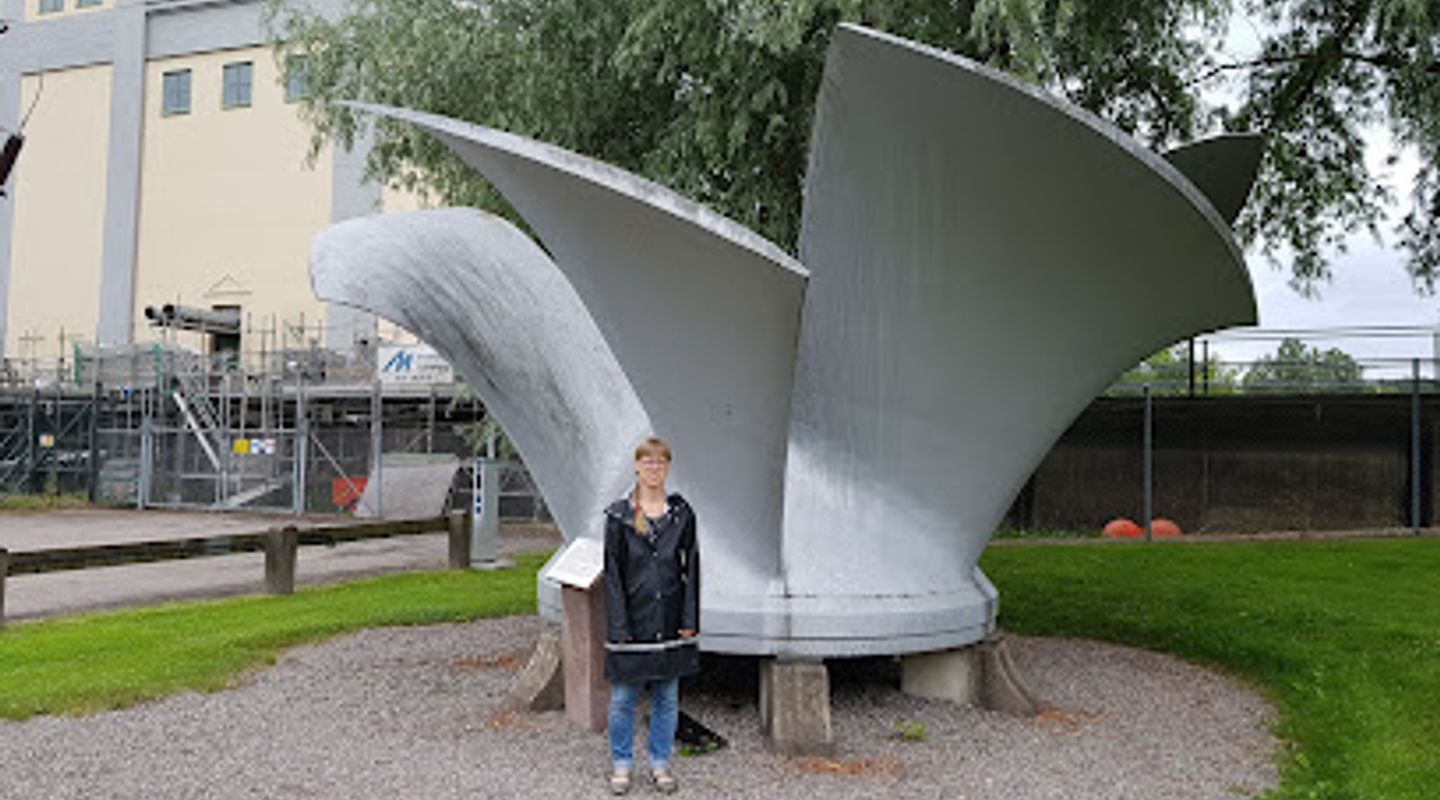
The site combines the compact modern lock infrastructure with exposed older masonry and a commemorative stone placed in the early 20th century. The old stonework—worn, irregular and partially overgrown—gives a tactile sense of construction techniques from earlier centuries; the later lock chambers and metalwork show how engineering moved toward heavier, mechanised forms. The memorial stone references a local 19th‑century event and anchors the place in human stories beyond pure engineering.Riverside atmosphere and scale
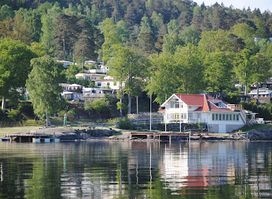
This is a modest, intimate riverside location rather than a large park: the sounds of flowing water, freight traffic when the larger channel is in use, gull calls and the clink of metal at the newer lock all shape the ambience. Vegetation and exposed rock frame short viewpoints to the river; small paths and ledges give different perspectives but keep the overall scale domestic—ideal for a focused visit of inspection and reflection rather than a long riverside walk.Historical significance without grand show
Lilla Edet’s claim to being the site of Sweden’s first formal sluss is grounded in early 17th‑century works at this precise fall on the Göta älv. Although later installations have replaced or overlaid the original structures, the site remains significant as an early step in a centuries‑long programme to tame and use Sweden’s inland waterways. The juxtaposition of surviving old masonry, memorial markers and later civil‑engineering elements gives a clear narrative of continuity: transport, commerce and engineering adapted here to meet changing demands.Things to notice as you explore
Pay attention to the differing materials and masonry styles where fragments of the older lock meet later concrete and metal: they reveal shifts in construction methods and available technology. The confined topography—rock, narrow banks and the rush of the river—explains why lock design and placement were so critical here. Small interpretive signs and the memorial stone link the technical history to the local human story, making the site both a technical landmark and a piece of community memory.












Your all‑in‑one travel companion app
Explore expert travel guides, compare and book tours, experiences, hotels, and more—all from the palm of your hand. Download now for seamless trip planning wherever your wanderlust takes you.


Explore More of Gotaland
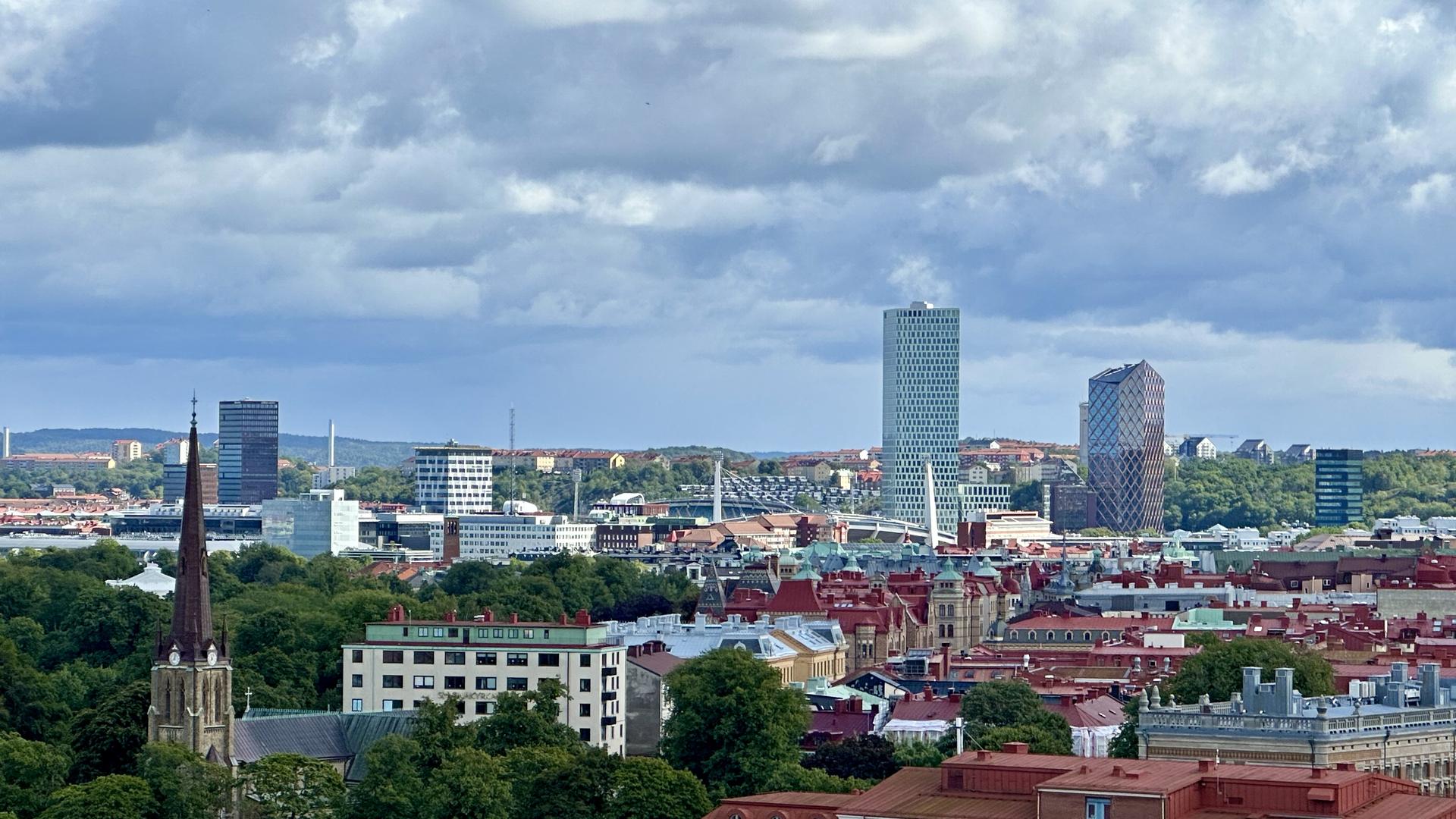
Looking beyond Sveriges Första Sluss? Discover Gotaland for broader travel guides, local hot-spots, and regional highlights.
Explore Gotaland