Wisingsborg Castle Ruins, Gotaland Travel Guide
Weathered stone, sunlit meadows and the audible hush of Lake Vättern — Wisingsborg’s ruins trace the footprint of a vanished noble estate.
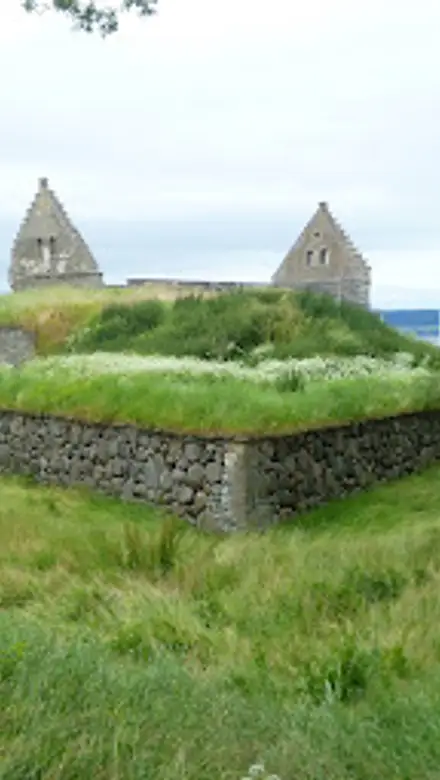
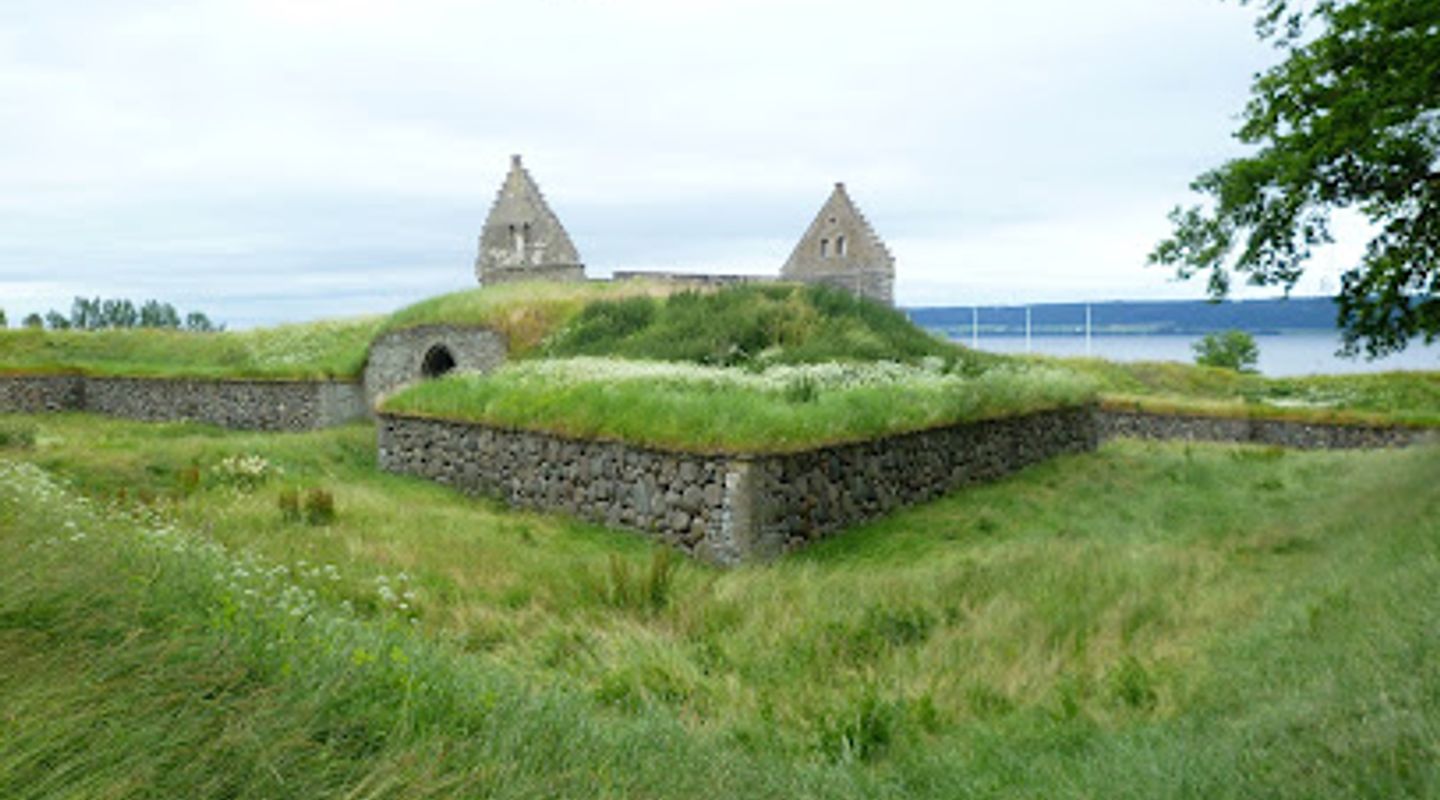
Perched on the gentle limestone shores of Visingsö in Lake Vättern, the Wisingsborg Castle Ruins are the weathered remains of a 16th–17th century castle once belonging to the powerful Brahe family. Wide low walls, fragments of vaulted cellars and grassed-over foundations sit among ancient oaks and open meadow, offering a textured glimpse into Sweden’s noble past and the island’s layered archaeological landscape.
A brief summary to Wisingsborg Castle Ruins
- Visingsö, 563 94, SE
- Click to display
- Duration: 0.5 to 2 hours
- Free
-
 Outdoor
- Mobile reception: 3 out of 5

Know before you go
Hi, I'm Eve. Here are a few practical things to know before exploring Wisingsborg Castle Ruins.
- Wear sturdy shoes: surfaces are uneven and sections of exposed masonry and grassy banks can be slippery after rain.
- Respect the site: the ruins are archaeological and protected—avoid climbing fragile walls or disturbing loose stone.
- Bring a field guide or download offline maps if you plan to explore other island heritage sites; signage at the ruin itself is limited.
Do you manage this location?
Take control to get all the benefits, like improved information, better appearance, and stronger visibility across AI-powered discovery. Learn more about listing your business on Evendo
Activate your presenceOther nearby places you may find interesting
The closest places of the same kind, if this one is not quite what you had in mind.
Explore Wisingsborg Castle Ruins on the Map
A handpicked selection of must-see spots near Wisingsborg Castle Ruins, mapped for you.
Getting There
-
Ferry plus local cycle
Combining the island ferry from Gränna with a bicycle provides flexible access: ferry crossings typically take 15–25 minutes each way with regular daily sailings in summer, bicycle rental on the island is common and the ride to the ruin is 10–25 minutes over quiet island lanes; note that ferry timetables are seasonal and bikes may have an extra rental fee of about SEK 80–200 per day.
-
Ferry plus local bus or taxi
Take the passenger ferry from Gränna to Visingsö then transfer to a local island bus or taxi—bus journeys across the island usually run 10–20 minutes depending on stops; taxis are quicker (under 10–15 minutes) but are limited in number and cost more, typically SEK 150–350 for short island trips, with lower service frequency outside peak season.
-
On-foot approach from southern sites
If you are already exploring southern Visingsö historic points, a walking approach is feasible as a 30–60 minute stroll over mostly level terrain across farm tracks and meadow; terrain is uneven in places and not fully surfaced, so allow extra time and sturdy footwear.
For the on-the-go comforts that matter to you
-
 Seating Areas
-
 Information Boards
-
 Picnic Areas
-
 Trash Bins
Discover more about Wisingsborg Castle Ruins
Origins and noble ambitions
Visingsborg began life as a grand stone seat for Sweden’s landed elite in the 1500s and grew through the 1600s under the patronage of the Brahe family, who shaped much of the island’s cultural landscape. The castle was built as an imposing square complex with towers and a defensive moat; though time and a destructive fire left only portions of the structure, the surviving masonry and cellars still outline the scale and layout of what was once one of the region’s most important manorial centres.What remains and what it reveals
At ground level you’ll find low exterior walls, fragments of dressed stone and the hollowed ribs of vaulted rooms that hint at underground passages, storehouses and service spaces. Sections of the castle’s footprint have been reclaimed by turf and meadow, and hollows mark where foundations and cellars once cut into the island’s limestone bedrock. The ruin’s materials — rough-hewn local stone and lime mortar — read as an archive of building practice and of centuries of weather and use.Landscape and living context
Wisingsborg’s ruins are set amid Visingsö’s patchwork of oak groves, farmland and meadows that were themselves shaped by centuries of estate management, shipyard planning and timber cultivation. The scale of the island — narrow, long and dominated by the lake’s cool edge — gives the site a sense of seclusion: the ruins feel like a fragment of noble life left to natural rhythms, with wind across low grass and birdsong in the surrounding trees the dominant sensory notes.Layers of history and human stories
The ruins are a palimpsest of events: grand construction and embellishment; decades as an administrative and social centre; a period of abandonment; and eventual destruction in the early 18th century amid wartime upheaval. Beneath the visible stones lie traces of the servants’ workrooms, armories and cellars that one historic estate would have required, while the landscape around carries older markers of settlement, from medieval royal activity to earlier agricultural practice on the island.Visiting experience and atmosphere
A visit is paced and reflective: there are no overt interpretive buildings on the footprint itself, so exploration is primarily visual and tactile — reading the lines of surviving walls, tracing mortar joints with the eyes and noticing how vegetation has softened architectural forms. On a clear day the light draws out the yellow-beige of weathered stone and the deeper green of surrounding oak stands; in low light the ruin’s hollows and arches take on a quieter, more secretive aspect.Conservation and cultural resonance
Though ruinous, the site is conserved as a cultural ruin rather than reconstructed; its value is archaeological and illustrative, revealing construction methods and estate organisation rather than presenting a restored interior. The castle’s remains connect directly to Visingsö’s identity — an island marked by royal and noble residences, historic oak plantings and an agricultural pattern that endured for centuries — and they remain a visible link to the social and political history of the region.More to explore near Wisingsborg Castle Ruins













Your all‑in‑one travel companion app
Explore expert travel guides, compare and book tours, experiences, hotels, and more—all from the palm of your hand. Download now for seamless trip planning wherever your wanderlust takes you.


Explore More of Gotaland
Looking beyond Wisingsborg Castle Ruins? Discover Gotaland for broader travel guides, local hot-spots, and regional highlights.
Explore Gotaland