Drottens ruin, Gotaland Travel Guide
A small, roofless 13th‑century parish ruin in Visby—intimate masonry, medieval echoes and a quiet slice of Hanseatic history.
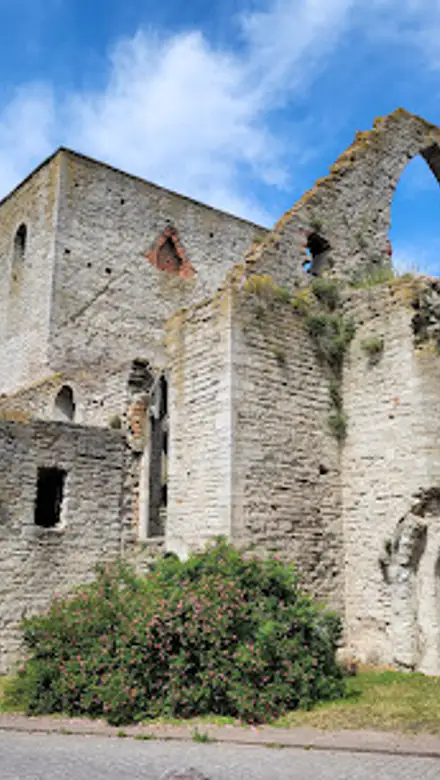
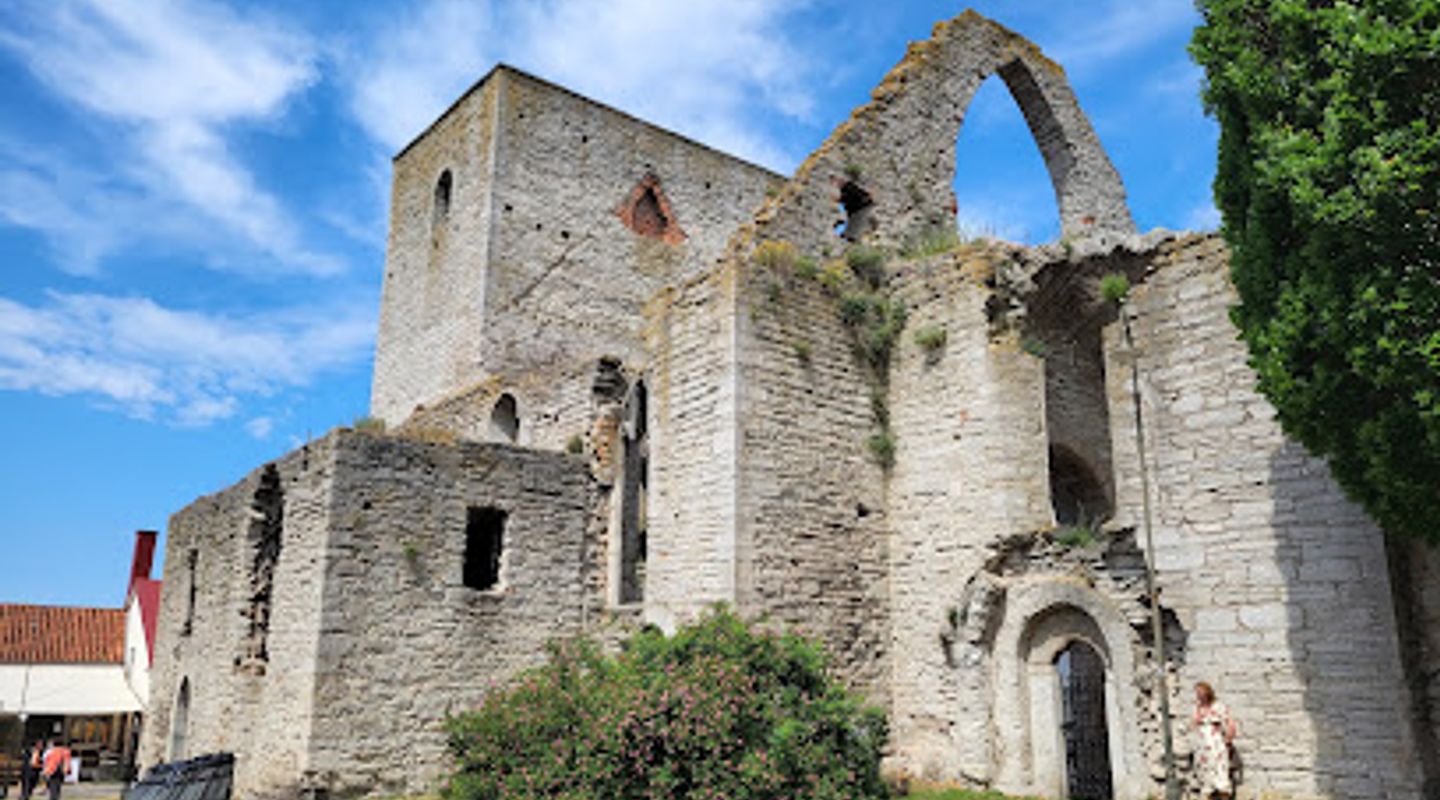
Drottens ruin is the roofless, atmospheric remains of a 13th-century church in central Visby, set directly across from the S:t Lars ruin and framed by narrow medieval streets. Once called S:t Trinitatis and later known by the Old Norse word 'Drotten' (ruler or lord), the small stone nave and fragmentary walls offer a compact glimpse of Visby’s Hanseatic-era ecclesiastical fabric and the city’s long history of worship, decline and preservation.
A brief summary to Drottens ruin
- Syskongatan 4, Visby, 621 56, SE
- Click to display
- Duration: 0.25 to 1 hours
- Free
-
 Outdoor
- Mobile reception: 4 out of 5
- Monday 10 am-6 pm
- Tuesday 10 am-6 pm
- Wednesday 10 am-6 pm
- Thursday 10 am-6 pm
- Friday 10 am-6 pm
- Saturday 10 am-6 pm
- Sunday 10 am-6 pm

Know before you go
Hi, I'm Eve. Here are a few practical things to know before exploring Drottens ruin.
- Visit at golden hour for the warm light against limestone and quieter streets around the ruin.
- Combine a short walk around S:t Lars and nearby ruins to appreciate how the medieval parishes sat close together.
- Wear comfortable shoes—the surrounding lanes are cobbled and uneven.
Do you manage this location?
Take control to get all the benefits, like improved information, better appearance, and stronger visibility across AI-powered discovery. Learn more about listing your business on Evendo
Activate your presenceOther nearby places you may find interesting
The closest places of the same kind, if this one is not quite what you had in mind.


Explore Drottens ruin on the Map
A handpicked selection of must-see spots near Drottens ruin, mapped for you.
Unlock the Best of Drottens ruin
Buy tickets
-
No tickets available
Book tours with entry

Book tours without entry

Getting There
-
Public bus from Visby central
Local town buses typically run from Visby central to stops within the inner town; travel time in normal service is about 6–12 minutes depending on route and traffic. Services operate frequently in summer and less often in low season; a single-ride ticket costs roughly 20–40 SEK. Buses may be busy in peak summer and have limited luggage space.
-
Walking from Stora Torget
A flat pedestrian route through the medieval streets takes roughly 8–15 minutes depending on pace; terrain is cobbled and may be uneven—not fully suitable for wheeled luggage or some mobility aids. There is no dedicated paid parking adjacent to the ruin.
-
Taxi from Visby ferry terminal
A taxi ride from the ferry terminal to central Visby typically takes 6–12 minutes in normal traffic; fares are about 100–200 SEK depending on time of day and luggage. Taxis provide door-to-door convenience but can be subject to seasonal availability and surge pricing during festivals.
For the on-the-go comforts that matter to you
-
 Seating Areas
-
 Information Boards
-
 Trash Bins
Discover more about Drottens ruin
Origins and name
Drottens ruin sits on a modest plot within Visby’s medieval core; the church was constructed in the 1200s as a parish church associated with the German community and originally dedicated to the Trinity. The surviving masonry—short stretches of wall, window openings and foundations—speaks of a modest urban church rather than a grand cathedral, and the site’s later popular name, Drotten, derives from an Old Norse term for a ruler or lord that was transferred to the church over time.How the ruin looks and feels
Approach along a tight lane and you encounter rough limestone walls punctuated by narrow lancet openings and weathered corners; the interior floor is open to the sky, with grass and low planting softening the stone. The scale is human and intimate: this is not a monumental ruin but a pocket of quiet within the island’s dense medieval fabric. Light changes the mood dramatically—golden in late afternoon, silvery beneath overcast skies—and the absence of a roof draws attention to the surviving carving and mortar textures.Relationship with neighbouring sites
Drottens sits directly opposite the ruin of S:t Lars and is part of the network of ruined churches that punctuate Visby’s inner town. Seen together these ruins map the town’s medieval parish structure and hint at the ethnic and guild divisions of the time; Drotten’s links to the German congregation make it one node in a wider picture of trade, faith and community in the Hanseatic era. The clustered ruination gives the area a layered, archaeological character where fragments from different centuries sit within a single streetscape.Historical layers and uses
Like many Visby churches, Drotten passed through phases: construction and active use in the high medieval period, decline after the Reformation, and eventual ruination when walls were partially demolished and stone reused in other buildings. Over subsequent centuries the shell served various pragmatic functions and, later, found protection under preservation policies that recognised Visby’s exceptional medieval legacy. The ruin today preserves the footprint and wall lines that allow interpretation of the church’s original plan and scale.What to notice carefully
Examine the masonry joints and the surviving window heads for traces of tooling and repair campaigns; these small details reveal building phases and craftsmanship. Look for carved stone fragments reused in later repairs, and note the layering of patches where rubble meets dressed stone—evidence of repeated intervention. The immediate setting—cobbles, narrow streets and nearby domestic buildings—helps you imagine how this small parish served local residents rather than a distant elite.Cultural resonance and present-day character
Drottens ruin contributes to the distinctive atmospheric quilt of Visby’s inner town: a place where ruin and daily life coexist. Its compact scale makes it an intimate spot for quiet reflection and for picturing the rhythms of medieval worship, while its protected state and placement in the urban grid emphasise why Visby’s ensemble of ruins has been carefully conserved. The ruin is both a fragmentary architectural record and a tangible thread in the town’s long story of commerce, faith and preservation.












Your all‑in‑one travel companion app
Explore expert travel guides, compare and book tours, experiences, hotels, and more—all from the palm of your hand. Download now for seamless trip planning wherever your wanderlust takes you.


Explore More of Gotaland
Looking beyond Drottens ruin? Discover Gotaland for broader travel guides, local hot-spots, and regional highlights.
Explore Gotaland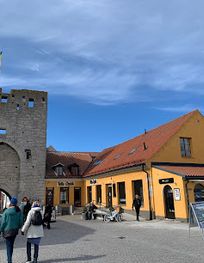
Pass through Österport's twin towers into Visby's medieval heart—a 13th-century gateway blending Hanseatic history, limestone grandeur, and timeless Baltic charm.
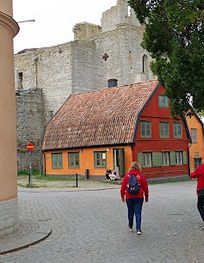
A compact, UNESCO‑listed Hanseatic old town where medieval walls, merchant houses and church ruins meet cobbled lanes and sea views.