

Hisingen (Gothenburg) Travel Guide - Free
Explore Hisingen in Gothenburg with Evendo's free guide. Find the best shops, historic streets, restaurants, and gems on web or mobile.


Hisingen in Gothenburg combines shipyard history, waterfront walks, Ramberget views, green parks, local markets and innovative cultural districts across the river.
An Island Shaped by the River
Hisingen is not a compact district but Gothenburg’s large northern island, stretching from the urban waterfront opposite the historic centre to open coastal landscapes and suburban communities. The Göta älv gives the island its defining geography: on its southern edge, former docklands have become the contemporary quarters of Lindholmen and Eriksberg, while further north the landscape opens into woodland, farmland, rocky hills and small village centres. This breadth makes Hisingen feel less like a single neighbourhood than a sequence of distinct local worlds connected by bridges, trams, buses and ferries.Read more about Hisingen
Docklands and New City Life
Green North and Maritime Horizons
Best attractions in Hisingen
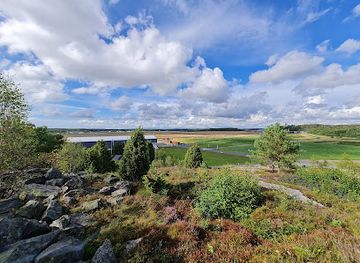
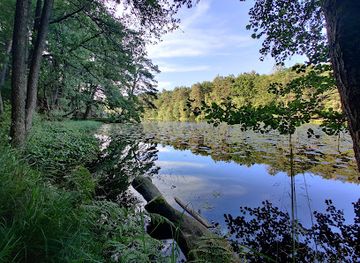
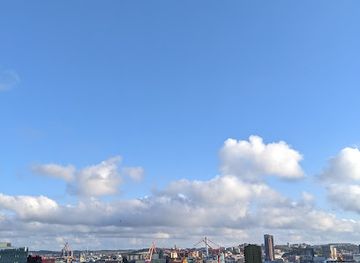
Hisingen’s attractions range from major public viewpoints to working-city landscapes and large areas of nature. Ramberget, rising above Keillers Park, is the island’s classic lookout, with views over the Göta älv, Gothenburg’s central skyline, harbour and ship traffic. Along the southern shore, the Lindholmen and Eriksberg waterfronts offer promenades through redeveloped docklands, where modern buildings stand beside industrial traces and former shipyard structures. Hisingsparken and Slätta Damm provide woodland, open grassland and walking routes within the city, while the Volvo Museum in Arendal explores the history of the Swedish vehicle company. At Säve, Aeroseum occupies a former underground air force hangar and presents aviation-focused exhibitions and activities. Kville Saluhall adds a more local, food-centred attraction, and the island’s historic churches at Lundby, Tuve and Säve reveal landscapes that predate Gothenburg’s industrial expansion.
-
Tourist attraction
Aeroseum
Discover Aeroseum in Gothenburg, a unique aviation museum and conference center, showcasing Sweden's rich aviation history and interactive exhibits.
26 min drive · 8.8 km from neighbourhood centre
-
Tourist attraction
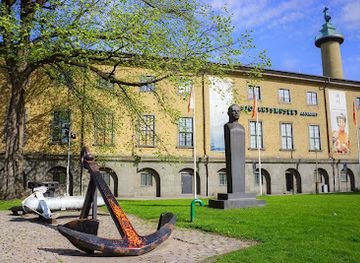
Maritime Museum & Aquarium
Explore Sweden's maritime history and the wonders of aquatic life at Gothenburg's Maritime Museum & Aquarium, a perfect family-friendly attraction.
7 min drive · 2.2 km from neighbourhood centre
-
Tourist attraction
Hisings park
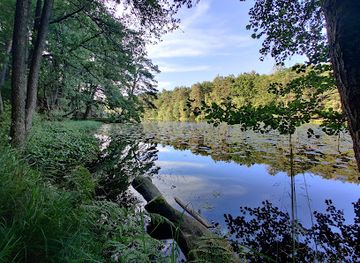
Explore Hisings Park, Gothenburg's lush urban oasis, featuring scenic paths, vibrant flora, and a perfect retreat for relaxation and recreation.
16 min drive · 5.3 km from neighbourhood centre
-
Tourist attraction
Herkules Landmark
Explore the Herkules Landmark, a breathtaking symbol of Gothenburg's history and architecture, offering a serene escape in the heart of the city.
7 min drive · 2.2 km from neighbourhood centre
Best landmarks in Hisingen
Ramberget is Hisingen’s most recognisable natural landmark, its granite height and wooded slopes forming a permanent reference point above the river. Keillers Park, established on former industrial land below it, connects the viewpoint with a public landscape shaped by Gothenburg’s industrial history. The Göta älv waterfront carries another layer of local symbolism: Lindholmen and Eriksberg retain shipyard buildings, dock edges and maritime infrastructure amid new offices and housing, making the transition from manufacturing to knowledge-based development visible in the built environment. Hisingsbron, the modern bridge linking the island with central Gothenburg, is an important contemporary piece of transport infrastructure, although its significance is metropolitan rather than confined to one district. Lundby gamla kyrka, Tuve kyrka and Säve kyrka are older landmarks associated with the island’s rural parish communities. Together, these places show Hisingen as an area where village history, port industry, engineering and urban redevelopment remain physically intertwined.
-
Park
Hisings park
Discover the serene beauty of Hisings Park in Gothenburg, a perfect blend of nature, recreation, and community spirit in Sweden's vibrant city.
16 min drive · 5.3 km from neighbourhood centre
-
Historical landmark
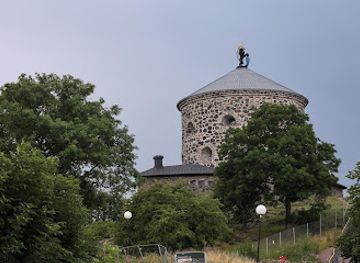
Skansen Lejonet
Discover the historical fortress of Skansen Lejonet in Gothenburg, a captivating blend of culture, stunning views, and rich Swedish history.
5 min drive · 1.6 km from neighbourhood centre
-
Scenic spot
Keillers Park Viewpoint
Discover breathtaking views and serene nature at Keillers Park Viewpoint in Gothenburg, a must-visit for all travelers seeking scenic beauty.
6 min drive · 1.9 km from neighbourhood centre
-
Historical landmark
Old Älvsborg Fortress
Discover Old Älvsborg Fortress in Gothenburg, Sweden - a historical landmark offering stunning views and rich maritime history.
12 min drive · 4.0 km from neighbourhood centre
Explore Hisingen on the map
A handpicked selection of must-see spots in Hisingen, mapped for you.
Best hotels in Hisingen
Best restaurants in Hisingen
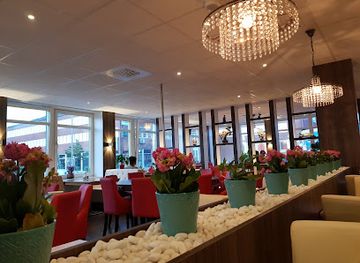
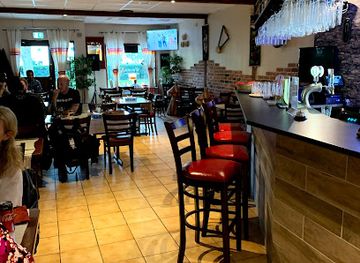
Hisingen’s food scene reflects its mixed identity: inner waterfront districts offer cafés, modern restaurants and workday dining, while Kville and Backaplan provide a broader everyday range shaped by the island’s diverse communities. Kville Saluhall is a useful starting point for food shopping, casual eating and discovering ingredients beyond the conventional Swedish restaurant repertoire. Around Lindholmen and Eriksberg, dining is closely tied to offices, university life, new housing and the river promenade, with options tending towards contemporary cafés, restaurants and relaxed evening venues rather than a single defining cuisine. Further from the centre, local shopping areas and suburban centres serve residents with bakeries, takeaway counters and international groceries. Visitors should distinguish Hisingen’s genuine neighbourhood dining from the more concentrated restaurant districts on the south side of the river; here, the interest lies in variety, proximity to local life and the contrast between former industrial settings and ordinary commercial streets.
-
Restaurant
Tildas Krog
Experience authentic Swedish flavors at Tildas Krog in Gothenburg – where local ingredients meet culinary excellence.
5 min drive · 1.6 km from neighbourhood centre
-
Restaurant
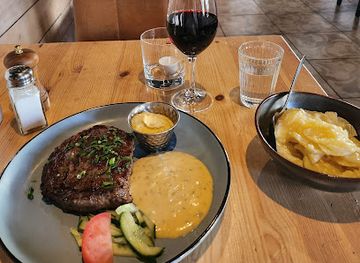
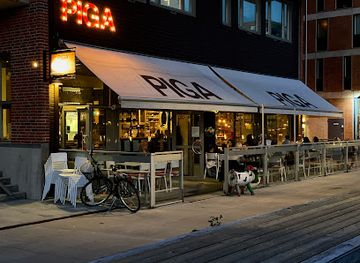
Restaurang Piga
Discover Gothenburg's culinary delight at Restaurang Piga – where exquisite meat dishes meet warm hospitality.
10 min drive · 3.5 km from neighbourhood centre
-
Asian
Dubbelgården
Discover the flavors of Asia at Dubbelgården, where hotpot meets hospitality in the heart of Gothenburg.
7 min drive · 2.3 km from neighbourhood centre
-
Eritrean
East Africa Restaurant
Explore authentic Eritrean cuisine at East Africa Restaurant - a buffet delight in Gothenburg offering diverse flavors from around the world.
5 min drive · 1.8 km from neighbourhood centre
Best bars in Hisingen
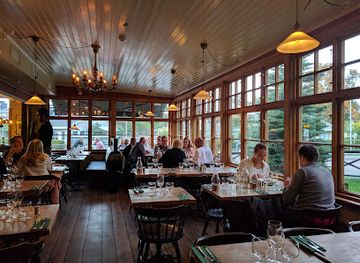
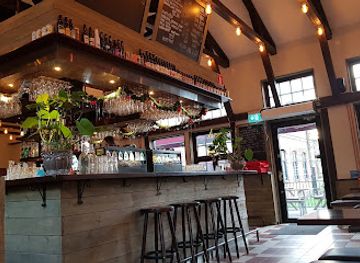
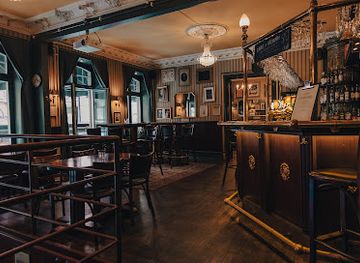
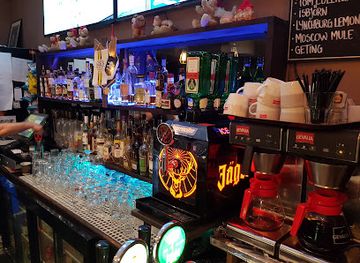
Nightlife on Hisingen is comparatively dispersed and generally less club-oriented than Gothenburg’s central districts. Lindholmen and Eriksberg have the strongest evening presence, with restaurants, hotel bars, cultural events and waterfront gathering places linked to offices, higher education and new residential development. Kville offers a more local rhythm, including casual bars and places to meet around the neighbourhood’s food and shopping streets, but it is not a continuous late-night entertainment quarter. Some former industrial and event spaces host performances, conferences or occasional evening programmes, although schedules change and should be checked independently. The riverfront is attractive after dark for illuminated views across Gothenburg, yet long stretches are quiet, particularly beyond the main clusters of housing and dining. Visitors seeking large nightclubs, dense bar streets or a broad choice of live music will usually find more options in central Gothenburg, reached by tram, bus or ferry.
-
Pub
Port Arthur
Discover the vibrant ambiance and delicious cuisine at Port Arthur, Gothenburg's favorite pub and restaurant, where every meal is a delightful experience.
6 min drive · 2.1 km from neighbourhood centre
-
Beer hall
Ölstugan Tullen Kville
Experience the essence of Gothenburg at Ölstugan Tullen Kville, where a diverse selection of beers meets traditional Swedish cuisine in a vibrant atmosphere.
5 min drive · 1.7 km from neighbourhood centre
-
Pub
The Flying Barrel Pub
Discover the charm of Gothenburg at The Flying Barrel Pub, your go-to spot for local craft beers and delicious pub fare.
13 min walk · 1.0 km from neighbourhood centre
-
Pub
Whoopsi Daisy
Experience the vibrant atmosphere of Whoopsi Daisy, a top sports bar in Gothenburg, offering an extensive drinks menu and delicious pub food.
7 min drive · 2.4 km from neighbourhood centre
Best nightclubs in Hisingen
Nightlife on Hisingen is comparatively dispersed and generally less club-oriented than Gothenburg’s central districts. Lindholmen and Eriksberg have the strongest evening presence, with restaurants, hotel bars, cultural events and waterfront gathering places linked to offices, higher education and new residential development. Kville offers a more local rhythm, including casual bars and places to meet around the neighbourhood’s food and shopping streets, but it is not a continuous late-night entertainment quarter. Some former industrial and event spaces host performances, conferences or occasional evening programmes, although schedules change and should be checked independently. The riverfront is attractive after dark for illuminated views across Gothenburg, yet long stretches are quiet, particularly beyond the main clusters of housing and dining. Visitors seeking large nightclubs, dense bar streets or a broad choice of live music will usually find more options in central Gothenburg, reached by tram, bus or ferry.
-
Night club
Park Lane
Experience the pulsating heart of Gothenburg's nightlife at Park Lane, where vibrant music meets exquisite dining.
15 min walk · 1.2 km from neighbourhood centre
-
Gay night club
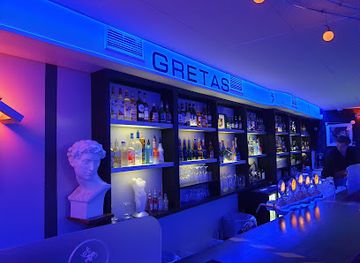
Gretas
Experience the vibrant nightlife at Gretas, Gothenburg's premier gay nightclub, where love and music unite in a welcoming atmosphere.
2 min walk · 0.2 km from neighbourhood centre
-
Night club
Valand
Experience the vibrant nightlife at Valand, Gothenburg's premier night club and event venue, where delicious cuisine meets electrifying entertainment.
11 min walk · 0.9 km from neighbourhood centre
-
Night club
Excet
Experience the vibrant nightlife of Gothenburg at Excet, a premier night club with electrifying music and unforgettable dance parties.
11 min walk · 0.9 km from neighbourhood centre



Best shops in Hisingen
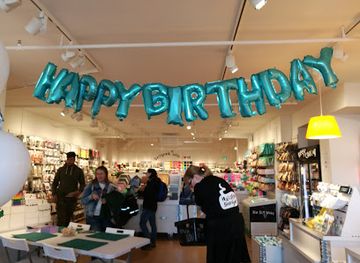
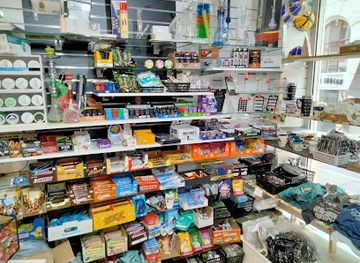
Shopping on Hisingen is varied but largely practical and local rather than centred on luxury retail. Backaplan is the island’s major commercial area, with large shops, everyday services and a broad retail catchment, while the surrounding streets have a distinctly urban, mixed-use character. Kville Saluhall offers food shopping and informal eating, with specialist ingredients and international influences that reflect the area’s diverse population. Kvilletorget and nearby streets are useful for smaller local businesses, cafés and services, though the retail landscape changes over time and is not best approached as a fixed boutique circuit. In Lindholmen and Eriksberg, new ground-floor businesses serve residents, workers and visitors near the waterfront, while larger specialist shopping facilities are generally found around Backaplan or elsewhere on the island. The contrast between market-style food retail, suburban commercial development and contemporary waterfront businesses is more characteristic of Hisingen than a single signature shopping street.
-
Shopping mall
Backaplan
Explore Backaplan, Gothenburg's premier shopping mall, offering a rich blend of fashion, dining, and Swedish culture in one vibrant location.
6 min drive · 1.9 km from neighbourhood centre
-
Souvenir store
Haga of gothenburg
Discover Haga, Gothenburg's charming historical district filled with unique shops, delightful cafes, and rich cultural experiences.
13 min walk · 1.1 km from neighbourhood centre
-
Second hand store
Björkåfrihet Second hand
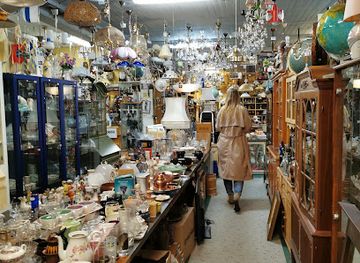
Explore the charm of sustainable shopping at Björkåfrihet Second Hand in Gothenburg, where every item has a story to tell.
7 min drive · 2.4 km from neighbourhood centre
-
Souvenir store
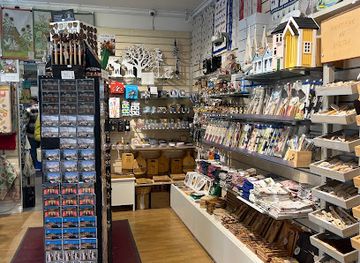
SOUVENIR GOTHENBURG
Explore Souvenir Gothenburg for unique gifts and local crafts that capture the heart of the city, perfect for every traveler looking for memorable keepsakes.
5 min walk · 0.4 km from neighbourhood centre

From Eve
Local phrases worth knowing
You don't need to get them perfect. A few words go a long way, and locals appreciate the effort.
Basics
| English | Local | Say it |
|---|---|---|
| Hello | Hej | [hey] |
| Goodbye | Hej då | [hey doh] |
| Yes | Ja | [yah] |
| No | Nej | [nay] |
| Please/You're welcome | Snälla | [snell-ah] |
| Thank you | Tack | [tahck] |
| Excuse me/Sorry | Ursäkta mig | [ur-saek-tah mei] |
| How are you? | Hur mår du? | [hur mor doo] |
| Fine. And you? | Bra. Och du? | [bra. oh-sh doo] |
| Do you speak English? | Talar du engelska? | [tah-lar doo eng-els-kah] |
| I don't understand | Jag förstår inte | [yahg for-stor in-tei] |
Eating & Drinking
| English | Local | Say it |
|---|---|---|
| I'd like to see the menu, please | Jag skulle vilja se menyn, tack | [yahg shool-lei vil-ya se mei-nin, tahck] |
| I don't eat meat | Jag äter inte kött | [yahg et-er in-tei choot] |
| Cheers! | Skål! | [skol] |
| I would like to pay, please | Jag skulle vilja betala, tack | [yahg shool-lei vil-ya be-tah-la, tahck] |
Emergencies
| English | Local | Say it |
|---|---|---|
| Help! | Hjälp! | [yel-p] |
| Go away! | Gå bort! | [goh bort] |
| Call the Police! | Ring polisen! | [ring po-lee-sen] |
| Call a doctor! | Ring en läkare! | [ring en le-ka-rei] |
| I'm lost | Jag är vilse | [yahg air vil-sei] |
| I'm ill | Jag är sjuk | [yahg air shuuk] |
Shopping
| English | Local | Say it |
|---|---|---|
| I'd like to buy... | Jag skulle vilja köpa... | [yahg shool-lei vil-ya choppa] |
| I'm just looking | Jag tittar bara | [yahg tee-tar bah-ra] |
| How much is it? | Hur mycket kostar det? | [hur myoo-ket kost-ar deit] |
| That's too expensive | Det är för dyrt | [deit air for durt] |
| Can you lower the price? | Kan du sänka priset? | [kahn doo saenk-a prei-set] |
Time & Numbers
| English | Local | Say it |
|---|---|---|
| What time is it? | Vad är klockan? | [vahd air klok-kan] |
| It's one o'clock | Klockan är ett | [klok-kan air et] |
| Half past (10) | Halv (tio) | [halv tee-oh] |
| Morning | Morgon | [mor-gon] |
| Afternoon | Eftermiddag | [ef-ter-mee-dag] |
| Evening | Kväll | [kvel] |
| Yesterday | Igår | [ee-gor] |
| Today | Idag | [ee-dag] |
| Tomorrow | Imorgon | [ee-mor-gon] |
| 1 | En | [en] |
| 2 | Två | [tvo] |
| 3 | Tre | [trei] |
| 4 | Fyra | [fyra] |
| 5 | Fem | [fem] |
| 6 | Sex | [seks] |
| 7 | Sju | [shoo] |
| 8 | Åtta | [ot-ta] |
| 9 | Nio | [nee-o] |
| 10 | Tio | [tee-oh] |
Transport & Directions
| English | Local | Say it |
|---|---|---|
| Where's a/the...? | Var är en/the...? | [var air en/the...] |
| What's the address? | Vad är adressen? | [vahd air a-dress-en] |
| Can you show me (on the map)? | Kan du visa mig (på kartan)? | [kahn doo vee-sa mei (po cart-an)] |
| When's the next (bus)? | När går nästa (buss)? | [nair gor nay-sta (boos)] |
| A ticket (to ....) | En biljett (till ....) | [en beel-yet (teel ....)] |
History of Hisingen
Rural Settlements before Gothenburg
Long before modern Gothenburg expanded across the Göta älv, Hisingen consisted of farms, woodland, wetlands and small settlements. Places such as Lundby, Tuve and Säve preserve the names of older parishes and rural communities, with churches and historic village landscapes recalling the island’s pre-urban identity. The island’s position beside the river made it strategically important, but much of its interior remained agricultural for centuries. Hisingen was incorporated into Gothenburg in stages as the city grew, bringing older local communities into an increasingly connected urban and industrial landscape.
Shipyards and Harbour Expansion
Industrialisation transformed southern Hisingen from a largely rural area into one of Sweden’s most important maritime and manufacturing landscapes. Shipbuilding, engineering, docks and associated workshops developed along the Göta älv, especially around Lundby and the later Eriksberg and Lindholmen shipyards. The riverfront attracted workers, infrastructure and housing, while roads, tramways and bridges tied the island more closely to the central city. Shipyard employment helped define local life for generations, and the industrial waterfront became one of the clearest expressions of Gothenburg’s role as a port and manufacturing centre.
Suburban Growth and New Connections
During the twentieth century, Hisingen expanded well beyond the old industrial waterfront. Housing estates, schools, commercial centres and transport corridors spread through districts including Biskopsgården, Kville, Kärra, Torslanda and Backa, while the island’s rural north became increasingly connected to the metropolitan region. The construction and improvement of bridges across the Göta älv strengthened links with central Gothenburg, although Hisingen retained a distinct geography and a stronger mixture of urban, industrial and rural environments than the inner city.
From Shipyards to Knowledge Districts
The decline of large-scale shipbuilding reshaped the riverfront from the late twentieth century onwards. Former industrial land around Lindholmen and Eriksberg was redeveloped for housing, education, research, offices and public waterfront space, while remnants of the working harbour remained part of the scenery. Lindholmen Science Park became associated with technology, mobility and higher education, giving the area a new economic role without erasing its industrial setting. Across Hisingen, redevelopment has continued alongside debates about housing, transport, public access to the river and the balance between employment, heritage and local identity.
Hisingen in Photos
Browse through our photo collection highlighting the charm and character of the destination.
Neighbourhoods near Hisingen
The closest neighbourhoods to Hisingen, if you have time for more than one stop.
-

-

-

-

-


Swipe for more neighbourhoods

