

Linné (Gothenburg) Travel Guide - Free
Explore Linné in Gothenburg with Evendo's free guide. Find the best shops, historic streets, restaurants, and gems on web or mobile.


Linné in Gothenburg pairs leafy Slottsskogen, classic landshövdingehus, lively Linnégatan restaurants, cafés, bars and independent shops and city walks.
Linnégatan and the Local Rhythm
Linné stretches along Linnégatan in western Gothenburg, where a broad tram-lined avenue links the city centre with Linnéplatsen and the green edge of Slottsskogen. Its character comes from the meeting of late nineteenth-century apartment blocks, older landshövdingehus—Gothenburg’s distinctive timber-and-brick workers’ houses—and a busy everyday street life. Linnégatan is lined with cafés, restaurants, bars and small shops, while the side streets become quieter and more residential around Olivedalsgatan, Nordhemsgatan and Sveagatan.Read more about Linné
Architecture, Parkland and Culture
Food, Evening Life and Everyday Gothenburg
Best attractions in Linné
Linné’s main attractions are concentrated around Linnégatan and Linnéplatsen, where the dense inner-city streets give way to Slottsskogen. The park is the neighbourhood’s great outdoor resource, offering woodland paths, lawns, ponds and viewpoints for walking and relaxed recreation; its extensive grounds continue beyond Linné into adjacent parts of the city. At Linnéplatsen, the Naturhistoriska museet presents natural-history collections and is one of Gothenburg’s most established museums. Along Linnégatan, the attraction is less a single monument than the changing streetscape of cafés, restaurants, tram stops and nineteenth-century façades. Side streets such as Olivedalsgatan and Nordhemsgatan reveal the district’s landshövdingehus and quieter residential scale, while small cultural venues and independent businesses provide reasons to linger between the park and the avenue.
-
Tourist attraction
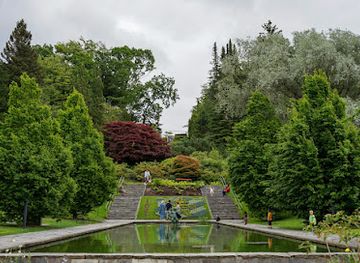
Lusthuset
Discover the tranquil beauty of Lusthuset in Gothenburg's Botanical Garden, where nature, serenity, and charm await you.
14 min walk · 1.1 km from neighbourhood centre
Best landmarks in Linné
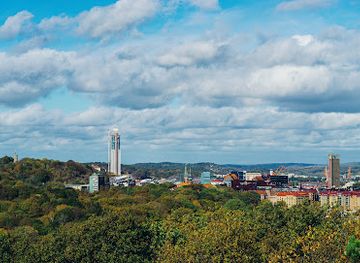
Linnégatan is Linné’s defining urban landmark: a broad tram corridor framed by late nineteenth- and early twentieth-century apartment buildings, commercial frontages and surviving examples of Gothenburg’s landshövdingehus tradition. Linnéplatsen forms an important spatial marker, bringing together the avenue, the entrance to Slottsskogen and the Naturhistoriska museet. The museum’s presence reflects the neighbourhood’s long relationship with public education and civic institutions, while Slottsskogen’s wooded landscape provides a contrasting landmark at the edge of the built quarter. Olivedalsgatan, Nordhemsgatan and nearby residential streets are significant in a more intimate way, preserving the scale and architectural mixture that distinguish Linnéstaden from the more formal centre. These places matter less as isolated monuments than as connected evidence of Gothenburg’s nineteenth-century westward expansion and continuing inner-city life.
-
 Park
Slottsskogen
Experience the natural beauty and cultural vibrancy of Slottsskogen Park in Gothenburg, a perfect retreat for tourists and nature lovers alike.
10 min walk · 0.8 km from neighbourhood centre
-
Botanical garden
Gothenburg Botanical Garden
Explore the enchanting Gothenburg Botanical Garden, a lush paradise filled with diverse plant species, serene pathways, and stunning landscapes for nature lovers.
10 min walk · 0.8 km from neighbourhood centre
-
Historical landmark
Skansen Kronan
Explore the rich history and stunning views of Skansen Kronan, a fortress offering a unique glimpse into Gothenburg's past and present.
8 min walk · 0.7 km from neighbourhood centre
-
Movie theater
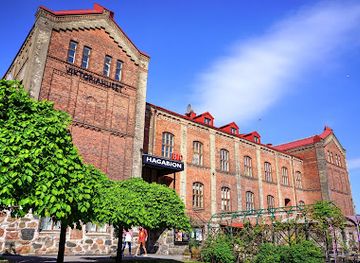
Hagabion
Discover Hagabion in Gothenburg: a unique fusion of independent cinema and delectable vegetarian dining in a cozy, cultural atmosphere.
9 min walk · 0.7 km from neighbourhood centre

Explore Linné on the map
A handpicked selection of must-see spots in Linné, mapped for you.
Best hotels in Linné
Best restaurants in Linné
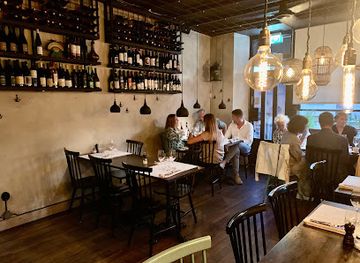
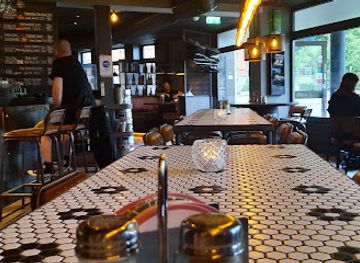
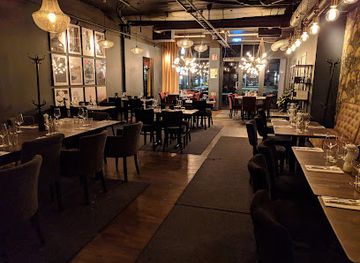
Linné is one of Gothenburg’s most dependable neighbourhoods for eating out, with a concentration of restaurants, wine bars, cafés and relaxed evening venues along Linnégatan and the adjoining streets. The selection reflects the area’s mixed urban population: modern Swedish cooking sits alongside Italian, Asian, Middle Eastern and other international influences, while bakeries and coffee shops support the distinctly Swedish fika tradition. Restaurants such as Familjen and Taverna Averna are associated with the local dining scene, while Folk and other venues around Olivedalsgatan contribute a more informal, contemporary mood. The area is particularly useful for visitors who want to browse several options on foot rather than plan around a single destination. Menus, reservations and opening arrangements vary, so the concentration of venues is more reliable than any particular restaurant’s availability.
-
Czech
Gyllene Prag
Experience authentic Czech cuisine at Gyllene Prag in Gothenburg—where tradition meets flavor in every dish.
4 min walk · 0.3 km from neighbourhood centre
-
Restaurant
Bord 27
Experience authentic Swedish cuisine with a modern twist at Bord 27 in Gothenburg's historic Haga district.
13 min walk · 1.0 km from neighbourhood centre
-
Gastropub
Station Linné - Gastropub
Discover Station Linné in Gothenburg: A premier gastropub offering seasonal delights and a vibrant atmosphere for food lovers.
1 min walk · 0.1 km from neighbourhood centre
-
Steak
Blackstone Steakhouse Linnégatan
Experience the ultimate steak dining at Blackstone Steakhouse in Gothenburg – where every bite is a celebration of flavor.
8 min walk · 0.6 km from neighbourhood centre
Best bars in Linné
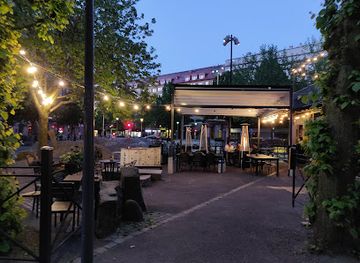
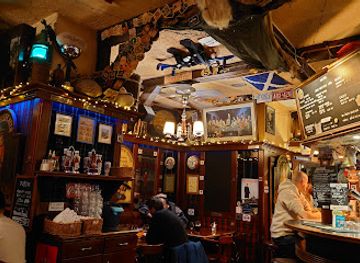
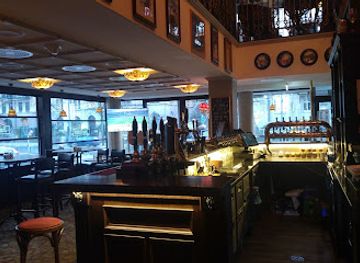
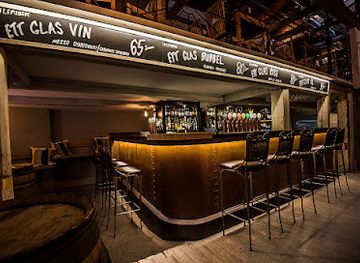
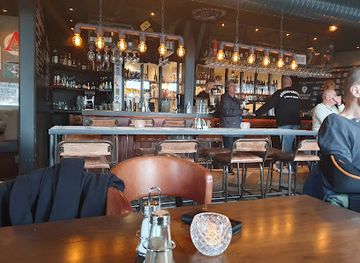
Linné’s nightlife is centred on Linnégatan and the nearby side streets, where evening activity ranges from traditional pub settings and beer-focused bars to wine bars, cocktail-led venues and restaurants that stay sociable late into the evening. The neighbourhood is generally more about conversation, food and bar-hopping than large nightclubs, although central Gothenburg’s broader entertainment scene is close by. Hagabion and its associated Kino venue add a cinematic and cultural dimension near Linnégatan, while bars around Olivedalsgatan attract a local after-work and weekend crowd. Tram traffic and residential buildings remain part of the setting, so the atmosphere is urban without becoming a dedicated club strip. Visitors should expect changing programmes and opening arrangements rather than assume that every venue operates late every night.
-
Pub
The Old Beefeater Inn
Discover the charm of Gothenburg at The Old Beefeater Inn, a beloved pub offering hearty meals and a vibrant atmosphere for all visitors.
10 min walk · 0.8 km from neighbourhood centre
-
Brewpub
John Scott's Linné
Discover John Scott's Linné, a lively brewpub in Gothenburg offering craft beers, hearty meals, and a vibrant sports bar experience.
7 min walk · 0.6 km from neighbourhood centre
-
Restaurant
Le Pub
Experience the charm of Gothenburg at Le Pub, where delicious bistro cuisine meets a vibrant pub atmosphere, perfect for locals and tourists alike.
12 min walk · 1.0 km from neighbourhood centre
-
Gastropub
Station Linné - Gastropub
Experience the culinary creativity of Station Linné, a premier gastropub in Gothenburg, where local flavors and modern cuisine meet.
1 min walk · 0.1 km from neighbourhood centre
Best shops in Linné
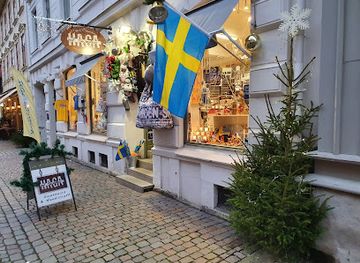
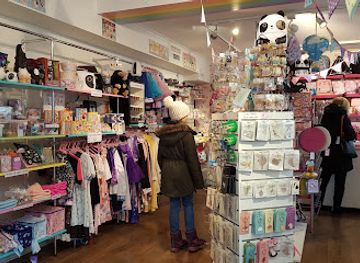
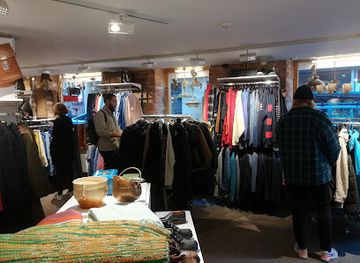
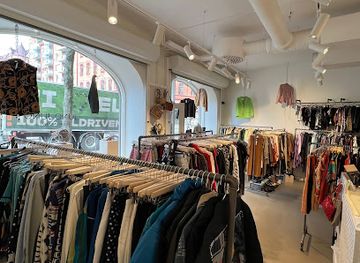
Shopping in Linné is primarily local and independent rather than dominated by large department stores. Linnégatan contains small fashion shops, lifestyle businesses, cafés and specialist services, while the side streets around Olivedalsgatan and Nordhemsgatan offer a slower commercial rhythm and occasional design-oriented or second-hand finds. The area’s retail character is closely tied to its restaurants and residential population, so browsing works best as part of a walk rather than as a single-purpose shopping excursion. Food shopping and everyday provisions are also woven into the neighbourhood, with smaller retailers complementing the wider city’s markets and supermarkets. Nearby Haga has a more concentrated tourist-shopping identity, but it is a separate district; Linné feels more like a lived-in inner-city quarter where independent businesses share space with homes, bars and cultural venues.
-
Souvenir store
Haga of gothenburg
Experience the historic charm and vibrant culture of Haga, Gothenburg's iconic district filled with unique shops and delightful cafes.
12 min walk · 1.0 km from neighbourhood centre
-
Gift basket store
Kawaii.se (Gothenburg)
Discover the whimsical charm of Kawaii.se in Gothenburg, your go-to gift basket store for adorable souvenirs and local treasures.
12 min walk · 1.0 km from neighbourhood centre
-
Thrift store
Björk & Frihet
Discover unique vintage treasures and sustainable finds at Björk & Frihet, Gothenburg's charming thrift store filled with character and creativity.
11 min walk · 0.9 km from neighbourhood centre
-
Vintage clothing store
JUNO JUNO SHOP
Explore Gothenburg's vibrant vintage scene at JUNO JUNO SHOP, where unique fashion pieces and sustainability come together in style.
10 min walk · 0.8 km from neighbourhood centre
Linné essentials
Getting There
Getting Around
Safety
Emergency Situations
Do's and Don'ts
Local Tips

From Eve
Local phrases worth knowing
You don't need to get them perfect. A few words go a long way, and locals appreciate the effort.
Basics
| English | Local | Say it |
|---|---|---|
| Hello | Hej | [hey] |
| Goodbye | Adjö | [ah-dyoo] |
| Yes | Ja | [yah] |
| No | Nej | [nay] |
| Please/You're welcome | Snälla | [snell-ah] |
| Thank you | Tack | [tahck] |
| Excuse me/Sorry | Ursäkta mig | [ur-sayk-tah me] |
| How are you? | Hur mår du? | [hur mor doo] |
| Fine. And you? | Bra. Och du? | [bra. oh-sh doo] |
| Do you speak English? | Talar du engelska? | [tah-lar doo eng-el-ska] |
| I don't understand | Jag förstår inte | [yahg for-stor eent-eh] |
Eating & Drinking
| English | Local | Say it |
|---|---|---|
| I'd like to see the menu, please | Jag skulle vilja se menyn, tack | [yahg skool-eh vil-yah seh menyhn, tahck] |
| I don't eat meat | Jag äter inte kött | [yahg ate-er eent-eh chut] |
| Cheers! | Skål! | [skawl] |
| I would like to pay, please | Jag skulle vilja betala, tack | [yahg skool-eh vil-yah beh-tah-lah, tahck] |
Emergencies
| English | Local | Say it |
|---|---|---|
| Help! | Hjälp! | [yelp] |
| Go away! | Gå bort! | [goh bohrt] |
| Call the Police! | Ring polisen! | [ring po-lee-sen] |
| Call a doctor! | Ring en läkare! | [ring en leh-kah-reh] |
| I'm lost | Jag är vilse | [yahg air veels-eh] |
| I'm ill | Jag är sjuk | [yahg air shoo-k] |
Shopping
| English | Local | Say it |
|---|---|---|
| I'd like to buy... | Jag skulle vilja köpa... | [yahg skool-eh vil-yah chur-pah] |
| I'm just looking | Jag tittar bara | [yahg tee-tahr bah-rah] |
| How much is it? | Hur mycket kostar det? | [hur myk-et kost-ahr deht] |
| That's too expensive | Det är för dyrt | [deht air fur deert] |
| Can you lower the price? | Kan du sänka priset? | [kahn doo sen-kah prees-et] |
Time & Numbers
| English | Local | Say it |
|---|---|---|
| What time is it? | Vad är klockan? | [vahd air klohk-ahn] |
| It's one o'clock | Klockan är ett | [klohk-ahn air eht] |
| Half past (10) | Halv tio | [hahlv tee-oh] |
| Morning | Morgon | [mohrg-ohn] |
| Afternoon | Eftermiddag | [eft-ehr-meed-dahg] |
| Evening | Kväll | [kvel-l] |
| Yesterday | Igår | [ee-gohr] |
| Today | Idag | [ee-dahg] |
| Tomorrow | Imorgon | [ee-mohrg-ohn] |
| 1 | Ett | [eht] |
| 2 | Två | [twoh] |
| 3 | Tre | [treh] |
| 4 | Fyra | [fy-rah] |
| 5 | Fem | [fem] |
| 6 | Sex | [seks] |
| 7 | Sju | [shoo] |
| 8 | Åtta | [ohta] |
| 9 | Nio | [nee-oh] |
| 10 | Tio | [tee-oh] |
Transport & Directions
| English | Local | Say it |
|---|---|---|
| Where's a/the...? | Var är en/the...? | [vahr air en/the] |
| What's the address? | Vad är adressen? | [vahd air ah-dress-en] |
| Can you show me (on the map)? | Kan du visa mig (på kartan)? | [kahn doo vee-sah me (poh kart-ahn)] |
| When's the next (bus)? | När går nästa (buss)? | [nair gor nes-tah (booss)] |
| A ticket (to ....) | En biljett (till ....) | [en beel-yet (teel)] |
History of Linné
From Agricultural Land to Urban Quarter
Before urban expansion reached the area, the land west of Gothenburg’s historic centre consisted largely of open ground, gardens and scattered settlement. The neighbourhood’s name refers to Carl Linnaeus, the Swedish botanist and taxonomist known in Swedish as Carl von Linné. As Gothenburg grew rapidly during the nineteenth century, streets were laid out west of the old city and the area began to develop as a planned residential district rather than remaining peripheral countryside.
Industrial Gothenburg Builds Linné
Linné took shape during the late nineteenth century, when industrial growth drew workers and middle-class households towards expanding districts outside the old fortified centre. Apartment houses, workshops and local businesses appeared along the new streets, while landshövdingehus provided comparatively dense housing in a form associated particularly with Gothenburg. Linnégatan became the principal urban spine, connecting the developing quarter with the centre and the open land towards what is now Slottsskogen. The resulting built environment combined practical housing with increasingly decorative stone façades.
Trams, Institutions and Public Life
The arrival and extension of electric tram services helped integrate Linné into Gothenburg’s wider urban system, making Linnégatan an important movement corridor as well as a commercial street. Public institutions strengthened the area’s identity: the natural-history museum at Linnéplatsen brought scientific collections and education to the western edge, while nearby Slottsskogen offered a major public landscape for recreation. Cafés, shops, schools, churches and small businesses supported a dense local life in the streets behind the main avenue.
From Working District to Cultural Neighbourhood
During the twentieth century, Linné’s housing stock and commercial streets adapted as Gothenburg’s economy and population changed. Some older wooden buildings disappeared or were altered, but substantial late nineteenth- and early twentieth-century architecture remained. In recent decades, restaurants, bars, creative businesses and independent retailers have joined established residential uses, raising the area’s profile while preserving its mixed urban character. Linné is now understood as both a historic inner-city neighbourhood and part of the larger Linnéstaden district, with Linnégatan’s nightlife balanced by the quieter streets and parkland at its western edge.
Linné in Photos
Browse through our photo collection highlighting the charm and character of the destination.
Neighbourhoods near Linné
The closest neighbourhoods to Linné, if you have time for more than one stop.
-

-

-

-

-


Swipe for more neighbourhoods
Explore more

Explore more of Gothenburg
Gothenburg blends maritime history, archipelago scenery, modern Nordic culture, lively food scenes, museums, parks and waterfront landmarks in Sweden.
Explore Gothenburg