

Avenyn (Gothenburg) Travel Guide - Free
Explore Avenyn in Gothenburg with Evendo's free guide. Find the best shops, historic streets, restaurants, and gems on web or mobile.


Avenyn in Gothenburg links Kungsportsplatsen with Götaplatsen, combining art museums, Poseidon, restaurants, cafés, shopping and nightlife on one boulevard.
A Ceremonial Axis Through Gothenburg
Avenyn, formally Kungsportsavenyen, is Gothenburg’s best-known boulevard, running south from Kungsportsplatsen towards Götaplatsen. Its broad, tree-lined alignment was laid out as the city expanded beyond its former fortified core during the nineteenth century, giving Gothenburg a formal urban promenade as well as a route towards the developing districts of Lorensberg and Vasastaden. Today, the avenue is a meeting place rather than simply a thoroughfare: trams pass at its northern end, restaurant terraces occupy the pavements, and the slope rises gradually towards the cultural institutions around Götaplatsen.Read more about Avenyn
Culture at the Upper End
Restaurants, Shops and Night-time Streets
Best attractions in Avenyn
Avenyn’s principal sightseeing route runs from Kungsportsplatsen to Götaplatsen, changing from a busy central boulevard into a cultural approach lined with mature trees, façades and restaurant terraces. At the upper end, the Gothenburg Museum of Art is the major museum attraction, with the Gothenburg Concert Hall and Gothenburg City Theatre completing the city’s most important cultural square. Carl Milles’s Poseidon fountain stands at its centre and is the avenue’s defining public artwork. The walk itself is an attraction, offering an easy introduction to Gothenburg’s nineteenth- and twentieth-century urban development, while nearby side streets lead towards Vasastaden and Lorensberg. Venues around Götaplatsen host exhibitions, concerts, theatre and public events, making the area more than a restaurant street. Attractions beyond the square, including Universeum and Liseberg, are nearby around Korsvägen but lie outside Avenyn proper.
-
Tourist attraction
Liseberg
Experience the thrills of Liseberg, Gothenburg's premier amusement park, where fun, adventure, and beautiful gardens come together for an unforgettable day.
13 min walk · 1.0 km from neighbourhood centre
-
Tourist attraction
Poseidon
Explore Poseidon in Gothenburg, a stunning statue symbolizing the city’s maritime heritage and a must-see for any traveler.
3 min walk · 0.3 km from neighbourhood centre
-
Tourist attraction
Avenue Parade Street
Explore Avenue Parade Street in Gothenburg: a vibrant blend of culture, shopping, dining, and history in the heart of Sweden's second city.
4 min walk · 0.3 km from neighbourhood centre
-
Tourist attraction
Lejontrappan
Explore the historic Lejontrappan in Gothenburg, a stunning staircase offering panoramic views and a glimpse into the city's rich cultural heritage.
13 min walk · 1.0 km from neighbourhood centre


Best landmarks in Avenyn
Avenyn’s most important landmark is the long, formal boulevard itself, whose broad alignment connects the former Kungsport area with Götaplatsen and records Gothenburg’s expansion beyond its old fortifications. At the southern end, Carl Milles’s Poseidon, unveiled in 1931, acts as both sculpture and urban axis, facing down the avenue from the centre of the cultural square. Around it stand the Gothenburg Museum of Art, Gothenburg Concert Hall and Gothenburg City Theatre, buildings that give Götaplatsen its civic and cultural importance. The avenue’s mature trees, varied urban façades and relationship with nearby Vasastaden and Lorensberg are also significant, showing how public institutions, apartment districts and commercial life were woven into the city’s nineteenth- and twentieth-century expansion. Kungsportsplatsen, at the northern end, marks the connection with the older central city.
-
Park
Kungsparken
Discover Kungsparken, Gothenburg’s breathtaking park that combines natural beauty with cultural heritage in a tranquil urban setting.
8 min walk · 0.6 km from neighbourhood centre
-
Tourist attraction
Poseidon
Discover the iconic Poseidon statue in Gothenburg, a symbol of maritime heritage surrounded by vibrant culture and stunning scenery.
3 min walk · 0.3 km from neighbourhood centre
-
Historical landmark
Götaplatsen
Explore Götaplatsen in Gothenburg, a cultural landmark boasting stunning architecture, art museums, and lively events in the heart of the city.
3 min walk · 0.3 km from neighbourhood centre
-
Tourist attraction
Avenue Parade Street
Discover the heart of Gothenburg at Avenue Parade Street, where culture, shopping, and culinary delights come together in a vibrant urban experience.
4 min walk · 0.3 km from neighbourhood centre


Explore Avenyn on the map
A handpicked selection of must-see spots in Avenyn, mapped for you.
Best hotels in Avenyn
Best restaurants in Avenyn
Avenyn is one of Gothenburg’s most concentrated dining areas, with restaurants and cafés occupying much of the boulevard and extending into the adjoining streets towards Lorensberg and Vasastaden. The scene includes Swedish and Nordic cooking, international restaurants, casual lunches, bakeries, coffee shops and more formal evening dining, making the avenue useful for both a quick stop and a planned meal. Outdoor seating gives the central stretch a social atmosphere in warmer weather, while the side streets tend to feel less ceremonial and more local. Gothenburg’s maritime setting and broader west-coast food culture are reflected in the availability of seafood-oriented cooking, although the district is not limited to one culinary tradition. Restaurant identities and opening arrangements change, so visitors should check current information rather than rely on old listings, particularly for venues around Götaplatsen and the northern end near Kungsportsplatsen.
-
American
Hard Rock Cafe
Discover the electrifying blend of American cuisine and rock 'n' roll culture at Hard Rock Cafe Gothenburg.
4 min walk · 0.3 km from neighbourhood centre
-
Restaurant
Restaurang Bryggeriet Avenyn
Experience the heart of Gothenburg's culinary scene at Restaurang Bryggeriet Avenyn, where local flavors meet international cuisine in an inviting atmosphere.
4 min walk · 0.4 km from neighbourhood centre
-
Italian
Olivia Avenyn
Experience authentic Italian cuisine at Olivia Avenyn in Gothenburg - where every meal feels like a trip to Italy.
5 min walk · 0.4 km from neighbourhood centre
-
Restaurant
Joe Farelli's
Experience delicious hamburgers at Joe Farelli's in Gothenburg – where casual dining meets American flavor!
4 min walk · 0.3 km from neighbourhood centre


Best bars in Avenyn
After dark, Avenyn becomes one of Gothenburg’s most visible evening districts, with bars, pubs, cocktail venues and clubs concentrated along the boulevard and in nearby streets. The atmosphere is generally busiest around the central and northern sections, while Götaplatsen provides a more cultural evening setting through concerts, theatre and performances rather than club life alone. The area attracts a mixed crowd of restaurant-goers, students, concert audiences and late-night visitors, but its character varies considerably from one venue to the next. Some places focus on music and dancing, others on drinks and conversation, and many are part of larger restaurants. Noise and queues can increase around popular venues, so residential entrances and pavements should be treated considerately. Current age policies, events and opening arrangements vary and should be checked directly before making evening plans.
-
Brewpub
John Scott's Avenyn
Experience the lively brewpub scene at John Scott's Avenyn in Gothenburg, where great food and craft beers meet vibrant social gatherings.
4 min walk · 0.3 km from neighbourhood centre
-
Beer hall
Wärdshuset Tullen
Experience the heart of Gothenburg's nightlife at Wärdshuset Tullen, a lively beer hall with a warm atmosphere and an impressive beer selection.
1 min walk · 0.1 km from neighbourhood centre
-
Bar
Rockbaren
Discover the vibrant rock music scene at Rockbaren, Gothenburg's top bar for live performances and a lively atmosphere!
2 min walk · 0.2 km from neighbourhood centre
-
Gastropub
Beerista
Experience the vibrant atmosphere of Beerista in Gothenburg, where craft beers and gourmet dishes come together for an unforgettable dining experience.
2 min walk · 0.2 km from neighbourhood centre


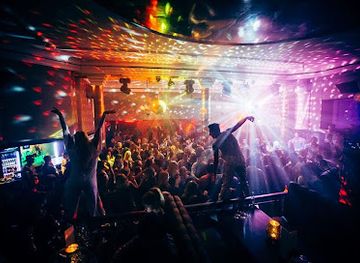
Best nightclubs in Avenyn
After dark, Avenyn becomes one of Gothenburg’s most visible evening districts, with bars, pubs, cocktail venues and clubs concentrated along the boulevard and in nearby streets. The atmosphere is generally busiest around the central and northern sections, while Götaplatsen provides a more cultural evening setting through concerts, theatre and performances rather than club life alone. The area attracts a mixed crowd of restaurant-goers, students, concert audiences and late-night visitors, but its character varies considerably from one venue to the next. Some places focus on music and dancing, others on drinks and conversation, and many are part of larger restaurants. Noise and queues can increase around popular venues, so residential entrances and pavements should be treated considerately. Current age policies, events and opening arrangements vary and should be checked directly before making evening plans.
-
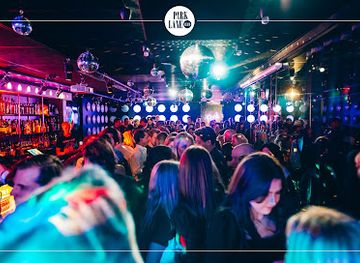
Night club
Park Lane
Discover the vibrant and lively atmosphere of Park Lane, Gothenburg’s top night club and restaurant for an unforgettable nightlife experience.
2 min walk · 0.2 km from neighbourhood centre
-
Karaoke bar
Melody Club
Experience the ultimate karaoke night at Melody Club in Gothenburg, where delicious dining meets unforgettable entertainment.
2 min walk · 0.2 km from neighbourhood centre
-
Night club
Valand
Discover Gothenburg's dynamic nightlife at Valand, a premier night club and restaurant offering unforgettable dining and entertainment experiences.
3 min walk · 0.2 km from neighbourhood centre
-
Night club
Excet
Experience Gothenburg's nightlife at Excet, a dynamic night club with great music, vibrant atmosphere, and a diverse crowd.
3 min walk · 0.3 km from neighbourhood centre
Best shops in Avenyn
Shopping on Avenyn is primarily urban and mixed-use rather than market-based, with fashion, beauty, design, gifts, cafés and everyday services distributed along the boulevard and its adjoining streets. The avenue is convenient for browsing while moving between Kungsportsplatsen and Götaplatsen, although its commercial identity changes as independent businesses, restaurants and larger retail brands come and go. Visitors seeking a broader selection can continue north from Kungsportsplatsen into Gothenburg’s central shopping streets, which are nearby but not part of Avenyn itself. The streets towards Vasastaden contain smaller businesses and specialist services in a more residential setting. Avenyn is therefore best understood as a promenade with retail woven into dining and cultural visits, rather than as a traditional market quarter or a single specialist shopping destination.
-
Shopping mall
City Avenue
Discover the vibrant City Avenue in Gothenburg, a premier shopping destination filled with boutiques, cafes, and cultural experiences.
1 min walk · 0.1 km from neighbourhood centre
-
Gift shop
Flying Tiger Copenhagen
Explore Flying Tiger Copenhagen in Gothenburg for unique gifts, home goods, and a playful shopping experience filled with creativity and joy.
2 min walk · 0.1 km from neighbourhood centre
-
Clothing store
Lindex
Discover fashion-forward clothing at Lindex in Gothenburg, offering stylish options for women and babies in a welcoming environment.
1 min walk · 0.1 km from neighbourhood centre
-
Cosmetics store
KICKS
Discover KICKS in Gothenburg – your ultimate destination for cosmetics, beauty supplies, and exquisite perfumes in Sweden.
2 min walk · 0.1 km from neighbourhood centre


Avenyn essentials
Getting There
Getting Around
Safety
Emergency Situations
Do's and Don'ts
Local Tips

From Eve
Local phrases worth knowing
You don't need to get them perfect. A few words go a long way, and locals appreciate the effort.
Basics
| English | Local | Say it |
|---|---|---|
| Hello | Hej | [hey] |
| Goodbye | Hej då | [hey doh] |
| Yes | Ja | [yah] |
| No | Nej | [nay] |
| Please/You're welcome | Varsågod | [var-soh-good] |
| Thank you | Tack | [tahck] |
| Excuse me/Sorry | Ursäkta mig/Förlåt | [ur-sahk-ta me/fur-lawt] |
| How are you? | Hur mår du? | [hoor mor doo] |
| Fine. And you? | Bra. Och du? | [bra oh sho] |
| Do you speak English? | Talar du engelska? | [tah-lar doo eng-els-ka] |
| I don't understand | Jag förstår inte | [yahg fur-stor eent-eh] |
Eating & Drinking
| English | Local | Say it |
|---|---|---|
| I'd like to see the menu, please | Jag skulle vilja se menyn, tack | [yahg skool-la vil-ya say men-een, tahck] |
| I don't eat meat | Jag äter inte kött | [yahg et-er eent-eh shut] |
| Cheers! | Skål! | [skawl] |
| I would like to pay, please | Jag skulle vilja betala, tack | [yahg skool-la vil-ya be-tah-la, tahck] |
Emergencies
| English | Local | Say it |
|---|---|---|
| Help! | Hjälp! | [yelp] |
| Go away! | Gå iväg! | [gow ee-veg] |
| Call the Police! | Ring polisen! | [ring po-lee-sen] |
| Call a doctor! | Ring en läkare! | [ring en leh-car-eh] |
| I'm lost | Jag är vilse | [yahg air vil-seh] |
| I'm ill | Jag är sjuk | [yahg air shoook] |
Shopping
| English | Local | Say it |
|---|---|---|
| I'd like to buy... | Jag skulle vilja köpa... | [yahg skool-la vil-ya sher-pa] |
| I'm just looking | Jag tittar bara | [yahg tee-tar bar-ah] |
| How much is it? | Hur mycket kostar det? | [hoor my-keh cost-ar deht] |
| That's too expensive | Det är för dyrt | [deht air fur deert] |
| Can you lower the price? | Kan du sänka priset? | [kan doo sank-a pre-set] |
Time & Numbers
| English | Local | Say it |
|---|---|---|
| What time is it? | Vad är klockan? | [vad air klok-an] |
| It's one o'clock | Klockan är ett | [klok-an air eht] |
| Half past (10) | Halv tio | [halv tee-oh] |
| Morning | Morgon | [mor-gon] |
| Afternoon | Eftermiddag | [ef-ter-meed-dag] |
| Evening | Kväll | [kvell] |
| Yesterday | Igår | [ee-gor] |
| Today | Idag | [ee-dag] |
| Tomorrow | Imorgon | [ee-mor-gon] |
| 1 | Ett | [eht] |
| 2 | Två | [tvoh] |
| 3 | Tre | [treh] |
| 4 | Fyra | [fy-rah] |
| 5 | Fem | [fem] |
| 6 | Sex | [sehx] |
| 7 | Sju | [s-yoo] |
| 8 | Åtta | [awt-tah] |
| 9 | Nio | [nee-oh] |
| 10 | Tio | [tee-oh] |
Transport & Directions
| English | Local | Say it |
|---|---|---|
| Where's a/the...? | Var är en/ett...? | [var air en/et] |
| What's the address? | Vad är adressen? | [vad air a-dress-en] |
| Can you show me (on the map)? | Kan du visa mig (på kartan)? | [kan doo vee-sa me (poh kahr-tan)] |
| When's the next (bus)? | När går nästa (buss)? | [nair gor nes-ta (boos)] |
| A ticket (to ....) | En biljett (till ...) | [en beel-yet (teel)] |
History of Avenyn
Expansion Beyond the Fortifications
Kungsportsavenyen emerged during Gothenburg’s nineteenth-century expansion beyond the old fortified city. As the defensive system lost its practical importance, the city developed new residential and institutional areas to the south, and the avenue was planned as a broad, formal connection from the former Kungsport area towards the rising ground around today’s Götaplatsen. Its name refers to the old King’s Gate, or Kungsport, which once marked an entrance through the fortifications. The boulevard therefore embodies a transition in Gothenburg’s urban history: from a compact fortified trading city to a more open European-style city shaped by promenades, public buildings and expanding suburbs.
Avenue Architecture Takes Shape
During the late nineteenth and early twentieth centuries, Avenyn acquired the architecture and urban scale that still define much of its character. Residential and commercial buildings rose along the avenue, their façades reflecting the prosperity of a port city undergoing industrial growth and population expansion. The boulevard’s width, trees and formal alignment distinguished it from the narrower streets of the older centre, while nearby Vasastaden and Lorensberg developed with apartment blocks, villas and public institutions. Avenyn was increasingly used not only for movement but also for strolling, shopping and public social life, establishing the promenade culture that remains central to its identity.
Götaplatsen and the 1923 Exhibition
The southern end of Avenyn became more significant when Götaplatsen was developed as part of Gothenburg’s major 1923 jubilee programme, marking the city’s three-hundredth anniversary. The square was conceived as a cultural focus and helped consolidate the avenue’s role as a ceremonial route rather than merely a commercial street. The Gothenburg Museum of Art, Concert Hall and City Theatre later formed the principal institutions around the square, linking Avenyn to the city’s artistic and civic ambitions. The area’s cultural concentration also strengthened Gothenburg’s profile as a centre for museums, music, theatre and public events.
Poseidon Becomes a City Symbol
Carl Milles’s Poseidon was unveiled at Götaplatsen in 1931 and quickly became one of Gothenburg’s most recognisable public artworks. The monumental fountain sculpture stands at the southern end of Avenyn, facing down the boulevard and creating a powerful visual axis between the cultural square and the city centre. Its maritime subject has often been associated with Gothenburg’s identity as a port, although the statue’s significance is also architectural and civic: it gives the avenue a formal endpoint and provides a gathering place for celebrations, demonstrations and public photography.
A Cultural and Entertainment District
In the later twentieth century and into the present, Avenyn developed a stronger concentration of restaurants, bars, cafés, shops and entertainment venues alongside its established cultural institutions. This commercial role brought a different rhythm to the boulevard, particularly in the evenings, while nearby streets retained their residential and institutional character. The result is a district with several overlapping identities: historic promenade, visitor-oriented dining street, cultural route and everyday urban thoroughfare. Changes in retail and hospitality have continually altered the avenue’s commercial mix, but the connection between Kungsportsplatsen and Götaplatsen remains the defining structure of Avenyn.
Avenyn in Photos
Browse through our photo collection highlighting the charm and character of the destination.
Neighbourhoods near Avenyn
The closest neighbourhoods to Avenyn, if you have time for more than one stop.
-

-

-

-

-


Swipe for more neighbourhoods
Explore more

Explore more of Gothenburg
Gothenburg blends maritime history, archipelago scenery, modern Nordic culture, lively food scenes, museums, parks and waterfront landmarks in Sweden.
Explore Gothenburg