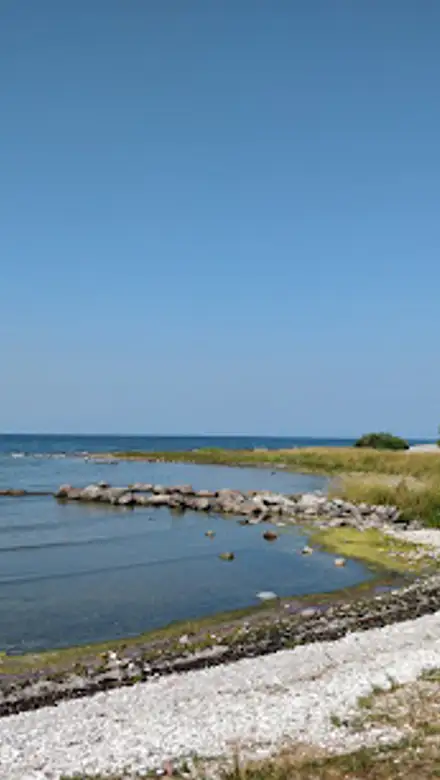
Lummelunds bruk Travel Guide
Free Guide: A compact riverside industrial park where limestone cliffs, waterwheels and mill ruins sketch centuries of milling and ironworking beside the Lummelunda spring.


A brief summary of Lummelunds bruk
A compact riverside industrial park where limestone cliffs, waterwheels and mill ruins sketch centuries of milling and ironworking beside the Lummelunda spring.
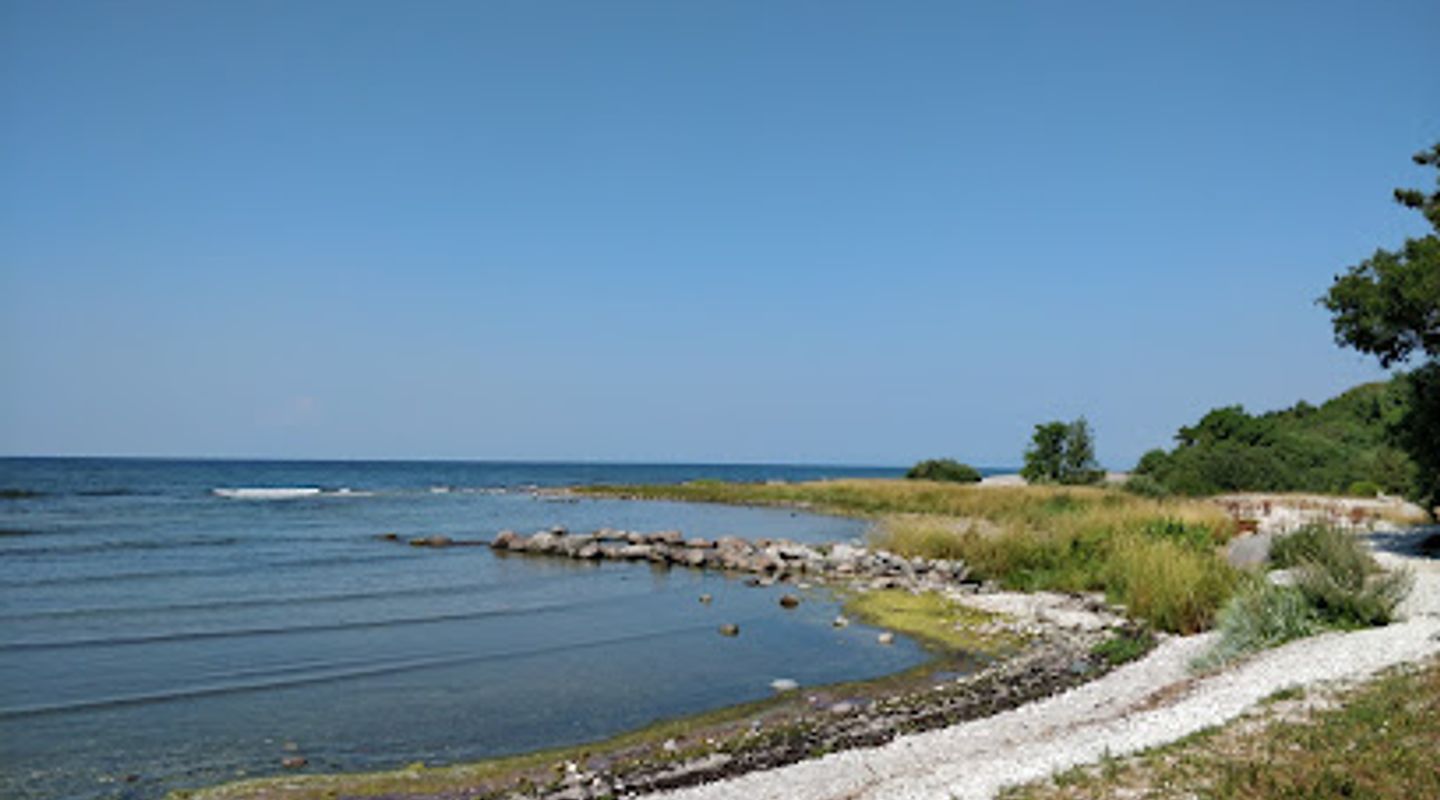
Lummelunds bruk is a historic industrial park and scenic riverside site north of Visby on Gotland, centred on the spring where the underground Lummelunda stream emerges. The site preserves an old mill building, traces of a 17th‑century ironworks and a picturesque brukpark with waterwheels, lime cliffs and paths that lead past the cave mouth and out toward the sea. It blends industrial archaeology, shaded greenery and limestone coastal scenery for a peaceful short visit.
On-site amenities
 Seating areas
 Information boards
 Food options
 Restrooms
Opening hours
- Every dayOpen 24 hours
Opening hours as listed on the venue’s Google Business Profile. Hours can change for services and special events, so check with the venue before you go.
- Address
- LUMMELUNDA LUMMELUNDSBRUK 528, 621 71 Visby
Getting there
Car (regional)
Local bus
Guided tour shuttle
Discover more about Lummelunds bruk
Origins carved by water and limestone
Lummelunds bruk grew up around a dramatic geological junction where an underground stream breaks out of the limestone, giving a steady and reliable supply of water power that shaped the place for centuries. That continuous flow fed a chain of waterwheels and millworks along a short stretch of stream, harnessed first for medieval milling and later adapted to saws, fulling and, in the 17th century, an ironworks that left behind slag-heaps and foundations. The meeting of fresh spring water and pale limestone cliffs gives the site a clear, mineral character you feel in the light and the cool, damp air.
Industrial fragments and surviving buildings
The surviving built fabric is a patchwork of eras: the most tangible reminder of earlier operations is Överstekvarn, a preserved mill building set beside the stream, while low walls and the rough contours of a slag heap mark where furnaces and hammers once stood. Stone channels, foundations and the footprint of former works invite you to imagine the hum of waterwheels and the rhythm of pounding hammers. In late spring the brukpark softens these ruins with grass, wild garlic and spring flowers that cloak industrial stone in a gentler tone.
Relationship to the Lummelunda cave and landscape
Lummelunds bruk sits immediately beside the mouth of the Lummelunda cave system; the same limestone that shaped the cave also frames the river here. The sense of subterranean presence—an underground stream that resurfaces—gives the location a slightly mysterious air. Walks from the bruk trace the stream toward the sea and offer compact views of rocky outcrops, small cascades and reed-edged pools where the brightness of the limestone contrasts with the darker water.
Visitor experience and sensory details
A visit is intimate: the sounds of trickling water and occasional bird song replace traffic; surfaces are a mix of old dressed stone, moss and gravel paths. You can feel temperature differences within a few steps—the shaded corners of the brukpark remain cool while exposed limestone heats quickly in sun. The air carries faint minerally notes from the cliffs and an earthy scent from damp leaf litter; tactile details—worn stone steps, ironwork fittings and weathered timber—anchor the site in human labour and craft.
Stories beneath the surface
Layers of activity accumulate in the place: medieval mill use, early modern ironworking that imported ore and shipped goods by sea, later sawmilling and even a 19th-century paperworks phase. These shifts left a palimpsest of function rather than a single monument, so the site reads as a landscape of adaptation. The slender remains of buildings, sluices and wheel pits are evidence of technological change and local resource use, while the parkland setting reflects a later, more recreational attitude to the former industrial zone.
How to make the most of a short visit
Allow time to pause at the mill building and step close to the stream where small ledges and cascades form miniature, photogenic scenes. Read information boards (where present) to place individual ruins in the timeline of local industries. Early morning or late afternoon light brings out the honeyed tones in the limestone and creates pleasing contrasts between shaded, mossy corners and sunlit rock faces. The setting is compact and contemplative, well suited to a 30–90 minute visit that combines heritage interest with quiet riverside walking.
Evendo Review Centre
 Google
Guest reviews
Best time to go
Quietest: Jan, Feb & Dec · before 7am or from 9pm
Busy times are Evendo estimates for a typical year, to help you plan. Actual crowds vary with events, school holidays and the weather.
Explore Lummelunds bruk on the map
A handpicked selection of must-see spots near Lummelunds bruk, mapped for you.
Get your free copy of our complete guide to Lummelunds bruk, delivered straight to you.
Everything on this page, from opening hours and how to get there to Eve’s tips and the best time to go, in one PDF you can read offline, print or share.
Already have an account? Sign in
Your Lummelunds bruk guide is ready.
We'll send it to · Not you? Sign out

Getting your guide ready…
We are putting together a fresh copy of the Lummelunds bruk guide. This can take up to a minute.
This can take a few moments. If your browser asks, choose Allow so the download can start. You'll find the guide in your Downloads folder.
Nothing happened? Download it again
Sorry, the guide is taking longer than usual. Please try again in a minute, or get it by email instead.
Other nearby places you may find interesting
The closest places of the same kind, if this one is not quite what you had in mind.
-
-
-
-
-


Swipe for more places
More to explore near Lummelunds bruk

 Best experiences near Lummelunds bruk

 Best hotels near Lummelunds bruk

 Best landmarks near Lummelunds bruk

 Best attractions near Lummelunds bruk

 Best shops near Lummelunds bruk

 Best restaurants near Lummelunds bruk

 Best bars near Lummelunds bruk
Do you manage this location?
Take control to get all the benefits, like improved information, better appearance, and stronger visibility across AI-powered discovery.
Explore more

Explore more of Gotland
Explore Gotland, Sweden's largest island, known for its medieval charm, stunning natural landscapes, and vibrant cultural scene in the heart of the Baltic Sea.
Explore Gotland
Explore more of Sweden
Discover Sweden's breathtaking landscapes, vibrant cities, and rich cultural heritage. From the Northern Lights to historic castles, experience the essence of Scandinavia.
Explore Sweden