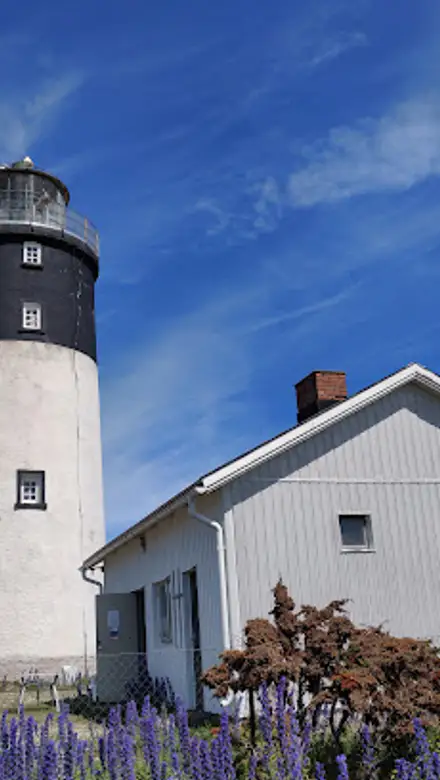
Hoburgs lighthouse Travel Guide
Free Guide: Gotland's southern guardian: a 1846 limestone lighthouse amid rauk cliffs, guiding Baltic mariners with timeless coastal drama and epic sea views.


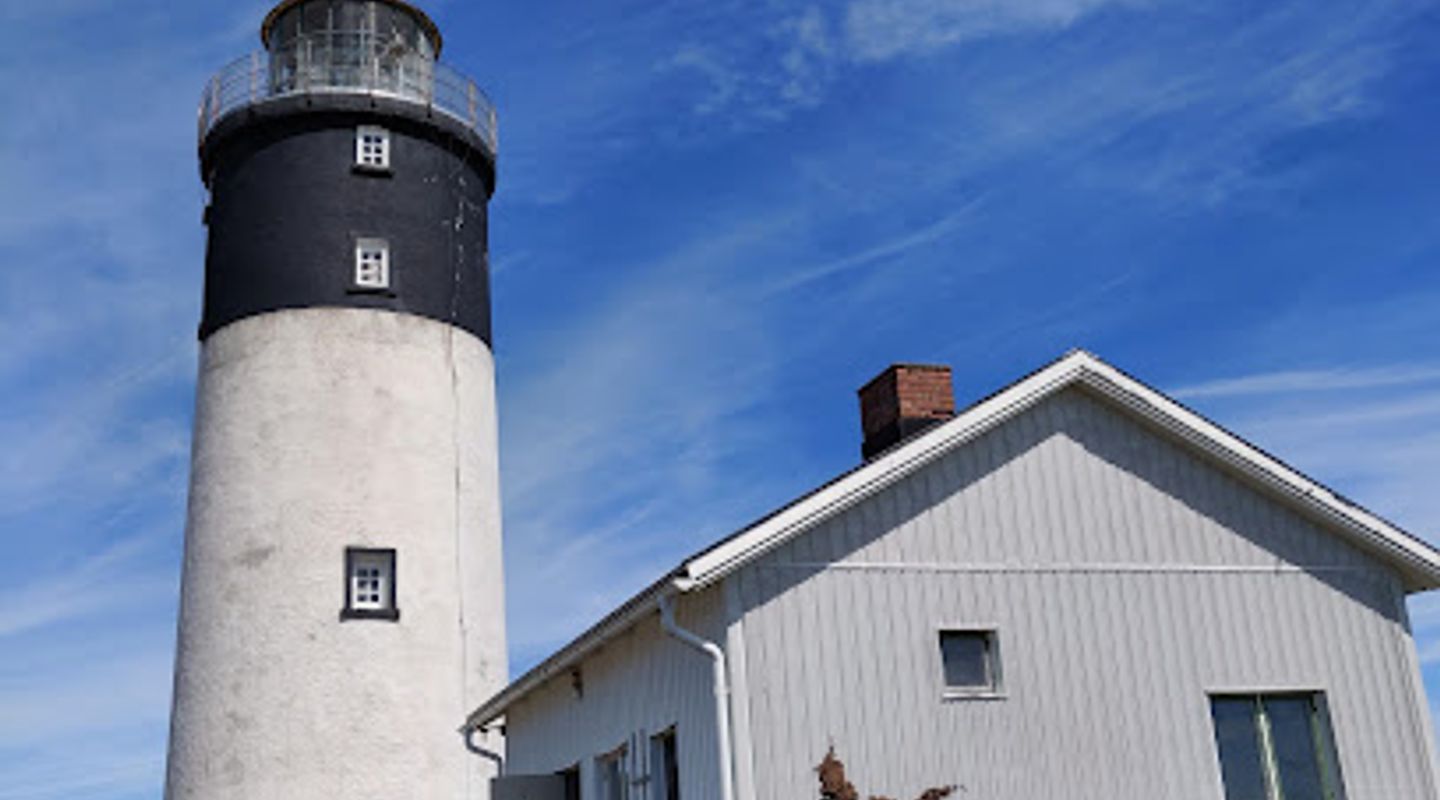
A brief summary of Hoburgs lighthouse
Gotland's southern guardian: a 1846 limestone lighthouse amid rauk cliffs, guiding Baltic mariners with timeless coastal drama and epic sea views.
Perched on Gotland's southernmost tip in Burgsvik, Hoburgs Lighthouse stands as a majestic 19th-century beacon crafted from local limestone. Built in 1846 at the urging of British interests to safeguard Baltic Sea navigation, this 21-meter tower with its first-order Fresnel lens has guided mariners for over 175 years. Surrounded by dramatic rauk sea stacks, rugged cliffs, and sweeping coastal vistas, it offers an evocative blend of maritime history and natural splendor. Open daily from 11am to 5pm, visitors can explore the site amid the wild beauty of Storsudret peninsula, where salty winds whisper tales of shipwrecks and steadfast keepers.
On-site amenities
 Restrooms
 Seating areas
 Trash bins
 Information boards
Opening hours
- Mon11 am–5 pm
- Tue11 am–5:01 pm
- Wed11 am–5 pm
- Thu11 am–5 pm
- Fri11 am–5 pm
- Sat11 am–5 pm
- Sun11 am–5 pm
Opening hours as listed on the venue’s Google Business Profile. Hours can change for services and special events, so check with the venue before you go.
- Address
- SUNDRE HOBURGS FYR 170A, 623 30 Burgsvik
- Website
Getting there
Car
Bus
Bicycle
Taxi
Discover more about Hoburgs lighthouse
Maritime Sentinel of Gotland's Southern Edge
At the rugged extremity of Storsudret peninsula, Hoburgs Lighthouse rises defiantly against the Baltic Sea's relentless waves. Constructed from creamy Gotland limestone in 1846, this circular 21-meter tower perches 36 meters above the waterline, its white facade gleaming under the Nordic sun. The lantern room, housing a first-order Fresnel lens installed in 1915, once revolved with oil lamps tended by dedicated keepers until automation in 1978. This strategic position has long protected vessels navigating toward shallow Flisars harbor, just 1.5 meters deep, embodying Sweden's maritime heritage amid dramatic coastal geology.
Origins Forged in Stone and Sea Mist
The lighthouse's story begins in the 1840s, when Sweden's Sjöärendena authority proposed beacons for Gotland's treacherous southern cape. British diplomatic pressure in 1845 sealed its fate, prompting royal approval and funding. Local pilot Osterman selected the precise spot, and merchant Christian Tegner oversaw construction of the tower, keeper's house, and outbuildings for 44,620 kronor. Lit on October 1, 1846, under architect J.T. Byström's design, it featured a rotating mirror apparatus with oil lamps, a technological marvel that pierced the fog-shrouded nights.
Life Among the Cliffs and Rauks
Hoburgs fyr occupies a landscape sculpted by millennia of erosion: jagged rauks like the iconic Hoburgsgubben tower nearby, grassy meadows sweeping to sheer 30-meter drop-offs, and pebble beaches lashed by surf. Early keepers—Virsén, Hultgren, Elgstrand—endured isolation, manning the light through gales that rattled the lantern. The site evolved with 1915 modernizations, transitioning from manned vigilance to solar-powered automation, yet retains an aura of timeless watchfulness over Mellersta Östersjön.
Architectural Harmony with Nature
The tower's simple cylindrical form, topped by a galvanized lantern, integrates seamlessly with Sundre socken's medieval heritage. Its limestone echoes Gotland's ancient quarries, weathered to a patina that blends with surrounding cliffs. Interior stairs spiral to panoramic views encompassing the vast Baltic horizon, distant Hoburgen stacks, and inland farmlands. This understated elegance contrasts the wild environment, inviting contemplation of human ingenuity against nature's raw power.
Echoes of Navigation and Nature's Fury
Hoburgs has witnessed countless dramas: shipwrecks evaded, storms endured, and the daily rhythm of coastal life. Its beam once swept 19 nautical miles, focal plane at 190 feet by modern measure, a vital aid before GPS. Today, it stands as a preserved relic managed by the Swedish National Maritime Administration, symbolizing endurance. The encircling terrain—protected rauks, bird cliffs, wildflowers in summer—frames a site where sea air carries salt and stories from horizons unseen.
Evendo Review Centre
 Google
Guest reviews
Best time to go
Quietest: Jan, Feb & Dec · before 8am or from 9pm
Busy times are Evendo estimates for a typical year, to help you plan. Actual crowds vary with events, school holidays and the weather.
Explore Hoburgs lighthouse on the map
A handpicked selection of must-see spots near Hoburgs lighthouse, mapped for you.
Get your free copy of our complete guide to Hoburgs lighthouse, delivered straight to you.
Everything on this page, from opening hours and how to get there to Eve’s tips and the best time to go, in one PDF you can read offline, print or share.
Already have an account? Sign in
Your Hoburgs lighthouse guide is ready.
We'll send it to · Not you? Sign out

Getting your guide ready…
We are putting together a fresh copy of the Hoburgs lighthouse guide. This can take up to a minute.
This can take a few moments. If your browser asks, choose Allow so the download can start. You'll find the guide in your Downloads folder.
Nothing happened? Download it again
Sorry, the guide is taking longer than usual. Please try again in a minute, or get it by email instead.
Other nearby places you may find interesting
The closest places of the same kind, if this one is not quite what you had in mind.
-
-
-
-
-


Swipe for more places
More to explore near Hoburgs lighthouse

 Best experiences near Hoburgs lighthouse
 Best hotels near Hoburgs lighthouse
 Best landmarks near Hoburgs lighthouse
 Best attractions near Hoburgs lighthouse
 Best shops near Hoburgs lighthouse
 Best restaurants near Hoburgs lighthouse
 Best bars near Hoburgs lighthouse
Do you manage this location?
Take control to get all the benefits, like improved information, better appearance, and stronger visibility across AI-powered discovery.
Explore more

Explore more of Gotland
Explore Gotland, Sweden's largest island, known for its medieval charm, stunning natural landscapes, and vibrant cultural scene in the heart of the Baltic Sea.
Explore Gotland
Explore more of Sweden
Discover Sweden's breathtaking landscapes, vibrant cities, and rich cultural heritage. From the Northern Lights to historic castles, experience the essence of Scandinavia.
Explore Sweden