Carlstens Fästning, Halland Travel Guide
A 17th‑century stone citadel on Marstrand’s summit — ramparts, donjon and panoramic sea views that chart centuries of coastal defence and prison life.
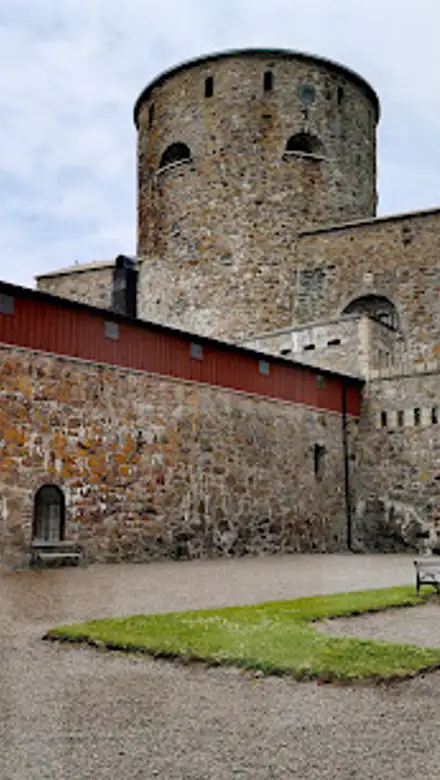
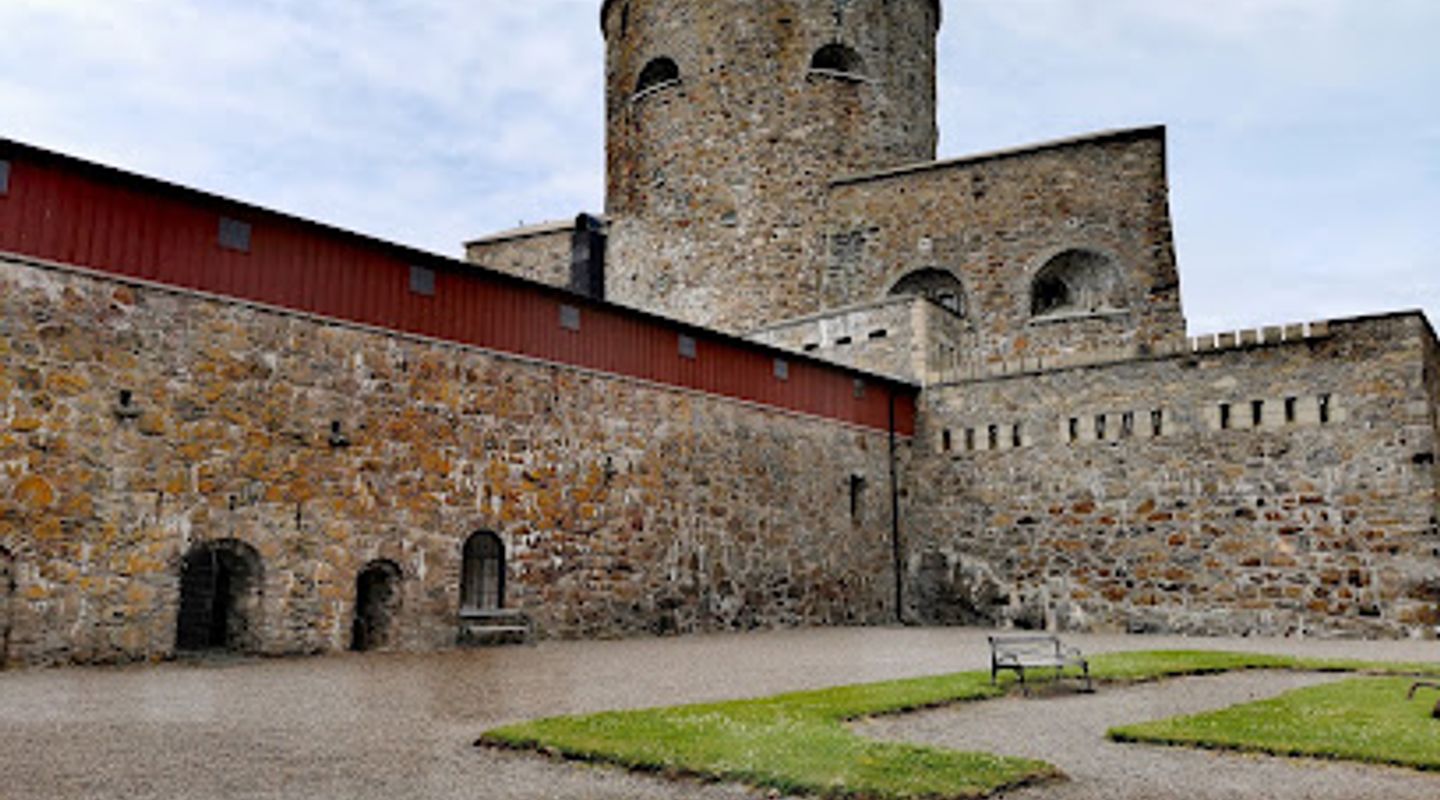
Perched on the highest point of Marstrandsön, Carlstens Fästning is a 17th‑century stone fortress that has watched over the ice‑free harbour for over 300 years. Built after the Treaty of Roskilde to secure Bohuslän, the fortress evolved through sieges, prison years and military upgrades; today its ramparts, vaulted rooms and commanding sea views form a compact museum, event venue and atmospheric place to explore history up close.
A brief summary to Carlstens Fästning
- Carlstens fästning, Marstrand, 442 67, SE
- Click to display
- Click to display
- Duration: 0.5 to 2 hours
- Mid ranged
-
 Outdoor
- Mobile reception: 4 out of 5

Know before you go
Hi, I'm Eve. Here are a few practical things to know before exploring Carlstens Fästning.
- Wear sturdy shoes—the fortress involves cobbled paths, stone steps and uneven surfaces across ramparts and courtyards.
- Guided tours focus on history and interiors; check seasonal schedules and language of tours before planning a visit.
- Bring a windproof layer—the exposed summit can be markedly cooler and windier than the town below, even in summer.
Do you manage this location?
Take control to get all the benefits, like improved information, better appearance, and stronger visibility across AI-powered discovery. Learn more about listing your business on Evendo
Activate your presenceOther nearby places you may find interesting
The closest places of the same kind, if this one is not quite what you had in mind.
Explore Carlstens Fästning on the Map
A handpicked selection of must-see spots near Carlstens Fästning, mapped for you.
Unlock the Best of Carlstens Fästning
Buy tickets
-
No tickets available
Book tours with entry
-
No tours available
Book tours without entry

Getting There
-
Ferry + Walk
Passenger ferry from Koön to Marstrandsön; crossing takes about 2 minutes with frequent daytime departures (every ~15 minutes). Expect a short steep pedestrian climb from the ferry quay to the fortress; terrain includes cobbles and stone steps and is not fully step‑free. Ferry tickets have a small fare (SEK range applies seasonally) and bus tickets to Koön are accepted on the ferry—service frequency reduces at night.
-
Car + Park + Ferry
Drive to the Koön parking area (several paid lots near the ferry terminal); walking time from parking to the passenger ferry is typically 5–15 minutes depending on which lot you choose. Parking fees vary by lot and season; during low season some parking is free. Car traffic is prohibited on Marstrandsön itself, so a passenger ferry crossing is required and operates with short transfer times.
-
Regional Bus + Ferry
Regional bus services connect from nearby towns (including Gothenburg region) to the Koön ferry terminal; journey times vary with origin (typical trip from central Gothenburg approx. 45–70 minutes). Bus schedules are seasonal and depart at set timetables—check current timetables before travel. Bus tickets that reach Koön are valid for the short passenger ferry crossing to Marstrand when travelling by public bus.
For the on-the-go comforts that matter to you
-
 Seating Areas
-
 Food Options
-
 Information Boards
-
 Restrooms
Discover more about Carlstens Fästning
Where stone meets sea: the site's setting
Carlstens Fästning crowns the summit of Marstrandsön, a rocky island on Sweden’s west coast whose deep, seldom‑icing harbour made it strategically vital after 1658. From the fortress’s outer walls you can picture the harbour approaches that determined its placement: narrow passages, low islands and open sea beyond. The complex reads as layers of construction – tall masonry ramparts and a multi‑storey donjon rise above a wide parade yard, while lower batteries and outworks step down toward the shoreline.A fortress born of geopolitics and hard labour
The original fortifications were ordered in the mid‑17th century to secure the newly acquired province of Bohuslän and the navy bases that used Marstrand’s ice‑free harbour. Work continued in phases for two centuries: timber redoubts and an early square tower gave way to a larger circular keep and progressively thicker walls, batteries and vaulted magazines. Much of the heavy lifting was done by forced labour and convicts whose marks live on in the physical fabric: masonry seams, cramped service cells and the prison fittings that testify to an austere custodial past.Sieges, prison life and changing purpose
Carlsten’s military history is concentrated and dramatic. It withstood the ebb and flow of regional wars, was captured during notable 17th– and 18th‑century assaults, and later served both as a frontline defence and a prison. Inside the perimeter are reminders of that custodial era: narrow corridors, an execution slope, and service rooms where chains and shackles once constrained prisoners. As military doctrine and maritime technology changed, the fortress’s defensive role diminished; its stonework, however, remained and was repurposed for garrison life and later for public use.The visitor experience and notable features
The compound is compact but layered: start at the gate and move into the central courtyard ringed by barrack blocks and storerooms, then climb to the donjon for a view that frames the town, marina and open sea. Key features include vaulted magazines, the commander’s house, parade ground, and surviving cannon positions that angle out toward the horizon. The site is used for guided historical tours, themed events and overnight stays in former military accommodation, giving the fortress a living character beyond static displays.Sound, sight and seasonal character
Wind, gull calls and the slap of tides are part of the fortress’s sensory identity. On clear days light skims the granite and brick, emphasising the texture of centuries of repairs; in high summer, the enclosure hums with voices and events, while off‑season visits present a quieter, more solitary aspect. Weather and daylight alter perception here: low sun brings long shadows across the ramparts, while winter skies sharpen sightlines across the archipelago.Continuing life: care, adaptation and cultural use
Today the fortress is maintained as a historic site and venue: preservation work, curated tours and occasional performances all sit alongside practical adaptations such as a small hotel inside former garrison buildings and event spaces. These uses keep the fabric in regular use and invite visitors to experience different layers of the place — military engineering, social history and the unexpectedly domestic traces of long garrison life.












Your all‑in‑one travel companion app
Explore expert travel guides, compare and book tours, experiences, hotels, and more—all from the palm of your hand. Download now for seamless trip planning wherever your wanderlust takes you.


Explore More of Halland
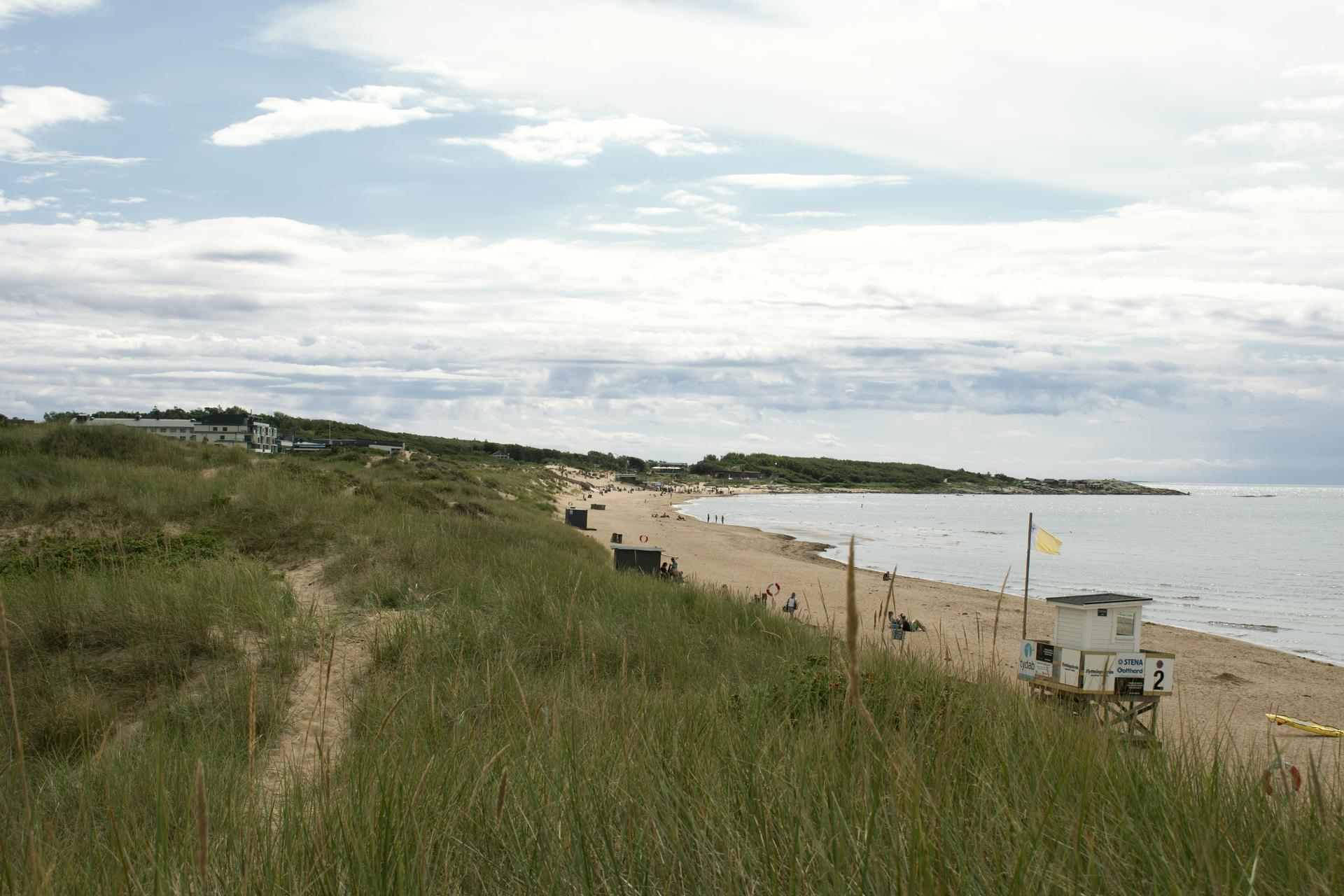
Looking beyond Carlstens Fästning? Discover Halland for broader travel guides, local hot-spots, and regional highlights.
Explore Halland
Forest hub by Ålevatten lake: shelters, trails, and timeless wilderness in Svartedalen's ancient barrskog—perfect for hikes, swims, and Bohusleden passage.

Squeeze through towering cliffs into Dynes Ravin, Dyrön's thrilling ravine hideaway with mouflon sheep, ancient ruins, and sweeping Åstol views along a rugged coastal trail.