Hallandsgården, Halland Travel Guide
A leafy, small‑scale open‑air museum on Galgberget where rescued Halland farmhouses, workshops and garden plots reveal centuries of rural craft and domestic life.
A tranquil open‑air museum tucked into Galgberget woodland in central Halmstad, Hallandsgården gathers historic farmhouses, workshops and vernacular buildings rescued from across Halland; many date from the 17th–19th centuries and sit amid lawns, planted herb gardens and a small café, creating a hands‑on glimpse of rural life and traditional crafts against a wooded skyline.
A brief summary to Hallandsgården
- Sofiavägen, Halmstad, 302 33, SE
- Click to display
- Duration: 0.5 to 2 hours
- Free
-
 Outdoor
- Mobile reception: 4 out of 5

Know before you go
Hi, I'm Eve. Here are a few practical things to know before exploring Hallandsgården.
- Visit in summer for open interiors and guided activities; in quieter months the grounds are pleasant for a short, reflective stroll.
- Bring comfortable shoes for grass and compacted paths and a light jacket — the site is shaded and can be cool under trees.
- Combine the visit with time on Galgberget’s walking trails and viewpoints to appreciate the surrounding skyline.
Do you manage this location?
Take control to get all the benefits, like improved information, better appearance, and stronger visibility across AI-powered discovery. Learn more about listing your business on Evendo
Activate your presenceOther nearby places you may find interesting
The closest places of the same kind, if this one is not quite what you had in mind.
Explore Hallandsgården on the Map
A handpicked selection of must-see spots near Hallandsgården, mapped for you.
Getting There
-
By regional bus
Public bus service within Halmstad connects central stops to the Galgberget area; expect a travel time of approximately 10–20 minutes from the city centre depending on service and schedule, with moderate frequency during daytime hours and reduced service evenings and Sundays; single fares typically cost in the range of 25–40 SEK per person.
-
By car or taxi
Driving or taxi from Halmstad centre takes about 5–15 minutes depending on traffic; short‑stay roadside parking is commonly available near the museum but spaces can be limited during events; taxi fares from the city centre are typically 80–200 SEK depending on time and traffic.
-
On foot from nearby neighbourhoods
A walk from central Halmstad across Galgberget is approximately 20–35 minutes on mixed urban paths and woodland trails; terrain is mostly gentle slopes and compacted surfaces but some sections are grassy and may be slippery in wet weather — allow extra time and wear suitable footwear.
For the on-the-go comforts that matter to you
-
 Seating Areas
-
 Picnic Areas
-
 Information Boards
-
 Drink Options
Discover more about Hallandsgården
What you’re looking at: rescued buildings and living fragments
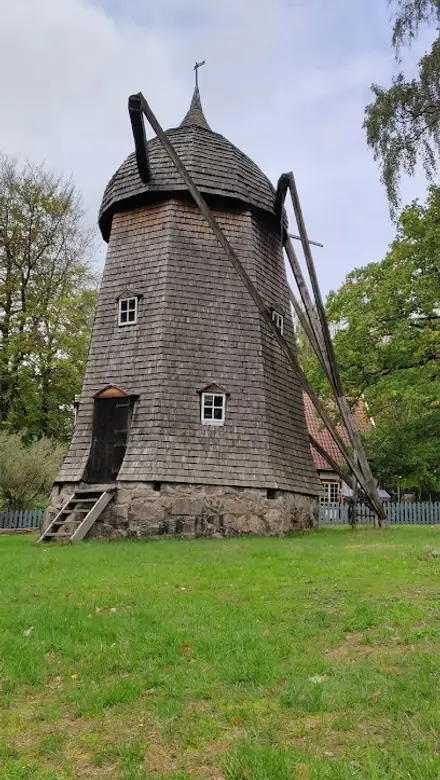
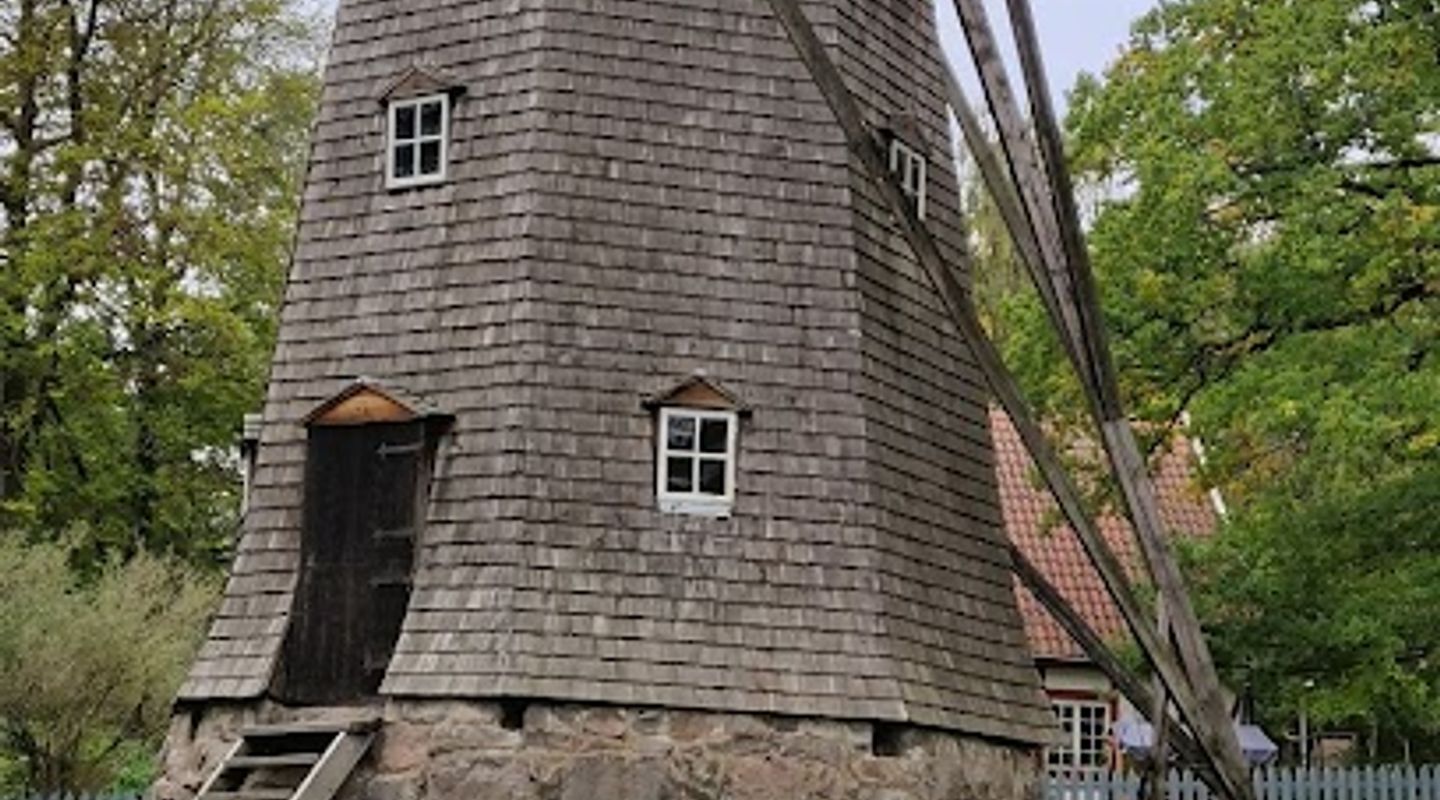
Hallandsgården is an assembled village of historic rural buildings relocated to Galgberget to preserve Halland’s domestic architecture and everyday craft structures. The collection includes timber farmhouses, a windmill, flax‑drying huts, a small village school and outbuildings — some original, some re‑erected from salvaged timbers — each chosen to represent building methods, materials and forms once common across the province. Many structures were brought to the site between the 1920s and 1940s, creating a compact cross‑section of regional vernacular architecture.Landscape and atmosphere on Galgberget
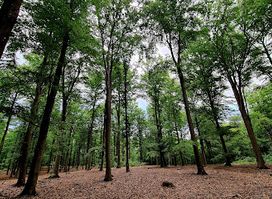
Set within a quiet stand of trees on a low hill behind the Halmstad hospital area, the museum reads as a green oasis: mown lawns, shaded paths and small cultivated plots of useful plants (herbs, hops and roses) that would historically surround farmsteads. The wooded slopes and open clearings form natural ‘rooms’ for each building, and on still days the air is punctuated with birdsong and the mellow scent of aged wood. Benches and informal picnic spots encourage lingering; the site’s human scale and low walls make it especially calm and easy to explore at a relaxed pace.Stories held in timber and stone
Each building is a narrative: the open‑ceiling cabin used for household distilling, the Krafsagården main house with its earlier stylistic gestures, the little schoolroom erected after 1843 legislation, and the flax‑drying huts that recall pre‑industrial textile work. Together they illustrate domestic routines, seasonal labour and community organisation in historical Halland. Signs and occasional summer programmes add context about techniques and uses, but the strongest impression comes from standing beside beams, thresholds and low doorways that still bear tool marks and patched repairs.Seasonal rhythms and visitor experience
The grounds are accessible year‑round; individual buildings are typically open to enter in the warmer months when guided demonstrations and activities are scheduled. Summer brings more light, guided talks and events that animate the site with craft displays and children’s activities, while shoulder seasons emphasize the museum’s solitary, contemplative qualities. A small café onsite serves as a friendly focal point for refreshments during open periods, and shaded lawns make for straightforward picnicking when the weather allows.Practical character: scale, interpretation and accessibility
Hallandsgården is compact rather than sprawling: it’s designed for short to medium visits where walking between grouped exhibits is easy on flat to gently sloping terrain. Paths are a mix of grass and compacted soil; some thresholds into older buildings are low and narrow. Interpretation focuses on material culture and building typologies rather than a chronological museum narrative — a useful complement to more conventional indoor museums for those interested in architectural detail and rural life.Local significance and continuity
The museum grew from early 20th‑century efforts to conserve regional heritage and remains run in connection with the Halland Art Museum. It preserves building types that would otherwise be lost to demolition, and the presence of cultivated, practical plantings and occasional workshops keeps alive aspects of domestic economy and craft. For visitors interested in how landscape, materials and craft combine to shape everyday historical life in Halland, Hallandsgården offers a compact, coherent and tactile encounter.












Your all‑in‑one travel companion app
Explore expert travel guides, compare and book tours, experiences, hotels, and more—all from the palm of your hand. Download now for seamless trip planning wherever your wanderlust takes you.


Explore More of Halland
Looking beyond Hallandsgården? Discover Halland for broader travel guides, local hot-spots, and regional highlights.
Explore Halland