Kullaberg, Halland Travel Guide
A compact, cliffed peninsula of wind, sea and rare life—Kullaberg offers dramatic viewpoints, tidepools and varied habitats in south‑west Sweden.
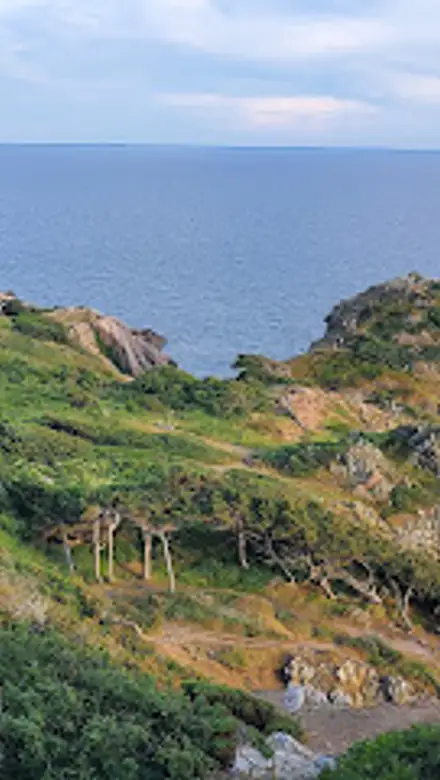
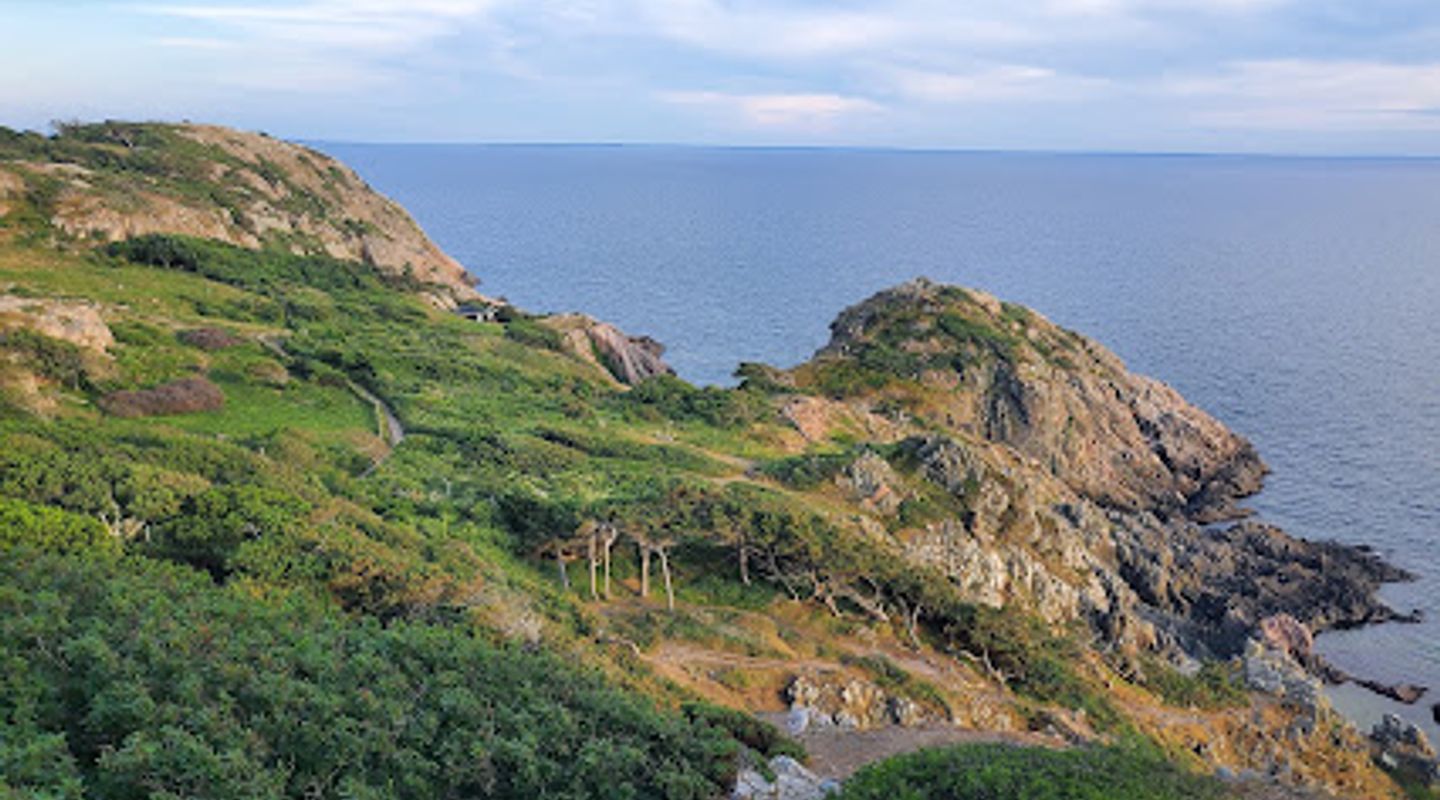
A windswept granite peninsula jutting into the Kattegat, Kullaberg is a dramatic nature reserve of sheer cliffs, sea-sculpted caves and coastal heath threaded with hiking trails and tidepools. Home to rare plants, seabirds and moorland, it centres on the Kullen lighthouse and the naturum visitor centre and offers panoramic sea views, diverse microhabitats and opportunities for wildlife watching, climbing and coastal exploration.
A brief summary to Kullaberg
- Mölle, 263 77, SE
- Click to display
- Click to display
- Duration: 0.5 to 6 hours
- Free
-
 Outdoor
- Mobile reception: 4 out of 5

Know before you go
Hi, I'm Eve. Here are a few practical things to know before exploring Kullaberg.
- Begin early or late to avoid the busiest daylight hours around the lighthouse and to catch the most dramatic light on the cliffs.
- Wear sturdy shoes and layers—trails are uneven and weather on the headland can turn brisk quickly.
- Respect seasonal closures and nesting areas; check notices at the naturum visitor centre for current restrictions.
Do you manage this location?
Take control to get all the benefits, like improved information, better appearance, and stronger visibility across AI-powered discovery. Learn more about listing your business on Evendo
Activate your presenceOther nearby places you may find interesting
The closest places of the same kind, if this one is not quite what you had in mind.
Explore Kullaberg on the Map
A handpicked selection of must-see spots near Kullaberg, mapped for you.
Getting There
-
By regional bus to Mölle + short uphill walk
Take regional bus services to the town of Mölle; travel time from the nearest regional centre is typically 20–40 minutes depending on connection (service frequency varies seasonally). From Mölle the approach to the naturum area is an uphill path of approximately 1–3 km over uneven terrain taking 20–50 minutes on foot; the final section is steep and may be difficult with large luggage. Bus fares are the local regional fare system, typically 30–80 SEK one way depending on origin and ticket type.
-
Car to designated public car parks
Drive to the marked public car parks near the lighthouse; typical driving times from larger nearby towns are 20–60 minutes. Parking is subject to seasonal restrictions and can be closed overnight in summer months; expect variable availability at peak times. Local short‑stay parking fees or permit rules may apply during the high season, typically modest and regionally administered.
-
Guided boat or wildlife tour from Mölle harbour
Join a local boat or porpoise‑watching excursion from Mölle harbour to view the headland from sea; excursions run seasonally and last typically 1.5–3 hours with departures concentrated in spring–autumn. Tours are ticketed with prices commonly in the region of 200–600 SEK per person depending on operator and length; bookings are recommended in high season and services may be weather‑dependent.
For the on-the-go comforts that matter to you
-
 Restrooms
-
 Information Boards
-
 Visitor Center
-
 Seating Areas
-
 Trash Bins
Discover more about Kullaberg
An abrupt ridge where land meets sea
Kullaberg thrusts out from north‑west Skåne as a compact, rocky spine carved by ice and waves; granite escarpments plunge into the Kattegat and reveal layered cliffs, caves and narrow coves that change mood with the wind. The peninsula’s geological drama—sheer faces, small sea stacks and tide‑cut platforms—creates an intense sense of edge: walking a path here feels like following the border between solid earth and the open ocean.Habitats stacked in miniature
Within a relatively small area you pass heath and short grassland, exposed cliff communities, mixed beech and oak pockets, freshwater marshes and tidal shorelines. These different exposures and microclimates support unusually varied flora for southern Sweden, including specialised cliff plants and species that find refuge in damp hollows and marsh peat. The mosaic of habitats makes Kullaberg especially interesting to anyone interested in botany or natural history.Birds, marine life and the rhythm of the sea
Kullaberg is important for seabirds and coastal wildlife; cliff ledges, offshore rocks and tidal zones give shelter and feeding grounds to a wide range of species. From vantage points around the lighthouse and headlands you can scan the water for porpoises and observe seabirds wheeling on the wind. Down at the waterline, tidal pools and rocky shelves reveal sea urchins, mussels and small fish—an intimate marine world exposed at low tide.Human traces: lighthouse, caves and ancient remains
At the peninsula’s tip stands the historic Kullen lighthouse and the naturum visitor centre, anchors of human presence that also provide sweeping views across Öresund and the Kattegat. Elsewhere on the reserve are archaeological traces and a network of old paths that hint at long habitation and seasonal use. The interplay of built and natural landmarks gives the place a layered character: practical maritime structures alongside quieter pockets of wildness.Walking, climbing and quiet discovery
A variety of paths—from short coastal outlooks to longer loops that thread the ridge—let you experience Kullaberg at different paces. Expect uneven trails, stair‑cut rock sections and sudden viewpoint clearings rather than manicured promenades. Climbers and scramblers are drawn to specific crags, while photographers favour the shifting light on cliff faces and the long seascapes at dawn and dusk. The reserve rewards a slower rhythm: pausing at a headland to listen as gulls cry and waves thump the rocks is as much part of the visit as any mapped attraction.Care, safety and seasonal character
Kullaberg’s exposed position means weather and sea conditions shape the experience—strong winds and sudden fog can alter visibility and trail safety. The reserve operates rules to protect nesting birds and fragile habitats; some areas and islands have seasonal access restrictions. Visit with respect for fragile vegetation and nesting wildlife, use marked paths, and note that services cluster near the visitor centre and lighthouse while more remote sections remain wild and less serviced.












Your all‑in‑one travel companion app
Explore expert travel guides, compare and book tours, experiences, hotels, and more—all from the palm of your hand. Download now for seamless trip planning wherever your wanderlust takes you.


Explore More of Halland
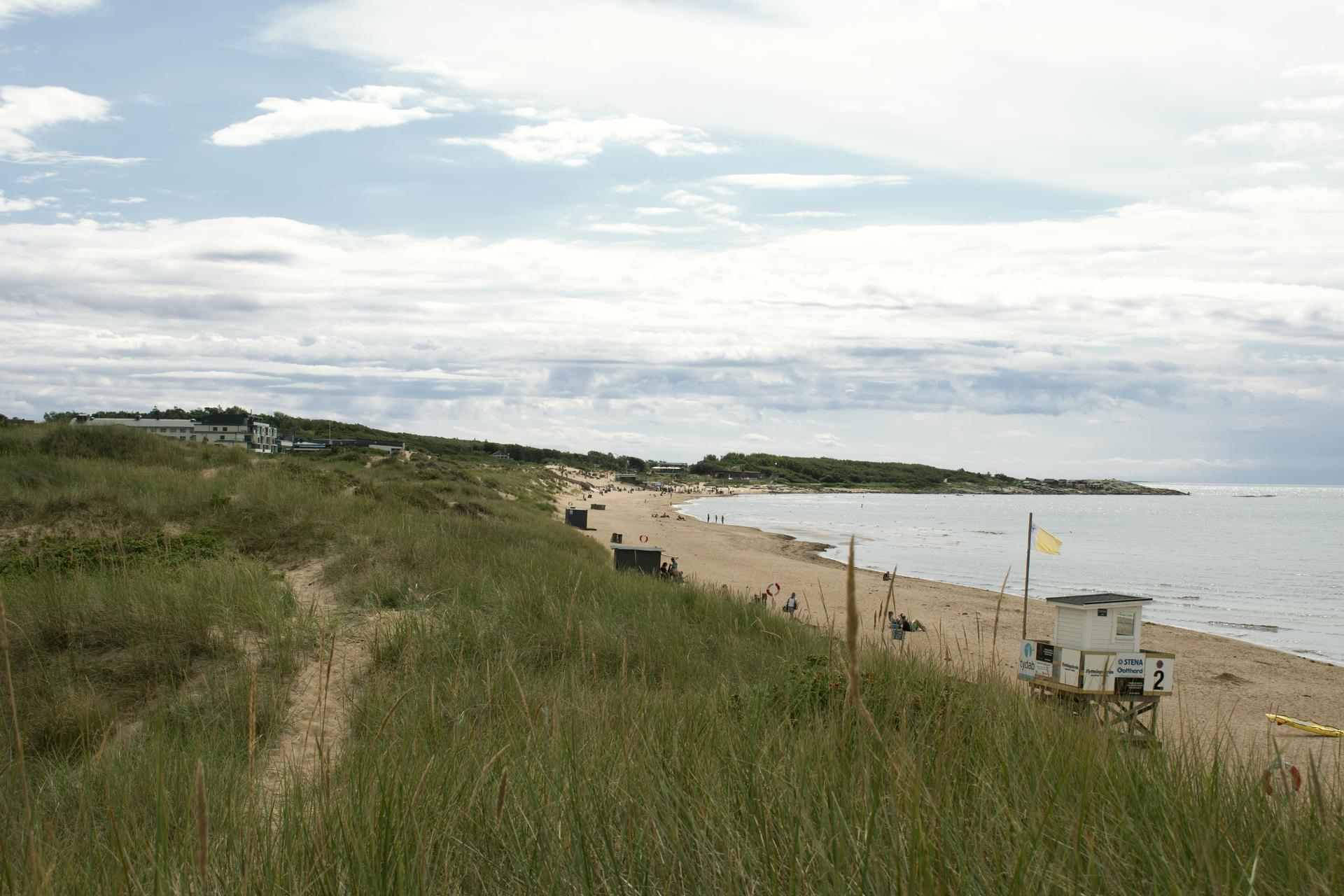
Looking beyond Kullaberg? Discover Halland for broader travel guides, local hot-spots, and regional highlights.
Explore Halland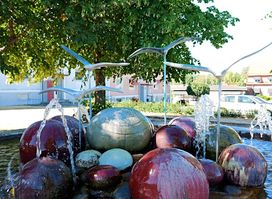
A beech‑lined ridge of easy, family‑friendly loops and a small forest cabin, offering short stroller routes and a long 11 km loop across Hallandsås.
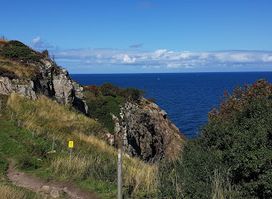
Wild cliffs, rare wildlife, and endless sea views define this Skåne gem—a hiker's paradise with ancient secrets and nature's raw power.