Sumpafallen Nature reserve, Halland Travel Guide
A small, wild river gorge south of Ullared where thunderous rapids, rare mosses and intimate woodland meet.
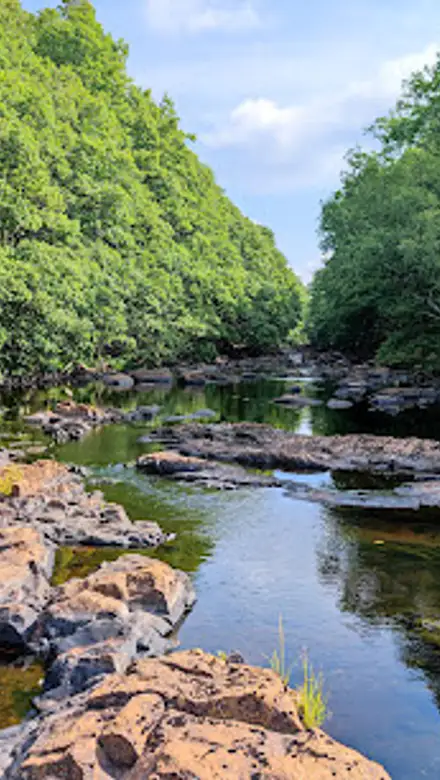
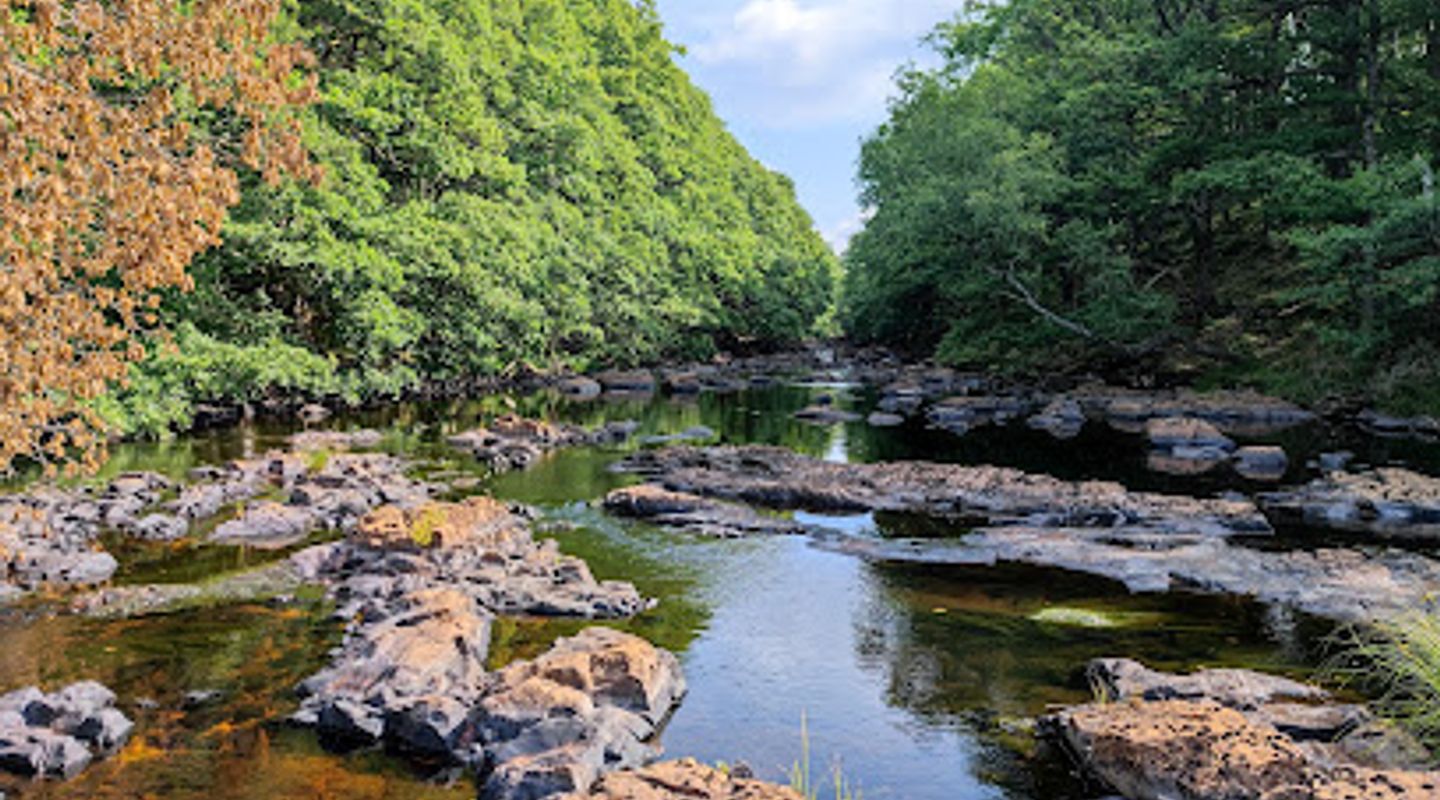
Sumpafallen is a compact, wild-feeling nature reserve just south of Ullared where an untamed stretch of the Högvadsån rushes through a wooded valley, forming several dramatic rapids and calmer pools. Trails (about 2 km) follow the river past mossy rocks, rare plants and birdlife; simple grill sites with fuel stores are provided near the main falls. The reserve is managed for conservation and quiet outdoor recreation.
A brief summary to Sumpafallen Nature reserve
- Ullared, 310 60, SE
- Click to display
- Click to display
- Duration: 0.5 to 3 hours
- Free
-
 Outdoor
- Mobile reception: 3 out of 5

Know before you go
Hi, I'm Eve. Here are a few practical things to know before exploring Sumpafallen Nature reserve.
- Wear sturdy, waterproof footwear—the main trails are short but can be muddy and uneven near the river.
- Respect sensitive vegetation near seepage areas; step only on established paths and avoid collecting plants or moss.
- Make use of the provided grill sites if you bring a simple packed meal; fuel is sometimes supplied but not guaranteed, so bring a small supply just in case.
- Bring binoculars for birdwatching—look for river specialists on the stones and songbirds in the surrounding canopy.
Do you manage this location?
Take control to get all the benefits, like improved information, better appearance, and stronger visibility across AI-powered discovery. Learn more about listing your business on Evendo
Activate your presenceOther nearby places you may find interesting
The closest places of the same kind, if this one is not quite what you had in mind.
Explore Sumpafallen Nature reserve on the Map
A handpicked selection of must-see spots near Sumpafallen Nature reserve, mapped for you.
Getting There
-
Drive (private car)
Drive from central Ullared by regional roads: typical travel time is 15–25 minutes depending on traffic; parking is available near the reserve but spaces are limited and the final access may include a short unpaved section—expect uneven surfaces. No paid tolls; parking is usually free but subject to local rules.
-
Bus plus walk
Take a regional or local bus service to a nearby stop serving Ullared or Köinge, then walk for 20–40 minutes along country lanes and the reserve approach trail; service frequency varies seasonally and some connections run only on weekdays. The final approach is on foot along a forest trail that can be muddy and uneven; there is no dedicated shuttle service and no extra fare beyond the regular bus ticket.
-
Cycle
Cycle along local country roads and the regional 'Cykelspåret' route that passes the area: travel time from Ullared is typically 30–60 minutes by leisure cyclists depending on pace and route. Terrain includes quiet paved roads and short unpaved farm tracks; secure bicycle parking is informal, and weather can make the unpaved stretches slippery.
For the on-the-go comforts that matter to you
-
 Seating Areas
-
 Sheltered Areas
-
 Picnic Areas
-
 Trash Bins
-
 Information Boards
Discover more about Sumpafallen Nature reserve
A river valley carved by water
Sumpafallen centres on a short but energetic stretch of the Högvadsån river where the current has cut a narrow, rocky ravine and formed four named rapids; one of these, Sumpafallen, gives the reserve its name. The rushing water alternates with placid pools and shallow riffles, creating a soundscape that ranges from thunderous white water at the falls to hushed trickles where groundwater enters the channel. The terrain is compact—roughly tens of hectares—so the contrasts between cliff-fringed torrent and quiet riverside are experienced close together.Woodland, wetlands and fragile plants
A mix of deciduous forest, damp hollows and small wetland patches frames the river. Where cold springs seep from the banks a specialised flora has evolved: several uncommon mosses and delicate vascular plants cling to seepage zones and shaded rock faces. In spring you may notice carpeted wood anemones and early bulbs among the leaf litter; on exposed stones in the current, niche species such as stream-loving bryophytes are found. This variety underpins the reserve’s conservation value and the habitat types recorded when it was placed under protection.Birds, insects and a living riverbed
The reserve’s mixture of running water, standing pools and riparian woodland supports an active assemblage of birdlife and aquatic insects. Fast-flowing stretches are home to river specialists that forage on stones and along the banks, while the quieter pools attract more generalist species. Dragonflies and mayflies hatch from the shallows in summer, animating the light above the water and drawing insectivorous birds to the margins. The river itself is a corridor: seasonal flows and winter freshets reshape gravel bars and exposed rocks, maintaining habitat diversity.Paths, viewpoints and fire sites
A principal walking loop of roughly two kilometres follows the river and then returns along the nearby road, so visitors experience both close-up river views and a longer wooded stroll. Close to the main waterfall the reserve provides a constructed grill site and a secondary, more secluded cooking area a short distance away; wood stores are provided but not guaranteed. Rough stone viewpoints and short footpaths allow visitors to approach the falls and observe the water’s scale and power without extensive infrastructure—the design intent is low-impact access that keeps the landscape feeling natural.Conservation, ownership and character
The reserve is part of a regionally important network of protected places and is managed with conservation priorities in mind. The compact site combines scenic interest with high ecological value: seepage-fed flora, riparian bryophyte communities and relatively unmodified river stretches that retain natural flow and substrate dynamics. Ownership and stewardship arrangements ensure limited facilities and a focus on preserving the reserve’s wild character rather than developing it for heavy use.What to expect at different times
Water levels and the character of the reserve vary through the year. In spring and after heavy rain the falls are heard and felt as powerful surges; late summer brings lower, clearer water and exposes stones and stream margins where specialist plants and invertebrates can be observed. Bird activity peaks seasonally with migratory arrivals and breeding song in the woods. Because the reserve’s features are compact, a short visit yields a concentrated experience of river dynamics, forest quiet and sensitive plant communities.More to explore near Sumpafallen Nature reserve













Your all‑in‑one travel companion app
Explore expert travel guides, compare and book tours, experiences, hotels, and more—all from the palm of your hand. Download now for seamless trip planning wherever your wanderlust takes you.


Explore More of Halland
Looking beyond Sumpafallen Nature reserve? Discover Halland for broader travel guides, local hot-spots, and regional highlights.
Explore Halland