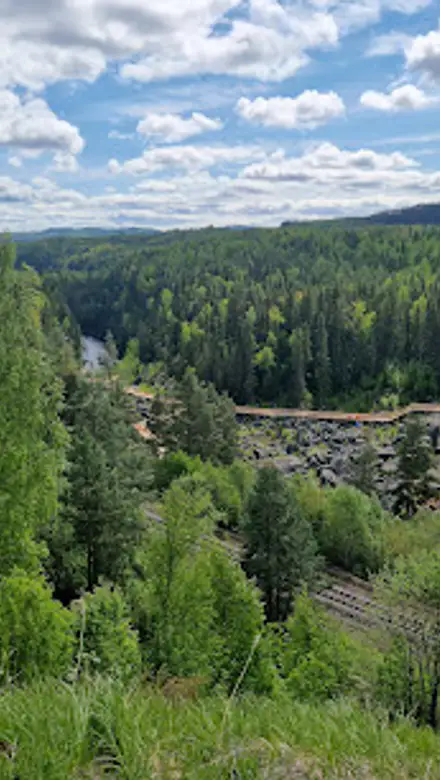
Döda fallet Travel Guide
Free Guide: A silent, sculpted riverbed where an 18th‑century engineering disaster drained a great waterfall and left a dramatic geological theatre.


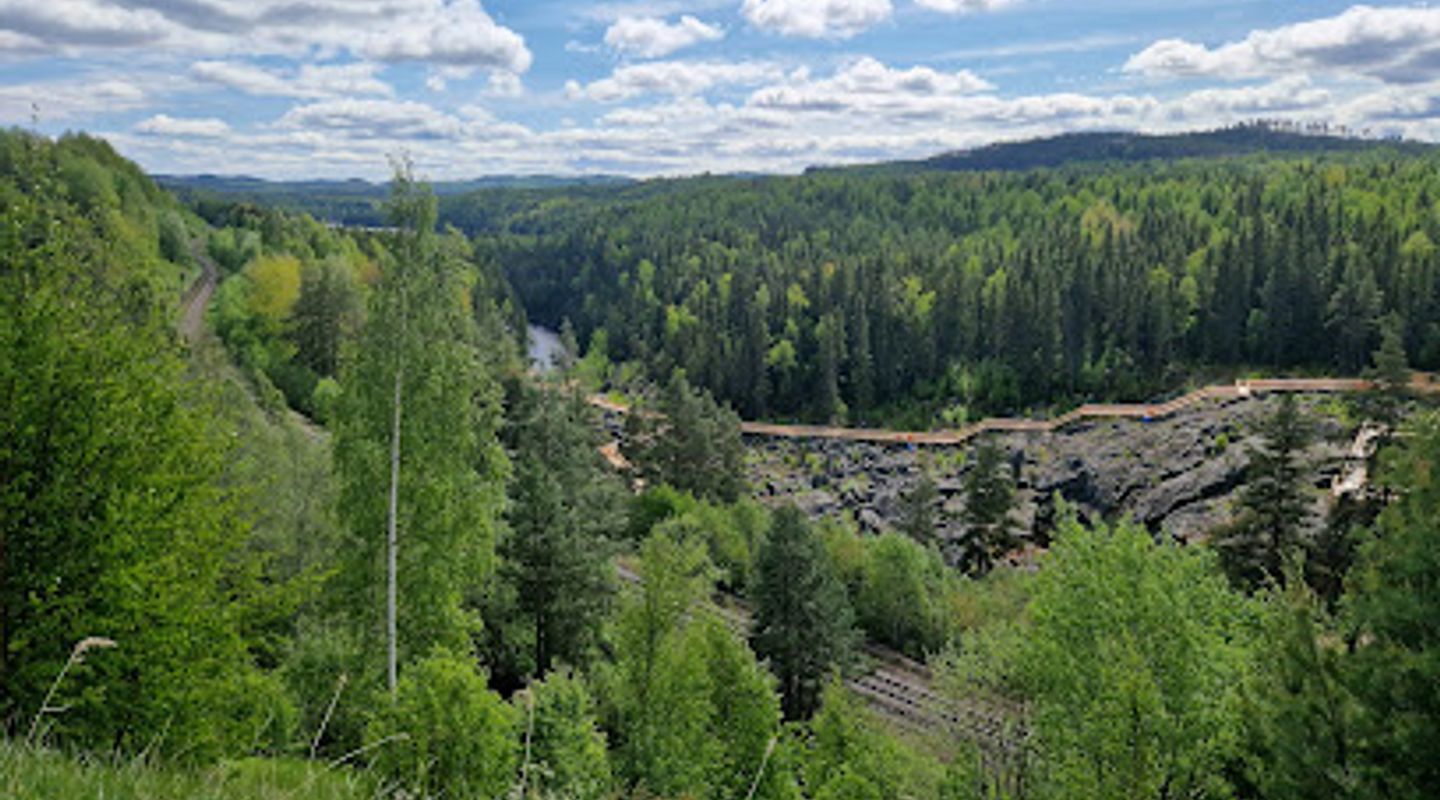
A brief summary of Döda fallet
A silent, sculpted riverbed where an 18th‑century engineering disaster drained a great waterfall and left a dramatic geological theatre.
Döda fallet is a remarkable dry riverbed and nature-reserve site in Ragunda municipality, Jämtland, formed in 1796 when an attempted canal project drained Ragundasjön and left the former Storforsen waterfall silent. The result is a sculpted, stony landscape of carved channels, high sediment cliffs and exposed bedrock with wooden walkways, interpretive panels and a rotating outdoor theatre nearby; the site combines dramatic geology, layered human history and a strangely quiet, otherworldly atmosphere.
On-site amenities
 Restrooms
 Food options
 Seating areas
 Information boards
 Visitor centre
Opening hours
- Every dayOpen 24 hours
Opening hours as listed on the venue’s Google Business Profile. Hours can change for services and special events, so check with the venue before you go.
- Address
- Döda Fallet 181, 844 94 Bispgården
- Website
Getting there
Regional car
Regional bus + walk
Guided tour / organised transfer
Discover more about Döda fallet
How a waterfall became a dry spectacle
Döda fallet owes its striking appearance to a single, dramatic event in the late 18th century: a human-made bypass channel and a catastrophic breach emptied Ragundasjön in a few hours and left the once-mighty Storforsen dry. The rushing water carved a new course, scoured deep channels and left sheer banks of deposited sand and gravel; what visitors now walk across is an exposed riverbed and a geological palimpsest that preserves the violence of that moment while revealing deeper glacial and post-glacial layers beneath the surface.
What you see and why it matters
The landscape is dominated by stony terraces, collapsed sediment faces and exposed bedrock that show the mechanics of erosion and sudden drainage. Wooden boardwalks, viewing platforms and interpretive signs guide exploration without disturbing fragile deposits, while the open, rocky floor gives unusual access to features normally hidden beneath water. The site is also part of a wider river- and geo-heritage: sediments carried downstream by the flood helped reshape coastal areas far away, making Döda fallet a local example of how single events can alter whole regions.
Human stories etched in the terrain
The dead falls are as much a human story as a geological one. The canal project was driven by timber transport needs and local ambition; its failure produced widespread damage, legal disputes and a lasting local narrative about engineering, risk and responsibility. Remnants of the 18th-century interventions and the later cultural responses are woven into the modern visitor experience: storytelling panels, reconstructed features and the site’s role as an outdoor stage all reflect the way people have tried to interpret and reframe the catastrophe over two centuries.
Sensory character and seasonal moods
On site the soundscape is notably different from its past: where thunderous rapids once dominated, now wind, birdsong and the creak of boardwalks set the rhythm. The air feels dry and mineral; sunlight slants across pale sandbanks and dark bedrock, producing high-contrast vistas best appreciated in clear weather. Seasonality alters the palette—snow softens edges and muffles sound in winter, while late-summer light brings out warm tones in the sediment faces and attracts butterflies and other insects.
Visitor infrastructure and interpretation
Döda fallet is presented as a managed nature reserve with marked routes, sturdy wooden steps and educational displays that explain both the geohistory and the social aftermath. Nearby facilities include a café and visitor amenities clustered by the main entrance; during summer months there is a distinctive rotating outdoor auditorium that stages performances using the landscape as an active backdrop, linking culture to place in a memorable way.
Why the place stays compelling
The site’s power comes from contrast: a place shaped by a sudden, violent loss of water that nevertheless feels strangely serene and contemplative. It offers a compact, readable cross-section of landscape change—a chance to see geomorphology and human consequence side by side. For anyone interested in earth processes, historical engineering or dramatic natural settings, Döda fallet presents a rare, nearly theatrical example of how a single event can leave an enduring and instructive landscape.
Evendo Review Centre
 Google
Guest reviews
Best time to go
Quietest: Jan, Feb & Mar · before 6am or at 9pm
Busy times are Evendo estimates for a typical year, to help you plan. Actual crowds vary with events, school holidays and the weather.
Explore Döda fallet on the map
A handpicked selection of must-see spots near Döda fallet, mapped for you.
Get your free copy of our complete guide to Döda fallet, delivered straight to you.
Everything on this page, from opening hours and how to get there to Eve’s tips and the best time to go, in one PDF you can read offline, print or share.
Already have an account? Sign in
Your Döda fallet guide is ready.
We'll send it to · Not you? Sign out

Getting your guide ready…
We are putting together a fresh copy of the Döda fallet guide. This can take up to a minute.
This can take a few moments. If your browser asks, choose Allow so the download can start. You'll find the guide in your Downloads folder.
Nothing happened? Download it again
Sorry, the guide is taking longer than usual. Please try again in a minute, or get it by email instead.
Other nearby places you may find interesting
The closest places of the same kind, if this one is not quite what you had in mind.
-
-
-
-
-


Swipe for more places
More to explore near Döda fallet

 Best experiences near Döda fallet
 Best hotels near Döda fallet
 Best landmarks near Döda fallet
 Best attractions near Döda fallet
 Best shops near Döda fallet
 Best restaurants near Döda fallet
 Best bars near Döda fallet
Do you manage this location?
Take control to get all the benefits, like improved information, better appearance, and stronger visibility across AI-powered discovery.
Explore more
Explore more of Hälsingland
Discover Hälsingland, Sweden - a land of enchanting landscapes, rich cultural heritage, and outdoor adventures, featuring UNESCO-listed wooden farmhouses and traditional folk music.
Explore Hälsingland
Explore more of Sweden
Discover Sweden's breathtaking landscapes, vibrant cities, and rich cultural heritage. From the Northern Lights to historic castles, experience the essence of Scandinavia.
Explore Sweden