

Fågelsjö Gammelgård Travel Guide
Free Guide: A well‑preserved Hälsingland farmstead where painted rooms, rustic outbuildings and seasonal café life bring 19th‑century rural Sweden vividly to life.


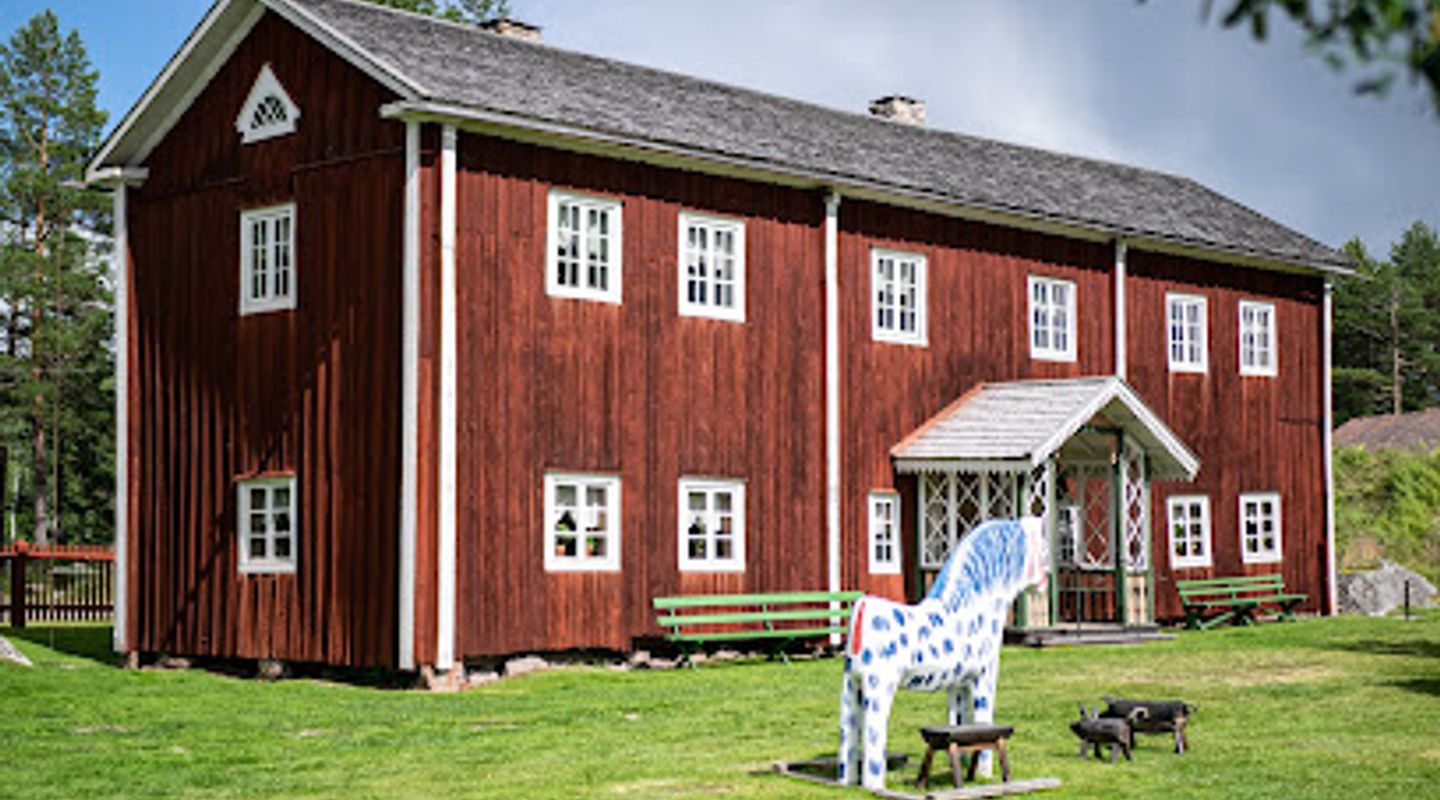
A brief summary of Fågelsjö Gammelgård
A well‑preserved Hälsingland farmstead where painted rooms, rustic outbuildings and seasonal café life bring 19th‑century rural Sweden vividly to life.
Fågelsjö Gammelgård (Bortom Åa) is a preserved 19th-century Hälsingland farmstead and living museum set in a small mountain village in Orsa Finnmark, Sweden. The site combines painted farm interiors, traditional outbuildings and a seasonal café and shop, giving a vivid sense of rural life, craft and vernacular architecture framed by conifer forest and quiet lanes.
On-site amenities
 Restrooms
 Drink options
 Food options
 Seating areas
 Information boards
 Visitor centre
- Address
- Fågelsjö Gryssjövägen 1, 827 70 Los
- Phone
- Website
Getting there
By regional bus or shuttle
By car
By train plus local transfer
Discover more about Fågelsjö Gammelgård
A farm frozen and living in time
Fågelsjö Gammelgård, locally known as Bortom Åa, is a cluster of timber farm buildings that survive with much of their traditional layout and interior decoration intact. The ensemble—main house, outbuildings and yard—reflects 19th‑century rural life in Hälsingland: painted room panels, substantial timberwork and compact functional spaces where domestic life and seasonal work intersect. The buildings’ preserved finishes and everyday objects give direct material evidence of how households adapted to climate, isolation and seasonal rhythms.
Interior craft and painted décor
Stepping inside you encounter richly painted wall panels, folk‑art motifs and furniture that belong to a northern Swedish decorative tradition. The painted rooms are not purely ornamental: the colors and motifs follow local aesthetic codes tied to identity and craftsmanship, executed by itinerant painters and household hands. Small domestic implements, textile fragments and agricultural tools are arranged to show how storage, food preparation and handicraft took place in rooms that had to be warm, efficient and welcoming in long winters.
Outbuildings, yards and the working landscape
The yard is ringed by barns, a smithy and utilitarian sheds that illustrate seasonal cycles—dairy processing in summer, hay storage for winter feed, and shelter for animals. Rooflines, log joints and earthen floors reveal building techniques adapted to deep snow and short summers. The surrounding open pastures and nearby forest were integral to the farm’s economy; you can still sense the relationship between the buildings and the land that supplied timber, fodder and fuel.
A living site: café, shop and seasonal rhythm
Although the main period features date from the 1800s, the farm operates today as a living museum with a seasonal rhythm: in summer months the site opens its reception, guided tours and a small café housed in the Amerikahuset where visitors encounter local baked goods and crafts. A modest shop offers locally made handicrafts and printed material about the farm’s history. Outside the main season, parts of the complex remain quiet, but the long‑standing building fabric still communicates the place’s character year‑round.
Local stories and the blue horse
Fågelsjö holds local curiosities and small narratives that anchor it in community memory—folk objects, workshop stories and the famous little blue wooden horse associated with the site. These artifacts function as mnemonic anchors: they point to childhood play, local makers and the layered ways material culture passed between generations. Such details help the farm read as more than architecture; it is a repository of lived gestures and household creativity.
Landscape and quiet to reflect on
Set in a sparsely populated region where pine forest and bogland meet, the farm’s setting emphasises silence, seasonal light and a slow pace. The surrounding countryside invites quiet observation: chimney smoke in winter, the hum of insects in high summer and the distant calls of grouse in autumn. The sense of place is strong—this is a site where built heritage and landscape together tell the story of rural survival, craft and continuity.
Evendo Review Centre
 Google
Guest reviews
Best time to go
Quietest: Jan, Feb & Dec · before 7am or at 8pm
Busy times are Evendo estimates for a typical year, to help you plan. Actual crowds vary with events, school holidays and the weather.
Explore Fågelsjö Gammelgård on the map
A handpicked selection of must-see spots near Fågelsjö Gammelgård, mapped for you.
Get your free copy of our complete guide to Fågelsjö Gammelgård, delivered straight to you.
Everything on this page, from opening hours and how to get there to Eve’s tips and the best time to go, in one PDF you can read offline, print or share.
Already have an account? Sign in
Your Fågelsjö Gammelgård guide is ready.
We'll send it to · Not you? Sign out

Getting your guide ready…
We are putting together a fresh copy of the Fågelsjö Gammelgård guide. This can take up to a minute.
This can take a few moments. If your browser asks, choose Allow so the download can start. You'll find the guide in your Downloads folder.
Nothing happened? Download it again
Sorry, the guide is taking longer than usual. Please try again in a minute, or get it by email instead.
Other nearby places you may find interesting
The closest places of the same kind, if this one is not quite what you had in mind.
-
-
-
-
-


Swipe for more places
More to explore near Fågelsjö Gammelgård

 Best experiences near Fågelsjö Gammelgård
 Best hotels near Fågelsjö Gammelgård
 Best landmarks near Fågelsjö Gammelgård
 Best attractions near Fågelsjö Gammelgård
 Best shops near Fågelsjö Gammelgård
 Best restaurants near Fågelsjö Gammelgård
 Best bars near Fågelsjö Gammelgård
Do you manage this location?
Take control to get all the benefits, like improved information, better appearance, and stronger visibility across AI-powered discovery.
Explore more
Explore more of Hälsingland
Discover Hälsingland, Sweden - a land of enchanting landscapes, rich cultural heritage, and outdoor adventures, featuring UNESCO-listed wooden farmhouses and traditional folk music.
Explore Hälsingland
Explore more of Sweden
Discover Sweden's breathtaking landscapes, vibrant cities, and rich cultural heritage. From the Northern Lights to historic castles, experience the essence of Scandinavia.
Explore Sweden
