Bastnäs, Norrbotten Travel Guide
Discover the world's mineral richest ore field at Bastnäs, birthplace of cerium and home to a unique hakspel amid Västmanland's whispering forests.
Bastnäs Gruvfält, nestled in the forests near Skinnskatteberg, is one of the world's most mineral-rich sites. First documented in 1692, it gained fame in 1803 when scientists Wilhelm Hisinger and Jöns Jacob Berzelius discovered cerium here, followed by lanthanum. The area yielded iron, copper, and rare earth elements, with the unique hakspel—a 19th-century ore-hauling mechanism powered by a 2.5 km stånggång—still preserved on its original site, the only one worldwide. Explore mine shafts, tailings, and geological wonders that draw experts globally.
A brief summary to Bastnäs
- V, Skinnskatteberg, SE
- Duration: 1 to 2.5 hours
- Free
-
 Outdoor
- Mobile reception: 3 out of 5

Know before you go
Hi, I'm Eve. Here are a few practical things to know before exploring Bastnäs.
- Wear sturdy boots for uneven terrain around mine entrances and tailings; paths can be slippery after rain.
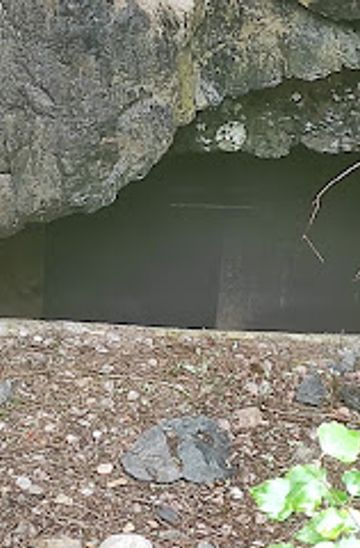
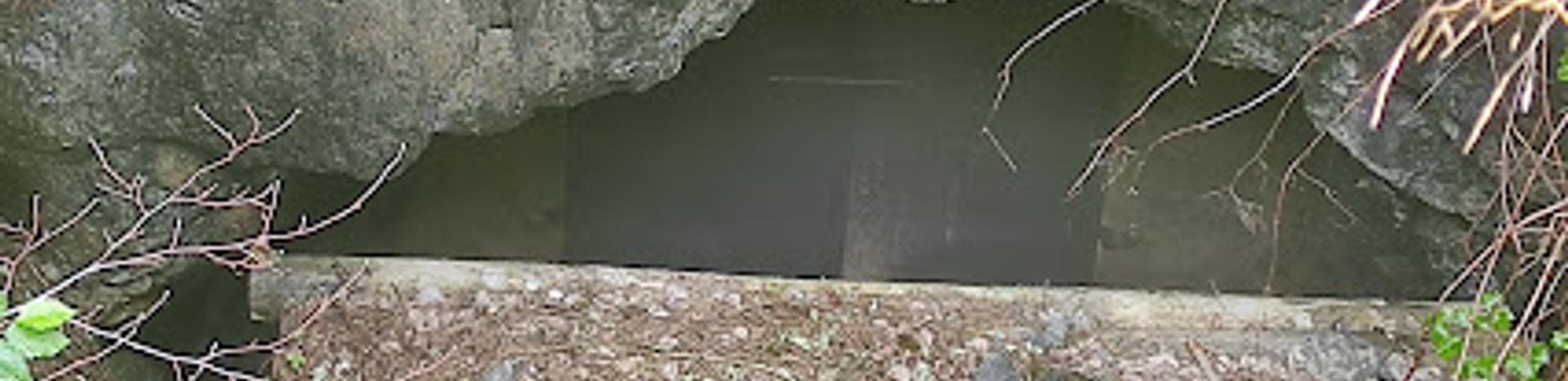
- Bring a flashlight to peer into accessible shafts like Nya Bastnässtollen for glimpses of mineral veins.
- Visit in summer for guided walks by local groups; check Ekomuseum Bergslagen for geology event schedules.
Do you manage this location?
Take control to get all the benefits, like improved information, better appearance, and stronger visibility across AI-powered discovery. Learn more
Activate your presenceOther nearby places you may find interesting
The closest places of the same kind, if this one is not quite what you had in mind.
Explore Bastnäs on the Map
A handpicked selection of must-see spots near Bastnäs, mapped for you.
Getting There
-
Car
Drive from Skinnskatteberg center, 15-20 minutes via forest roads; limited gravel parking at site, free but fills on event days.
-
Bus
Take regional bus from Skinnskatteberg to Riddarhyttan stop, then 40-50 minute walk on wooded trails; buses run 4-6 times daily, fares 30-50 SEK.
-
Taxi
Taxi from Skinnskatteberg train station, 20-25 minutes through rural roads; costs 400-600 SEK one-way, book ahead for groups.
For the on-the-go comforts that matter to you
-
 Information Boards
-
 Trash Bins
-
 Seating Areas
Discover more about Bastnäs
Mineral Riches Unearthed
Bastnäs Gruvfält stands as a geological marvel, recognized globally for its extraordinary concentration of rare minerals. This compact iron ore field near Riddarhyttan in Västmanland has produced an array of elements, including iron, copper, and vital rare earths. The site's mineral diversity is unparalleled, serving as the type locality for six minerals: bastnäsit, cerit, lanthanit, ortit, törnebohmit, and linneit. Bastnäsit, rich in cerium, was first identified here before vast deposits were found elsewhere like California.Between 1875 and 1888, approximately 4,500 tons of high-grade cerium ore were extracted, fueling scientific and industrial pursuits. During World War II, remaining tailings were processed for cerium in wartime applications, underscoring the site's enduring value.Pathbreaking Discoveries of 1803
In 1803, two Swedish luminaries—brukspatron Wilhelm Hisinger of Skinnskattebergs bruk and chemist Jöns Jacob Berzelius—isolated cerium from Bastnäs ore, naming it after the asteroid Ceres. This breakthrough marked the birth of rare earth element science. Later, in 1839, Carl Gustav Mosander discovered lanthanum in minerals from the same mines, cementing Bastnäs's place in chemical history. These finds drew scientists and collectors worldwide, who prize Bastnäs specimens for their purity and historical significance.The mines' early mentions date to 1692, with intermittent operations through the 18th and 19th centuries. Hisinger, a frequent explorer of the area, collaborated with Berzelius to analyze the unusual 'Bastnäs tungsten,' revealing its elemental secrets.Engineering Feats of the Hakspel
At the heart of Bastnäs lies the hakspel, a rare surviving example of 19th-century mining technology. Constructed around 1860, this mechanism hoisted ore from Stora Bastnäsgruvan using power transmitted via a 2.5 km stånggång from Haggruvan. Invented by Christopher Polhem, the hakspel features a reciprocating motion converted to rotational force, operated by a single worker inside a compact wooden building.This is the world's only hakspel remaining in its original position, now owned by Stockholm's Tekniska museet. Recent restorations have preserved its wooden frame, mechanism, and pedagogical traces of daily operations, offering a tangible link to Bergslagen's industrial past. Part of Ekomuseum Bergslagen, it evokes the ingenuity of pre-electric mining eras.Legacy in Bergslagen's Landscape
Integrated into Ekomuseum Bergslagen, Bastnäs embodies the region's mining heritage amid surrounding forests and hills. Operations ceased in the mid-20th century, leaving behind shafts like Nya Bastnässtollen, tailings heaps, and rusting fixtures frozen in time. Geologists still visit annually, drawn by the site's unique formations and the chance to witness raw mineral veins.The gruvfält's story intertwines with local history, from horse-powered windlasses to water-driven stånggång networks that powered Bergslagen's forges and mines. Today, it invites exploration of Sweden's mineralogical pinnacle, where earth yields secrets of global import.












Your all‑in‑one travel companion app
Explore expert travel guides, compare and book tours, experiences, hotels, and more—all from the palm of your hand. Download now for seamless trip planning wherever your wanderlust takes you.


Explore More of Norrbotten

Looking beyond Bastnäs? Discover Norrbotten for broader travel guides, local hot-spots, and regional highlights.
Explore Norrbotten