

Skottvångs gruva Travel Guide
Free Guide: Descend into Sweden's industrial soul at Skottvångs Gruva, where 500 years of iron mining echo through deep shafts, restored relics, and smoky kolmilor traditions.


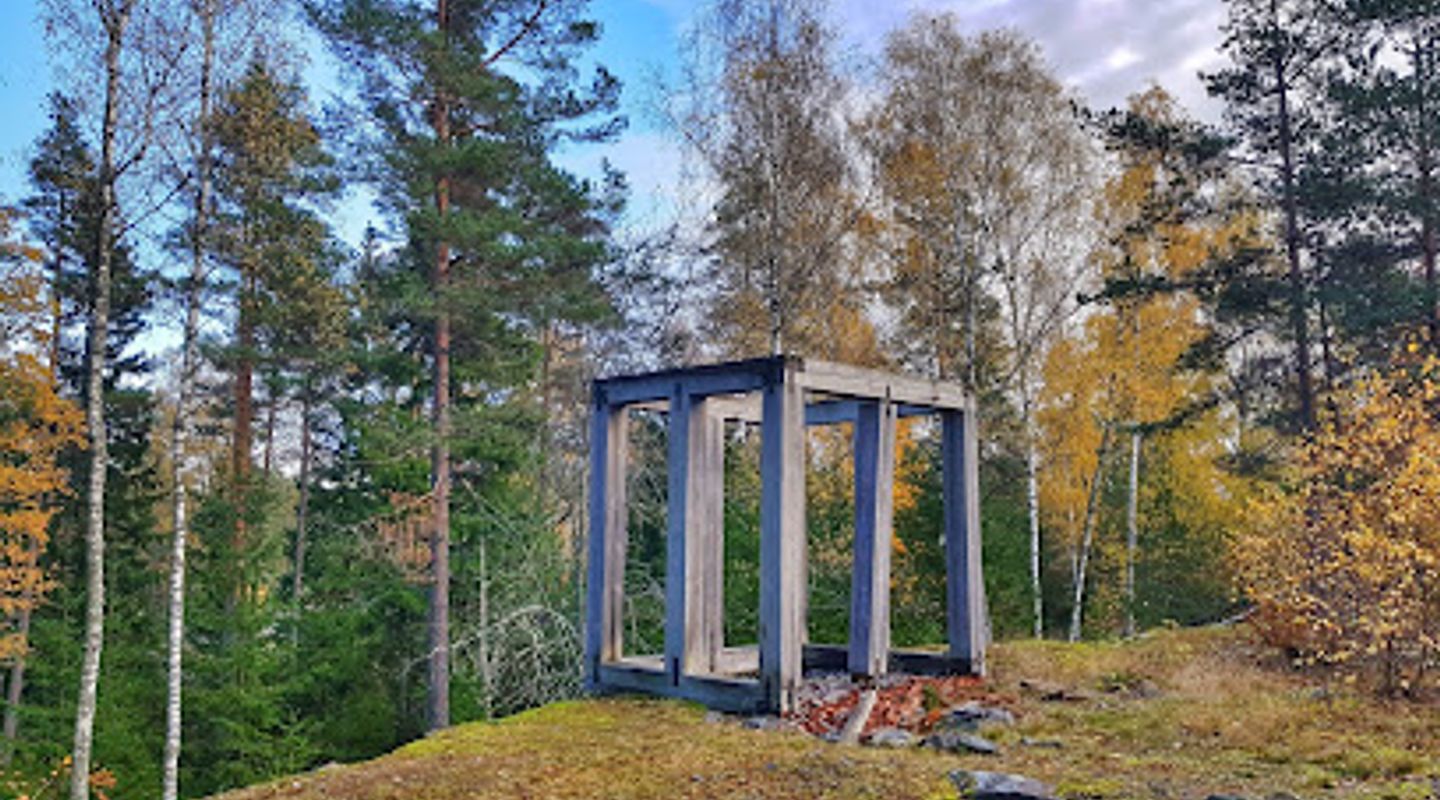
A brief summary of Skottvångs gruva
Descend into Sweden's industrial soul at Skottvångs Gruva, where 500 years of iron mining echo through deep shafts, restored relics, and smoky kolmilor traditions.
Skottvångs Gruva, a historic iron mine in Södermanland's Åkers bergslag near Mariefred, supplied ore for cannon production at Åkers Styckebruk from the 1500s until 1921. Explore water-filled shafts like the 300m-deep Porthålsgruvan, a restored gruvlav, museum in the old smithy, and seasonal events like charcoal kiln lightings amid forested hiking trails.
On-site amenities
 Restrooms
 Drink options
 Food options
 Seating areas
 Trash bins
 Information boards
Opening hours
- MonClosed
- TueClosed
- WedClosed
- ThuClosed
- Fri5 pm–10 pm
- Sat12 pm–11 pm
- Sun12 pm–4 pm
Opening hours as listed on the venue’s Google Business Profile. Hours can change for services and special events, so check with the venue before you go.
- Address
- Unnamed Road, SKOTTVÅNGS GRUVA 1, 647 92 Mariefred
- Phone
- Website
Getting there
Car
Bus
Bicycle
Hiking
Discover more about Skottvångs gruva
Ancient Depths of Porthålsgruvan
Stand at the edge of Porthålsgruvan, once Sweden's deepest mine at nearly 300 meters, its dark waters reflecting the sky above. Mining here likely predates documented records from the 1500s, with techniques like fire-setting—igniting massive bonfires to crack the rock—used to extract iron ore. Tens of thousands of tons were hauled out over centuries, fueling Sweden's iron industry through intermittent booms and busts caused by water ingress and fuel shortages.The shaft's sheer depth evokes the perilous labor of miners descending into perpetual darkness with rudimentary tools, their echoes lost in the vast underground chambers.
Iron Heart of Åkers Styckebruk
Skottvångs ore powered the forges at nearby Åkers Styckebruk, where Walloon immigrants like Willem de Besche and Louis De Geer pioneered rifled cannon barrels in the 1600s, extending range and precision for Sweden's military might. Privileged with exclusive rights, the bruk produced not just weapons but later plows, stoves, and railings after cannon casting waned in the 1800s.A narrow-gauge railway built in 1918 carried the last loads of ore, doubling production briefly before closure in 1921 at 245 meters deep.
Restored Relics and Gruvlav Tower
A meticulously restored gruvlav looms like a sentinel over the main shaft, its wooden structure a testament to 18th-century engineering. Inside the adjacent old smithy, a museum displays tools, artifacts, and tales of the gruvsamhälle— the tight-knit mining community that endured harsh conditions.Plans for an immersive exhibit recreate the subterranean world, bringing the damp chill and metallic tang of the depths to the surface through open walls in the lav.
Charcoal Traditions and Kolmilor
Each autumn, the air fills with the smoky aroma of a traditional kolmila lighting, reviving the vital charcoal production that fed iron smelting. Local torpare tenants once tended three or four milor as rent, hauling the yield by sled over frozen lakes to the bruk. Scattered kolbottnar and kojor dot the surrounding forests, silent witnesses to this labor-intensive craft.The event draws crowds to watch embers glow and hear songs like those in Dan Andersson's Kolvaktarens visor, blending history with living heritage.
Forested Trails of Sörmlandsleden
Wander paths weaving through birch and pine, where Sörmlandsleden hikers start or end stages amid remnants of industrial past—old rail beds, tjärdalar, and ancient oaks. The landscape, uplifted from ancient seabeds 9,000 years ago, offers serene walks blending nature's reclaim with mining scars.Seasonal shifts paint the area in vibrant autumn hues or crisp winter silence, ideal for reflective rambles.
Evendo Review Centre
 Google
Guest reviews
Best time to go
Quietest: Jan, Feb & Dec · before 8am or from 11pm
Busy times are Evendo estimates for a typical year, to help you plan. Actual crowds vary with events, school holidays and the weather.
Explore Skottvångs gruva on the map
A handpicked selection of must-see spots near Skottvångs gruva, mapped for you.
Get your free copy of our complete guide to Skottvångs gruva, delivered straight to you.
Everything on this page, from opening hours and how to get there to Eve’s tips and the best time to go, in one PDF you can read offline, print or share.
Already have an account? Sign in
Your Skottvångs gruva guide is ready.
We'll send it to · Not you? Sign out

Getting your guide ready…
We are putting together a fresh copy of the Skottvångs gruva guide. This can take up to a minute.
This can take a few moments. If your browser asks, choose Allow so the download can start. You'll find the guide in your Downloads folder.
Nothing happened? Download it again
Sorry, the guide is taking longer than usual. Please try again in a minute, or get it by email instead.
Other nearby places you may find interesting
The closest places of the same kind, if this one is not quite what you had in mind.
-
-
-
-
-


Swipe for more places
More to explore near Skottvångs gruva

 Best experiences near Skottvångs gruva
 Best hotels near Skottvångs gruva
 Best landmarks near Skottvångs gruva
 Best attractions near Skottvångs gruva
 Best shops near Skottvångs gruva
 Best restaurants near Skottvångs gruva
 Best bars near Skottvångs gruva
Do you manage this location?
Take control to get all the benefits, like improved information, better appearance, and stronger visibility across AI-powered discovery.
Explore more

Explore more of Norrbotten
Discover Norrbotten, Sweden's northern gem, where nature's wonders meet rich Sami culture. Experience the Midnight Sun, Northern Lights, and unique winter activities.
Explore Norrbotten
Explore more of Sweden
Discover Sweden's breathtaking landscapes, vibrant cities, and rich cultural heritage. From the Northern Lights to historic castles, experience the essence of Scandinavia.
Explore Sweden
