Agö lighthouse, Norrland Travel Guide
A small 1860s light station on Agön where weathered stone, pine and a keeper’s imprint meet the open Bothnian Sea.
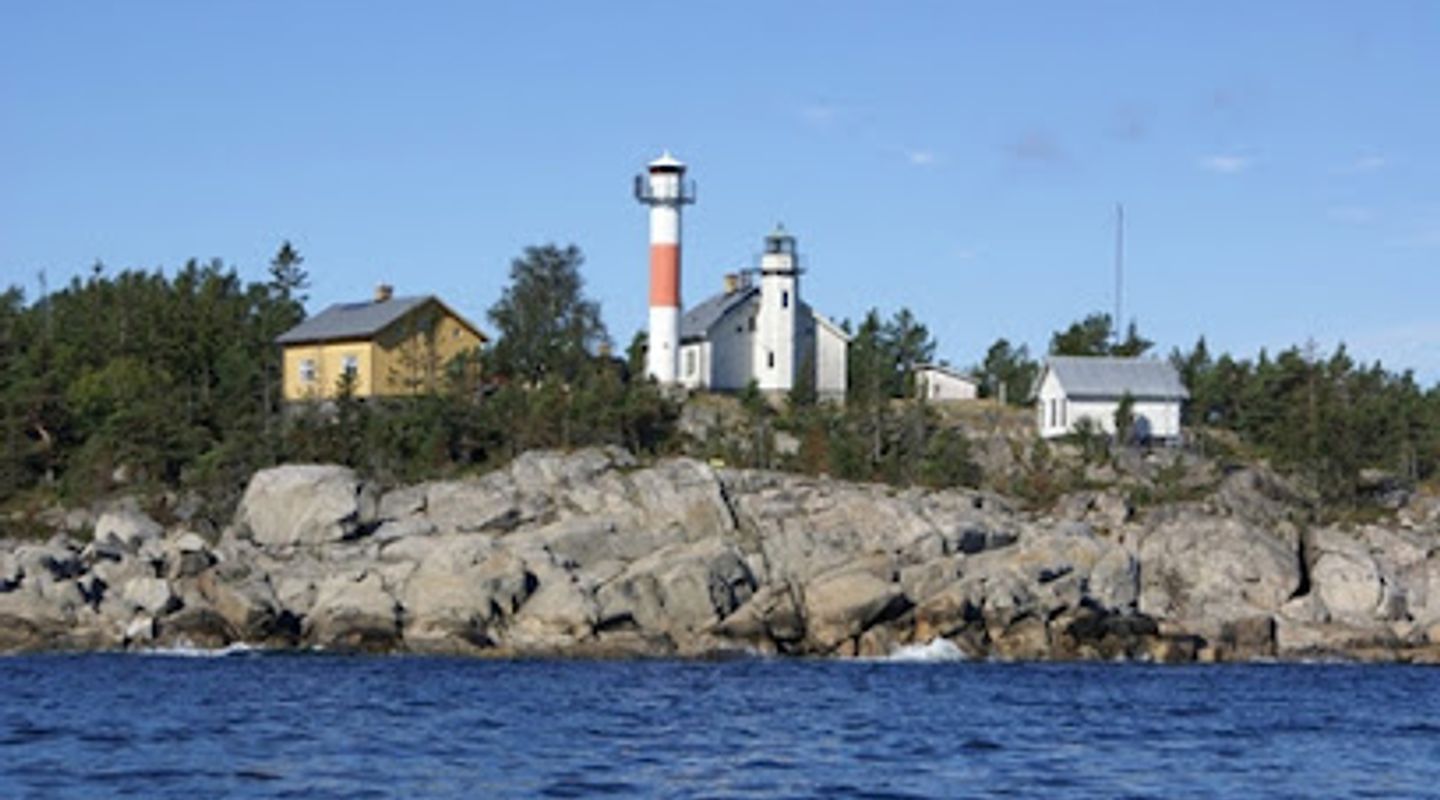
Perched on the rocky headlands of Agön in the outer Hudiksvall archipelago, Agö Lighthouse is a compact 19th‑century light station set among windswept pines, low scrub and ship‑scarred granite. Established in 1860, the site pairs maritime history with a raw coastal landscape: the tower, keeper’s house remains and a small chapel nearby give the isle an intimate, timeworn character that rewards quiet exploration and contemplative coastal walks.
A brief summary to Agö lighthouse
- island of Agön, Hudiksvall, SE
- Duration: 0.5 to 3 hours
- Free
-
 Outdoor
- Mobile reception: 2 out of 5

Know before you go
Hi, I'm Eve. Here are a few practical things to know before exploring Agö lighthouse.
- Bring sturdy footwear for uneven granite and short, rocky paths; some surfaces are slippery when wet.
- Carry water and a windproof layer — weather changes quickly on exposed outer‑archipelago shores.
- Respect fragile cultural remains and avoid climbing on fenced or clearly deteriorating masonry.
- Binoculars or a long lens are useful for watching seabirds and scanning distant shipping lanes.
Do you manage this location?
Take control to get all the benefits, like improved information, better appearance, and stronger visibility across AI-powered discovery. Learn more about listing your business on Evendo
Activate your presenceOther nearby places you may find interesting
The closest places of the same kind, if this one is not quite what you had in mind.
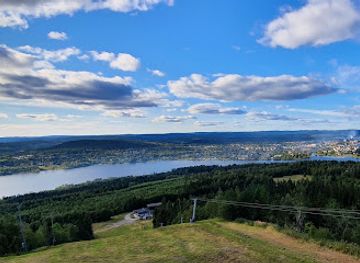
Explore Agö lighthouse on the Map
A handpicked selection of must-see spots near Agö lighthouse, mapped for you.
Getting There
-
Local boat transfer
Private or chartered boat from Hudiksvall harbour to Agön — typical crossing time 40–70 minutes depending on sea state; weather or sea conditions can delay departures and operators limit luggage. Expect a paid charter rate approximately SEK 1,500–3,500 per boat (one‑way or return depends on arrangement) for small groups; confirm availability in summer months when services operate more frequently.
-
Scheduled summer ferry
Seasonal passenger ferry service runs from a mainland pier near Hudiksvall during the summer season — journey time typically 50–80 minutes; runs are limited to daytime and depend on seasonal timetables. Tickets are charged per person, generally in the range SEK 150–400 return; book ahead on busy dates as capacity is restricted.
-
Private motorboat landing
Skippered private motorboat or water taxi drop‑off at Agön’s small harbour — crossing 30–60 minutes from nearby coastal marinas; requires sheltered approach and suitable tide conditions. Pricing varies by vessel size and distance; expect private hire from SEK 1,000–3,000 for short hops. Landing may be rocky and assistance for heavy luggage is limited.
For the on-the-go comforts that matter to you
-
 Seating Areas
-
 Information Boards
Discover more about Agö lighthouse
A light born of the 19th‑century Baltic trade
Agö Lighthouse was first established in 1860 as part of the network of signals guiding vessels through the shallow and often foggy waters off Hälsingland. The compact light station originally grew around a keeper’s dwelling and associated service buildings, reflecting the era when a small community of lighthouse families, pilots and assistants kept the lamp, logs and local weather watch. The tower and surviving structures speak to a time before automation when the rhythm of the place was set by tides, watches and lantern maintenance.Landscape of wind, granite and bohémien pines
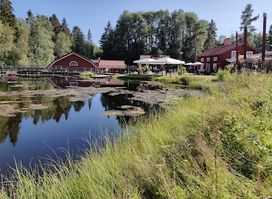
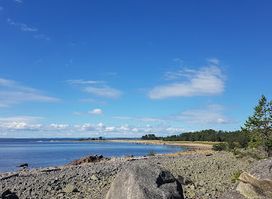
The lighthouse sits amid a stark coastal palette: low, salt-scorched Scots pines, patches of hardy bilberry and lichen‑coated granite slabs that slope toward the sea. On clear days the horizon reads flat and infinite; in wind and rain the island feels smaller, weathered by spray and the persistent motion of the Bothnian Sea. Footpaths between the light, the old harbour and the small wooden chapel take you across uneven rock and close to the shoreline where gulls wheel and seawrack collects in crevices.Architectural fragments and the keeper’s imprint
Agö’s built elements are modest rather than monumental: a practical tower, remnant service buildings and traces of foundations where outbuildings once stood. The keeper’s presence is tangible in stonework, weathered paint and patched windows; these fragments convey the practical ingenuity required to maintain a light far from the mainland. Period details — iron fittings, simple joinery and the tower’s lantern room proportions — illustrate the conservative, service‑first design common to small Swedish coastal lights of the 19th century.Quiet rituals and seasonal moods
The island’s atmosphere changes with the seasons. Summer brings long daylight, an aromatic mix of warm stone and resin, and insect life among the heaths; autumn and winter tighten the palette to salt, slate and wind. Migratory birds use the island as a stopover and the chapel bell and crofts hint at centuries of fishing and seasonal habitation. The place is best experienced slowly: listening to wind on rock, inspecting ironwork up close and letting the maritime silence reframe ordinary sounds.Points of interest on a short visit
Beyond the tower itself, visitors encounter the old harbour, sheltered inlets and a small chapel that predates the lighthouse and anchors the island’s cultural memory. Low stone walls, traces of jetties and scattered masonry tell a story of a working isle — landing gear for small craft, storage spaces and seasonal dwellings. These features reward careful inspection and add human scale to the rugged natural setting.Why Agö feels distinct
Agö combines a concise maritime history with a compact, raw landscape; unlike larger, more touristed lightstations, it feels immediate and intimate. The interplay of modest architectural detail and exposed coastal terrain creates a focused experience: the lighthouse is not a spectacle but a living fragment of Sweden’s coastal navigation story, best absorbed in silence, with time to study its textures, weathered paint and the sea that shaped it.












Your all‑in‑one travel companion app
Explore expert travel guides, compare and book tours, experiences, hotels, and more—all from the palm of your hand. Download now for seamless trip planning wherever your wanderlust takes you.


Explore More of Norrland
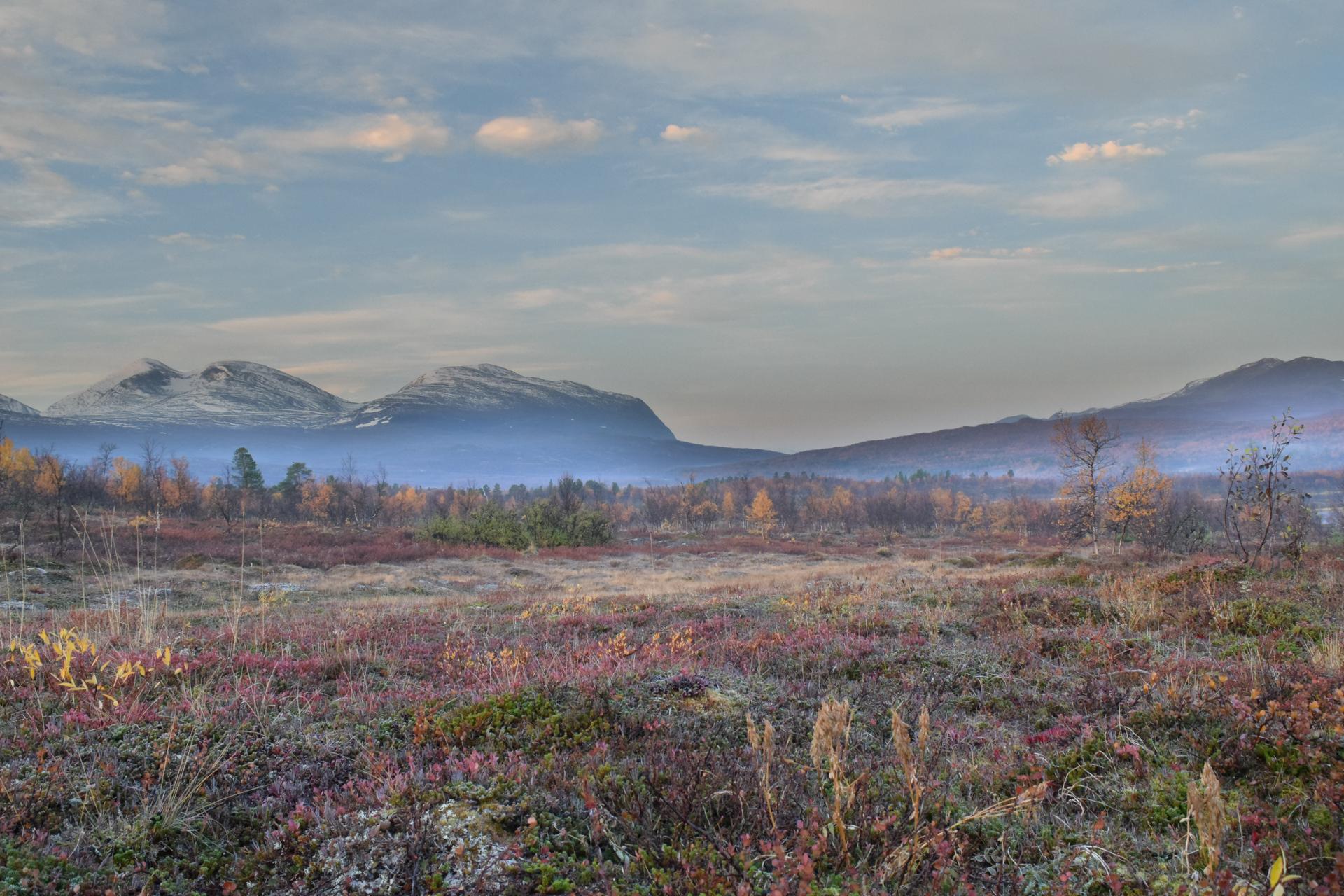
Looking beyond Agö lighthouse? Discover Norrland for broader travel guides, local hot-spots, and regional highlights.
Explore Norrland