Murberget County Museum, Norrland Travel Guide
Discover 9,000 years of northern Swedish heritage amid preserved buildings, interactive exhibits, and stunning coastal views at this free cultural gem on Murberget hill.
Nestled on the scenic Murberget hill in Härnösand, Västernorrlands Museum immerses visitors in 9,000 years of regional history through dynamic exhibitions, hands-on activities, and an expansive open-air museum. Explore archaeology, ethnology, art, and preserved buildings from rural and urban life in northern Sweden, all with free entry to this cultural treasure trove.
A brief summary to Murberget County Museum
- Västernorrlands museum, Murbergsvägen 31, Härnösand, 871 50, SE
- Click to display
- Click to display
- Duration: 1.5 to 3 hours
- Free
-
 Mixed
Mixed
- Mobile reception: 5 out of 5
- Monday 10 am-4 pm
- Tuesday 10 am-4 pm
- Wednesday 10 am-4 pm
- Thursday 10 am-4 pm
- Friday 10 am-4 pm
- Saturday 10 am-4 pm
- Sunday 10 am-4 pm

Know before you go
Hi, I'm Eve. Here are a few practical things to know before exploring Murberget County Museum.
- Visit in summer for full access to open-air building interiors and lively demonstrations.
- Combine your trip with a High Coast InfoPoint stop for UNESCO site details.
- Allow extra time for the uphill paths in the open-air area, especially with kids.
- Check the Swedish site calendar for special events using browser translation.
Do you manage this location?
Take control to get all the benefits, like improved information, better appearance, and stronger visibility across AI-powered discovery. Learn more about listing your business on Evendo
Activate your presenceOther nearby places you may find interesting
The closest places of the same kind, if this one is not quite what you had in mind.
Explore Murberget County Museum on the Map
A handpicked selection of must-see spots near Murberget County Museum, mapped for you.
Getting There
-
Bus
Regional buses from Härnösand center to Murberget stop, 15-20 minutes, every 30-60 minutes on weekdays, SEK 30-40 single ticket, limited service outside peak hours.
-
Driving
Drive from Härnösand centrum via Murbergsvägen, 10-15 minutes, free parking available at site, but spaces fill on weekends.
-
Walking
Hike from Härnösand train station uphill along marked paths, 40-50 minutes, moderate terrain with steady incline, paved sections for accessibility.
-
Taxi
Taxi from Härnösand airport or center, 10-15 minutes, SEK 200-300 depending on distance, available on demand with wheelchair options.
For the on-the-go comforts that matter to you
-
 Restrooms
-
 Drink Options
-
 Food Options
-
 Seating Areas
-
 Sheltered Areas
-
 Trash Bins
-
 Information Boards
Discover more about Murberget County Museum
Origins on Murberget Hill
Perched atop Murberget hill overlooking Härnösand and the Gulf of Bothnia, Västernorrlands Museum traces its roots to the early 20th century. Founded in 1909 by Theodor Hellman, inspired by Stockholm's Skansen, the museum aimed to recreate a miniature northern Swedish farming community. Hellman envisioned a hub for research, teaching, and preservation of culture, history, and nature in the north. His leadership until 1946 laid the foundation for what became one of Sweden's key county museums.The site evolved under subsequent directors, including Bo Hellman, who expanded urban exhibits and archaeological documentation across Västernorrland County. Today, it stands as the regional authority on cultural heritage, collaborating with local boards to protect sites and environments.Indoor Exhibitions of Living History
Inside the modern museum building, galleries unfold 9,000 years of Västernorrland's story. Permanent displays cover prehistory through industrial eras, blending archaeology, ethnology, and fine arts. Hands-on installations let visitors interact with artifacts, simulating daily life from Stone Age hunters to 19th-century farmers. Temporary exhibits highlight contemporary artists and rotating themes, ensuring fresh perspectives on regional identity.Art collections feature works by local talents, capturing the stark beauty of northern landscapes and coastal communities. Interactive zones engage all ages, with activities that bring abstract history into tangible experiences.Murberget Open-Air Legacy
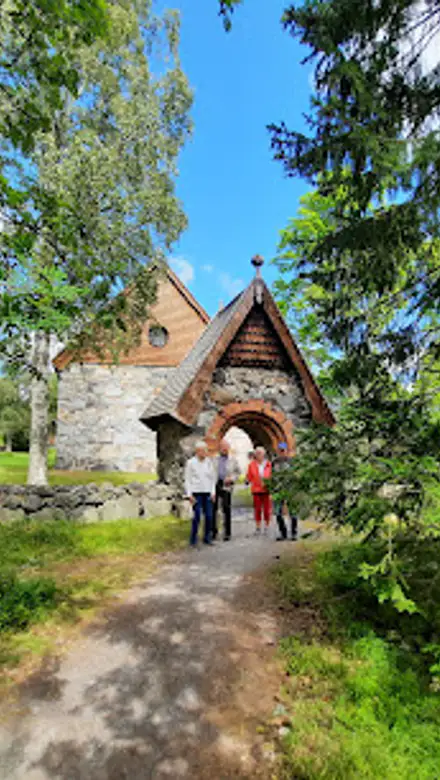
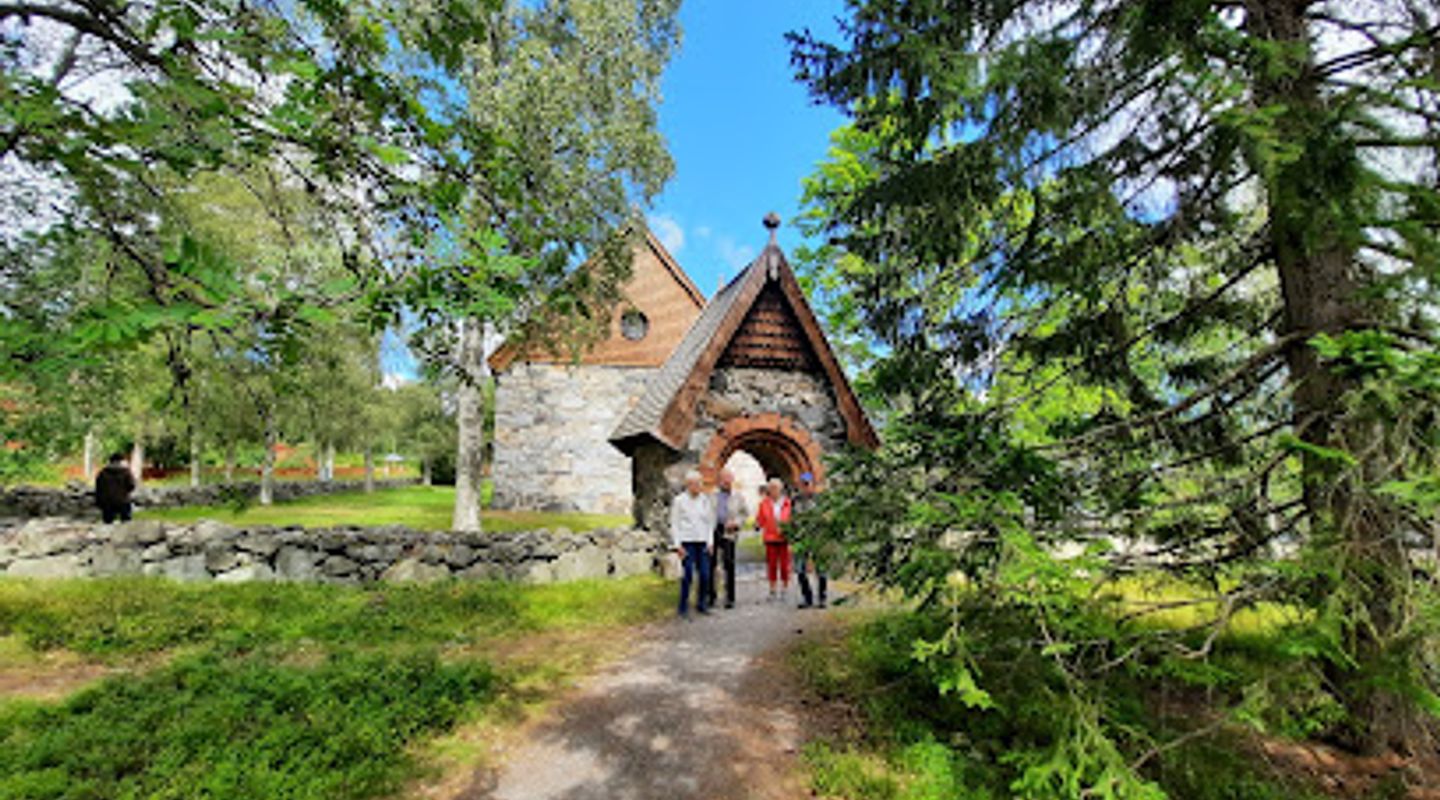
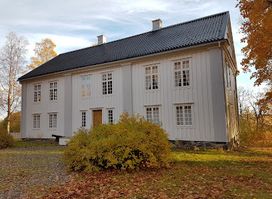
Sprawling across the hillside, the open-air section—Sweden's second largest after Skansen—transports you to bygone eras. Over 20 preserved buildings form a living village: timber farmhouses, barns, a schoolhouse, and workshops from the 18th and 19th centuries. During summer (June 16 to August 17), interiors open for guided peeks into furnished homes, complete with period tools and textiles.Wander paths lined with herb gardens and animal pens, evoking the self-sufficient homesteads of old Norrland. The site's elevation offers sweeping views, tying human history to the dramatic High Coast UNESCO landscape nearby.Cultural Threads and High Coast Ties
The museum weaves Västernorrland's diverse tapestry, from Sami influences to maritime traditions and industrial booms. Exhibits detail how glacial rebound shaped the High Coast, a UNESCO site the museum helps promote through InfoPoints and programs. Archaeological finds, like ancient settlements, underscore 9,000 years of habitation amid forests and fjords.Ethnological displays showcase crafts, festivals, and migrations, preserving dialects, costumes, and folklore unique to this coastal county.Year-Round Engagement
Open Tuesday to Sunday from 10am to 4pm, with summer daily access and select late evenings, the museum buzzes year-round. A café mirrors these hours, serving fika amid hilltop vistas. Free admission invites repeat visits, fostering community ties through events, workshops, and school programs that keep northern heritage vibrant.More to explore near Murberget County Museum













Your all‑in‑one travel companion app
Explore expert travel guides, compare and book tours, experiences, hotels, and more—all from the palm of your hand. Download now for seamless trip planning wherever your wanderlust takes you.


Explore More of Norrland
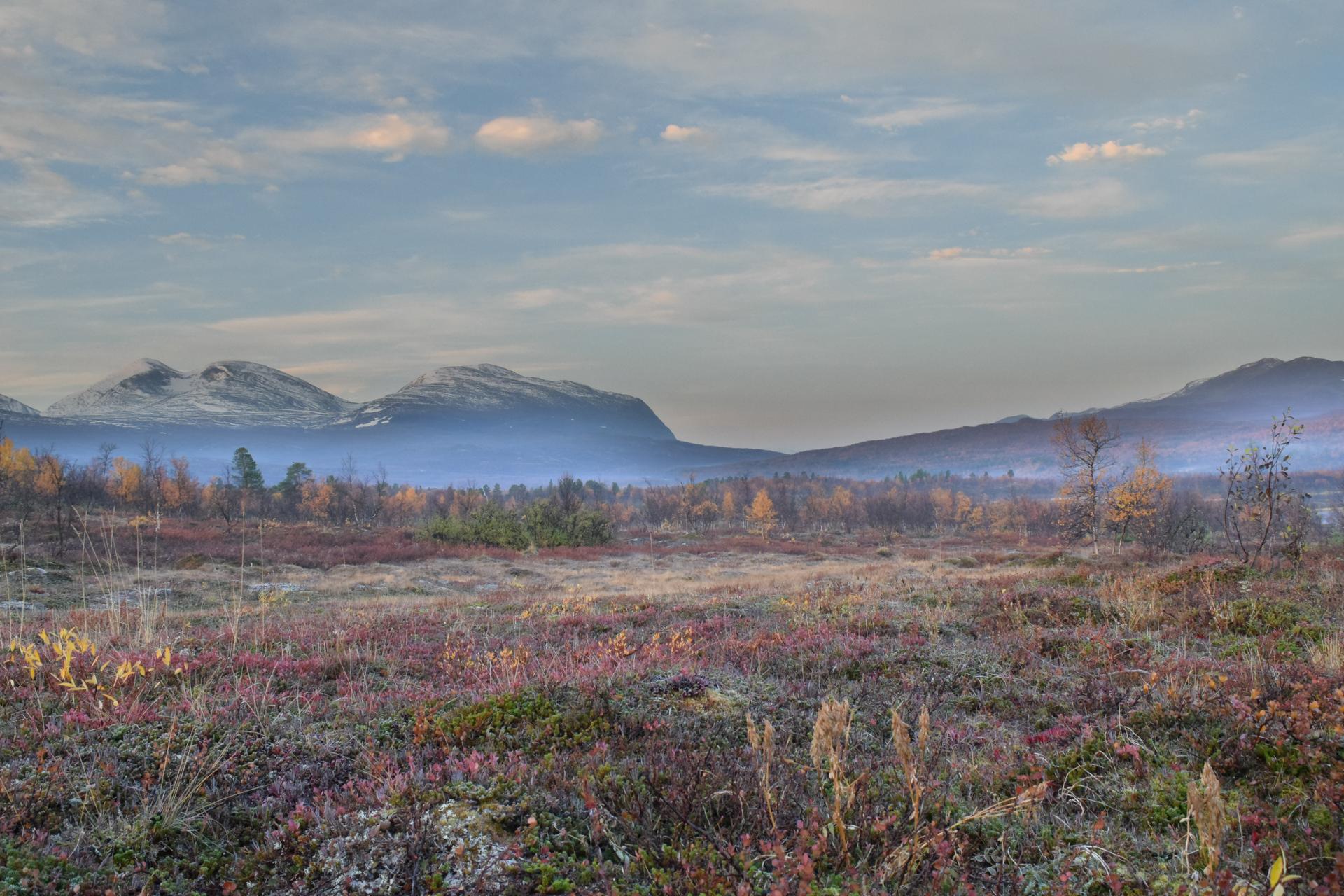
Looking beyond Murberget County Museum? Discover Norrland for broader travel guides, local hot-spots, and regional highlights.
Explore Norrland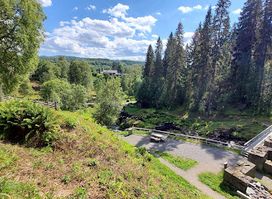
Sweden's soaring 90m waterfall in a historic ironworks valley: hike steep trails, spot rare birds, explore forest Finn heritage amid roaring cascades and lush nature.
Discover 10,000 years of Västernorrland's story at Sweden's expansive open-air museum with free entry, historic homes, and modern exhibits amid scenic hills.