

Free Norrland Travel Guide & Mobile App
Explore Norrland with free travel guides. Discover regional history, expert tips, proposed trips, and audio guides on web or mobile app.


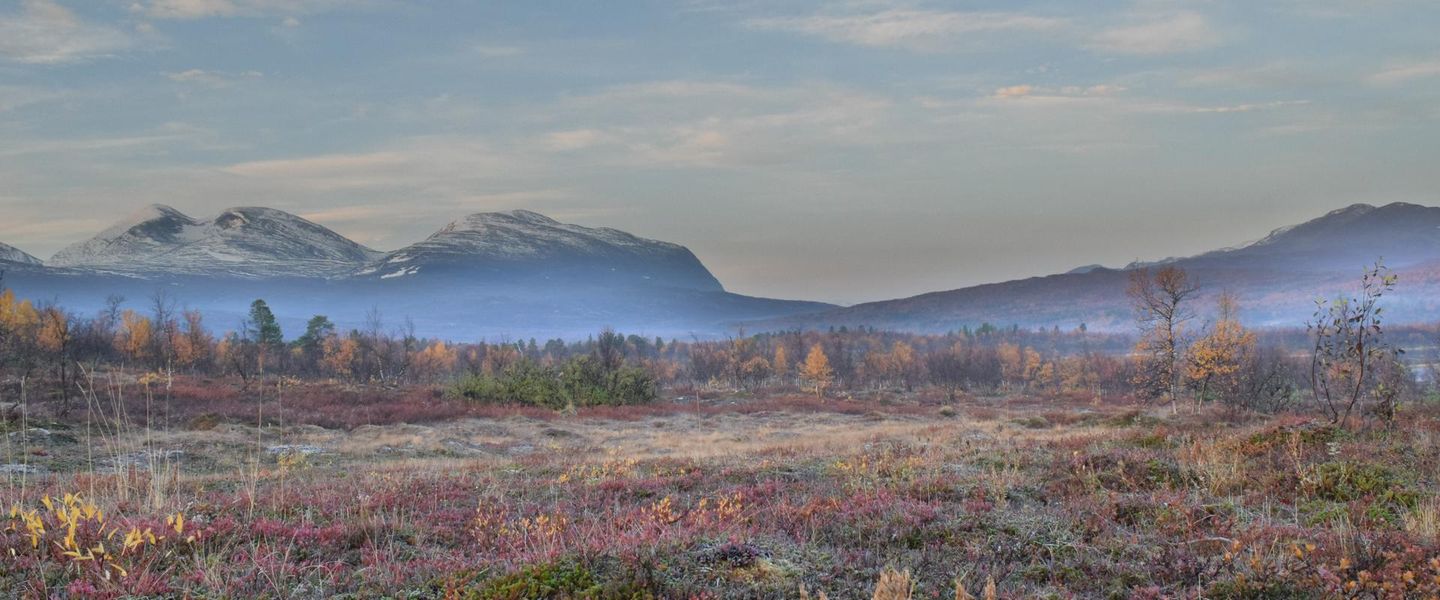


Explore Norrland’s Arctic mountains, Baltic coast, Sámi heritage, forest trails, historic towns and seasonal northern Swedish cuisine.
Read more about Norrland
When is the best time to visit Norrland?
Best: June–August · 18–21°C| Month | High (°C) | Rainfall (mm) |
|---|---|---|
| January | -5 | 40 |
| February | -4 | 35 |
| March | 0 | 35 |
| April | 6 | 40 |
| May | 13 | 45 |
| June (best) | 18 | 50 |
| July (best) | 21 | 55 |
| August (best) | 20 | 60 |
| September | 14 | 50 |
| October | 7 | 45 |
| November | 1 | 40 |
| December | -3 | 45 |
Getting to and around Norrland
How to get there
Transportation
Top city travel guides in Norrland
The cities of Norrland, and the easiest places to base yourself.
-

-

-

-

-


Swipe for more cities
Destinations in Norrland
Resorts, valleys and scenic spots worth a trip of their own.
-

-

-

-
-
-


Swipe for more destinations
Best attractions in Norrland
Norrland’s attractions range from accessible coastal cities to extensive mountain wilderness. Gävle and Sundsvall offer museums, historic streets and industrial heritage, while Umeå has a strong concentration of cultural institutions, galleries and public art. Around the High Coast, the landscape itself is the principal attraction: walking trails, islands, viewpoints and coastal communities reveal the geological uplift that shaped the area. Inland Jämtland and Härjedalen provide hiking, skiing, fishing and lake scenery, with Östersund acting as a useful cultural base. Farther north, Kiruna and Abisko open onto mountain trails, winter sports and Arctic landscapes. National parks including Abisko, Sarek, Padjelanta, Stora Sjöfallet and Skuleskogen protect very different environments, from alpine valleys to old coastal forest. The Laponian Area combines wilderness with living Sámi cultural landscapes, while the Gammelstad church town near Luleå offers a more concentrated heritage experience. Wildlife watching, canoeing, snowmobiling through authorised providers and northern-lights excursions are seasonal activities, and the most remote experiences require equipment, transport and weather planning.
-
Shopping mall
Westfield Mall of Scandinavia
Scandinavia's grandest retail realm: 224 stores, global eats, IMAX thrills, and soaring spaces in Stockholm's Arenastaden hub.
-
 Restaurant
Hotel High Coast
A family-run coastal hotel with panoramic views of the Ångermanälven and the High Coast Bridge, local cuisine and a sustainability focus.
-
Tourist attraction
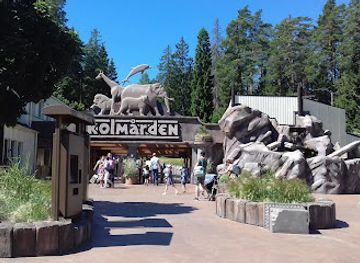
Tropicarium Kolmarden
Sweden's indoor tropical escape: sharks, rays, lemurs, and jungle wonders await in climate-controlled bliss next to Kolmården Zoo.
-
Tourist attraction
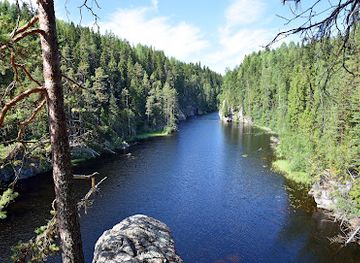
Döda fallet
A stark, sculpted riverbed born of the 1796 Ragunda disaster—raw geology, human drama and exposed history where a waterfall once thundered.
Best landmarks in Norrland
The High Coast’s wooded headlands, islands and steep shorelines form one of Norrland’s most recognisable natural landmarks, expressing the continuing rise of land released from the Ice Age sea. Gammelstad church town near Luleå is a major cultural landmark: its stone church and hundreds of wooden church cottages preserve the historic pattern used by rural worshippers who travelled to services. In Sundsvall, the rebuilt stone city centre records the town’s prosperity and reconstruction after the great fire of 1888. The mountain profile around Åreskutan is a defining landmark of western Jämtland, while the Abisko valley and surrounding peaks provide one of Sweden’s most memorable Arctic mountain settings. The wooden church at Skellefteå’s Bonnstan, used historically by people travelling to church from outlying communities, illustrates the importance of seasonal religious settlements in northern Sweden. In the far north, Kiruna’s relocated townscape and mining infrastructure reveal how extraction continues to shape the built environment. Across the region, major rivers, forests and open mountain plateaux are landmarks in their own right, but should be approached as working and culturally significant landscapes rather than empty scenery.
-
Tourist attraction
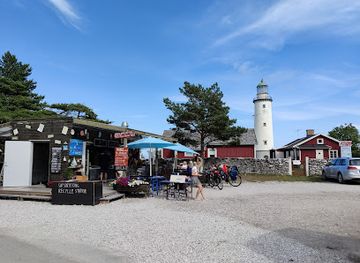
Fårö Lighthouse
Historic beacon on Fårö's edge: windswept views, maritime tales, and Baltic serenity await at this iconic coastal landmark.
-
Tourist attraction
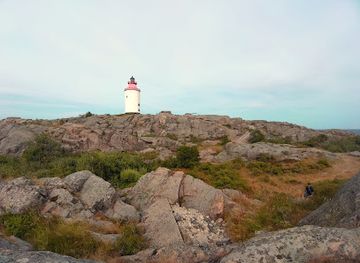
Landsorts fyr
Sweden's oldest lighthouse crowns Öja's wild southern tip, where Baltic winds whisper tales of defense, birdsong, and timeless coastal serenity in Stockholm's outermost archipelago.
-
Tourist attraction
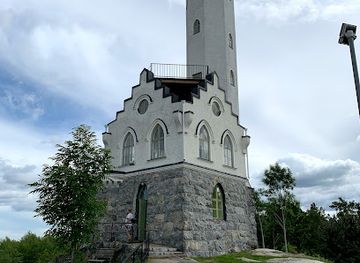
Oscarsborg
Söderhamn's iconic lookout tower on Östra Berget, blending panoramic views, community history, and seasonal charm since 1895.
-
Restaurant
Länsmansgården Ådalen
Rustic Swedish guesthouse in High Coast serenity: homemade feasts, 180+ whiskies, lush gardens, and cozy rooms amid UNESCO landscapes.
Explore Norrland on the map
Plan your trip on one map. See where the top cities, national parks and sights are, and book hotels and experiences in a few clicks.
Best hotels in Norrland
Best restaurants in Norrland
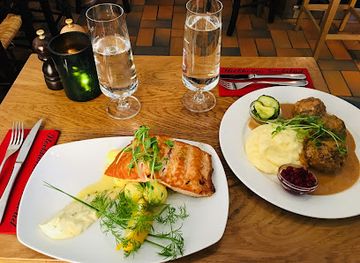
Norrland’s food reflects forests, rivers, the Baltic coast and a short growing season. Restaurants and cafés serve fish such as Arctic char and vendace, locally sourced game, reindeer in appropriate contexts, mushrooms, berries and root vegetables, while cloudberries are a characteristic northern ingredient. Västerbotten cheese is a well-known regional product, and crispbreads, tunnbröd and other flatbreads are common across northern Sweden. Coastal towns tend to offer the broadest choice, from contemporary restaurants and seafood cooking to bakeries and cafés, while inland communities may centre on traditional dishes, game and locally produced dairy. Östersund has a particularly strong food identity, and markets and farm shops are useful places to find seasonal produce. The best regional cooking is often straightforward and ingredient-led rather than heavily spiced, matching the importance of preservation, smoking, drying and baking in northern food traditions.
-
Scandinavian
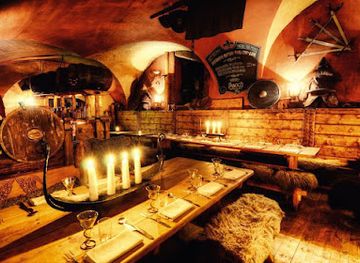
Aifur
A candlelit Viking longhouse in Gamla Stan serving hearty Nordic feasts, meads and live music for a theatrical, communal evening.
-
Swedish
Stockholms Gästabud
A cosy, no‑frills Gamla Stan bistro serving classic Swedish dishes — meatballs, pickled herring and seasonal game in an intimate old‑town room.
-
Swedish
Restaurant Tradition
Authentic Swedish pantry cooking in cosy Gamla Stan — classic dishes, seasonal touches and a warm, tavern-like atmosphere.
-
Restaurant
Slingerbulten
A compact, history‑steeped Old Town restaurant serving sturdy Swedish classics—meatballs, fish soup and seasonal plates in a cosy 18th‑century setting.

Best bars in Norrland
Norrland’s evening life is concentrated in its larger towns rather than spread evenly across the region. Umeå, Sundsvall, Luleå, Gävle and Östersund have the widest selection of pubs, wine bars, cocktail venues, live music, theatres and late-night establishments, supported in some places by sizeable student populations. Smaller communities generally favour traditional pubs, hotel bars, cafés that serve alcohol and restaurants, with occasional live music or seasonal events. Mountain resorts add après-ski venues during the winter season, while coastal towns can become busier in summer. Breweries and locally produced drinks are increasingly visible, but alcohol is expensive by international standards and regulated nationally. In remote areas, evening plans are more likely to involve a sauna, a fireside meal, stargazing or the northern lights than a nightclub.
-
Cocktail bar
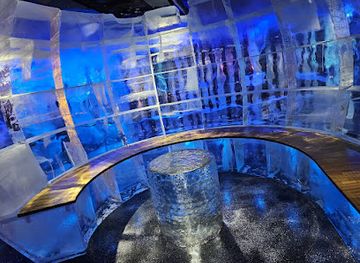
ICEBAR Stockholm by ICEHOTEL
Chill in the world's first permanent icebar: sip from frozen glasses amid sculpted Arctic wonders at -5°C in central Stockholm.
-
Bar
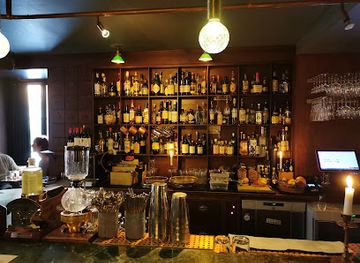
Pharmarium
Alchemy reborn: Prize-winning cocktails in Sweden's first apothecary site, blending 1575 mystique with Gamla Stan's historic heartbeat.
-
Bar
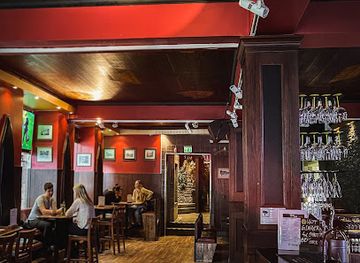
The Temple Bar
Lively Irish pub in Gamla Stan serving late-night grub, live tunes, and sports amid historic Stockholm vibes—open till 3am daily.
-
Bar
Tjoget
Mediterranean‑tinged cocktails, tapas-style plates and a lively Hornstull ambience in a polished bar setting.

Best nightclubs in Norrland
Norrland’s evening life is concentrated in its larger towns rather than spread evenly across the region. Umeå, Sundsvall, Luleå, Gävle and Östersund have the widest selection of pubs, wine bars, cocktail venues, live music, theatres and late-night establishments, supported in some places by sizeable student populations. Smaller communities generally favour traditional pubs, hotel bars, cafés that serve alcohol and restaurants, with occasional live music or seasonal events. Mountain resorts add après-ski venues during the winter season, while coastal towns can become busier in summer. Breweries and locally produced drinks are increasingly visible, but alcohol is expensive by international standards and regulated nationally. In remote areas, evening plans are more likely to involve a sauna, a fireside meal, stargazing or the northern lights than a nightclub.
-
Night club
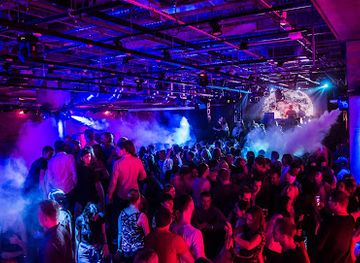
Colosseum Nightclub
A high‑capacity, industrial‑scale nightclub in Johanneshov known for late‑night DJ sets, a huge dance floor and big PA and lighting production.
-
Night club
Rose Club
A velvet‑lined late‑night club in central Stockholm where DJ sets, rose motifs and intimate glamour fuel the dancefloor until dawn.
-
Night club
Sense Stockholm
A compact, late-night club on Jakobsbergsgatan that turns a central Stockholm night into a focused dance-and-drinks experience.
-
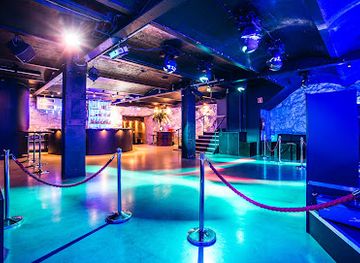
Night club
Klubb Blå
Dive into the heart of Stockholm's nightlife at Klubb Blå, where music, dance, and new friendships await.


Best shops in Norrland
Shopping in Norrland is strongest in the coastal towns and regional centres, where pedestrian high streets, department stores, independent shops, galleries and food retailers serve both residents and visitors. Umeå, Sundsvall, Gävle, Östersund and Luleå offer the broadest general choice, while smaller market towns are better for local produce, outdoor equipment, antiques and practical supplies. Look for Västerbotten cheese, crispbread, berry products, smoked or preserved foods, woollen goods and regional cookbooks. Sámi handicrafts, including carefully made items in wood, leather and textile, should be bought from reputable makers or Sámi-owned businesses rather than treated as generic souvenirs. Mountain resorts add specialist clothing, equipment and craft shops, while rural farm shops sell seasonally available produce. Markets vary by place and season, so confirm current dates locally; in remote districts, shopping options become limited once outside the main settlements.
-
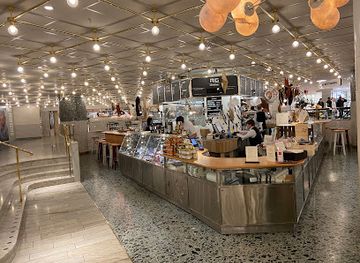
Department store
NK Stockholm
Sweden's grandest luxury department store since 1915: Art Nouveau elegance meets world-class fashion, design, and gourmet delights on Hamngatan.
-
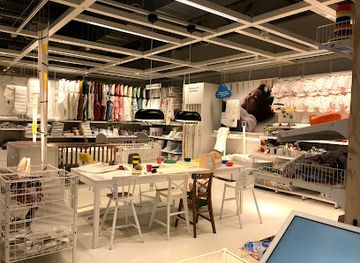
Furniture store
IKEA
Large-format IKEA in Sundsvall with full home-furnishing departments, restaurant and Click & Collect for practical, budget-smart shopping.
-
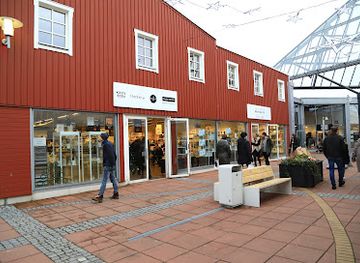
Shopping mall
Hede Fashion Outlet
Discover 150+ brands at up to 70% off in Kungsbacka's traffic-free outlet paradise, blending fashion, dining, and deals just 30 minutes from Gothenburg.
-
Souvenir store
Haga of gothenburg
Discover authentic Swedish handicrafts and folk art at this beloved souvenir shop in Gothenburg's charming Haga district, where quality meets historic charm on cobblestone Haga Nygata.
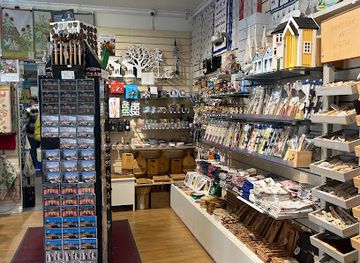
Get your free copy of our complete guide to Norrland, delivered straight to you.
Everything on this page, from attractions and restaurants to essentials and local phrases, in one PDF you can read offline, print or share.
Already have an account? Sign in
Your Norrland guide is ready.
We'll send it to · Not you? Sign out

Getting your guide ready…
We are putting together a fresh copy of the Norrland guide. This can take up to a minute.
This can take a few moments. If your browser asks, choose Allow so the download can start. You'll find the guide in your Downloads folder.
Nothing happened? Download it again
Sorry, the guide is taking longer than usual. Please try again in a minute, or get it by email instead.
Norrland essentials
Currency and Payment
Safety
Emergency Situations
Do's and Don'ts
Local Tips
From Eve
Local phrases worth knowing
You don't need to get them perfect. A few words go a long way, and locals appreciate the effort.
Basics
| English | Local | Say it |
|---|---|---|
| Hello | Hej | [hay] |
| Goodbye | Hejdå | [hay-daw] |
| Yes | Ja | [yah] |
| No | Nej | [nay] |
| Please/You're welcome | Varsågod | [var-shoh-good] |
| Thank you | Tack | [tack] |
| Excuse me/Sorry | Ursäkta | [oor-sehk-tah] |
| How are you? | Hur mår du? | [hoor mohr doo] |
| Fine. And you? | Bra. Och du? | [brah. ohk doo] |
| Do you speak English? | Talar du engelska? | [tah-lahr doo eng-el-skah] |
| I don't understand | Jag förstår inte | [yahg fur-stor in-teh] |
Eating & Drinking
| English | Local | Say it |
|---|---|---|
| I'd like to see the menu, please | Jag skulle vilja se menyn, tack | [yahg skoo-leh vil-yah seh men-yun, tack] |
| I don't eat meat | Jag äter inte kött | [yahg eh-ter in-teh shote] |
| Cheers! | Skål! | [skawl] |
| I would like to pay, please | Jag skulle vilja betala, tack | [yahg skoo-leh vil-yah beh-tah-lah, tack] |
Emergencies
| English | Local | Say it |
|---|---|---|
| Help! | Hjälp! | [yelp] |
| Go away! | Gå iväg! | [gaw ee-vayg] |
| Call the Police! | Ring polisen! | [ring po-lee-sen] |
| Call a doctor! | Ring en läkare! | [ring en leh-kah-reh] |
| I'm lost | Jag är vilse | [yahg air vil-seh] |
| I'm ill | Jag är sjuk | [yahg air shoo-k] |
Shopping
| English | Local | Say it |
|---|---|---|
| I'd like to buy... | Jag skulle vilja köpa... | [yahg skoo-leh vil-yah shur-pah] |
| I'm just looking | Jag tittar bara | [yahg ti-tar bar-ah] |
| How much is it? | Hur mycket kostar det? | [hoor myu-ket koh-star deh] |
| That's too expensive | Det är för dyrt | [deh air fur deer-t] |
| Can you lower the price? | Kan du sänka priset? | [kan doo sen-kah pree-set] |
Time & Numbers
| English | Local | Say it |
|---|---|---|
| What time is it? | Vad är klockan? | [vahd air clock-an] |
| It's one o'clock | Det är ett på klockan | [deh air ett paw clock-an] |
| Half past (10) | Halv (10) | [halv (ten)] |
| Morning | Morgon | [mor-gon] |
| Afternoon | Eftermiddag | [ef-ter-mid-dahg] |
| Evening | Kväll | [kveh-l] |
| Yesterday | Igår | [ee-gor] |
| Today | Idag | [ee-dahg] |
| Tomorrow | Imorgon | [ee-mor-gon] |
| 1 | 1 | [ett] |
| 2 | 2 | [två] |
| 3 | 3 | [tre] |
| 4 | 4 | [fyra] |
| 5 | 5 | [fem] |
| 6 | 6 | [sex] |
| 7 | 7 | [sju] |
| 8 | 8 | [åtta] |
| 9 | 9 | [nio] |
| 10 | 10 | [tio] |
Transport & Directions
| English | Local | Say it |
|---|---|---|
| Where's a/the...? | Var ligger en...? | [var li-ger en] |
| What's the address? | Vad är adressen? | [vahd air ad-res-sen] |
| Can you show me (on the map)? | Kan du visa mig (på kartan)? | [kan doo vee-sah mayg (paw kar-tan)] |
| When's the next (bus)? | När går nästa (buss)? | [nair gor nes-ta (boos)] |
| A ticket (to ....) | En biljett (till ....) | [en bil-yet (til)] |
History of Norrland
Ancient settlement and Sámi land use
People have lived across Norrland since the retreat of the last Ice Age, following changing coastlines, rivers, forests and seasonal animal migrations. Archaeological evidence includes trapping systems, hearths, settlement sites and rock art. Sámi communities developed extensive seasonal patterns of movement and resource use across northern and inland areas, with reindeer husbandry becoming increasingly important over time. Norrland was never an empty wilderness: its landscapes have long been shaped by Indigenous knowledge, fishing, hunting, craft production and trade. These histories remain visible in cultural landscapes and in the continued use of traditional Sámi territories.
Medieval expansion and Christian settlement
During the Middle Ages, the Swedish Crown and Church extended their influence northwards through taxation, missionary activity, settlement and the development of trading links. Coastal farming communities became more closely connected to the Swedish realm, while inland and mountain areas retained different patterns of land use and authority. Churches and market places helped anchor emerging settlements, and routes through river valleys connected the coast with communities inland. The process was gradual and often contested, particularly where state and church institutions encountered established Sámi economies and social structures.
Coastal towns, trade and regional administration
Towns such as Gävle, Sundsvall, Härnösand, Umeå, Piteå and Luleå grew as centres for trade, administration and shipping. Their Baltic connections linked Norrland to Stockholm, Finland and wider European markets, while inland products moved towards the coast by river and road. Timber, tar, fish and agricultural goods were significant commodities. Fire, war and changing harbours repeatedly altered the towns, but surviving streets, churches, warehouses and civic buildings still reveal the importance of maritime commerce in the development of northern Sweden.
The timber and industrial transformation
From the nineteenth century, expanding European demand for timber transformed Norrland’s river valleys and coastal towns. Sawmills multiplied around places such as Sundsvall and along the Gulf of Bothnia, while forests became increasingly integrated into industrial markets. Railways and improved roads accelerated the movement of logs, goods and people. The transformation brought employment and urban growth but also involved intensive resource extraction and difficult labour conditions. Much of modern Norrland’s settlement pattern, industrial heritage and economic geography still reflects this sawmill and forestry era.
Hydropower, mining and the northern railway
Industrialisation continued through hydropower and mining, especially in the far north. The construction of railways connected mining districts and inland communities with ports, while hydroelectric projects harnessed the major rivers to supply industries across Sweden. Iron ore from the Kiruna area became central to the national economy, and mines, railways and planned settlements reshaped the mountain region. These developments also altered river ecosystems and land-use patterns, creating enduring debates about industrial progress, environmental protection and Sámi rights.
War, neutrality and twentieth-century change
Norrland’s proximity to Finland gave the region strategic importance during the Second World War, when Sweden remained neutral but received refugees and managed a sensitive northern frontier. Military infrastructure and transport routes expanded, while towns and industries contributed to the national wartime economy. After 1945, urbanisation and mechanisation reduced the population of many small rural communities, even as regional centres grew. Improved education, healthcare, roads and communications changed daily life, but the contrast between expanding towns and depopulating inland districts remains a major regional issue.
Heritage, environmental protection and contemporary identity
Late twentieth- and early twenty-first-century Norrland has seen greater emphasis on conservation, cultural tourism and the recognition of Sámi cultural rights. The High Coast and the Laponian Area gained UNESCO World Heritage status for their geological, cultural and natural significance, while national parks protect extensive mountain and forest landscapes. At the same time, forestry, mining, energy production and new industrial investment remain economically important. Norrland’s present identity is therefore shaped by both wilderness protection and active resource-based communities rather than by an opposition between nature and modern life.
Norrland in Photos
Browse through our photo collection highlighting the charm and character of the destination.
Neighbouring regions of Norrland
The closest regions to Norrland, if you have time for more than one.
-

-

-

-

-


Swipe for more regions
Explore more
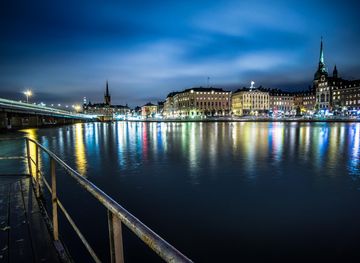
Explore more of Sweden
Discover Sweden's breathtaking landscapes, vibrant cities, and rich cultural heritage. From the Northern Lights to historic castles, experience the essence of Scandinavia.
Explore Sweden