

Häxberget Travel Guide
Free Guide: A stark, reflective hillside where 71 men, women and children were executed in 1675 — today a memorial landscape linked to a nearby museum.


A brief summary of Häxberget
A stark, reflective hillside where 71 men, women and children were executed in 1675 — today a memorial landscape linked to a nearby museum.
Häxberget, also known historically as Bålberget, is the hillside near Bollstabruk where one of Sweden’s worst episodes of witch trials culminated on 1 June 1675 when 71 people were executed. Today the site is a quiet, memorial landscape of rock, forest and interpretive signage linked to a nearby museum that examines the events, their social context and their echoes in modern culture.
On-site amenities
 Information boards
Opening hours
- Every dayOpen 24 hours
Opening hours as listed on the venue’s Google Business Profile. Hours can change for services and special events, so check with the venue before you go.
- Address
- 873 92 Bollstabruk
- Website
Getting there
Car (regional road)
Local bus + short walk
Guided educational visit (museum-coordinated)
Discover more about Häxberget
Origins and the grim year of 1675
Häxberget sits above the Ångermanland countryside as a place where local judicial and ecclesiastical power converged in a single, tragic event: the mass executions that followed the Torsåker witch trials. In the spring of 1675 a state commission and local authorities condemned dozens of parishioners from Torsåker, Dal and Ytterlännäs; on 1 June that year seventy-one people were taken to the slope now known as Häxberget, halshugged and burned — a method and scale that mark the site as one of Sweden’s most notorious episodes of witch persecution.
The landscape as witness
The hill (traditionally called Bålberget) is not an urban monument but a natural place: exposed rock, mixed forest and grassy clearings that hold traces of footpaths and small memorial markers. The terrain itself emphasises distance and exposure — the slope that once hosted pyres and executions still reads as a commanding, solitary feature in the pastoral setting. Geological features and the pattern of glacially scoured bedrock shape the slopes and offer small vantage points where the light shifts as the day progresses.
Memory, archaeology and interpretation
Scholars and local researchers have investigated the site: soil analyses and historical records have helped confirm that Bålberget and Häxberget are the same place associated with the 1675 executions. Contemporary interpretation is careful and reflective rather than celebratory; on-site information panels and the nearby Häxmuseet at Hola Folkhögskola expand the context, explaining the legal procedures, the role of clergy and the wider social anxieties of the late 17th century. The memorial landscape encourages quiet reflection and historical learning.
Visitor experience and atmosphere
Visiting Häxberget is an experience of atmospherics: wind through the trees, the smell of moss and leaf litter, the tactile cool of stone underfoot and an openness that draws attention inward. There are no grand monuments; instead the site offers a subdued, austere setting that invites respectful attention to a violent past. Interpretive boards are discreet; nearby paths are of natural surface and may be uneven, underlining the location’s rural character.
Connections to local culture and education
Häxberget is part of a network of local memory that includes Torsåker parish sites and the Häxmuseet, where exhibitions use both traditional displays and digital storytelling to situate the trials in broader regional and legal history. The site is used for educational visits, commemorative reflection and scholarly inquiry — a reminder of how local events can illuminate national shifts in law, religion and social relations.
Practical considerations at the site
The place is outdoors and seasonal conditions affect access: trails may be soft in spring and autumn, and winters bring snow and ice. Infrastructure is minimal by design: expect natural paths, a modest information panel and limited visitor facilities in the immediate area, with more comprehensive interpretation and amenities at the nearby museum. The atmosphere is sober and contemplative; the setting works best for those who want historical depth and a reflective visit rather than commercial or entertainment-focused experiences.
Evendo Review Centre
 Google
Guest reviews
Best time to go
Quietest: Jan, Feb & Dec · before 8am or from 8pm
Busy times are Evendo estimates for a typical year, to help you plan. Actual crowds vary with events, school holidays and the weather.
Explore Häxberget on the map
A handpicked selection of must-see spots near Häxberget, mapped for you.
Get your free copy of our complete guide to Häxberget, delivered straight to you.
Everything on this page, from opening hours and how to get there to Eve’s tips and the best time to go, in one PDF you can read offline, print or share.
Already have an account? Sign in
Your Häxberget guide is ready.
We'll send it to · Not you? Sign out

Getting your guide ready…
We are putting together a fresh copy of the Häxberget guide. This can take up to a minute.
This can take a few moments. If your browser asks, choose Allow so the download can start. You'll find the guide in your Downloads folder.
Nothing happened? Download it again
Sorry, the guide is taking longer than usual. Please try again in a minute, or get it by email instead.
Other nearby places you may find interesting
The closest places of the same kind, if this one is not quite what you had in mind.
-
-
-
-
-


Swipe for more places
More to explore near Häxberget

 Best experiences near Häxberget
 Best hotels near Häxberget
 Best landmarks near Häxberget
 Best attractions near Häxberget
 Best shops near Häxberget
 Best restaurants near Häxberget
 Best bars near Häxberget
Do you manage this location?
Take control to get all the benefits, like improved information, better appearance, and stronger visibility across AI-powered discovery.
Explore more
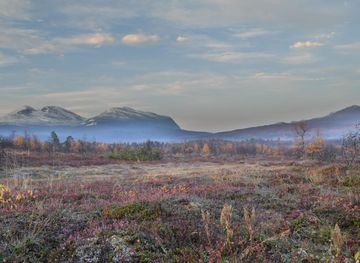
Explore more of Norrland
Experience the Magic of Norrland: Northern Lights, Midnight Sun, and Rich Cultural Heritage in Sweden's Northernmost Wonderland.
Explore Norrland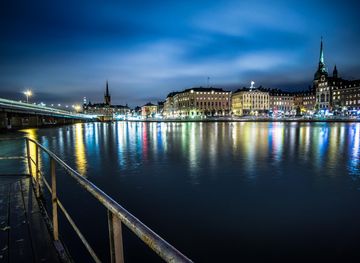
Explore more of Sweden
Discover Sweden's breathtaking landscapes, vibrant cities, and rich cultural heritage. From the Northern Lights to historic castles, experience the essence of Scandinavia.
Explore Sweden
