

Korallgrottan Travel Guide
Free Guide: Sweden’s longest marble karst cave: cool, coral‑like speleothems and true caving deep inside a protected northern Jämtland reserve.


A brief summary of Korallgrottan
Sweden’s longest marble karst cave: cool, coral‑like speleothems and true caving deep inside a protected northern Jämtland reserve.
Korallgrottan, Sweden’s longest known cave system, lies in the karst landscape between Stora Blåsjön and Leipikvattnet in northern Jämtland. A marble karst cave with coral‑like white formations, multiple entrances and several kilometres of passages, it sits inside a protected nature reserve and is visited via guided caving trips; its cool, otherworldly passages reveal delicate speleothems and narrow, true‑caving sections.
On-site amenities
 Information boards
 Seating areas
 Trash bins
- Address
- 833 99 Stora Blåsjön
Getting there
Car / Private vehicle
Guided transfer with local outfitter
Hike from nearby access points
Discover more about Korallgrottan
A cavern carved by water and time
Korallgrottan is a marble karst system formed when groundwater slowly dissolved channels through limestone and marble after the last Ice Age. Over millennia running water hollowed tunnels and chambers, leaving behind the delicate, white, coral‑shaped dripstone that gives the cave its name. The cave environment stays near freezing temperatures year‑round and the low, winding passages preserve fragile mineral formations that grew at a rate measured in millimetres per century.
Scale, entrances and the protected landscape
Measured exploration has revealed several kilometres of mapped passages, making Korallgrottan the longest known cave in Sweden. The system has multiple natural openings — historically referred to by names such as the Doline Entrance, Skymningsgrottan and Klyftgrottan — and sits within a larger nature reserve established to protect the karst terrain and its hydrology. The surrounding reserve contains a patchwork of streams, sinkholes and bare marble outcrops that reveal the geological thread connecting caves and surface water.
The cave’s character: narrow, cool and intimate
Korallgrottan is not a show cave; large sections are low, narrow and demand caving techniques. Expect passages that require crawling, stooping and the careful negotiation of wet rock floors. Temperatures remain low and light is absent beyond the entrance, so the cave reads as an intimate, sensory place: echoing drops, the metallic smell of damp marble, the visual contrast of white speleothems against dark rock, and the hush that falls as soon as your helmet light sweeps over a chamber wall.
Wild cave etiquette and conservation importance
As part of a protected area, Korallgrottan’s formations and subterranean ecosystems are highly vulnerable to disturbance. The nature reserve status emphasises low‑impact visitation; access is normally managed and entry without experienced guidance or permission risks damaging delicate surfaces and altering the cave’s microclimate. The reserve also preserves surface features — sinkholes, streams and sparse alpine vegetation — that are integral to the cave’s ongoing geological processes.
Visitor experience: guided caving and what to expect
Visits are typically offered as specialist guided caving trips rather than casual walks. Guides provide technical equipment, route planning, and safety oversight; tours can include tight squeezes, laddered sections and wet crawls depending on the itinerary. Because sections are physically demanding and dark, the experience is best for visitors prepared for genuine caving: sturdy clothing, layered insulation against the cold, and a willingness to move slowly and deliberately through confined rockwork.
Why Korallgrottan matters regionally
Korallgrottan sits within a distinctive karst belt that also includes neighbouring protected areas and river systems, making it an important geological and hydrological landmark for northern Jämtland. Its relatively late discovery and subsequent mapping contributed to scientific knowledge about Scandinavian post‑glacial cave development and karst processes. For the adventurous traveller it offers a rare chance to experience a subterranean landscape that remains largely shaped by natural processes rather than artificial lighting or heavy infrastructure.
Evendo Review Centre
 Google
Guest reviews
Best time to go
Quietest: Jan, Feb & Dec · before 7am
Busy times are Evendo estimates for a typical year, to help you plan. Actual crowds vary with events, school holidays and the weather.
Explore Korallgrottan on the map
A handpicked selection of must-see spots near Korallgrottan, mapped for you.
Get your free copy of our complete guide to Korallgrottan, delivered straight to you.
Everything on this page, from opening hours and how to get there to Eve’s tips and the best time to go, in one PDF you can read offline, print or share.
Already have an account? Sign in
Your Korallgrottan guide is ready.
We'll send it to · Not you? Sign out

Getting your guide ready…
We are putting together a fresh copy of the Korallgrottan guide. This can take up to a minute.
This can take a few moments. If your browser asks, choose Allow so the download can start. You'll find the guide in your Downloads folder.
Nothing happened? Download it again
Sorry, the guide is taking longer than usual. Please try again in a minute, or get it by email instead.
Other nearby places you may find interesting
The closest places of the same kind, if this one is not quite what you had in mind.
-
-
-
-
-


Swipe for more places
More to explore near Korallgrottan

 Best experiences near Korallgrottan
 Best hotels near Korallgrottan
 Best landmarks near Korallgrottan
 Best attractions near Korallgrottan
 Best shops near Korallgrottan
 Best restaurants near Korallgrottan
 Best bars near Korallgrottan
Do you manage this location?
Take control to get all the benefits, like improved information, better appearance, and stronger visibility across AI-powered discovery.
Explore more
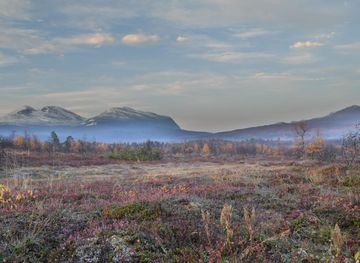
Explore more of Norrland
Experience the Magic of Norrland: Northern Lights, Midnight Sun, and Rich Cultural Heritage in Sweden's Northernmost Wonderland.
Explore Norrland
Explore more of Sweden
Discover Sweden's breathtaking landscapes, vibrant cities, and rich cultural heritage. From the Northern Lights to historic castles, experience the essence of Scandinavia.
Explore Sweden
