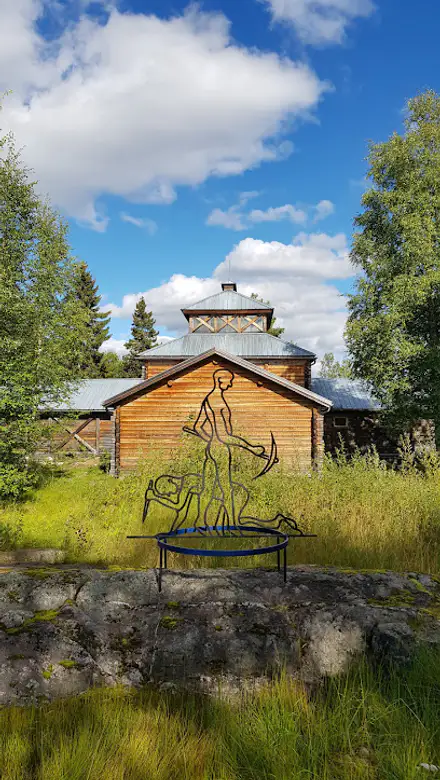
Loos Cobalt Mine Travel Guide
Free Guide: Descend into 18th-century tunnels where cobalt forged blue masterpieces and nickel was born—Sweden's revived mining gem amid whispering forests.


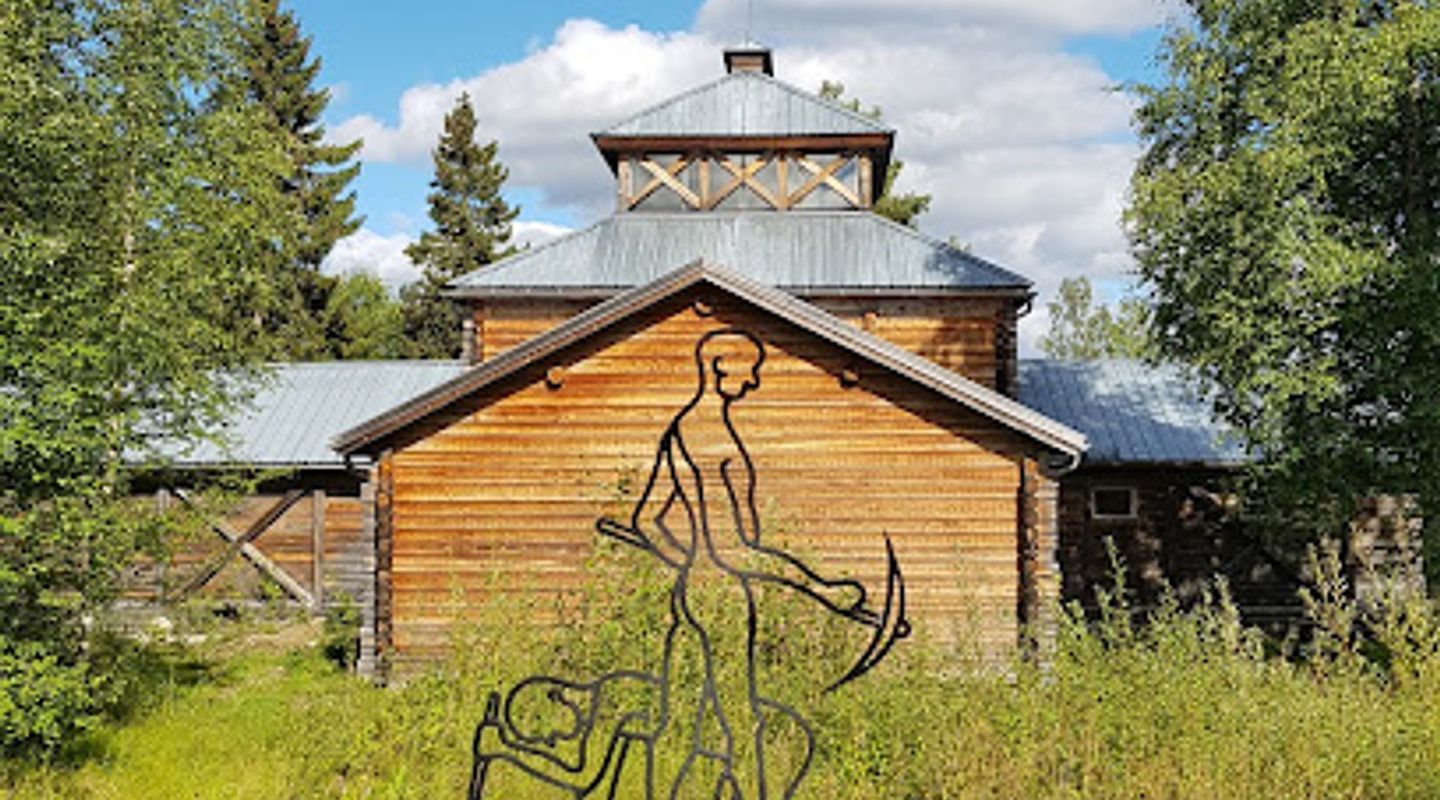
A brief summary of Loos Cobalt Mine
Descend into 18th-century tunnels where cobalt forged blue masterpieces and nickel was born—Sweden's revived mining gem amid whispering forests.
Step into Sweden's historic Loos Cobalt Mine, where 18th-century industrial ingenuity unearthed cobalt for vibrant blue pigments and led to the discovery of nickel. Explore underground tunnels via guided tours, view mineral exhibits, and discover the site's revival as a captivating tourist attraction in the serene village of Los. Open daily with affordable entry, offering restrooms, souvenirs, and ice cream on site.
On-site amenities
 Restrooms
 Drink options
 Food options
 Seating areas
 Trash bins
 Information boards
Opening hours
- Every day10 am–5 pm
Opening hours as listed on the venue’s Google Business Profile. Hours can change for services and special events, so check with the venue before you go.
- Address
- Pokerbacken 17, 827 70 Los
- Phone
- Website
Getting there
Car
Bus
Taxi
Discover more about Loos Cobalt Mine
Origins of Cobalt Fortune
In the early 1700s, the rugged hills around Los hinted at hidden riches when traces of copper appeared. Assessor Henric Kalmeter secured mining rights in 1733, suspecting copper and bismuth. Instead, the ore revealed abundant cobalt, prized across Europe for its intense blue hue in ceramics, enamels, and glass. By 1745, Kalmeter built a mill to grind the pigment locally, employing up to 160 workers and exporting the vivid colorant far and wide.
Nickel's Accidental Birth
The mine's legacy deepened in 1751 when chemist Axel Fredrik Cronstedt analyzed its ore. Isolating a mysterious white metal from the cobalt samples, he named it nickel—marking a pivotal moment in chemical history. This discovery elevated Loos from obscure prospect to scientific landmark, though cobalt remained the economic driver amid declining reserves.
Decline and Dormant Decades
A glassworks opened in 1763 to utilize the pigments, but exhaustion of high-grade ore forced closure in 1773 after four decades of operation. The shafts filled with water, and the site faded into wilderness, its tunnels echoing only with the drip of groundwater. Copper had been noted since 1699, but cobalt defined the era's brief boom in this remote Gävleborg corner.
Revival Through Volunteer Hands
Fast-forward to 1989: local enthusiasts formed Loosgrufvan, pumping out millions of liters of water and clearing debris from the deepest shafts, including the 40-meter Lovisa pit. Over 7,000 hours of unpaid labor transformed the ruin into a visitor site, opening on March 21, 1992. Today, timber staircases lead through hand-hewn tunnels, revealing ore veins and the mine's raw geology.
Underground Journey and Exhibits
Guided tours, lasting about 45 minutes, begin with an introductory film above ground. Descend into cool caverns where displays showcase Kalmeter's story, mineral specimens, and period glassware tinted by Loos cobalt. The air carries a damp earthiness, walls glistening with moisture, evoking the laborers' world. Surface amenities include a shop with local whetstones—famed Los shale products still crafted by artisans.
Lasting Echoes in Village Life
Nestled at Pokerbacken 17 amid idyllic forests, the mine anchors Los's identity in Ljusdal Municipality. Its bedrock diversity draws geologists, while the site's industrial heritage contrasts the tranquil surroundings. Cobalt blue's allure persists in souvenirs, linking visitors to an era when this spot fueled Europe's artistic fires.
Evendo Review Centre
 Google
Guest reviews
Best time to go
Quietest: Jan, Feb & Dec · before 8am or from 7pm
Busy times are Evendo estimates for a typical year, to help you plan. Actual crowds vary with events, school holidays and the weather.
Explore Loos Cobalt Mine on the map
A handpicked selection of must-see spots near Loos Cobalt Mine, mapped for you.
Get your free copy of our complete guide to Loos Cobalt Mine, delivered straight to you.
Everything on this page, from opening hours and how to get there to Eve’s tips and the best time to go, in one PDF you can read offline, print or share.
Already have an account? Sign in
Your Loos Cobalt Mine guide is ready.
We'll send it to · Not you? Sign out

Getting your guide ready…
We are putting together a fresh copy of the Loos Cobalt Mine guide. This can take up to a minute.
This can take a few moments. If your browser asks, choose Allow so the download can start. You'll find the guide in your Downloads folder.
Nothing happened? Download it again
Sorry, the guide is taking longer than usual. Please try again in a minute, or get it by email instead.
Other nearby places you may find interesting
The closest places of the same kind, if this one is not quite what you had in mind.
-
-
-
-
-


Swipe for more places
More to explore near Loos Cobalt Mine

 Best experiences near Loos Cobalt Mine
 Best hotels near Loos Cobalt Mine
 Best landmarks near Loos Cobalt Mine
 Best attractions near Loos Cobalt Mine
 Best shops near Loos Cobalt Mine
 Best restaurants near Loos Cobalt Mine
 Best bars near Loos Cobalt Mine
Do you manage this location?
Take control to get all the benefits, like improved information, better appearance, and stronger visibility across AI-powered discovery.
Explore more
Explore more of Norrland
Experience the Magic of Norrland: Northern Lights, Midnight Sun, and Rich Cultural Heritage in Sweden's Northernmost Wonderland.
Explore Norrland
Explore more of Sweden
Discover Sweden's breathtaking landscapes, vibrant cities, and rich cultural heritage. From the Northern Lights to historic castles, experience the essence of Scandinavia.
Explore Sweden